Setting up a dartboard for younger players? The correct dimensions for youth or junior dartboard setup involve lowering the board to ensure accessibility and enjoyment for all ages; typically, the bullseye should be positioned at 5 feet (60 inches or 152.4 cm) from the floor. This article will comprehensively guide you through these crucial measurements and offer additional tips for creating a safe and fun dart-playing environment for kids and beginners.
⚠️ Still Using Pen & Paper (or a Chalkboard)?! ⚠️
Step into the future! The Dart Counter App handles all the scoring, suggests checkouts, and tracks your stats automatically. It's easier than you think!
Try the Smart Dart Counter App FREE!Ready for an upgrade? Click above!
Understanding Standard Dartboard Dimensions vs. Youth Dimensions
While the standard dimensions for dartboard setup are well-defined for adult players, adapting these measurements for youth or junior players is essential. The standard bullseye height is 5 feet 8 inches (68 inches or 173 cm), and the throwing line (oche) is 7 feet 9 1/4 inches (93.25 inches or 237 cm) from the board. These distances can be challenging for younger players, potentially leading to frustration and discouragement. Therefore, understanding the need for adjustments is the first step in creating a more inclusive and enjoyable game.
Why Adjusting Dimensions is Important
- Accessibility: Lowering the board and adjusting the throwing line makes the game physically accessible to children and shorter individuals.
- Fairness: Standard dimensions can give taller players an unfair advantage. Adjusted dimensions level the playing field.
- Enjoyment: When players can reach the board and throw comfortably, they are more likely to enjoy the game and continue playing.
- Skill Development: Proper posture and throwing technique are easier to develop when the setup is appropriately sized.
Recommended Dimensions for Youth or Junior Dartboard Setup
The following recommendations provide guidelines for setting up a dartboard for youth players. These dimensions for youth or junior dartboard setup aim to balance accessibility with the development of proper throwing technique. Keep in mind that these are guidelines, and adjustments may be necessary based on the individual player’s height and abilities.
Bullseye Height
The most critical adjustment is the bullseye height. The recommended height varies depending on the age and height of the player:
- Ages 7-10: 4 feet 6 inches (54 inches or 137 cm)
- Ages 11-13: 5 feet (60 inches or 152.4 cm)
- Ages 14-16: 5 feet 4 inches (64 inches or 163 cm) – This can be a transitional height as they approach adult dimensions.
It’s always a good idea to observe the player’s throwing motion and adjust the height slightly to ensure they are comfortable and can throw with a straight arm.
Throwing Line (Oche) Distance
The throwing line distance should also be adjusted proportionally. Here are suggested distances based on the bullseye height:
- Bullseye at 4 feet 6 inches: 6 feet (72 inches or 183 cm)
- Bullseye at 5 feet: 7 feet (84 inches or 213 cm)
- Bullseye at 5 feet 4 inches: 7 feet 6 inches (90 inches or 229 cm)
Again, these are starting points. Observe the player’s stance and throwing motion. If they are consistently overreaching or struggling to reach the board, adjust the throwing line accordingly. Understanding Basic Darts Fundamentals for Beginners will give new players a distinct advantage when they begin.
Step-by-Step Guide to Setting Up a Youth Dartboard
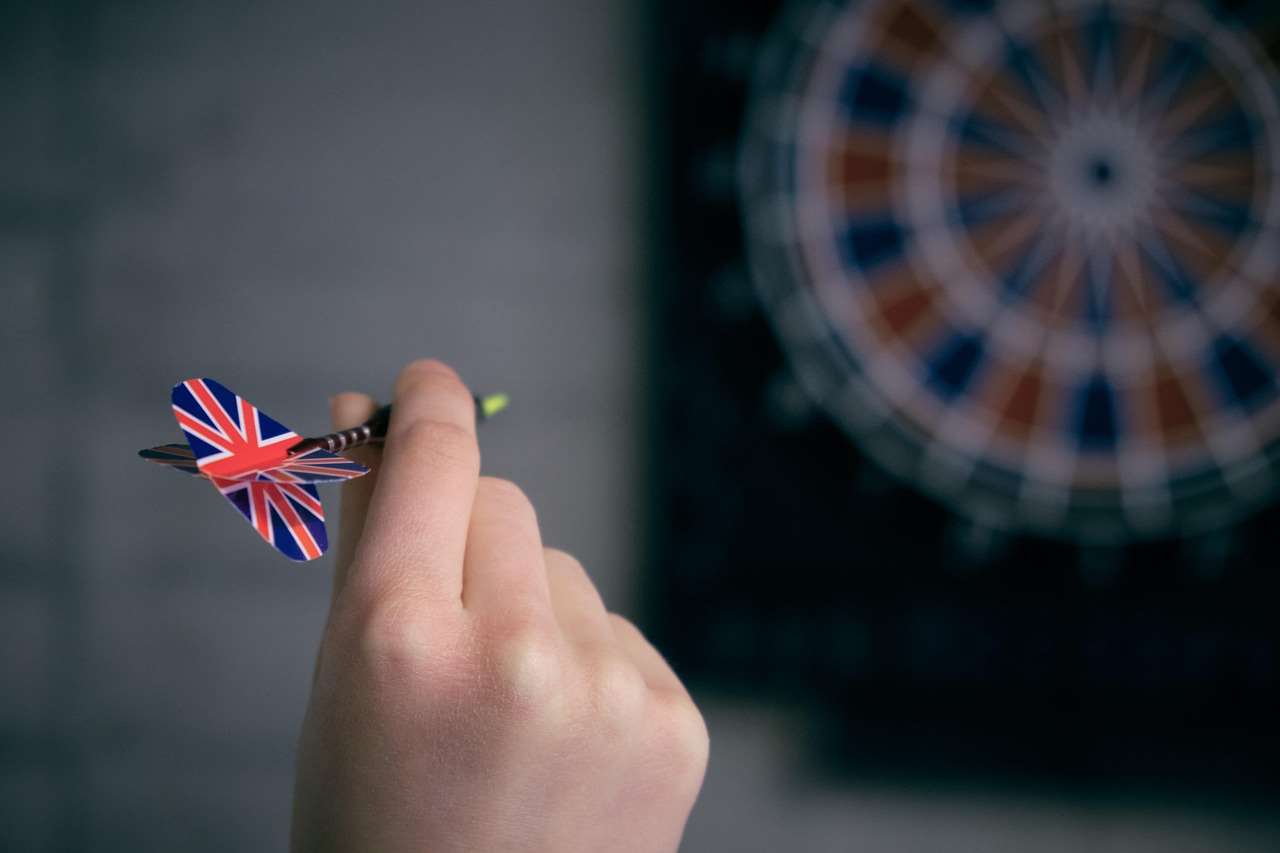
Here’s a step-by-step guide to ensure accurate and safe dimensions for youth or junior dartboard setup:
- Gather Your Tools: You’ll need a measuring tape, a level, a pencil, a drill (if mounting to a wall), and mounting hardware appropriate for your wall type.
- Measure and Mark: Use the recommended bullseye height based on the player’s age. Mark this point on the wall.
- Mount the Dartboard: Securely mount the dartboard to the wall, ensuring it is level. Double-check the bullseye height after mounting.
- Measure and Mark the Throwing Line: Measure the appropriate distance from the face of the dartboard (not the wall) and mark the throwing line on the floor.
- Create a Visual Throwing Line: Use tape or a raised marker (like a piece of wood) to create a clear throwing line.
- Test and Adjust: Have the player throw a few darts and observe their comfort level and accuracy. Make adjustments to the bullseye height or throwing line as needed.
Ensuring Safety During Setup
- Wall Protection: Consider using a dartboard surround to protect the wall from stray darts.
- Lighting: Ensure adequate lighting to improve visibility and accuracy.
- Clear Space: Make sure the area around the dartboard is clear of obstacles and bystanders.
- Supervision: Supervise younger players, especially when handling darts.
Choosing the Right Dartboard and Darts for Youth Players
Beyond just setting the correct dimensions for youth or junior dartboard setup, selecting the right equipment is crucial for a positive experience. Here are some considerations:
Dartboard Material
- Sisal Fiber Dartboards: These are the most common type and offer excellent durability and self-healing properties.
- Electronic Dartboards: These are a good option for beginners as they automatically score and can be safer, especially for younger players using plastic-tipped darts.
Dart Weight and Material
- Lightweight Darts: Lighter darts (16-20 grams) are generally easier for younger players to control.
- Soft-Tip Darts: These are safer for indoor use, especially for younger children.
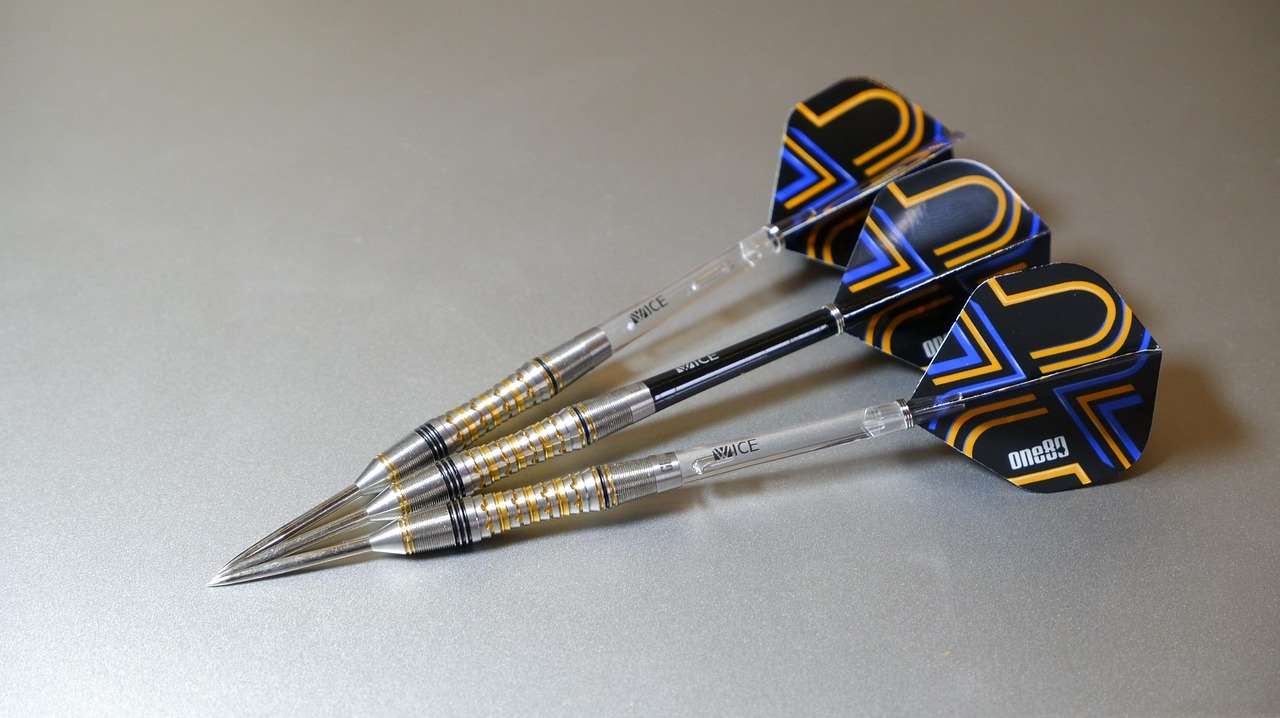
- Dart Barrel Material: Brass darts are a good starting point, offering a balance of cost and durability. As players improve, they can transition to tungsten darts for better grip and control.
Common Mistakes to Avoid When Setting Up a Youth Dartboard
Avoiding common mistakes during setup can prevent frustration and ensure a safe and enjoyable experience. Here are some pitfalls to be aware of:
- Incorrect Bullseye Height: This is the most common mistake. Double-check the height using a measuring tape and level.
- Inaccurate Throwing Line Distance: Ensure the throwing line is measured correctly from the *face* of the dartboard.
- Unstable Dartboard Mounting: A wobbly dartboard can be distracting and even dangerous. Use appropriate mounting hardware and ensure the board is securely attached to the wall.
- Poor Lighting: Insufficient lighting can make it difficult to see the target and increase the risk of misthrows.
- Neglecting Safety Precautions: Always prioritize safety by using a dartboard surround, ensuring a clear throwing area, and supervising younger players.
You might also consider Adapting dart game rules for children, to allow them to better get the hang of the game.
Practicing Proper Throwing Technique with Adjusted Dimensions
Setting the correct dimensions for youth or junior dartboard setup is only the first step. Encouraging proper throwing technique is equally important for skill development and enjoyment. Here are some tips:
Stance and Posture
- Balanced Stance: Encourage a stable and balanced stance with one foot slightly in front of the other.
- Upright Posture: Maintain an upright posture with a straight back.
- Consistent Foot Placement: Establish a consistent foot placement to ensure repeatable throws.
Grip and Release
- Relaxed Grip: Avoid gripping the dart too tightly. A relaxed grip allows for a smoother release.
- Smooth Throwing Motion: Encourage a smooth and fluid throwing motion, using the arm and shoulder rather than just the wrist.
- Follow Through: Follow through with the throwing motion, pointing the hand towards the target after release.
Practice Drills
- Target Practice: Focus on hitting specific targets on the dartboard.
- Repetition: Consistent practice is key to developing muscle memory and improving accuracy.
- Feedback: Provide constructive feedback and encouragement to help players refine their technique.
Adapting Dart Games for Youth Players
Even with the correct dimensions for youth or junior dartboard setup, the standard dart games might be too complex or challenging for younger players. Consider adapting the games to make them more accessible and fun. You could even try fun dart game variations with modified rules.
Simplified Scoring
Simplify the scoring system to make it easier for younger players to understand. For example, focus on hitting specific numbers or sections of the dartboard rather than complex combinations.
Modified Rules
- Shorter Games: Reduce the number of rounds or legs to keep the game engaging.
- Handicaps: Implement handicap rules to level the playing field between players of different skill levels.
- Team Play: Introduce team play to encourage collaboration and support.
Creative Games
Create your own dart games with unique rules and scoring systems. This can add an element of fun and creativity to the experience. This could be as simple as assigning points to hitting specific colors on the board, or creating a challenge where you adapt the Simplified 501 game rules for novice players to something simpler.
Safety Considerations for Youth Dart Play
Safety should always be a top priority when setting up a dartboard for youth players. Here are some essential safety guidelines:
- Supervision: Supervise younger players, especially when handling darts.
- Clear Throwing Area: Ensure the area around the dartboard is clear of obstacles and bystanders.
- Dartboard Surround: Use a dartboard surround to protect the wall from stray darts.
- Proper Lighting: Adequate lighting improves visibility and reduces the risk of misthrows.
- Dart Storage: Store darts safely when not in use, out of reach of young children.
- Teach Safe Handling: Teach players how to handle darts safely, including how to retrieve them from the board and how to avoid throwing when others are nearby.
Conclusion
Creating an enjoyable and safe dart-playing experience for youth players involves more than just hanging a dartboard. Understanding and implementing the correct dimensions for youth or junior dartboard setup, choosing the right equipment, encouraging proper throwing technique, and adapting the game rules are all essential components. By following the guidelines outlined in this article, you can create a fun and engaging environment that fosters skill development and a lifelong love of the game. So, grab your measuring tape, adjust those dimensions, and let the games begin! Consider implementing some of the strategies mentioned here today and get your junior dart player enjoying the game. Remember to check out How to make darts fairer with handicap rules if you plan to play against junior players with different skill levels!

Hi, I’m Dieter, and I created Dartcounter (Dartcounterapp.com). My motivation wasn’t being a darts expert – quite the opposite! When I first started playing, I loved the game but found keeping accurate scores and tracking stats difficult and distracting.
I figured I couldn’t be the only one struggling with this. So, I decided to build a solution: an easy-to-use application that everyone, no matter their experience level, could use to manage scoring effortlessly.
My goal for Dartcounter was simple: let the app handle the numbers – the scoring, the averages, the stats, even checkout suggestions – so players could focus purely on their throw and enjoying the game. It began as a way to solve my own beginner’s problem, and I’m thrilled it has grown into a helpful tool for the wider darts community.