The core **difference between steel-tip and soft-tip 501 rules** lies in the equipment used and how scores are calculated, ultimately influencing gameplay and strategy. This article breaks down these key differences, exploring scoring nuances, equipment specifications, common rule variations, and tips for transitioning between the two darting worlds.
⚠️ Still Using Pen & Paper (or a Chalkboard)?! ⚠️
Step into the future! The Dart Counter App handles all the scoring, suggests checkouts, and tracks your stats automatically. It's easier than you think!
Try the Smart Dart Counter App FREE!Ready for an upgrade? Click above!
Understanding the Core Differences between Steel-Tip and Soft-Tip 501 Rules
While both **steel-tip** and **soft-tip 501** share the same objective – being the first to reduce your score from 501 to zero – significant **differences between steel-tip and soft-tip 501 rules** exist. These variations impact everything from equipment to scoring and even etiquette.
Before diving deeper, let’s clarify some key terminology:
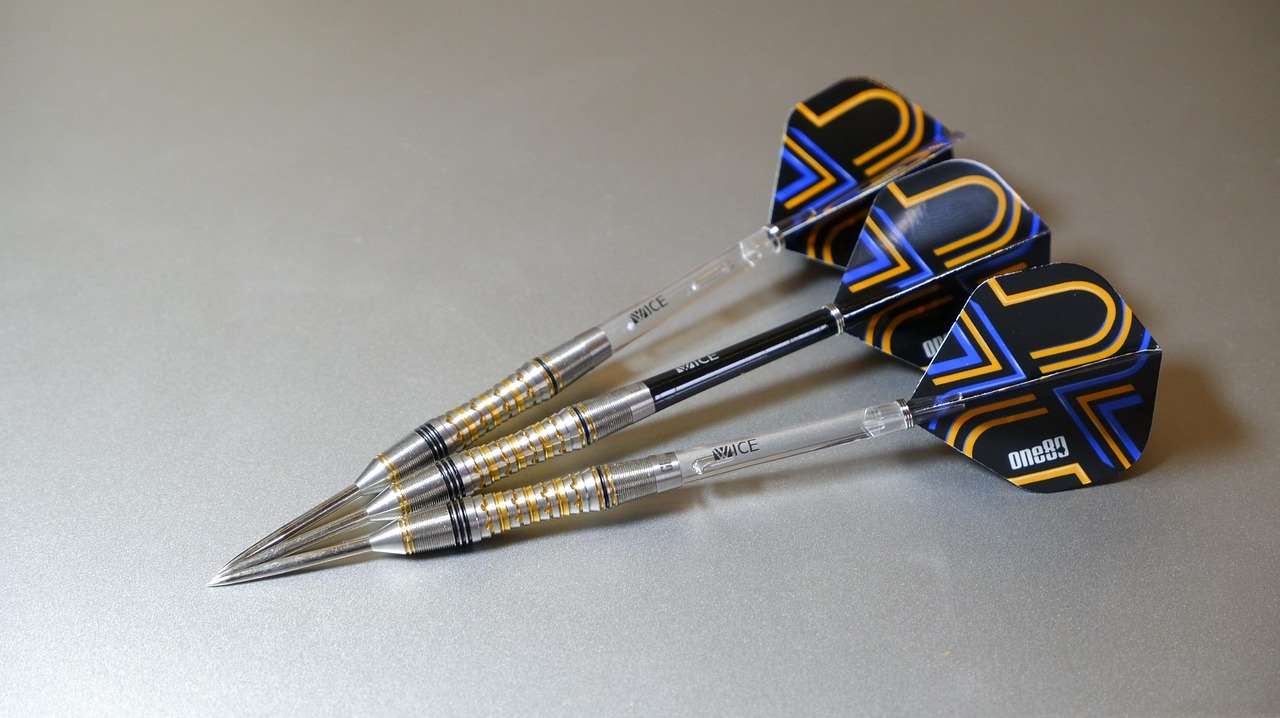
- Steel-Tip Darts: Darts with a sharp metal point designed to stick into a bristle dartboard.
- Soft-Tip Darts: Darts with a plastic tip designed to register on an electronic dartboard.
- 501: The most common starting score in darts games.
- Double Out: Ending the game by hitting a double number (e.g., double 20, double 1).
- Master Out: Ending the game by hitting either a double or a triple number. This rule variant is less common than double out.
Equipment and Setup
The fundamental **differences between steel-tip and soft-tip 501 rules** begin with the equipment:
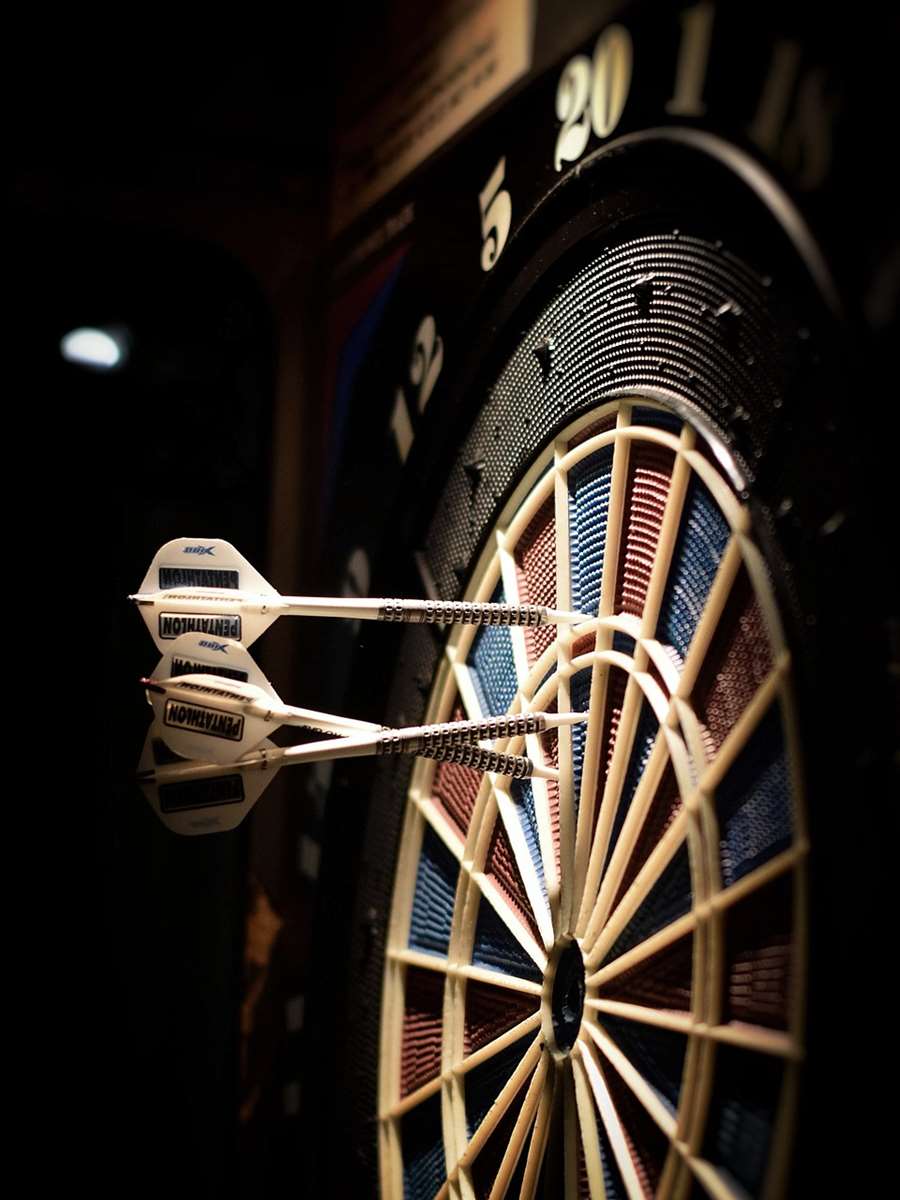
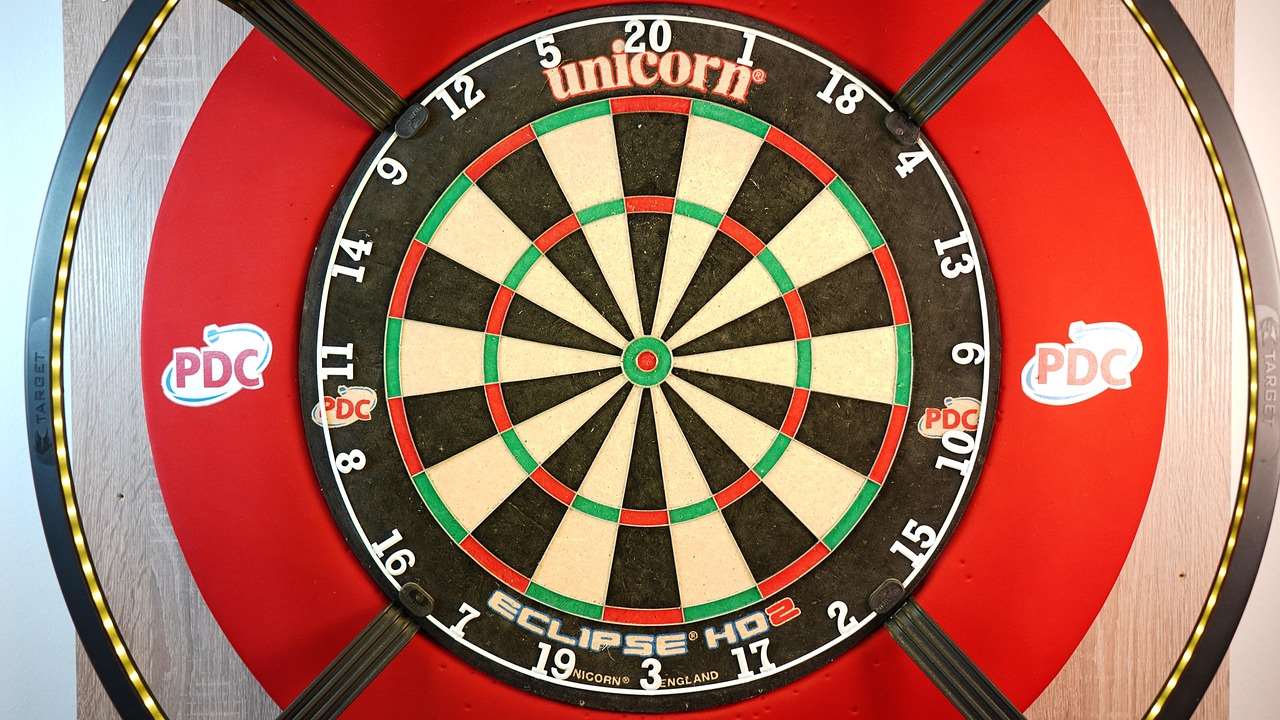
- Dartboards: Steel-tip darts are played on traditional bristle dartboards, while soft-tip darts require electronic dartboards with small holes for the plastic tips.
- Darts: Steel-tip darts are typically heavier and have a sharp metal point. Soft-tip darts are lighter and have a plastic tip that can be replaced.
- Weight Restrictions: Steel-tip darts often have no weight restrictions, whereas soft-tip darts usually have a maximum weight limit (often around 18-20 grams) to protect the electronic board.
The setup also differs slightly. Steel-tip dartboards are typically mounted at a height of 5 feet 8 inches from the floor to the center of the bullseye, with a throwing distance of 7 feet 9 1/4 inches. Soft-tip dartboards are mounted at the same height, but the throwing distance can vary slightly depending on the specific electronic board and league rules. Be sure to familiarize yourself with Basic Darts Fundamentals for Beginners for the proper dart throwing stance and technique.
Scoring Variations and the Importance of the Double Out
The **differences between steel-tip and soft-tip 501 rules** extend to how scores are tracked and the specific rules regarding ending the game:
- Automatic Scoring: Electronic soft-tip dartboards automatically calculate and display the score, eliminating the need for manual scorekeeping. Steel-tip darts rely on manual scoring, usually with a whiteboard or a dedicated scorer.
- Double Out Rule: In both steel-tip and soft-tip 501, the most common rule dictates that the game must be won by hitting a double. This means the final dart thrown must land in a double segment, reducing the score to exactly zero. Failing to “double out” results in the player’s score reverting to what it was at the start of that turn.
- Bust Rule: If a player scores more points than needed to reach zero, or brings their score to one, it’s a “bust,” and their turn ends with no score.
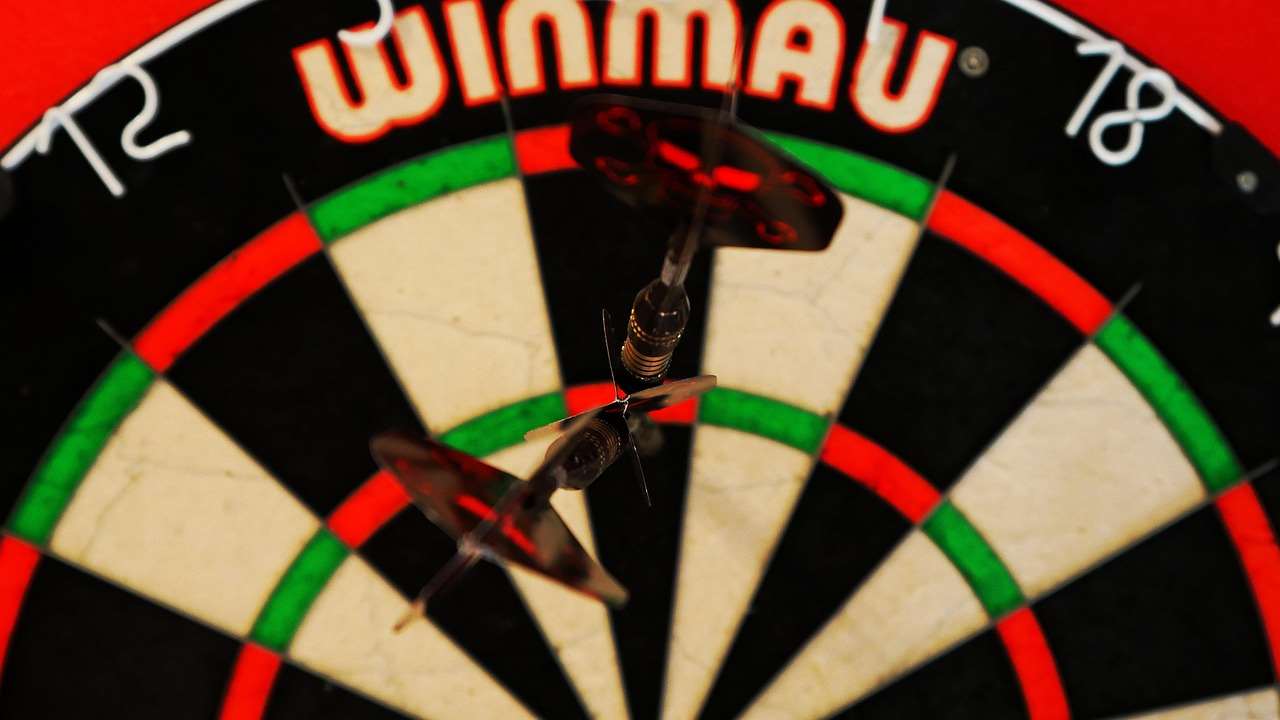
The double out rule adds a layer of strategy to the game. Players need to plan their throws carefully to leave themselves with a manageable double to aim for. Common doubles to target include double 20 (D20), double 16 (D16), and double 8 (D8).
Bullseye Values: A Subtle But Significant Difference
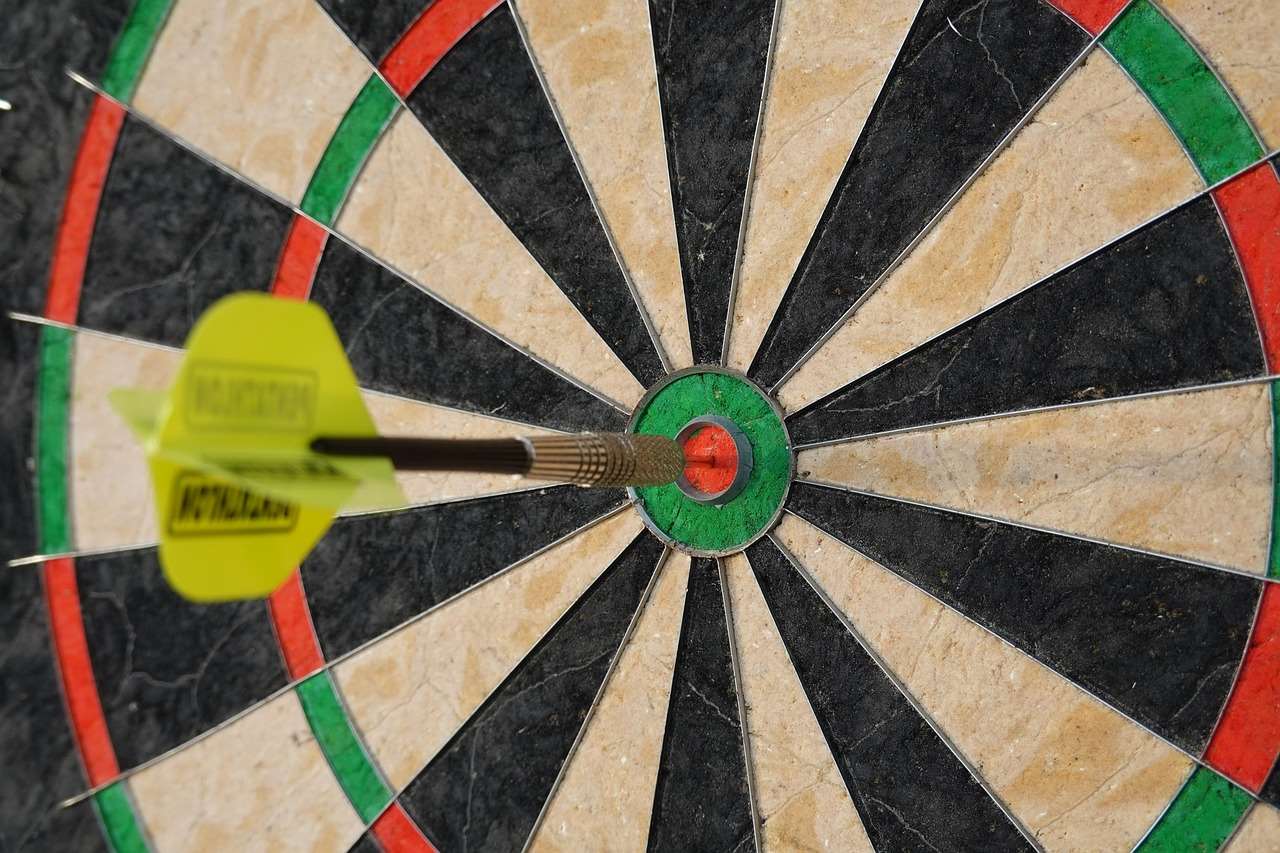
While the general rules regarding the bullseye remain consistent (50 points for the inner bull, 25 for the outer), some subtle **differences between steel-tip and soft-tip 501 rules** might exist in specific league regulations.
- Bull Count-Up: In some soft-tip leagues, hitting the bullseye repeatedly can contribute to bonus points or count towards other game variations beyond the standard 501 format. This is less common in steel-tip.
- Electronic Board Features: Electronic boards often have built-in features to track bullseye percentages and other statistics, providing players with more data on their performance.
Rule Variations and League-Specific Regulations
Beyond the core gameplay, the **differences between steel-tip and soft-tip 501 rules** can be further amplified by league-specific regulations. These can include:
- Starting Requirements: Some leagues might have minimum skill levels or handicap systems to ensure fair competition, particularly in tournaments. Read more about how to make darts fairer with handicap rules.
- Match Formats: The number of legs (individual games) played in a match can vary significantly between leagues.
- Dress Codes: Some leagues have specific dress code requirements, particularly in more formal tournaments.
- Code of Conduct: Both steel-tip and soft-tip leagues typically have a code of conduct outlining expected behavior, including rules against unsportsmanlike conduct.
Before joining a league, it’s crucial to thoroughly review the specific rules and regulations to ensure you understand the expectations and avoid any potential penalties.
Etiquette and Sportsmanship
While not strictly rules, understanding the proper etiquette is essential for both steel-tip and soft-tip darts. There are certain unwritten rules of the game that are important to observe.
- Respect for Opponents: Avoid distracting or taunting your opponent.
- Chalking and Scoring: In steel-tip, the scorer should be attentive and accurate in tracking scores.
- Retrieving Darts: Wait for your opponent to finish their turn before approaching the dartboard to retrieve your darts.
- Acknowledging Good Throws: A simple nod or “good darts” is a common way to acknowledge a well-thrown dart.
Tips for Transitioning Between Steel-Tip and Soft-Tip
Many dart players enjoy both steel-tip and soft-tip darts. If you’re transitioning between the two, here are some tips to help you adapt:
- Adjust Your Throw: The lighter weight of soft-tip darts may require a slightly different throwing motion. Experiment to find what works best for you.
- Practice on Both Boards: Regular practice on both types of boards will help you become comfortable with the different feel and target sizes.
- Experiment with Different Darts: Try different weights, shapes, and grips to find darts that suit your throwing style for each discipline.
- Understand the Scoring Differences: Pay close attention to the scoring rules and variations in each format.
Adapting your style is important when transitioning between the games. For example, you can consider adapting darts rules for small spaces in your practice sessions to improve your accuracy in close quarters, which can benefit both steel-tip and soft-tip games. You can also check out Fun dart game variations with modified rules for some more interesting options to improve your skills. Don’t forget to consider Alternative darts rules for home play to adjust your play style.
Conclusion
Understanding the **differences between steel-tip and soft-tip 501 rules** is essential for any serious dart player. From the equipment and scoring to the league-specific regulations and etiquette, each discipline offers a unique challenge and reward. By understanding these distinctions and practicing regularly, you can improve your game and enjoy the thrill of both steel-tip and soft-tip darts. So, grab your darts, aim for that double, and remember to have fun! Now that you know about **differences between steel-tip and soft-tip 501 rules**, get out there and play! Consider joining a local league to put your skills to the test and meet fellow dart enthusiasts.

Hi, I’m Dieter, and I created Dartcounter (Dartcounterapp.com). My motivation wasn’t being a darts expert – quite the opposite! When I first started playing, I loved the game but found keeping accurate scores and tracking stats difficult and distracting.
I figured I couldn’t be the only one struggling with this. So, I decided to build a solution: an easy-to-use application that everyone, no matter their experience level, could use to manage scoring effortlessly.
My goal for Dartcounter was simple: let the app handle the numbers – the scoring, the averages, the stats, even checkout suggestions – so players could focus purely on their throw and enjoying the game. It began as a way to solve my own beginner’s problem, and I’m thrilled it has grown into a helpful tool for the wider darts community.