The secrets to consistent accuracy in darts aren’t about brute strength, but about understanding the subtle cues your body provides – the darts whispers that guide your throw. This article will reveal those subtle adjustments and techniques, covering everything from stance and grip to mental focus and practice drills, helping you unlock your potential at the oche.
⚠️ Still Using Pen & Paper (or a Chalkboard)?! ⚠️
Step into the future! The Dart Counter App handles all the scoring, suggests checkouts, and tracks your stats automatically. It's easier than you think!
Try the Smart Dart Counter App FREE!Ready for an upgrade? Click above!
Unlocking Your Potential: The Power of Darts Whispers
Many players plateau, feeling they’ve reached their limit. But true improvement comes from listening to the darts whispers, the subtle feedback your body and mind are constantly providing. This means paying attention to your stance, grip, release, and even your mental state.
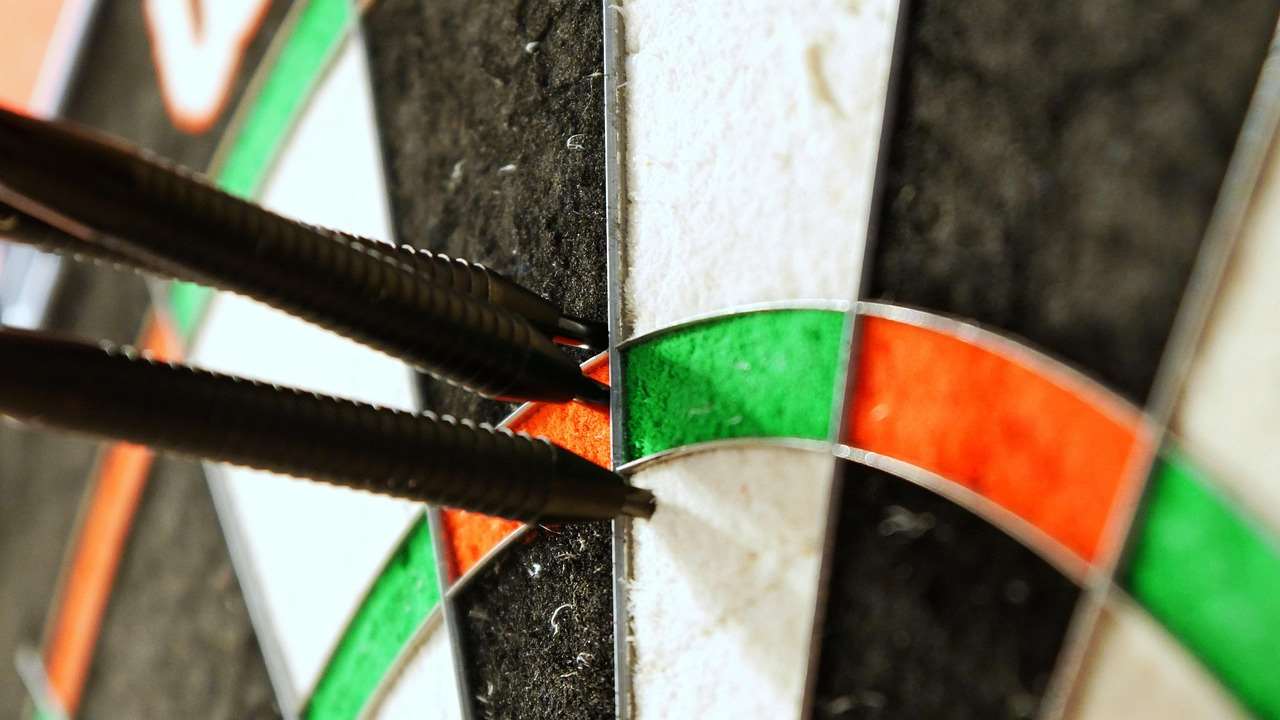
It’s about developing a deep connection with your throw and learning to make tiny adjustments based on what you feel. Think of it as fine-tuning an instrument – the more sensitive you are to the nuances, the better your performance will be.
The Foundation: Stance and Posture
A solid stance is the bedrock of a consistent throw. Experiment to find what works best for you, but consider these factors:
- Foot Placement: Most players favor an angled stance, with one foot slightly ahead of the other. This provides stability and allows for a smooth transfer of weight.
- Weight Distribution: Maintain a balanced weight distribution, avoiding leaning too far forward or backward.
- Posture: Stand tall with a straight back and relaxed shoulders. Avoid slouching, as this can restrict your arm movement.
Finding the right stance is a personal journey. Try different variations and see which one feels most natural and comfortable. Remember, a comfortable stance is a stable stance, leading to more consistent results. You might even want to improve your darts stage set to get the perfect feel for your new stance.
Grip: Mastering the Connection
Your grip is the direct link between you and the dart. A consistent grip is crucial for repeatable throws. Here are some points to consider:
- Pressure: Avoid gripping the dart too tightly. A relaxed grip allows for a smoother release.
- Finger Placement: Experiment with different finger placements to find what feels most comfortable and provides the best control.
- Consistency: Once you find a grip that works, stick with it. Avoid making constant changes, as this can disrupt your consistency.
Different grips suit different throwing styles. Some players prefer a three-finger grip, while others use four. The key is to find a grip that allows you to maintain control without straining your hand. Consider experimenting with different dart types and barrel shapes to find the best match for your grip style. Perhaps you can use the Digital dart score app to keep track of your different grip styles and how each of them performs during practice.
The Importance of a Smooth Release
The release is the moment of truth. A smooth, controlled release is essential for accuracy. Here are some tips:
- Follow Through: Extend your arm fully towards the target and maintain your follow-through. This helps to guide the dart and ensure a consistent trajectory.
- Wrist Action: Use your wrist to generate power and spin. A flick of the wrist can add significant velocity to your throw.
- Timing: Practice your timing to ensure that you release the dart at the same point in your throwing motion every time.
A jerky or rushed release can throw off your aim. Focus on smooth, fluid movements and maintain a consistent rhythm. Record yourself throwing darts and watch the footage back to see how consistent your release is. This visual feedback can be invaluable in identifying and correcting any flaws in your technique. Don’t overlook the importance of good dartboard lighting ideas either; clear visibility improves release consistency.
Mental Fortitude: The Inner Game of Darts
Darts is as much a mental game as it is a physical one. Maintaining focus and managing pressure are crucial for success. This is where truly listening to those darts whispers becomes vital.
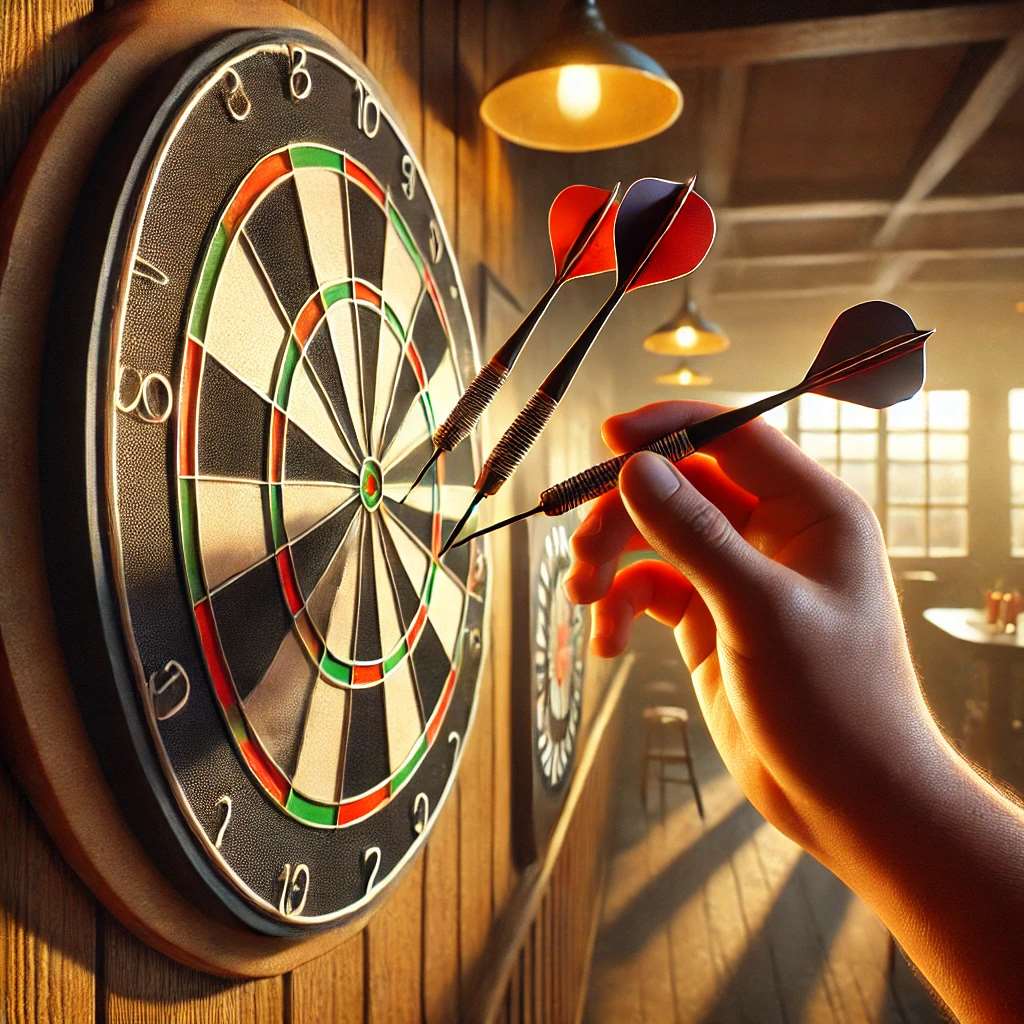
- Visualization: Before each throw, visualize the dart hitting your target. This helps to program your subconscious mind for success.
- Positive Self-Talk: Replace negative thoughts with positive affirmations. Believe in your ability to hit the target.
- Focus on the Process: Don’t dwell on the outcome. Focus on executing your technique correctly and let the results take care of themselves.
Pressure can be a major obstacle, especially in competitive situations. Learn to manage your anxiety by practicing under pressure and developing mental strategies to stay calm and focused. Remember your breathing! Controlled breathing is essential for remaining calm under pressure, allowing you to concentrate on the darts scorer target and perform at your best.
Practice Drills for Sharpening Your Skills
Consistent practice is essential for improvement. Here are some drills to help you hone your skills:
- Around the Clock: Start at number 1 and work your way around the board, hitting each number in sequence. This drill improves your accuracy and consistency.
- Shanghai: Aim for the single, double, and treble of a chosen number in one visit. This drill develops your target selection and doubles accuracy.
- Checkout Practice: Practice your checkouts by aiming for specific combinations. This drill improves your finishing skills.
Make your practice sessions challenging and engaging. Set realistic goals and track your progress. Celebrate your successes and learn from your mistakes. Regular practice, combined with focused attention on your technique, will gradually but surely lead to significant improvements in your game. If you are looking for a career in darts, you might even consider learning about darts scorer salary.
Equipment Matters: Choosing the Right Darts
The right darts can make a big difference in your performance. Consider these factors when choosing your darts:
- Weight: Experiment with different weights to find what feels most comfortable and provides the best control.
- Grip: Choose darts with a grip that suits your throwing style.
- Shaft Length: Experiment with different shaft lengths to find what provides the best balance and trajectory.
- Flight Shape: Different flight shapes affect the dart’s stability and trajectory.

Don’t be afraid to try different darts and experiment with different setups. What works for one player may not work for another. The key is to find darts that feel good in your hand and allow you to throw consistently. Regularly inspect your darts for wear and tear, and replace them when necessary. A well-maintained set of darts is essential for optimal performance.
Common Mistakes and How to Avoid Them
Even experienced players make mistakes. Here are some common pitfalls to avoid:
- Rushing Your Throw: Take your time and focus on executing your technique correctly.
- Changing Your Grip: Avoid making constant changes to your grip, as this can disrupt your consistency.
- Looking at the Scoreboard: Focus on your target and avoid getting distracted by the scoreboard.
- Ignoring Darts Whispers: Disregarding your body’s feedback about stance, grip, and aim.
By being aware of these common mistakes, you can take steps to avoid them. If you find yourself struggling, take a break and refocus. Remember, darts is a game of patience and perseverance. Don’t get discouraged by setbacks. Learn from your mistakes and keep practicing.
Listening to Your Darts Whispers for Continuous Improvement
The journey to becoming a better darts player is a continuous process of learning and refinement. By paying attention to the darts whispers – the subtle cues your body and mind provide – you can identify areas for improvement and make the necessary adjustments to your technique.
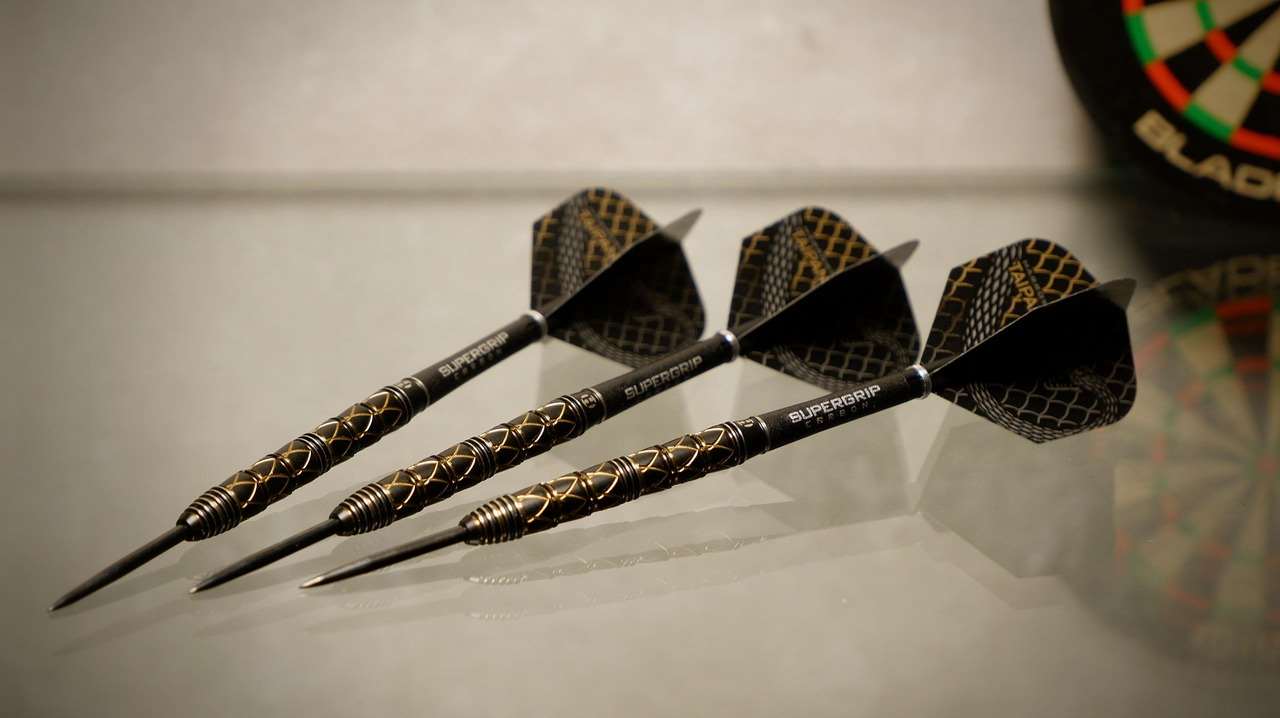
This involves not only honing your physical skills but also developing your mental fortitude. Learn to manage pressure, maintain focus, and believe in your ability to succeed. With consistent practice and a commitment to continuous improvement, you can unlock your full potential and achieve your goals in darts. Even thinking about a place like darts bedford can conjure up images of dedicated practice and improvement.
Advanced Techniques for Experienced Players
Once you’ve mastered the fundamentals, you can start exploring more advanced techniques:
- Target Selection: Learn to strategically select your targets to maximize your scoring potential.
- Mental Imagery: Use mental imagery to visualize your throws and improve your focus.
- Pressure Training: Practice under pressure to develop your mental fortitude and learn to manage anxiety.
These techniques can help you take your game to the next level. But remember, the key is to build a solid foundation of fundamental skills before attempting to master more advanced techniques. Always be willing to experiment and find what works best for you. Don’t let a game of darts java game distract you from the real thing!
Conclusion: Embracing the Art of Darts Whispers
The art of darts lies not just in physical skill, but in the ability to listen to the darts whispers, those subtle cues that guide your throw and refine your technique. By focusing on your stance, grip, release, and mental game, and by committing to consistent practice, you can unlock your full potential and achieve remarkable results. Embrace the journey, stay patient, and enjoy the process of continuous improvement. Now it’s your turn to start listening to your inner darts whispers and transforming your game. Start today and download a digital dart score app to track your progress!

Hi, I’m Dieter, and I created Dartcounter (Dartcounterapp.com). My motivation wasn’t being a darts expert – quite the opposite! When I first started playing, I loved the game but found keeping accurate scores and tracking stats difficult and distracting.
I figured I couldn’t be the only one struggling with this. So, I decided to build a solution: an easy-to-use application that everyone, no matter their experience level, could use to manage scoring effortlessly.
My goal for Dartcounter was simple: let the app handle the numbers – the scoring, the averages, the stats, even checkout suggestions – so players could focus purely on their throw and enjoying the game. It began as a way to solve my own beginner’s problem, and I’m thrilled it has grown into a helpful tool for the wider darts community.