Achieving a **darts straight throw** is the foundation of consistent scoring in darts. This article will guide you through the mechanics of a proper throw, covering everything from stance and grip to release and follow-through, ultimately improving your accuracy and enjoyment of the game.
⚠️ Still Using Pen & Paper (or a Chalkboard)?! ⚠️
Step into the future! The Dart Counter App handles all the scoring, suggests checkouts, and tracks your stats automatically. It's easier than you think!
Try the Smart Dart Counter App FREE!Ready for an upgrade? Click above!
Mastering the Darts Straight Throw: The Key to Consistency
The quest for a perfect game of darts begins with mastering the fundamentals, and chief among these is the **darts straight throw**. While natural talent may play a role, anyone can significantly improve their accuracy with focused practice and attention to proper technique. We’ll delve into each element that contributes to a **darts straight throw**, from the ground up.

Stance and Alignment: Setting the Stage for Success
Your stance is the foundation of your throw. It provides stability and ensures proper alignment with the dartboard. There are three primary stances:
- Square Stance: Facing the board directly, with feet shoulder-width apart. This stance offers maximum stability but can restrict your throwing arm’s range of motion.
- Open Stance: Angled slightly towards your throwing arm side. This allows for a freer swing and better visibility of the target.
- Closed Stance: Angled away from your throwing arm side. This can help correct for pulling the dart to the side but can also feel less natural.
Experiment to find what feels most comfortable and natural for you. Regardless of your stance, ensure your weight is evenly distributed and your shoulders are aligned with the target. Consider using the Darts scorekeeper app to track your progress and identify any biases in your throws. A good, balanced stance aids in a **darts straight throw**.
The Grip: Finding Your Perfect Hold
Your grip is the point of contact between you and the dart, and it significantly influences your control. There’s no one-size-fits-all grip, but here are some common options:
- Two-Finger Grip: Using your thumb and one finger (usually the index) to hold the dart. This provides a light, delicate touch.
- Three-Finger Grip: Adding a middle finger for increased stability and control. This is the most common grip.
- Four-Finger Grip: Using all four fingers for maximum control, often favored by players with larger hands.
The key is to find a grip that feels comfortable and allows you to release the dart smoothly and consistently. Avoid gripping the dart too tightly, as this can lead to tension and affect your **darts straight throw**. Focus on a relaxed but firm hold.
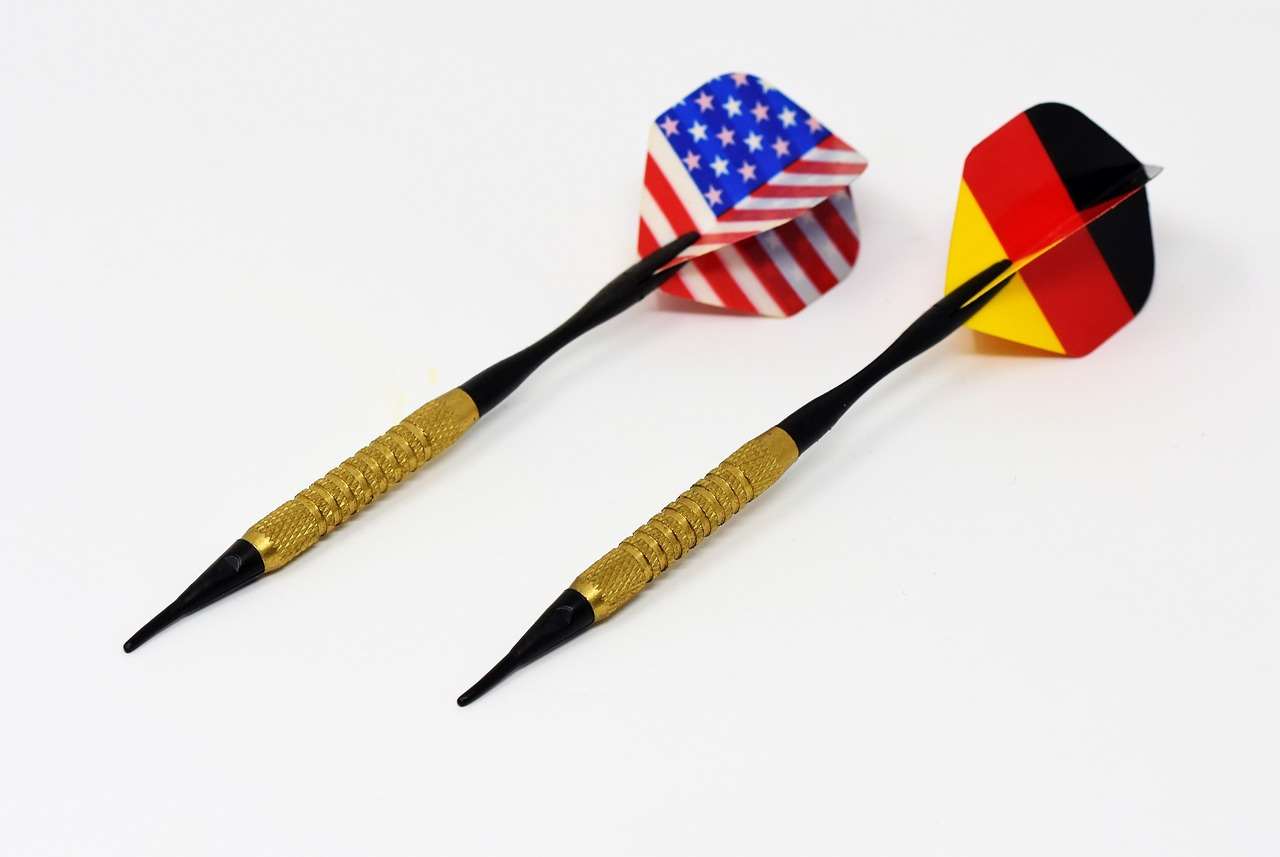
The Throwing Motion: A Step-by-Step Guide to Darts Straight Throw
The throwing motion is a fluid sequence of movements that begins with your stance and grip and culminates in the release of the dart. A proper technique will contribute significantly to your ability to achieve a **darts straight throw**. Consider exploring different **dart flight system** options to optimize your dart’s trajectory.
The Setup and Backswing: Preparing for Release
Before initiating the throw, take a moment to focus on your target. Visualize the dart hitting the desired segment. This mental preparation can improve your concentration and accuracy. Once you’re ready, bring the dart back in a smooth, controlled motion. Avoid jerky movements or excessive wrist action during the backswing. The backswing should be a natural extension of your arm, setting the stage for a **darts straight throw**.
The Forward Swing and Release: The Moment of Truth
The forward swing is where the magic happens. Keep your elbow high and your wrist locked until the point of release. As you bring the dart forward, focus on pushing it towards the target with a smooth, linear motion. The release should be clean and effortless. Avoid snapping your wrist or throwing with excessive force. The ideal release point is when your arm is fully extended and the dart is pointing directly at the target. If you are looking to improve your throw, you could look at what what darts have swiss points.
Follow-Through: Completing the Motion
The follow-through is just as important as the release. After releasing the dart, continue your arm motion towards the target. This helps maintain your alignment and ensures a smooth, consistent throw. A good follow-through demonstrates commitment to the shot and is crucial for developing a **darts straight throw**. Imagine pointing your finger at the target after the dart is released. This visualization can reinforce the correct follow-through.
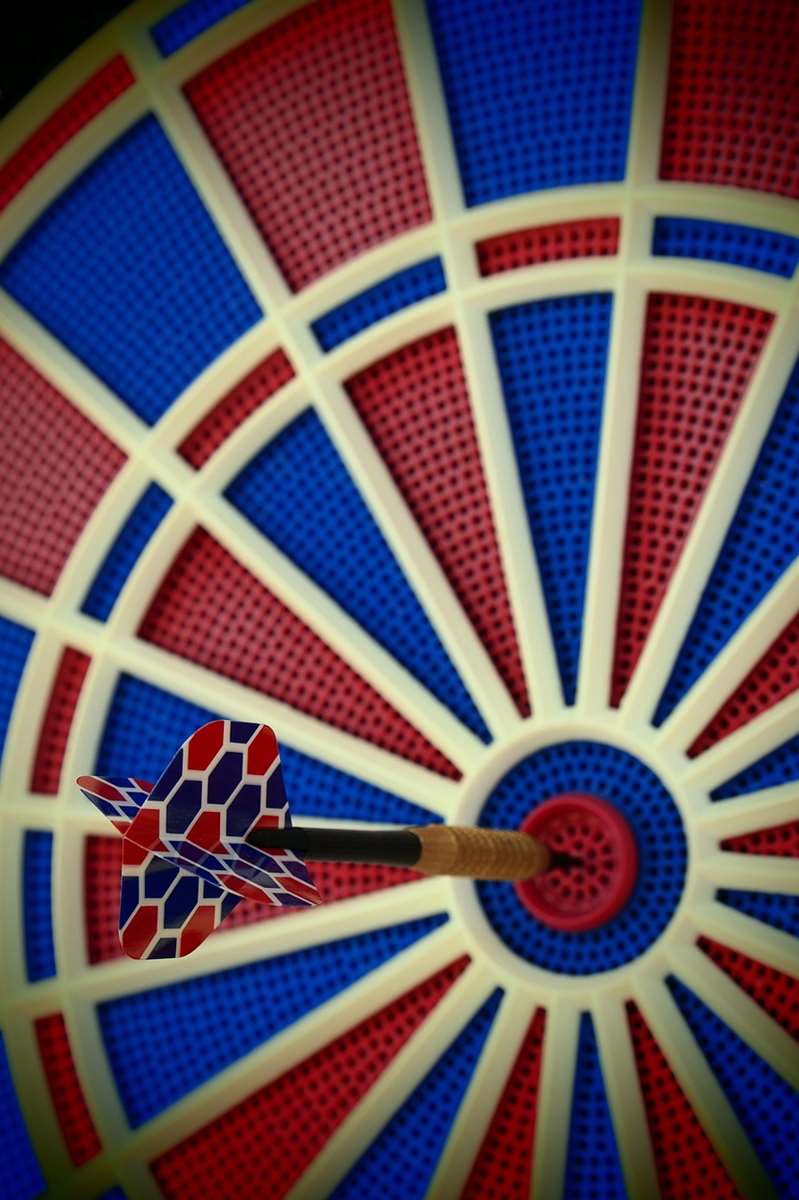
Troubleshooting Your Throw: Common Issues and Solutions
Even with practice, you may encounter difficulties in achieving a consistent **darts straight throw**. Here are some common problems and how to address them:
Dart Tilting or Wobbling in Flight
This can be caused by an inconsistent grip, an uneven release, or damaged flights. Ensure your grip is firm but relaxed, and that you are releasing the dart smoothly. Check your flights for any tears or bends and replace them as needed. Sometimes the issue can be with your equipment; exploring **true flight darts** might offer a solution to reduce wobble. The objective remains achieving a **darts straight throw**.
Darts Landing to the Left or Right of the Target
This is often due to misalignment or a sideways release. Double-check your stance to ensure your shoulders are aligned with the target. Focus on pushing the dart straight towards the board without any sideways movement. This could also be caused by an improper backswing or follow through. Make sure the backswing and follow through are straight for your best **darts straight throw**.
Darts Landing Too High or Too Low
This can be caused by inconsistent release height or improper arm angle. Experiment with adjusting your elbow position and release point to find what works best for you. Maintaining a consistent arm angle throughout the throw is crucial. To avoid issues, be sure you have the proper equipment, like a **bullseye darts surround**.
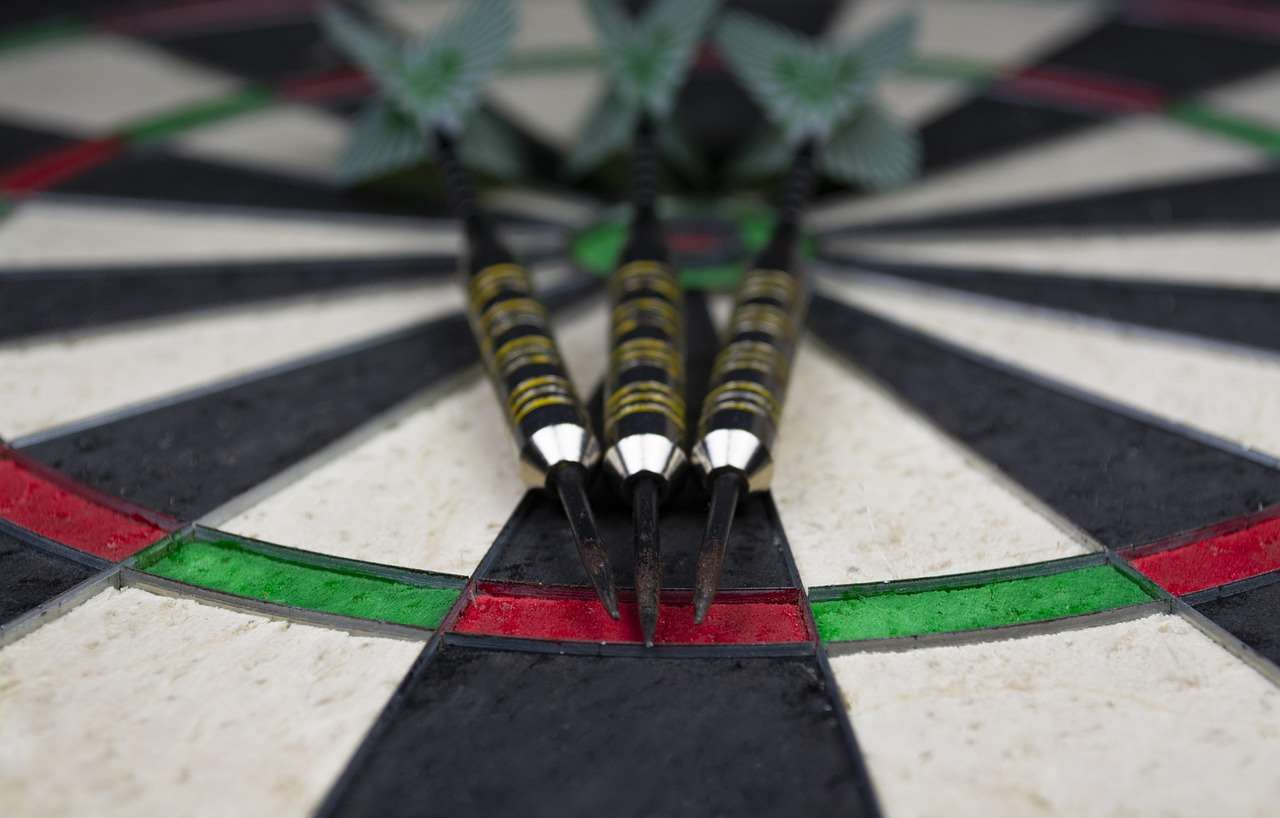
Practice Drills for Darts Straight Throw
Consistent practice is essential for improving your **darts straight throw**. Here are some drills you can incorporate into your training:
- Target Practice: Focus on hitting specific targets, such as the double 20 or the bullseye. This helps improve your accuracy and consistency.
- Repetition Drills: Throw multiple darts at the same target, focusing on replicating the same throwing motion each time.
- Accuracy Challenges: Set yourself challenges, such as hitting three darts in the same segment or scoring a specific number of points in a limited number of throws.
Remember to be patient and persistent. Improvement takes time and effort. Regularly practicing these drills will help you develop muscle memory and refine your technique, improving your **darts straight throw**. If you and your friends are looking for something new, try a game of 3 in a bed darts game while practicing your **darts straight throw**.
Mental Game: Staying Focused and Calm
Darts is not just a physical game; it’s also a mental one. Staying focused and calm under pressure is crucial for performing your best. Here are some tips for improving your mental game:
- Visualization: Visualize yourself throwing perfect darts and hitting your targets. This helps build confidence and improve your focus.
- Breathing Exercises: Practice deep breathing exercises to calm your nerves and reduce anxiety.
- Positive Self-Talk: Replace negative thoughts with positive affirmations. Believe in your ability to perform well.
A strong mental game can make a significant difference in your performance, allowing you to maintain your composure and execute your **darts straight throw** consistently, even in high-pressure situations. Remember that maintaining your mental composure is important, especially when viewing the darts match schedule.
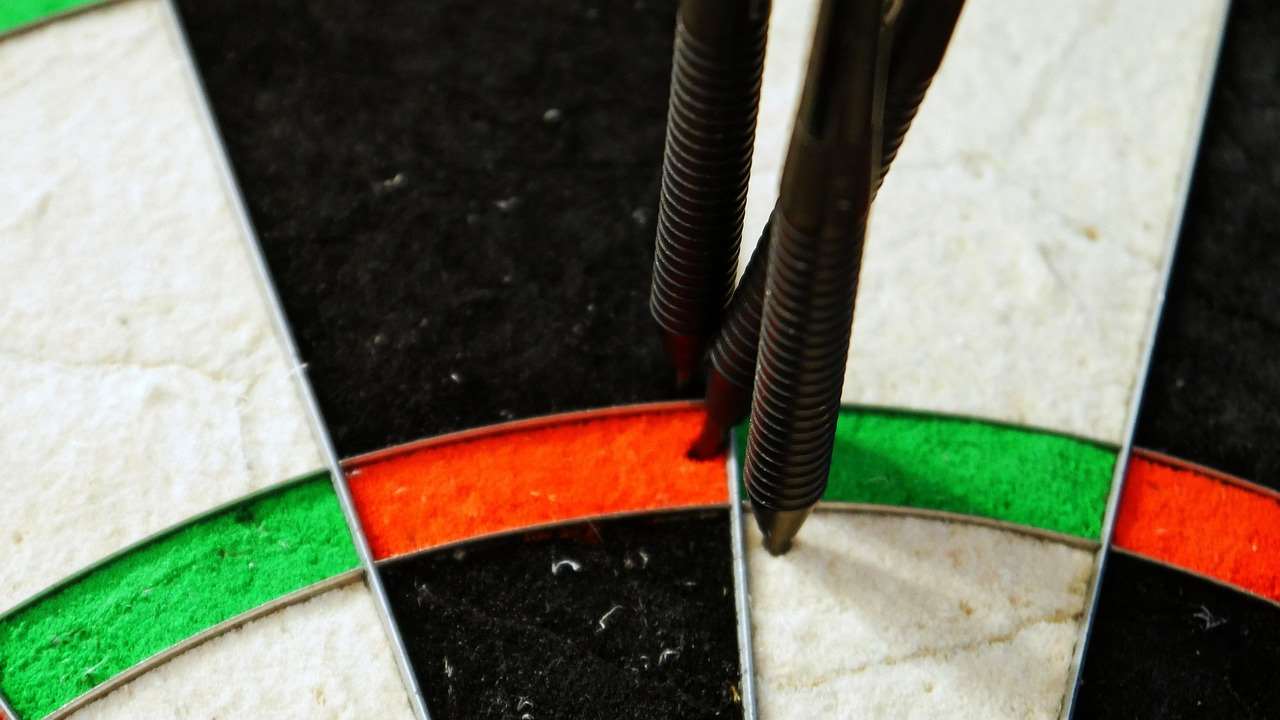
Equipment and Setup: Optimizing Your Environment
Your equipment and setup can also impact your **darts straight throw**. Here are some factors to consider:
- Dart Weight and Balance: Experiment with different dart weights and balances to find what feels most comfortable and natural for you.
- Dartboard Setup: Ensure your dartboard is properly mounted at the correct height and distance.
- Lighting: Good lighting is essential for clear visibility of the target.
A well-equipped and properly set up environment can help you focus on your technique and improve your accuracy, leading to a more consistent **darts straight throw**. Sometimes scandals can affect the way people view the sport, such as the darts match fixing scandal.
Conclusion: Practice and Consistency for the Perfect Darts Straight Throw
Mastering the **darts straight throw** is a journey that requires dedication, practice, and attention to detail. By focusing on your stance, grip, throwing motion, and mental game, you can significantly improve your accuracy and consistency. Remember to troubleshoot any issues you encounter and incorporate practice drills into your routine. With consistent effort, you’ll be well on your way to achieving your personal best. Now, grab your darts, put these tips into action, and elevate your game!

Hi, I’m Dieter, and I created Dartcounter (Dartcounterapp.com). My motivation wasn’t being a darts expert – quite the opposite! When I first started playing, I loved the game but found keeping accurate scores and tracking stats difficult and distracting.
I figured I couldn’t be the only one struggling with this. So, I decided to build a solution: an easy-to-use application that everyone, no matter their experience level, could use to manage scoring effortlessly.
My goal for Dartcounter was simple: let the app handle the numbers – the scoring, the averages, the stats, even checkout suggestions – so players could focus purely on their throw and enjoying the game. It began as a way to solve my own beginner’s problem, and I’m thrilled it has grown into a helpful tool for the wider darts community.