Darts stand out from other pub games due to their blend of skill, strategy, and accessibility, offering both casual fun and intense competition. This article explores the reasons why darts continue to captivate players worldwide, covering everything from basic techniques to advanced strategies and equipment.
⚠️ Still Using Pen & Paper (or a Chalkboard)?! ⚠️
Step into the future! The Dart Counter App handles all the scoring, suggests checkouts, and tracks your stats automatically. It's easier than you think!
Try the Smart Dart Counter App FREE!Ready for an upgrade? Click above!
Why Darts Stand Out: A Game of Precision and Passion
What makes darts stand out compared to other recreational activities? It’s the unique combination of physical dexterity, mental focus, and strategic thinking. Unlike purely physical sports, darts rely heavily on precision and control. Unlike purely mental games, darts demand consistent physical execution. This blend creates a challenging and rewarding experience for players of all levels.
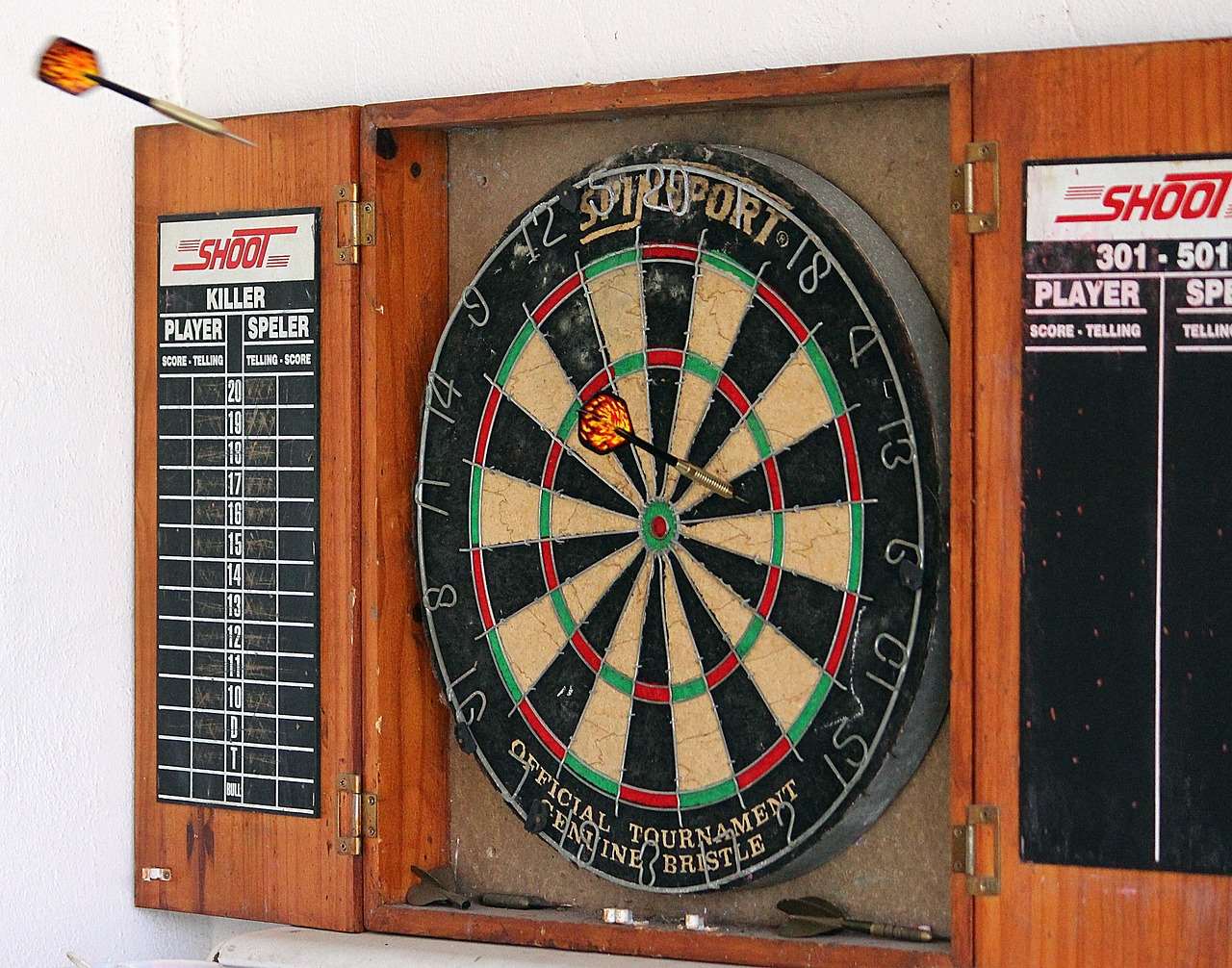
The allure of hitting that perfect bullseye, the thrill of a close match, and the camaraderie among players contribute to the enduring popularity of darts. It’s a game that’s easy to learn but difficult to master, ensuring there’s always room for improvement and new challenges to overcome.
Mastering the Basics: Stance, Grip, and Throw
Before you can truly appreciate why darts stand out, you need to understand the fundamentals. The three core elements of a successful throw are stance, grip, and release.
Finding Your Stance
Your stance provides the foundation for your throw. Experiment with different stances to find what feels most comfortable and stable. Common stances include:
- Parallel Stance: Feet parallel to the oche (throwing line).
- Angled Stance: One foot slightly ahead of the other, angled towards the dartboard.
- Side Stance: Standing perpendicular to the oche.
Regardless of your choice, ensure your weight is balanced and you feel stable. Remember to visit darts oche mat.
The Perfect Grip
Your grip is crucial for control and consistency. There’s no single “perfect” grip, but here are some common techniques:
- Two-Finger Grip: Holding the dart with your thumb and index finger.
- Three-Finger Grip: Adding your middle finger for extra support.
- Four-Finger Grip: Using all four fingers for maximum control.
Experiment with different grips to find the one that feels most natural and allows you to release the dart smoothly. Avoid gripping the dart too tightly, which can lead to tension and inaccurate throws.
The Smooth Release
A smooth release is essential for accuracy. Aim to release the dart at the same point in your throwing motion every time. This requires practice and repetition. Visualize your target and focus on releasing the dart with a fluid, controlled motion.
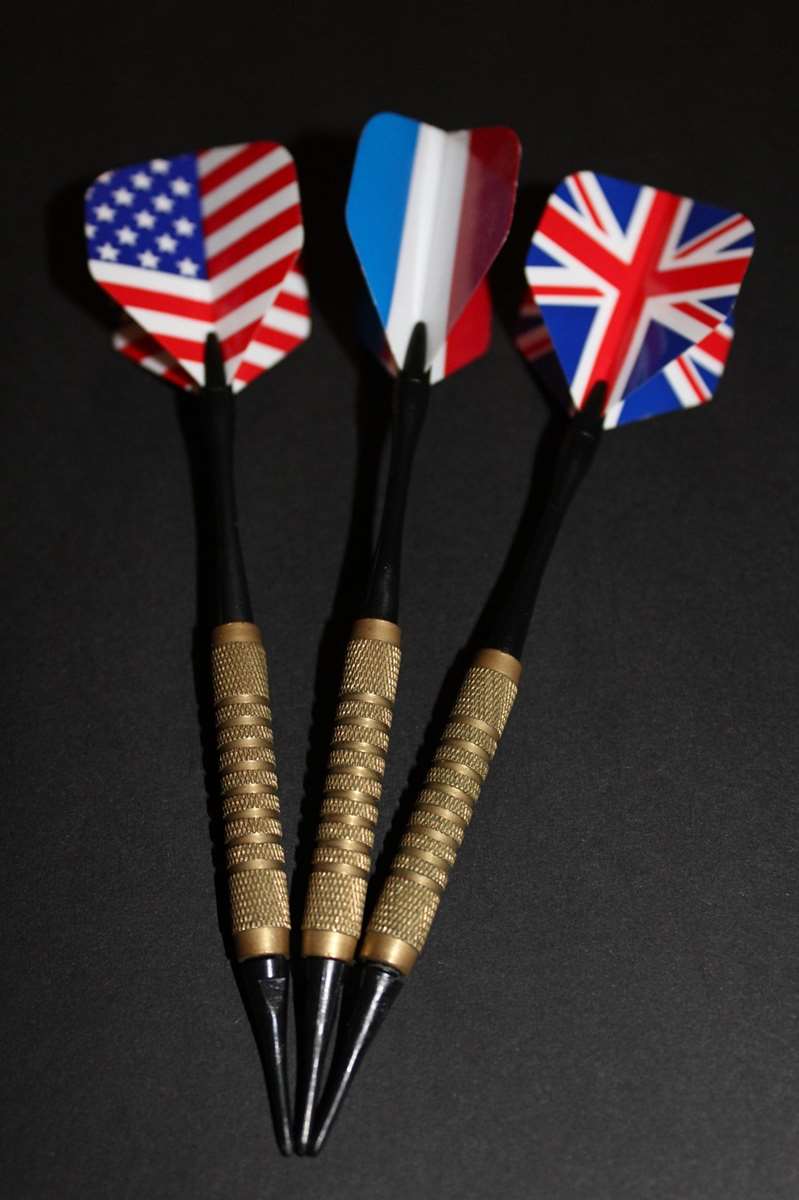
Key aspects of the release include:
- Keeping your elbow stable.
- Following through with your arm towards the target.
- Releasing the dart smoothly from your fingertips.
Advanced Strategies: Scoring and Checkout Numbers
While the basics are important, understanding advanced strategies is what truly makes some darts stand out. Knowing how to score effectively and plan your checkout numbers can give you a significant advantage over your opponents.
Effective Scoring Techniques
Beyond simply aiming for the bullseye, consider the strategic value of different scoring areas. The treble 20 (60 points) is the highest-scoring single throw, but consistently hitting it is challenging. Aiming for the single 20 or the surrounding numbers can be a more reliable strategy, especially when under pressure.
Understanding probabilities is also key. If you’re aiming for a treble, consider the potential consequences of missing. Is it better to aim for a treble 20, or a treble 19, which has more forgiving numbers surrounding it?
Mastering Checkout Combinations
Knowing your checkout numbers is crucial for winning games. Many players memorize common checkout combinations, allowing them to quickly calculate the best route to zero. Here are some examples:
- 170: T20, T20, Bullseye
- 167: T20, T19, Bullseye
- 164: T20, T18, Bullseye
However, memorization alone isn’t enough. You need to be able to adapt your checkout strategy based on your current score and the remaining darts. Practice different scenarios to develop your problem-solving skills. If you think you have darts bust score, you might need this advice.
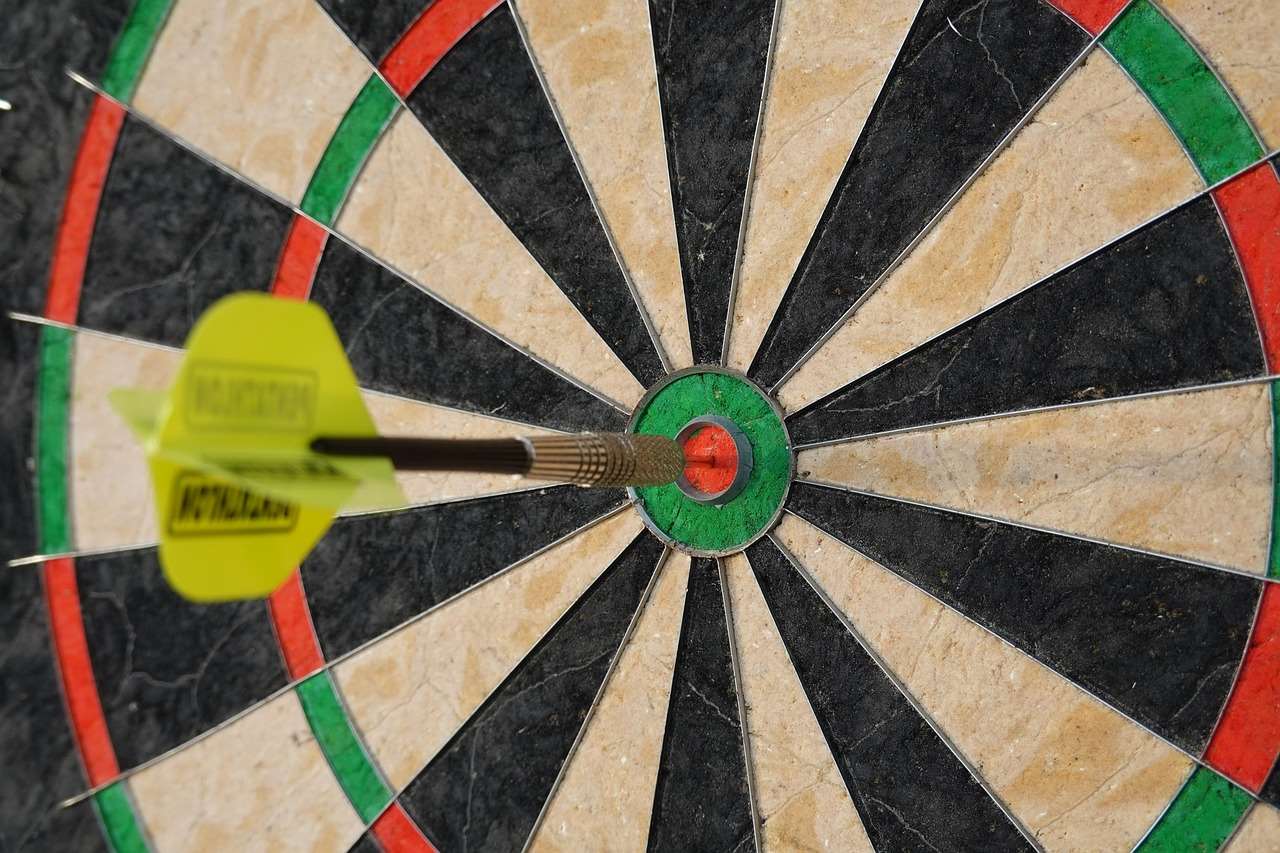
A good darts scorer app like Darts scorekeeper app can also help you with this.
Choosing the Right Equipment: Darts, Dartboards, and Accessories
The quality of your equipment can significantly impact your performance. Selecting the right darts, dartboard, and accessories is essential for improving your game and ensuring that your darts stand out from the rest.
Selecting Your Darts
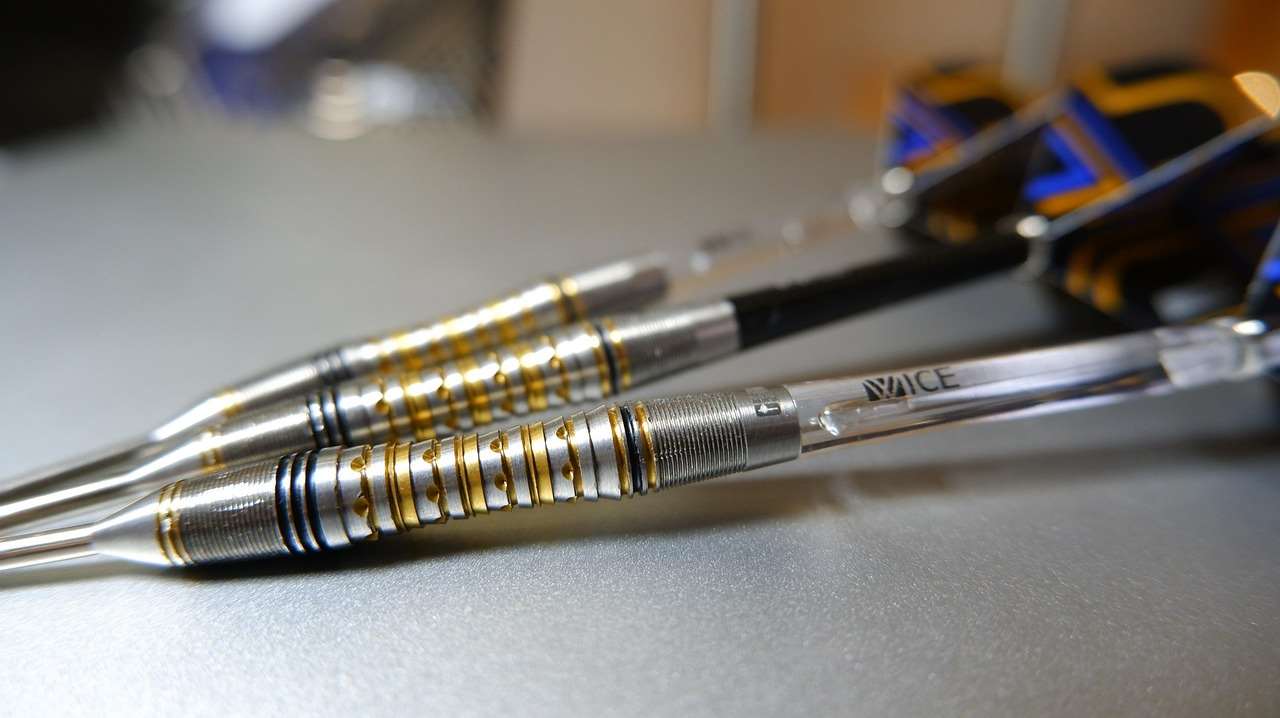
Darts come in various weights, materials, and shapes. The ideal dart for you depends on your personal preferences and throwing style. Consider the following factors:
- Weight: Heavier darts tend to be more stable in flight, while lighter darts are easier to control. Most darts range from 20 to 26 grams.
- Material: Tungsten darts are denser than brass darts, allowing for a slimmer barrel and a tighter grouping on the dartboard.
- Shape: Different barrel shapes, such as straight, torpedo, or bomb, can affect your grip and release.
Experiment with different darts to find the ones that feel most comfortable and perform best for you. You can improve your darts score 180 with the right equipment.
Dartboards and Scoring
Using a high-quality dartboard is also important for accuracy and durability. Bristle dartboards, made from sisal fibers, are the standard for professional play. These boards are self-healing, meaning the holes close up after the darts are removed.
Ensure your dartboard is properly mounted at the correct height (5 feet 8 inches to the bullseye) and distance (7 feet 9 1/4 inches from the oche). A wobbly dartboard can significantly affect your accuracy. Consider purchasing a dartboard surround and light set to protect your wall and improve visibility.
Essential Accessories
Other essential accessories include:
- Flights: Flights affect the dart’s stability and trajectory. Experiment with different shapes and sizes to find what works best for you.
- Shafts: Shafts connect the flight to the barrel. Different lengths and materials can affect the dart’s balance and flight characteristics.
- Dart Case: Protect your darts from damage with a durable dart case.

Practice and Improvement: Drills and Techniques
Consistent practice is essential for improving your darts game and ensuring that your darts stand out. Implementing structured drills and techniques can help you develop your skills and address specific weaknesses.
Target Practice Drills
Focus on specific areas of the dartboard to improve your accuracy. Try these drills:
- Bullseye Challenge: Aim for the bullseye repeatedly, tracking your accuracy and consistency.
- Treble 20 Drill: Practice hitting the treble 20, focusing on your stance, grip, and release.
- Around the Clock: Start at number 1 and work your way around the dartboard, hitting each number in sequence.
Checkout Practice
Practice different checkout combinations to improve your ability to finish games. Try these drills:
- 101 Checkout: Start with 101 points and try to check out in as few darts as possible.
- Random Checkout: Generate random scores and practice checking out from those scores.
Analyzing Your Performance
Record your scores and analyze your performance to identify areas for improvement. Track your accuracy on different segments of the dartboard, your checkout success rate, and your average score per dart. This data can help you identify patterns and adjust your practice routine accordingly.
The Mental Game: Focus and Composure
While physical skill is essential, the mental aspect of darts is just as important. Maintaining focus and composure under pressure can be the difference between winning and losing. That’s how your darts stand out when it matters most.
Developing Mental Toughness
Practice staying calm and focused, even when you’re facing difficult situations. Visualize success and develop positive self-talk to boost your confidence.
Managing Pressure
Learn to manage the pressure of competition by focusing on the process rather than the outcome. Break down the game into smaller, manageable tasks and focus on executing each throw to the best of your ability.
Staying Positive
Maintain a positive attitude, even when you make mistakes. Learn from your errors and focus on improving your next throw. A negative mindset can lead to a downward spiral, so it’s important to stay positive and believe in your abilities.
Conclusion: Darts – A Timeless Game of Skill and Strategy
In conclusion, darts stand out as a captivating game that combines skill, strategy, and mental fortitude. By mastering the basics, developing advanced techniques, and honing your mental game, you can improve your performance and enjoy the enduring appeal of this timeless sport. Embrace the challenge, practice consistently, and discover why darts continues to capture the hearts and minds of players around the world. Now, grab your darts and start practicing – your path to becoming a better player starts now!

Hi, I’m Dieter, and I created Dartcounter (Dartcounterapp.com). My motivation wasn’t being a darts expert – quite the opposite! When I first started playing, I loved the game but found keeping accurate scores and tracking stats difficult and distracting.
I figured I couldn’t be the only one struggling with this. So, I decided to build a solution: an easy-to-use application that everyone, no matter their experience level, could use to manage scoring effortlessly.
My goal for Dartcounter was simple: let the app handle the numbers – the scoring, the averages, the stats, even checkout suggestions – so players could focus purely on their throw and enjoying the game. It began as a way to solve my own beginner’s problem, and I’m thrilled it has grown into a helpful tool for the wider darts community.