Achieving the **darts score max** of 180 is the holy grail for many players, representing peak accuracy and consistency. This article will break down the techniques, strategies, and practice methods needed to significantly improve your scoring and get closer to hitting that coveted maximum. We’ll explore everything from stance and grip to mental focus and targeted practice routines.
⚠️ Still Using Pen & Paper (or a Chalkboard)?! ⚠️
Step into the future! The Dart Counter App handles all the scoring, suggests checkouts, and tracks your stats automatically. It's easier than you think!
Try the Smart Dart Counter App FREE!Ready for an upgrade? Click above!
Understanding the Darts Score Max and its Significance
The **darts score max** achievable in a single turn is 180, accomplished by throwing three darts into the treble 20 segment. This iconic score is more than just a number; it’s a symbol of excellence, precision, and composure under pressure. While hitting a 180 consistently is a challenging feat reserved for professional players, understanding the mechanics and mental approach required can greatly improve any player’s overall game.

Many amateur and intermediate players ask, what exactly goes into consistently hitting a 180? Beyond raw talent, it requires dedicated practice, a refined throwing technique, and a strong mental game. Let’s delve into the specific areas you need to focus on to elevate your **darts score max** potential.
Perfecting Your Stance and Grip for a Higher Darts Score
A consistent stance and grip are the bedrock of accurate dart throwing. Experiment to find what feels most natural and balanced for your body. Small adjustments can make a world of difference.
Finding the Right Stance
Your stance dictates your balance, stability, and ultimately, the consistency of your throw. Here are a few common stances to consider:
- Parallel Stance: Both feet are parallel to the oche (throwing line). This stance provides stability and is often preferred by beginners. You can learn how to pronounce oche darts here.
- Open Stance: Your leading foot is angled towards the board. This can improve your line of sight and reduce tension in your throwing arm.
- Closed Stance: Your leading foot is angled away from the board. This stance can help generate more power, but it may compromise accuracy for some players.
Regardless of the stance you choose, ensure your weight is evenly distributed and you feel comfortable and balanced. Rocking or swaying during your throw can significantly impact your accuracy. Keep your movements minimal and controlled.
Developing a Consistent Grip
Your grip is the point of contact between you and the dart, so it’s crucial to find one that feels secure and allows for a smooth release. Here are some tips for developing a good grip:
- Experiment with different grip styles: Some players prefer a three-finger grip, while others use four or even five. Find what gives you the most control and comfort.
- Maintain a consistent pressure: Grip the dart firmly enough to maintain control, but not so tightly that you restrict your wrist movement.
- Focus on a clean release: Your grip should allow the dart to leave your hand smoothly, without any unnecessary friction or obstruction.
Pay attention to where you are placing your fingers. Many professionals will have a specific spot on the barrel that they place their index finger to guarantee that the dart is released consistently. Consistent practice makes perfect, and this applies to maintaining consistent grip for every single throw.
Mastering the Throwing Technique: The Path to Darts Score Max
The throwing motion is where all the pieces come together. A smooth, controlled, and repeatable throwing technique is essential for hitting consistent scores, including achieving that coveted **darts score max**.
The Key Stages of the Throw
Break your throw down into these key stages for focused improvement:
- Setup: Establish your stance, grip the dart, and focus your eyes on the target (treble 20).
- Drawback: Bring the dart back smoothly and consistently, keeping your elbow stable.
- Forward Swing: Initiate the forward swing, transferring power from your shoulder and elbow to your wrist.
- Release: Release the dart at the peak of your swing, aiming for a smooth and natural release.
- Follow Through: Maintain your arm motion after releasing the dart, pointing towards the target. This ensures you have fully committed to your shot.
Pay close attention to each stage and identify any areas where you might be losing consistency or control. Video recording yourself can be a valuable tool for analyzing your technique.

Common Throwing Mistakes to Avoid
Here are some common errors that can sabotage your throwing accuracy:
- Elbow Movement: Moving your elbow excessively during your throw can disrupt your alignment and lead to inconsistent shots.
- Rushing the Throw: Taking your time and focusing on each stage of the throw will improve accuracy.
- Inconsistent Drawback: An erratic drawback can throw off your timing and release point.
- Weak Follow Through: A lack of follow through can reduce the power and accuracy of your throw.
Addressing these common mistakes can significantly improve your throwing technique and bring you closer to that **darts score max**.
Mental Toughness: Sharpening Your Mind for Peak Performance
Darts is as much a mental game as it is a physical one. Maintaining focus, managing pressure, and bouncing back from setbacks are all crucial for success. Developing mental toughness is just as important as refining your throwing technique if you want to maximize your **darts score max** potential. Professional players regularly implement specific mental strategies to boost their performance.
Strategies for Mental Focus
- Visualization: Before each throw, visualize the dart hitting the target. This can improve your confidence and focus.
- Positive Self-Talk: Replace negative thoughts with positive affirmations. Believe in your ability to hit the target.
- Deep Breathing: Use deep breathing techniques to calm your nerves and reduce anxiety.
- Focus on the Process: Instead of focusing on the outcome (hitting a specific score), concentrate on the process of executing your throw correctly.
During a match, many players also implement strategies to reset after a bad throw. For example, some players will wipe the dartboard with a towel to signal the start of the next turn.
Managing Pressure and Setbacks
Pressure and setbacks are inevitable in darts. Here’s how to manage them effectively:
- Accept Mistakes: Everyone makes mistakes. Don’t dwell on them. Acknowledge the error and move on.
- Learn from Losses: Analyze your losses to identify areas for improvement.
- Stay Positive: Maintain a positive attitude, even when things are not going your way.
- Focus on the Present: Don’t let past mistakes or future anxieties distract you from the task at hand.
Remember that mental resilience is a skill that can be developed with practice. The more you practice mental strategies, the better you’ll become at managing pressure and bouncing back from setbacks, ultimately helping you improve your average score and **darts score max**.
Targeted Practice Routines to Enhance Your Darts Score Max
Effective practice is not just about throwing darts aimlessly; it’s about structured routines that target specific skills and weaknesses. Setting up specific drills can help you hone your accuracy, consistency, and mental game.
Drills for Accuracy and Consistency
- Treble 20 Challenge: Throw 20 darts at the treble 20 segment. Track your score and aim to improve each time. This drill is crucial for increasing your chances of achieving that **darts score max**.
- Around the Clock: Throw one dart at each number on the board, in sequence. This drill improves your accuracy across the entire board.
- Doubles Practice: Focus on hitting doubles, as these are essential for finishing legs of darts.
Vary your practice routines to keep things interesting and challenging. Experiment with different drills to target specific areas of your game that need improvement. Consider using the Best darts scoring app (https://dartcounterapp.com/) to track your progress.

Analyzing Your Performance
Tracking your progress is crucial for identifying areas of improvement. Keep a record of your scores, accuracy, and consistency. Analyze your performance to pinpoint your strengths and weaknesses. By understanding your specific challenges, you can tailor your practice routines to address them effectively. Knowing your tendencies can help refine your approach and maximize your **darts score max** potential. If you are looking to understand dart front point then seek information.
Equipment and Setup: Optimizing Your Darts and Dartboard
Having the right equipment and a properly set up dartboard can significantly impact your performance. Choosing the right darts and ensuring your dartboard is in good condition are crucial for maximizing your **darts score max** potential and overall enjoyment of the game.
Choosing the Right Darts
Darts come in various weights, shapes, and materials. Experiment with different types to find what feels best for you. Here are some factors to consider:
- Weight: Heavier darts tend to be more stable in flight, while lighter darts can be easier to control.
- Grip: Choose a dart with a grip that feels comfortable and secure in your hand.
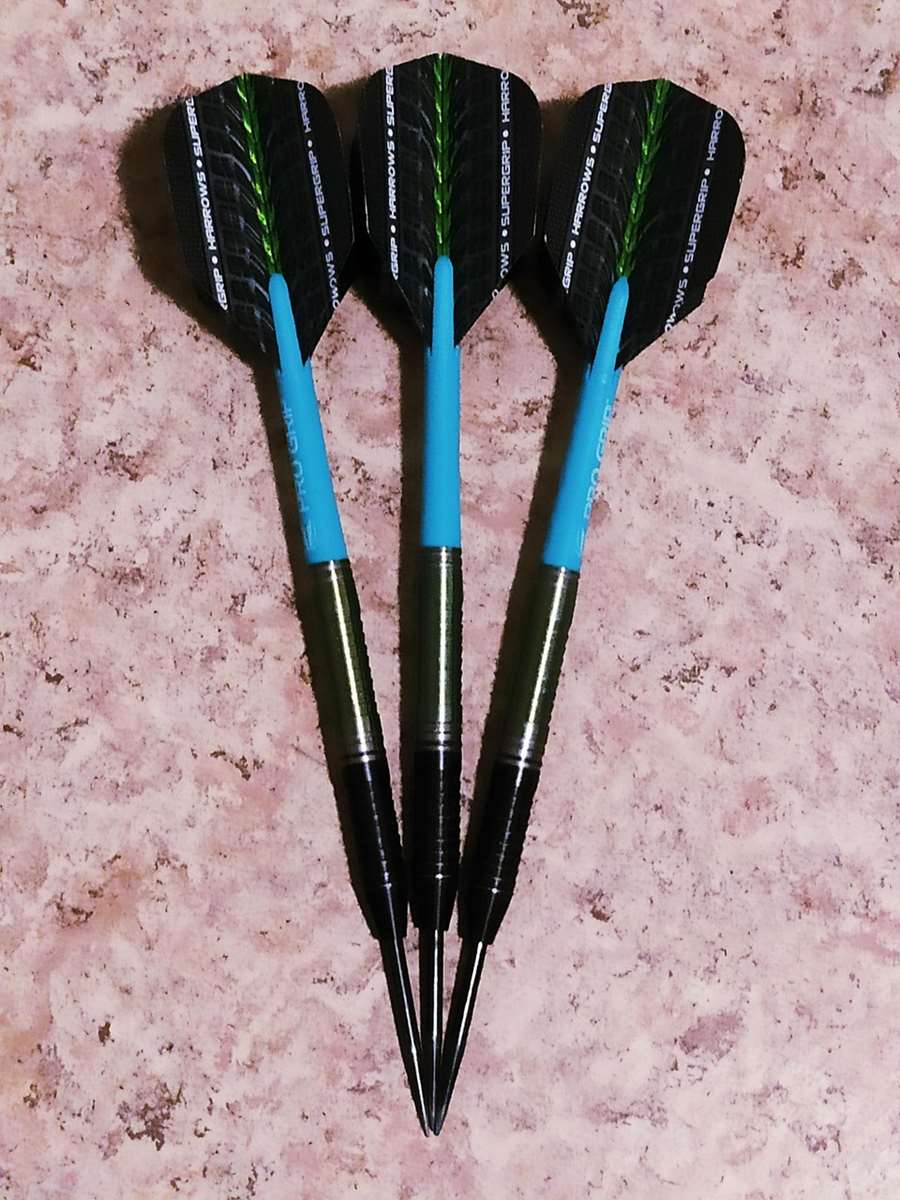
- Material: Tungsten darts are more durable and have a slimmer profile than brass darts.
Consult with experienced players or visit a darts shop to get personalized recommendations. Don’t hesitate to try out different darts before making a purchase.
Dartboard Setup and Maintenance
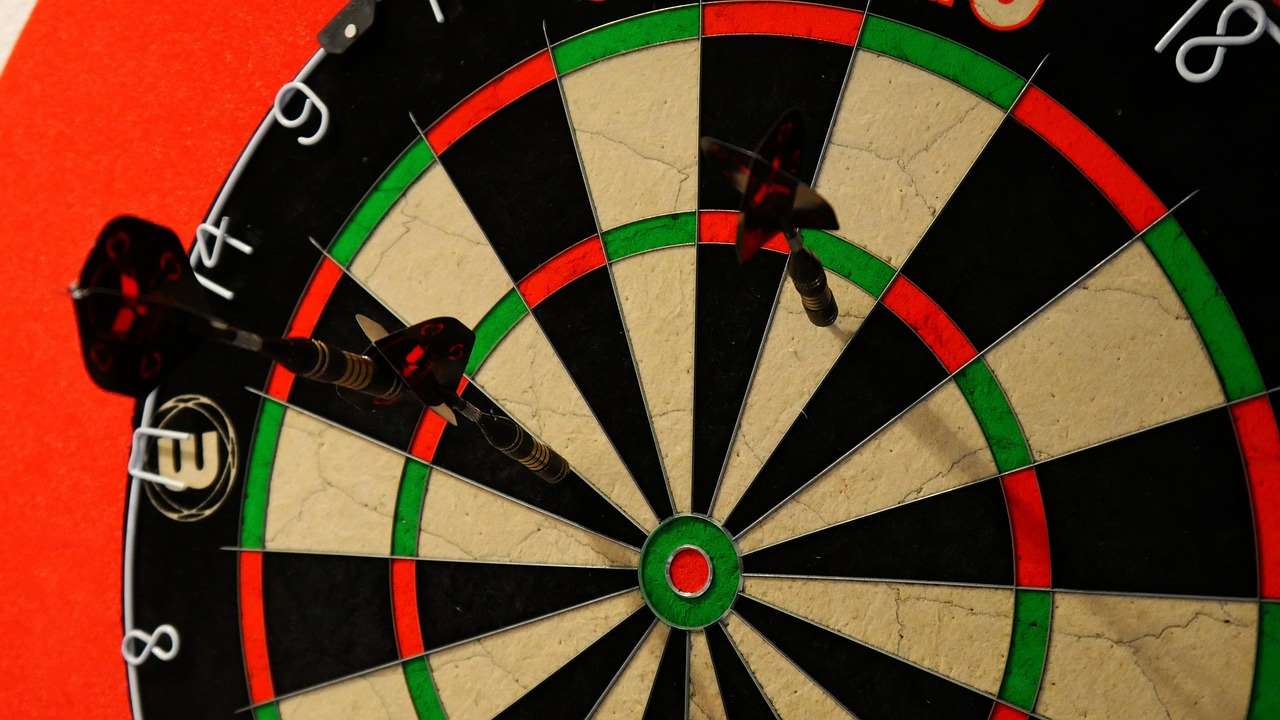
Ensure your dartboard is hung at the correct height (5 feet 8 inches to the bullseye) and distance (7 feet 9 1/4 inches from the oche). Regularly rotate your dartboard to distribute wear and tear. Replace the dartboard when it becomes too worn or damaged. Take care to extract your darts with care, too. Never yank or wiggle the dart, which can damage the board and make it harder to extract darts in the future.
Conclusion: Elevating Your Game and Chasing the Darts Score Max
Achieving a higher **darts score max** is a journey that requires dedication, practice, and a strategic approach. By focusing on perfecting your stance and grip, mastering your throwing technique, cultivating mental toughness, implementing targeted practice routines, and optimizing your equipment, you can significantly improve your game. Remember to track your progress, analyze your performance, and adjust your strategies as needed. The journey to consistently hitting 180 is a challenging but rewarding one. Take the time to invest in your growth, and watch as your scores steadily climb. Now, it’s time to pick up your darts and put these strategies into practice. Good luck, and aim for that **darts score max**!

Hi, I’m Dieter, and I created Dartcounter (Dartcounterapp.com). My motivation wasn’t being a darts expert – quite the opposite! When I first started playing, I loved the game but found keeping accurate scores and tracking stats difficult and distracting.
I figured I couldn’t be the only one struggling with this. So, I decided to build a solution: an easy-to-use application that everyone, no matter their experience level, could use to manage scoring effortlessly.
My goal for Dartcounter was simple: let the app handle the numbers – the scoring, the averages, the stats, even checkout suggestions – so players could focus purely on their throw and enjoying the game. It began as a way to solve my own beginner’s problem, and I’m thrilled it has grown into a helpful tool for the wider darts community.