Understanding a darts score diagram is fundamental to playing and enjoying the game. This article will break down the diagram section by section, explaining how points are awarded and how to calculate your score. We’ll also cover essential tips and strategies for targeting specific areas to improve your game.
⚠️ Still Using Pen & Paper (or a Chalkboard)?! ⚠️
Step into the future! The Dart Counter App handles all the scoring, suggests checkouts, and tracks your stats automatically. It's easier than you think!
Try the Smart Dart Counter App FREE!Ready for an upgrade? Click above!
Understanding the Darts Score Diagram
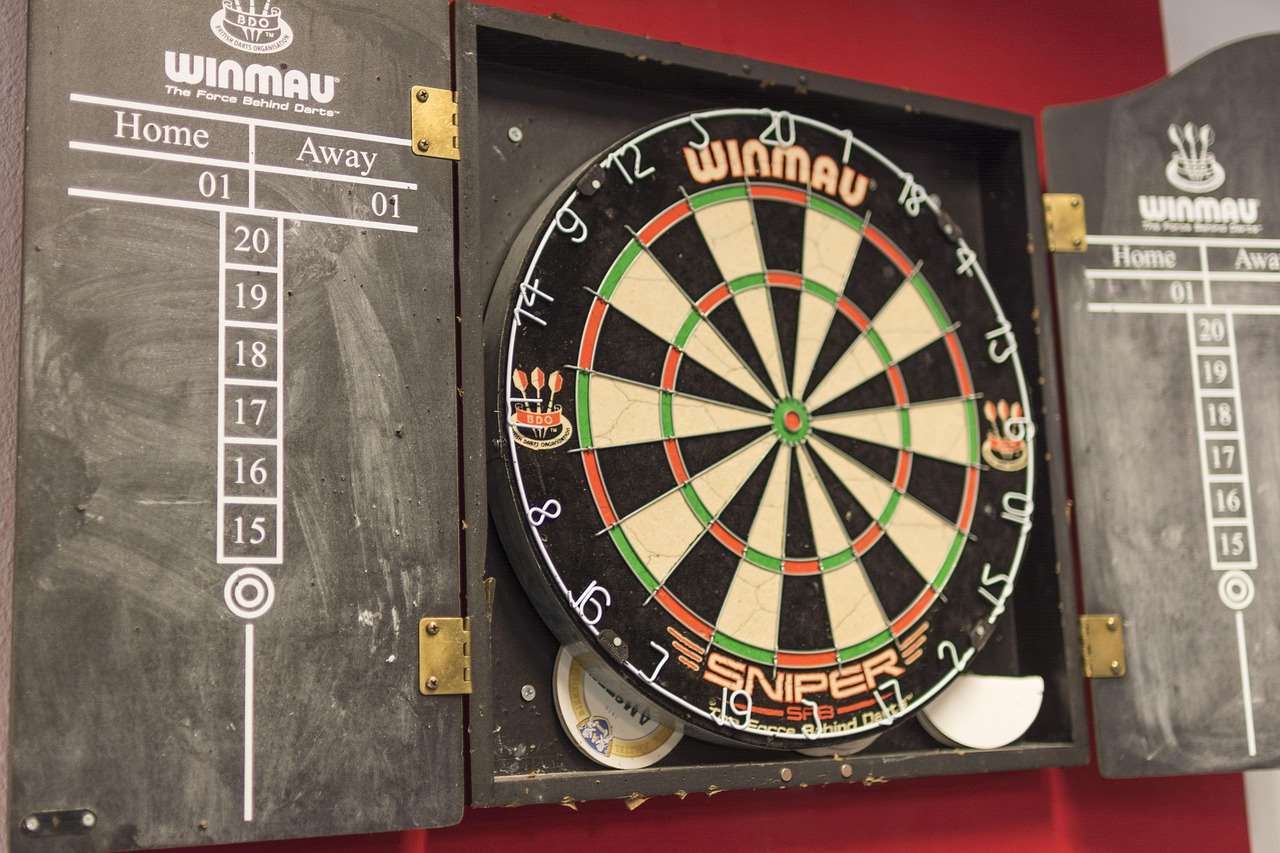
The darts score diagram, also known as a dartboard, is a circular board divided into 20 numbered sections, ranging from 1 to 20. These sections are further divided by wires (or in some cases, electronic segments) into different scoring zones. Mastering the board’s layout is the first step to becoming a better darts player.
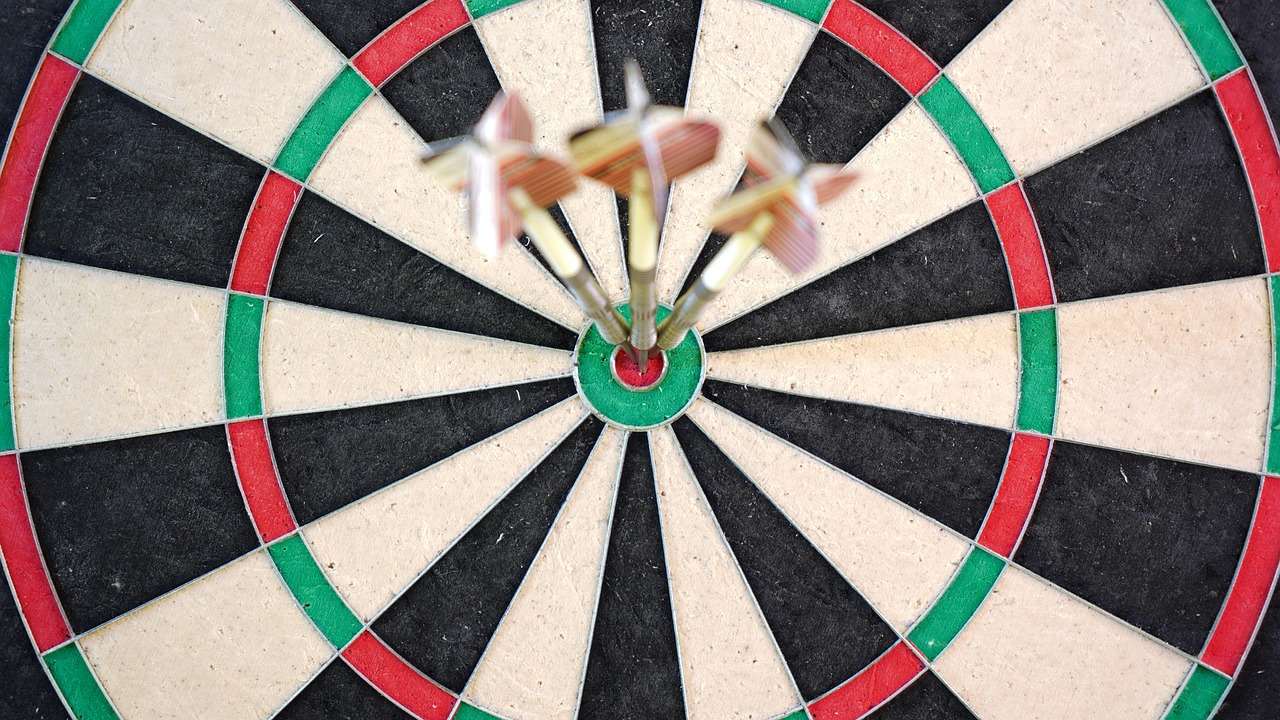
Each section is divided into single, double, and triple areas, plus the bullseye. Let’s break down each zone:
- Single Areas: The largest areas of each section represent the base value. Hitting this area scores the number of the section.
- Double Ring: The outer ring of the board. Hitting this area multiplies the section’s value by two. So, a dart in the double 20 scores 40 points.
- Triple Ring: The inner ring, smaller than the double ring. Hitting this area multiplies the section’s value by three. A dart in the triple 20 scores 60 points.
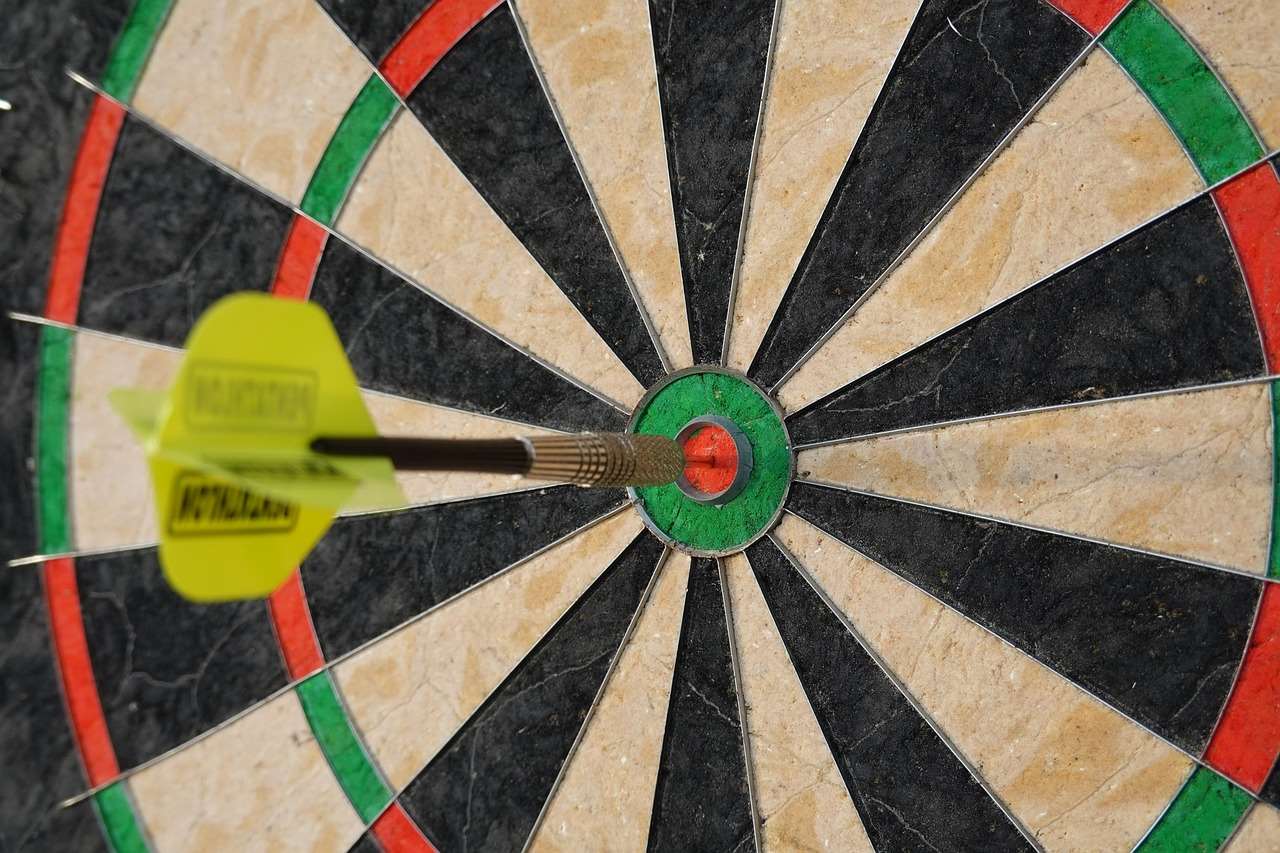
- Bullseye: The center of the board. The outer green ring is worth 25 points (often called “single bull”), while the inner red circle is worth 50 points (the “double bull” or just “bull”).
Navigating the Darts Board Layout
The arrangement of numbers on the darts score diagram might seem random, but there’s a deliberate design behind it. High numbers are positioned next to low numbers. This is to punish inaccuracy; a slight misthrow can result in a significant score difference. For example, the 20 is positioned next to the 1 and the 5. Knowing this layout is crucial for strategic play, especially when aiming for doubles or triples.
Essential Scoring Zones and Strategies
While any area of the board is a potential target, certain scoring zones are more strategically important than others. Understanding these areas can drastically improve your darts score and overall game.
The Importance of the 20
The 20 is the highest single number on the darts score diagram, making the triple 20 (60 points) the highest possible score with a single dart. Consistently hitting the triple 20 is a key skill for serious darts players. Many professional players aim for the triple 20 whenever possible, especially in the early stages of a leg.
Mastering the Doubles
In most darts games, you must finish on a double. Therefore, mastering the double zones is essential. Common targets include the double 20 (for an easy finish if you’re already close), the double 16 (a good backup if you miss the 20), and the double 12. Practice aiming for these doubles specifically to improve your finishing ability. Consider exploring how to throw darts stance to enhance your accuracy.
Strategic Targeting: Beyond the High Scores
While aiming for high scores is important, strategic targeting also involves setting up future shots. For example, if you need 81 to finish, you might aim for a single 20, followed by a single 17, leaving you with 44 (double 22). Thinking ahead and planning your shots can be just as important as consistently hitting high scores. Understanding the layout helps in identifying beneficial targets. For example, the number “3” is adjacent to the “19”, so when shooting the 19, if a dart is slightly off, there is a high likelihood it will land in the “3” area. This can create a much larger penalty than other areas of the board. Be aware of this when targeting specific zones.
Calculating Your Darts Score
Keeping track of your darts score accurately is vital. While many players use mental math, having a reliable scoring system can prevent errors and allow you to focus on your game. There are various methods for calculating scores:
- Manual Scorekeeping: The traditional method involves writing down each player’s score after each turn and subtracting it from their starting total (usually 501 or 301). This method requires concentration and accuracy.
- Darts Scoreboard Apps: Several apps are available for smartphones and tablets that automate scorekeeping. These apps often include features like automatic checkout suggestions and statistics tracking.
- Electronic Dartboards: Many modern electronic dartboards have built-in scoring systems that automatically calculate and display the score.
Regardless of the method you choose, it’s important to double-check your calculations regularly to avoid errors. If using an electronic dartboard, ensure the segments are registering darts correctly.
Checkout Charts and Strategies
Checkout charts are visual aids that show you the best possible combinations to finish a game, given your current score. These charts are especially useful for beginners and intermediate players who are still learning the common checkout routes. A typical checkout chart will show you the optimal combinations for finishing scores ranging from 170 down to 2. For example, 170 is triple 20, triple 20, bullseye; 167 is triple 20, triple 19, bullseye; and so on. Some apps like Mobile dart scorer can also display these routes. Having a checkout strategy can significantly improve your game, allowing you to finish legs more efficiently.
Tips for Improving Your Darts Game
Improving your darts score requires consistent practice, a good technique, and a strategic approach. Here are some tips to help you elevate your game:
- Practice Regularly: Consistent practice is key to developing muscle memory and improving accuracy. Aim to practice for at least 30 minutes several times a week.
- Focus on Your Stance: A stable and consistent stance is crucial for accuracy. Ensure your weight is evenly distributed and that you are comfortable and balanced.
- Develop a Consistent Throwing Motion: A smooth, repeatable throwing motion is essential for hitting your target consistently. Practice your throw until it becomes second nature.
- Aim Carefully: Take your time to aim before each throw. Visualize the dart hitting your target and focus on your breathing.
- Analyze Your Performance: Keep track of your scores and identify areas where you need to improve. Are you struggling with doubles? Are you inconsistent with your scoring darts?
- Experiment with Different Darts: Finding the right darts for your grip and throwing style can make a significant difference. Consider trying different weights, shapes, and materials. Target darts test may help you select your perfect dart.
Advanced Techniques
Once you have mastered the basics, you can start experimenting with more advanced techniques. These include:
- Grouping: Aiming for the same spot consistently to group your darts together.
- Blocking: Intentionally aiming to block your opponent from hitting a specific target.
- Setting Up Finishes: Strategically placing your darts to leave yourself with an easy checkout on your next turn.
Choosing the Right Dartboard
The quality of your dartboard can impact your darts score. A good quality dartboard will have a consistent playing surface, minimal bounce-outs, and durable construction. Here are some factors to consider when choosing a dartboard:
- Material: Sisal fiber dartboards are the most common and are known for their durability and self-healing properties. Bristle dartboards, typically made of sisal, are considered the standard for competitive play.
- Wire Construction: Look for dartboards with thin, embedded wires to minimize bounce-outs. Blade wiring systems are especially effective.
- Thickness: A thicker dartboard will generally last longer and provide a better playing experience.
- Electronic vs. Traditional: Electronic dartboards are convenient for scorekeeping, but traditional dartboards are often preferred by serious players due to their superior feel and durability. You may choose an electronic dartboard decathlon.
Maintaining Your Dartboard
Proper maintenance can extend the life of your dartboard and ensure consistent performance. Here are some tips:
- Rotate Your Dartboard: Regularly rotate your dartboard to distribute wear evenly.
- Remove Darts Properly: Avoid twisting or pulling darts out of the board. Use a dart removal tool if necessary.
- Keep Your Dartboard Clean: Wipe your dartboard with a damp cloth to remove dust and debris.
- Store Your Dartboard Properly: Store your dartboard in a cool, dry place away from direct sunlight.
Darts Etiquette and Rules
Understanding the rules and etiquette of darts is important for a fair and enjoyable game. Here are some key points:
- The Oche (Throwing Line): The oche is the line that players must stand behind when throwing their darts. The distance from the oche to the dartboard is typically 7 feet 9.25 inches. Dart oche klett may be helpful in placement.
- Throwing Order: Players typically determine throwing order by throwing a dart at the bullseye. The player whose dart is closest to the bullseye throws first.
- Scoring Disputes: If there is a dispute about a score, the players should calmly discuss the matter and try to reach an agreement. If they cannot agree, a neutral third party may be called upon to resolve the dispute.
- General Etiquette: Be respectful of your opponents and avoid distracting them while they are throwing. Wait for your turn patiently and refrain from making excessive noise or celebrating prematurely.
Conclusion
Understanding the darts score diagram is crucial for improving your game and enjoying the sport to its fullest. By familiarizing yourself with the different scoring zones, practicing your technique, and developing a strategic approach, you can significantly enhance your accuracy and overall performance. Remember to choose a quality dartboard, maintain it properly, and follow the rules and etiquette of the game. Now that you have a better understanding, go out there, practice, and aim for that perfect score! Visit le darts coullons to see some amazing players. Practice hard and maybe you can reach the dart championship 2020.

Hi, I’m Dieter, and I created Dartcounter (Dartcounterapp.com). My motivation wasn’t being a darts expert – quite the opposite! When I first started playing, I loved the game but found keeping accurate scores and tracking stats difficult and distracting.
I figured I couldn’t be the only one struggling with this. So, I decided to build a solution: an easy-to-use application that everyone, no matter their experience level, could use to manage scoring effortlessly.
My goal for Dartcounter was simple: let the app handle the numbers – the scoring, the averages, the stats, even checkout suggestions – so players could focus purely on their throw and enjoying the game. It began as a way to solve my own beginner’s problem, and I’m thrilled it has grown into a helpful tool for the wider darts community.