Mastering the art of darts is exhilarating, but ensuring a safe environment is paramount, especially for newcomers. This article provides essential darts safety tips beginners need to prevent accidents and enjoy the game responsibly. We’ll cover everything from setting up your dartboard correctly to establishing clear safety rules and understanding the importance of proper throwing techniques.
⚠️ Still Using Pen & Paper (or a Chalkboard)?! ⚠️
Step into the future! The Dart Counter App handles all the scoring, suggests checkouts, and tracks your stats automatically. It's easier than you think!
Try the Smart Dart Counter App FREE!Ready for an upgrade? Click above!
Essential Darts Safety Tips Beginners Need to Know
Darts is a fun and engaging game, but it involves sharp objects being thrown at a target. Understanding and implementing darts safety tips beginners is crucial to prevent injuries and ensure everyone has a good time. Safety isn’t just a suggestion; it’s an integral part of the game, contributing to a relaxed and enjoyable atmosphere.
These guidelines are designed to help you create a safe and enjoyable dart-playing environment. Ignoring these tips can lead to avoidable accidents and injuries, so take them seriously. Remember, responsible dart playing is fun dart playing! Before exploring fun dart game variations with modified rules, lets ensure we understand all the precautions needed to be safe.
Choosing the Right Location and Setup
The first step in ensuring dart safety is selecting the appropriate location and setting up your dartboard correctly. This involves considering the surrounding space, the type of wall you’re mounting the board on, and the presence of any obstacles.
- Clear Space: Ensure a clear, unobstructed space of at least 8-10 feet in front of the dartboard. This allows for a safe throwing distance and reduces the risk of someone accidentally walking in front of a thrower.
- Wall Protection: Mount the dartboard on a sturdy wall that can withstand the impact of errant throws. Consider using a backboard or surround to protect the wall from stray darts and prevent damage.
- No Obstacles: Keep the area around the dartboard free from furniture, fragile objects, and other potential hazards. This minimizes the risk of injury if a dart misses the board.
- Proper Lighting: Good lighting is essential for accurate throwing and reduces eye strain. Ensure the dartboard is well-lit with overhead or side lighting that doesn’t cast shadows on the board.
Establishing Clear Safety Rules
Once your dartboard is set up, it’s important to establish clear safety rules that everyone playing understands and agrees to follow. These rules should be communicated clearly and enforced consistently.
- No Throwing When Someone is in Front of the Board: This is the most fundamental safety rule. Never throw a dart if someone is standing in front of the dartboard or retrieving their darts.
- Wait Your Turn: Establish a clear order for throwing and ensure everyone waits their turn patiently. This prevents accidental collisions and ensures a safe throwing environment.
- Retrieve Darts Carefully: When retrieving darts, always approach the board cautiously and announce your intention to retrieve them. This alerts other players and prevents accidental throws while you’re close to the board.
- No Horseplay: Darts should be treated with respect. Discourage horseplay, teasing, or any behavior that could distract players or lead to accidents.
- Dart Handling: Only hold the darts by the barrel when throwing. Ensure hands are dry to avoid slippage.
Proper Dart Throwing Techniques and Considerations
Mastering the correct throwing technique not only improves your accuracy but also enhances safety. A controlled and consistent throw is less likely to go astray and cause an accident. Alongside, consider various options to adapting dart game rules for children to make it even safer for younger players.
The Stance
Your stance is the foundation of your throw. A stable and balanced stance allows for a more controlled and accurate release. Most players favor one of two primary stances:
- Side-On Stance: Stand with your throwing shoulder facing the dartboard, placing one foot slightly ahead of the other. This stance provides stability and allows for a smooth, fluid throwing motion.
- Front-On Stance: Stand with your body facing the dartboard directly. This stance may feel more natural for some players but can be less stable than the side-on stance.
Experiment with both stances to find the one that feels most comfortable and allows you to throw with the most control.
The Grip
Your grip on the dart is another crucial element of your throwing technique. A consistent grip ensures a consistent release and reduces the risk of the dart slipping or veering off course. There are many different grips, but a few common ones include:
- Two-Finger Grip: Hold the dart between your thumb and index finger, with your middle finger providing additional support.
- Three-Finger Grip: Use your thumb, index finger, and middle finger to grip the dart.
- Pencil Grip: Hold the dart like a pencil, with your thumb and index finger providing the primary grip.
The key is to find a grip that feels comfortable and secure, allowing you to release the dart smoothly and consistently. Avoid gripping the dart too tightly, as this can cause tension and affect your accuracy. Also, understanding the Basic Darts Fundamentals for Beginners will aid in developing a solid approach.
The Throw
The throwing motion should be smooth, fluid, and controlled. Avoid jerky or abrupt movements, as these can disrupt your aim and increase the risk of the dart going astray. The throw can be broken down into several phases:
- The Drawback: Bring the dart back towards your face, keeping your elbow high and your wrist firm.
- The Forward Swing: Swing your arm forward smoothly, releasing the dart as your arm extends towards the dartboard.
- The Follow-Through: Continue your arm motion after releasing the dart, pointing your fingers towards the target.
Focus on maintaining a consistent rhythm and timing throughout the throw. Practice regularly to develop muscle memory and improve your accuracy. A smooth and controlled throw minimizes the chance of wild throws and potential accidents. And be mindful to learn how to manage modifying rules for mixed-level dart players where skill level may affect play, and ultimately, safety.
Darts Equipment Safety
Using well-maintained and appropriate equipment also contributes to a safer dart-playing experience. Inspect your darts regularly and replace any damaged or worn-out parts.

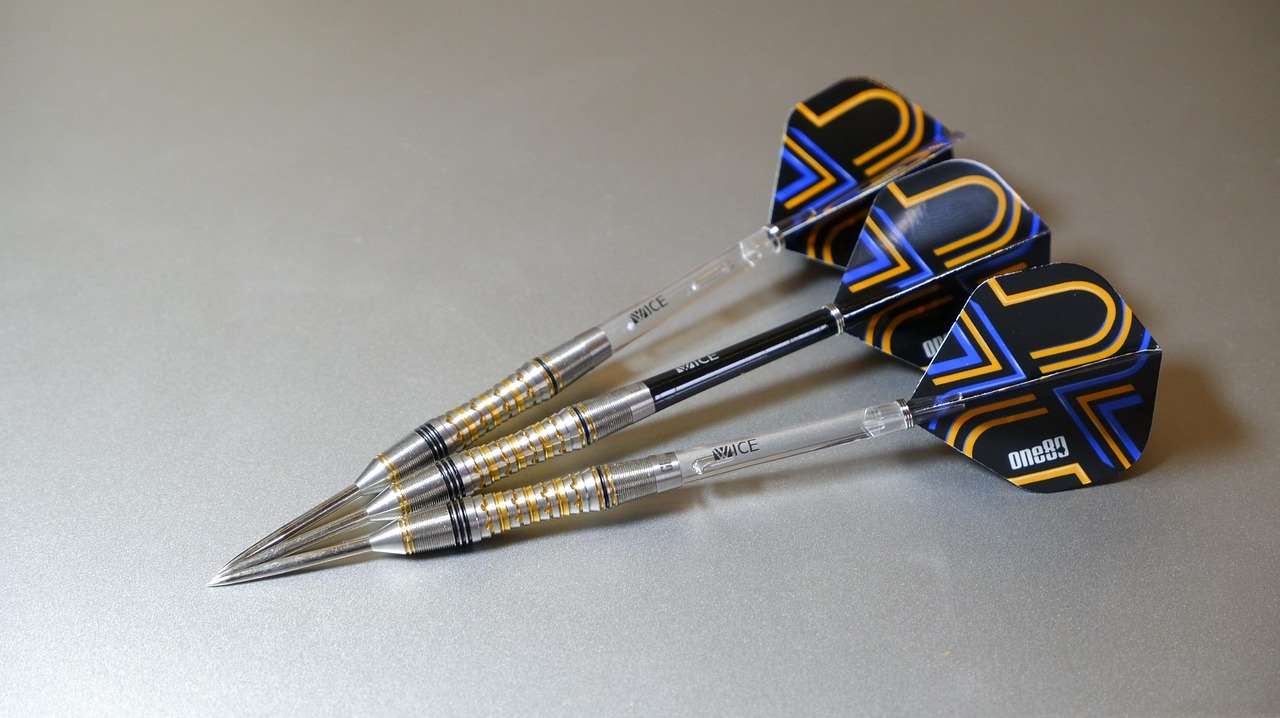
- Dart Condition: Regularly inspect your darts for any signs of damage, such as bent points, loose flights, or cracked barrels. Damaged darts can be unpredictable and increase the risk of injury.
- Dart Sharpness: Keep your dart points sharp to ensure they stick properly in the dartboard. Dull points are more likely to bounce out and cause injury. Use a dart sharpener to maintain the sharpness of your dart points.
- Flight Condition: Check your dart flights for any tears, bends, or other damage. Damaged flights can affect the dart’s trajectory and accuracy. Replace damaged flights regularly to ensure optimal performance.
- Dartboard Maintenance: Rotate your dartboard regularly to distribute wear and tear evenly. This will prolong the life of your dartboard and prevent certain sections from becoming overly worn, which can lead to bounce-outs.
Supervising Children and Beginners
When children or beginners are playing darts, it’s essential to provide close supervision and guidance. This helps to ensure they understand the safety rules and develop proper throwing techniques.
- Constant Supervision: Never leave children unattended while they are playing darts. Always be present to supervise their play and ensure they are following the safety rules.
- Simplified Rules: For young children, consider adapting the rules of the game to make it safer and more manageable. For example, you could shorten the throwing distance or use a larger, softer dartboard.
- Age-Appropriate Equipment: Use age-appropriate darts that are lightweight and have rounded points. This reduces the risk of injury if a dart is thrown improperly.
- Teaching Proper Technique: Take the time to teach children and beginners the proper throwing technique. This includes demonstrating the correct stance, grip, and throwing motion. Provide constructive feedback and encouragement to help them develop their skills.
Dealing with Bounce-Outs and Accidental Throws
Despite your best efforts, bounce-outs and accidental throws can still happen. Knowing how to react in these situations is crucial to preventing injuries.
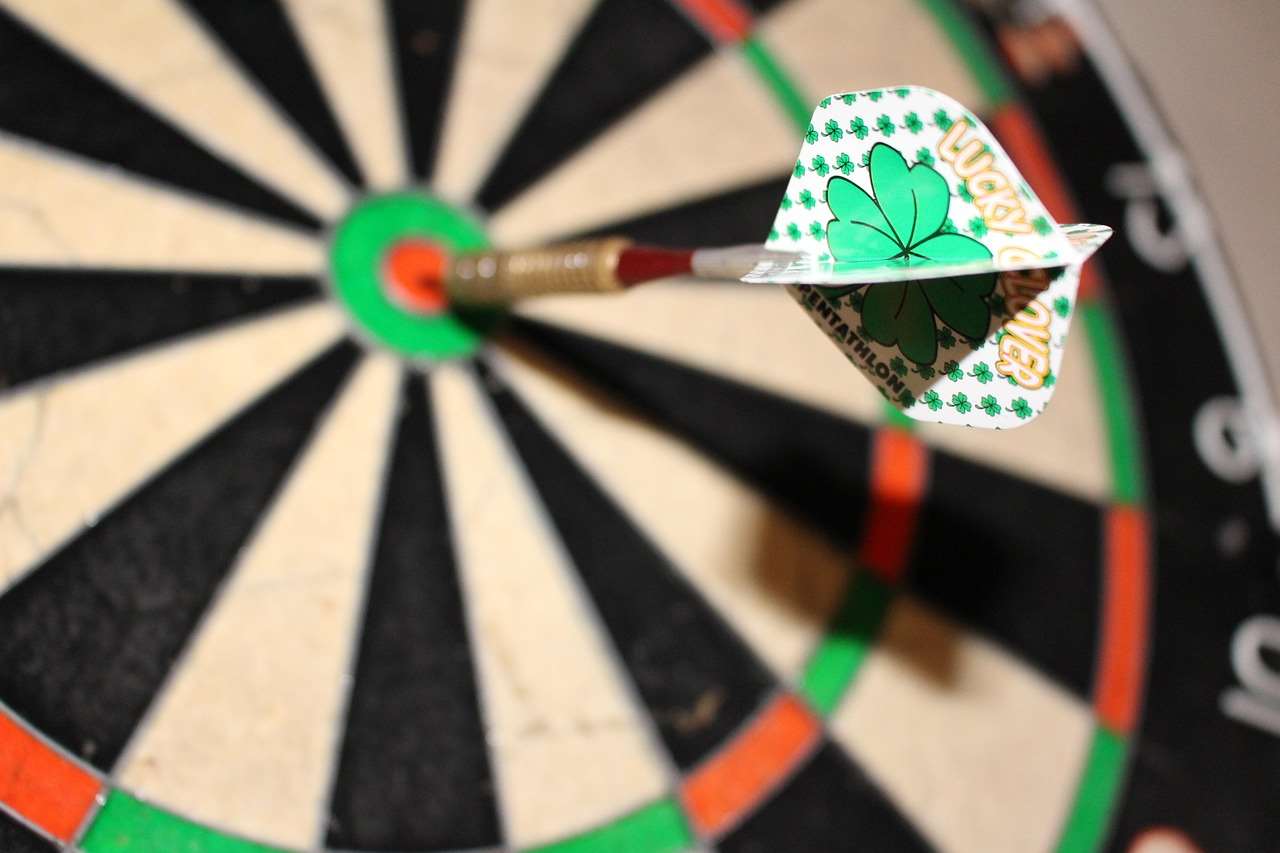
- Stay Alert: Pay attention to the dartboard and be prepared to react quickly if a dart bounces out.
- Protective Eyewear: Consider wearing safety glasses or other protective eyewear to protect your eyes from flying darts.
- Clear the Area: If a dart bounces out, immediately clear the area around the dartboard to prevent anyone from stepping on it or getting hit by it.
- Announce Accidental Throws: If you accidentally throw a dart, immediately announce it to alert other players. This gives them time to react and avoid getting hit.
First Aid and Emergency Procedures
While darts-related injuries are relatively rare, it’s important to be prepared for the possibility of an accident. Having a basic first-aid kit on hand and knowing how to respond in an emergency can help to minimize the severity of any injuries.
- First-Aid Kit: Keep a well-stocked first-aid kit near the dartboard. This kit should include bandages, antiseptic wipes, pain relievers, and other essential supplies.
- Minor Cuts and Scrapes: Clean any minor cuts or scrapes thoroughly with soap and water. Apply an antiseptic ointment and cover with a bandage.
- Puncture Wounds: If someone sustains a puncture wound from a dart, seek medical attention immediately. Do not attempt to remove the dart yourself, as this could cause further injury.
- Emergency Contact Information: Keep a list of emergency contact numbers near the dartboard, including the phone numbers for local emergency services and the nearest hospital.
Reinforcing Safe Play Habits
The more you play, the more important it is to develop a habit of safety. Encourage and remind players to always follow darts safety tips beginners and other players should adhere to. Regular reminders and positive reinforcement of safe play habits will foster a culture of safety within your dart-playing group.
- Regular Reminders: Before each game, take a few minutes to review the safety rules and reinforce their importance.
- Positive Reinforcement: Praise players who consistently follow the safety rules and encourage others to do the same.
- Lead by Example: As an experienced player, set a good example by always following the safety rules yourself.
- Open Communication: Encourage open communication about safety concerns. If someone feels uncomfortable or unsafe, encourage them to speak up.
Conclusion: Darts Safety Tips Beginners
By following these darts safety tips beginners and experienced players alike can significantly reduce the risk of accidents and injuries. Remember, a safe dart-playing environment is a fun dart-playing environment. Prioritize safety, establish clear rules, and practice responsible dart playing habits. With a little bit of preparation and attention to detail, you can enjoy the game of darts safely and responsibly for years to come. Ready to start practicing? Simplified 501 game rules for novice players are a great place to begin! Enjoy the game and stay safe!

Hi, I’m Dieter, and I created Dartcounter (Dartcounterapp.com). My motivation wasn’t being a darts expert – quite the opposite! When I first started playing, I loved the game but found keeping accurate scores and tracking stats difficult and distracting.
I figured I couldn’t be the only one struggling with this. So, I decided to build a solution: an easy-to-use application that everyone, no matter their experience level, could use to manage scoring effortlessly.
My goal for Dartcounter was simple: let the app handle the numbers – the scoring, the averages, the stats, even checkout suggestions – so players could focus purely on their throw and enjoying the game. It began as a way to solve my own beginner’s problem, and I’m thrilled it has grown into a helpful tool for the wider darts community.