Mastering your darts release technique is the key to consistent accuracy and higher scores. This article will break down the essential elements of a smooth and controlled release, helping you eliminate frustrating inconsistencies and improve your overall game. We’ll cover everything from grip and stance to follow-through, providing practical tips and drills to refine your darts technique and achieve a more fluid throw.
⚠️ Still Using Pen & Paper (or a Chalkboard)?! ⚠️
Step into the future! The Dart Counter App handles all the scoring, suggests checkouts, and tracks your stats automatically. It's easier than you think!
Try the Smart Dart Counter App FREE!Ready for an upgrade? Click above!
Understanding the Fundamentals of Your Darts Release Technique
The darts release technique is often the most overlooked aspect of the game, yet it’s arguably the most critical. A poor release can negate even the most perfect stance and arm action. The goal is to create a consistent and repeatable motion that allows the dart to leave your hand cleanly and smoothly, traveling on the intended trajectory. This involves a complex interplay of factors, from grip pressure to the angle of your wrist.
The Importance of Consistency
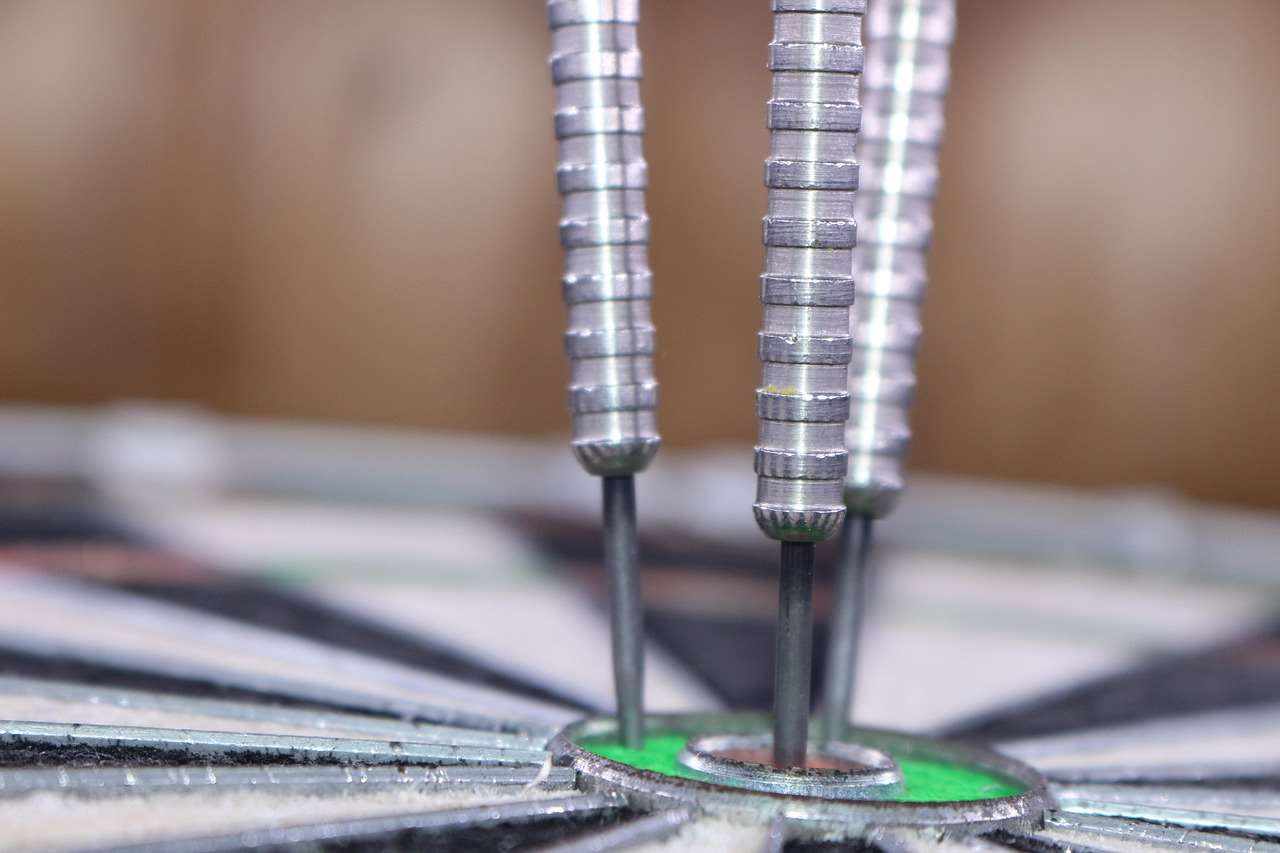
Consistency is paramount. You should strive for a darts release technique that feels natural and comfortable, allowing you to repeat the same motion time after time. This repetition builds muscle memory, which is crucial for maintaining accuracy under pressure. Any slight variation in your release point or hand position can significantly impact the dart’s flight path. Practice xqmax mvg training dartboard drills will help you develop this crucial consistency.
Key Elements of a Proper Darts Release Technique
Several key elements contribute to an effective darts release technique. Let’s examine each one in detail:
1. Grip and Finger Placement
Your grip should be firm enough to maintain control of the dart but not so tight that it restricts your hand movement. Experiment with different grip styles to find what feels most comfortable and allows for a clean release. Consider these grip points:
- Pencil Grip: Holding the dart as you would a pencil, typically between the thumb and forefinger.
- Two-Finger Grip: Using only your thumb and one finger for control.
- Three-Finger Grip: Distributing the weight between your thumb and two fingers.
Finger placement also plays a vital role. Ensure your fingers are positioned in a way that allows for a smooth and effortless release. Many players find that placing the index finger along the side of the dart provides added stability. Finding the correct **dart grip** for you is critical.
2. Stance and Posture
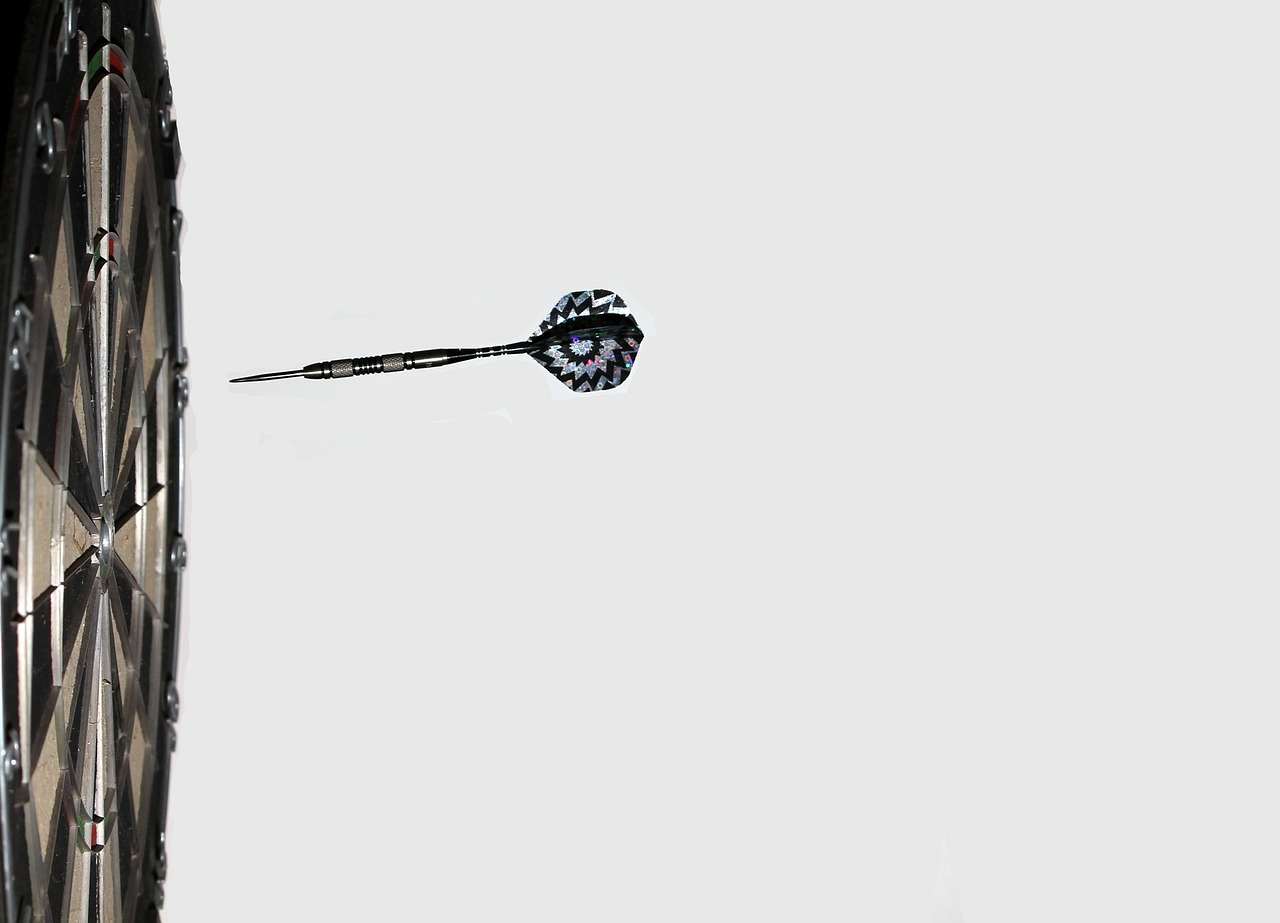
A stable and balanced stance is essential for a consistent throw. Position your body so that your weight is evenly distributed between your feet. Most players favor a slightly angled stance, with their throwing-side foot positioned closer to the oche (the throwing line). Good posture also helps maintain balance and allows for a smoother throwing motion. Remember that Practice darts app with scoring can help you assess your posture and stance. Aim to keep your upper body relatively still throughout the throw.
3. The Throwing Motion: Backswing and Forward Swing
The throwing motion should be fluid and controlled. Start with a smooth backswing, bringing the dart back towards your face. Avoid jerking or rushing the motion. As you move forward, accelerate the dart towards the target, keeping your arm aligned with your intended line of sight. The backswing and forward swing should work together seamlessly to generate power and accuracy. Focus on keeping your elbow high and stable throughout the entire motion.
4. The Release Point
The release point is the moment when the dart leaves your hand. This is arguably the most crucial aspect of the darts release technique. Strive for a consistent release point with each throw. Avoid snatching or flicking your wrist at the last moment, as this can lead to inconsistent results. Instead, focus on a smooth and controlled release, allowing the dart to naturally leave your hand as your arm extends forward.
5. The Follow-Through
The follow-through is the continuation of your arm motion after the dart has been released. A proper follow-through helps maintain accuracy and ensures that you’re completing the throwing motion fully. Extend your arm towards the target after releasing the dart, maintaining a smooth and controlled motion. Avoid stopping your arm abruptly, as this can disrupt the dart’s flight path. Many advanced players actively use a **darts follow through** technique, it can greatly improve accuracy.
Drills and Exercises to Improve Your Darts Release Technique
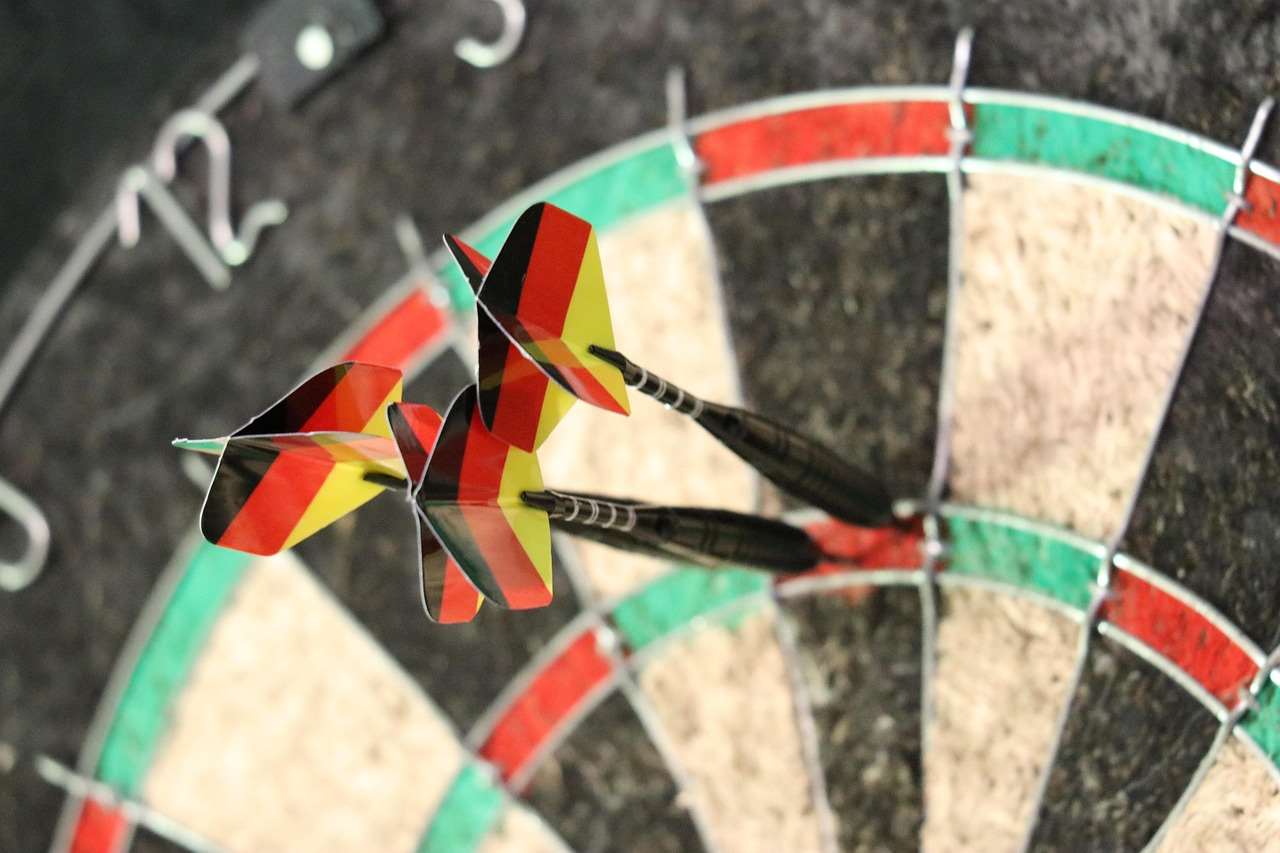
Improving your darts release technique requires dedicated practice and focused drills. Here are some exercises that can help:
1. The Mirror Drill
Stand in front of a mirror and practice your throwing motion without releasing the dart. Focus on maintaining proper form, a smooth backswing, and a consistent release point. This drill helps you visualize and refine your technique. This drill can help with correcting any **darts throwing technique** errors.
2. The One-Dart Drill
Focus on throwing just one dart at a time, paying close attention to your release. After each throw, analyze your motion and make any necessary adjustments. This drill allows you to concentrate on the details of your technique and develop greater consistency. Remember to aim for the same target each time, perhaps a darts double meaning area of the board, to increase the difficulty and hone your accuracy.
3. The Target Practice Drill
Choose a specific target on the dartboard and practice throwing multiple darts at it. Focus on maintaining a consistent release point and follow-through with each throw. This drill helps you translate your refined technique into improved accuracy on the board. Don’t get discouraged if your accuracy is off at first, keep practicing and fine-tuning your darts release technique.
4. Blind Release Drill
Close your eyes just before you release the dart. This forces you to rely on muscle memory and feel, rather than visual cues, for a consistent release. This can help to eliminate any last-second adjustments that might be throwing you off.
Common Mistakes to Avoid in Your Darts Release Technique
Many players make common mistakes that hinder their darts release technique. Being aware of these pitfalls can help you avoid them and improve your overall game:
- Gripping the Dart Too Tightly: Restricts hand movement and leads to an inconsistent release.
- Snatching at the Release: Causes the dart to veer off course.
- Flicking the Wrist: Creates erratic dart flight.
- Inconsistent Backswing: Leads to inconsistent power and accuracy.
- Poor Follow-Through: Disrupts the dart’s trajectory.
Advanced Tips for Perfecting Your Darts Release Technique
Once you’ve mastered the fundamentals, you can explore advanced techniques to further refine your release:
1. Fine-Tuning Your Grip Pressure
Experiment with subtle variations in your grip pressure to find the sweet spot that allows for maximum control and a clean release. Some players find that a slightly looser grip allows for a more natural and fluid motion, while others prefer a firmer grip for added stability.
2. Adjusting Your Stance
Slight adjustments to your stance can help improve your balance and alignment. Try experimenting with different angles and foot positions to find what feels most comfortable and allows for a consistent throw. Even advanced players sometimes have to adjust their **darts stance**.
3. Mental Visualization
Before each throw, take a moment to visualize the dart traveling on the intended trajectory and landing in the target. This mental rehearsal can help improve your focus and confidence. Visualisation is also a technique in the best leg in darts to help you visualize your success.
4. Seeking Professional Guidance
Consider seeking guidance from a qualified darts coach or experienced player. They can provide personalized feedback on your technique and help you identify areas for improvement. Even seasoned players can benefit from a fresh perspective.
Maintaining Your Darts and Equipment
While focusing on your darts release technique, don’t overlook the importance of maintaining your darts and equipment. Sharp dart points, undamaged flights, and a well-maintained dartboard all contribute to consistent performance.
- Sharpen Your Dart Points Regularly: Dull points can cause bounce-outs and damage your dartboard.
- Replace Damaged Flights: Worn or torn flights affect the dart’s flight path.
- Rotate Your Dartboard: Evenly distribute wear and tear on the board.
- Clean Your Darts Regularly: Remove dirt and grime that can affect your grip.
Conclusion: Mastering Your Darts Release Technique for Improved Accuracy
A consistent and controlled darts release technique is the cornerstone of accurate and successful darts play. By understanding the key elements, practicing regularly, and avoiding common mistakes, you can dramatically improve your game. Remember to focus on developing a technique that feels natural and comfortable for you, and don’t be afraid to experiment and make adjustments along the way. So, dedicate time to practice, focus on refining your technique, and watch your scores soar. Are you ready to take your game to the next level? Find your local double top darts wokingham pub!

Hi, I’m Dieter, and I created Dartcounter (Dartcounterapp.com). My motivation wasn’t being a darts expert – quite the opposite! When I first started playing, I loved the game but found keeping accurate scores and tracking stats difficult and distracting.
I figured I couldn’t be the only one struggling with this. So, I decided to build a solution: an easy-to-use application that everyone, no matter their experience level, could use to manage scoring effortlessly.
My goal for Dartcounter was simple: let the app handle the numbers – the scoring, the averages, the stats, even checkout suggestions – so players could focus purely on their throw and enjoying the game. It began as a way to solve my own beginner’s problem, and I’m thrilled it has grown into a helpful tool for the wider darts community.