Mastering **Darts Pub Scorekeeping** ensures fair play, accurate records, and a more enjoyable experience for everyone. This article dives into various scoring methods, from traditional chalkboards to modern electronic systems, offering tips and best practices to elevate your darts game and maintain a competitive environment.
⚠️ Still Using Pen & Paper (or a Chalkboard)?! ⚠️
Step into the future! The Dart Counter App handles all the scoring, suggests checkouts, and tracks your stats automatically. It's easier than you think!
Try the Smart Dart Counter App FREE!Ready for an upgrade? Click above!
Understanding Darts Pub Scorekeeping Methods
Effective **darts pub scorekeeping** is the backbone of any successful darts game, league, or tournament. Choosing the right method depends on factors like budget, space, and the level of technology desired. Here’s a breakdown of the most common approaches:
- Chalkboard Scoring: This is the classic, traditional method. A simple chalkboard and chalk are all you need. One person is designated as the scorer, manually deducting each player’s score from a starting point (usually 501 or 301). While cost-effective, it’s prone to human error and can be time-consuming. Good handwriting and basic arithmetic skills are essential!
- Whiteboard Scoring: Similar to chalkboard scoring, but using a whiteboard and markers. This offers a slightly cleaner look and can be easier to read. However, markers can dry out or smudge, and the board needs regular cleaning.
- Manual Scoreboards: These are physical boards with numbers that can be flipped or moved to represent each player’s score. They’re more durable than chalkboards and whiteboards and often easier to read at a glance. However, they still require manual updates and a dedicated scorer.
- Electronic Darts Scoreboards: These are becoming increasingly popular. They automatically calculate and display scores, eliminating manual errors and saving time. They often feature additional features like player statistics, game variations, and even voice prompts. While more expensive than traditional methods, they offer a significant upgrade in terms of accuracy and convenience. Consider exploring different models and features to find the perfect fit for your needs. Electronic scoreboards can even track your progress towards Building Local Darts League Club Guide and individual improvement.
- Dartboard Apps: Many mobile apps are available for scorekeeping. These are convenient for casual games but may not be suitable for serious leagues or tournaments due to potential distractions and reliance on battery power.

Essential Rules and Calculations for Darts Pub Scorekeeping
Regardless of the scoring method used, a thorough understanding of the rules and calculations is crucial for accurate **Darts Pub Scorekeeping**. Here are some key points:
- Starting Score: The most common starting scores are 501 and 301.
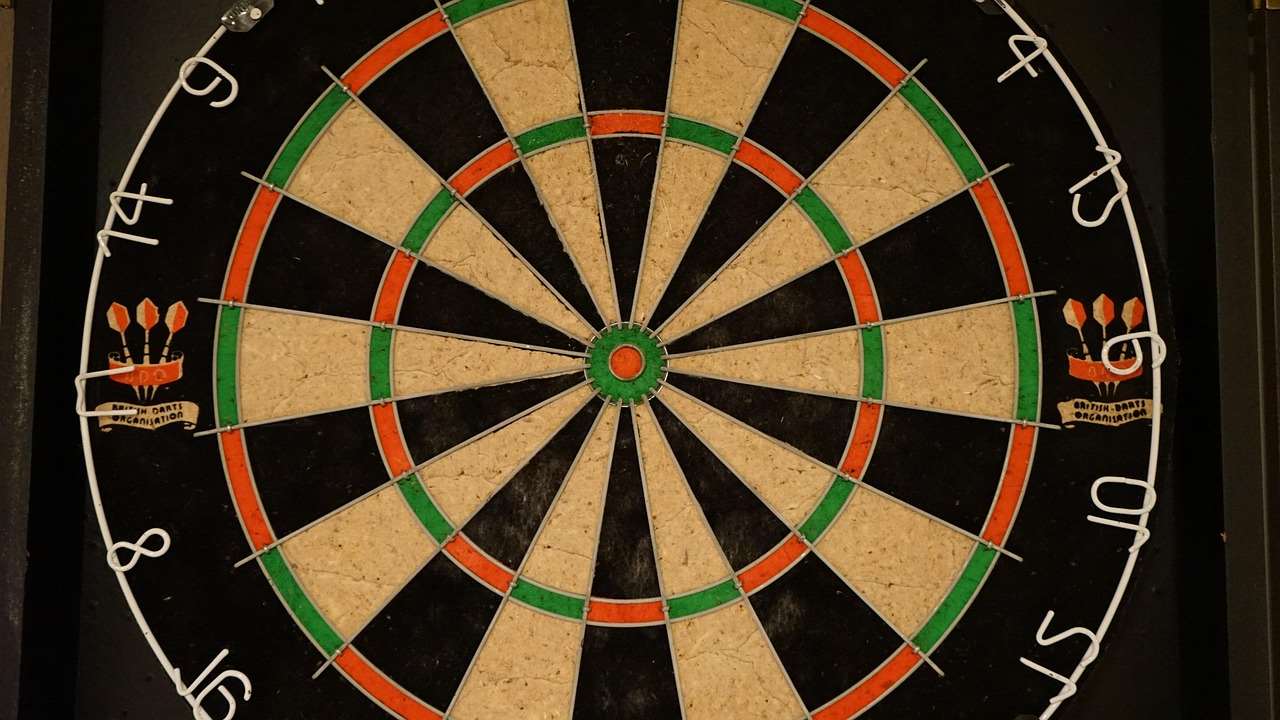
- Scoring Zones: Familiarize yourself with the dartboard’s scoring zones: single numbers, doubles (outer ring), trebles (inner ring), and the bullseye (50 points; the outer bull is worth 25).
- Bust Rule: If a player scores more points than needed to reach zero, or if their score takes them below zero, that throw is invalid, and their score reverts to what it was at the start of that round.
- Double Out: In many games, the final dart must be a double or the bullseye to win. If a player reaches zero without hitting a double or the bullseye on their final dart, the throw is invalid, and their score reverts to what it was at the start of that round. Understanding **double out** rules is paramount for accurate **darts pub scorekeeping**.
- Checking Out: “Checking out” refers to the act of finishing the game by reaching zero with a double or bullseye.
- Calculating Scores Quickly: Practice mental arithmetic to quickly calculate scores and deductions. This will speed up the game and reduce the risk of errors.
Accurate calculation requires focus and attention to detail. Encourage players to announce their scores clearly and double-check the scorer’s calculations. This helps prevent disputes and ensures fair play. Ensuring fairness in your dart game requires a commitment to good **darts pub scorekeeping** practices.
Tips for Effective Scorekeeping
Here are some additional tips to enhance your scorekeeping skills:
- Pay Attention: Focus solely on the game and avoid distractions.
- Be Clear and Concise: Clearly announce each player’s score after each throw.
- Double-Check: Verify the score with the players before moving on.
- Use Consistent Notation: Develop a consistent method for recording scores (e.g., using slashes or arrows to indicate deductions).
- Stay Organized: Keep the scoring area tidy and free of clutter.
The Role of Technology in Modern Darts Pub Scorekeeping
Technological advancements have revolutionized **darts pub scorekeeping**, offering numerous benefits over traditional manual methods. Electronic scoreboards, dartboard apps, and online platforms are transforming the way darts games are played and managed. These tools provide enhanced accuracy, efficiency, and convenience.
- Accuracy: Electronic scoreboards eliminate manual errors, ensuring accurate scorekeeping.
- Efficiency: Automatic calculations save time and effort, allowing players to focus on the game.
- Features: Many electronic scoreboards offer additional features such as player statistics, game variations, and voice prompts.
- Connectivity: Some systems connect to online platforms, allowing players to track their progress, compete in virtual tournaments, and share their results with others.
While technology offers significant advantages, it’s important to consider the potential drawbacks. Electronic scoreboards can be expensive, and reliance on technology can lead to problems if the equipment malfunctions. In such cases, it’s always wise to have a backup plan, such as a chalkboard or whiteboard. Ultimately, the best approach is to find a balance between technology and traditional methods, selecting the tools that best suit your needs and preferences. By integrating effective scorekeeping, you can help with Promoting Local Darts events and attracting more participants.
Furthermore, ensure that everyone involved understands the selected technology and its functionalities. Providing basic training or tutorials can prevent confusion and ensure that everyone can use the system effectively.
Addressing Disputes and Maintaining Fair Play in Darts Pub Scorekeeping
Even with the best scorekeeping practices, disputes can sometimes arise. It’s important to have a clear process for resolving disagreements and maintaining fair play. Here are some guidelines:
- Designate a Referee: For serious games or tournaments, appoint a neutral referee to oversee the scoring and resolve any disputes.
- Review the Rules: Ensure that all players are familiar with the official rules of the game.
- Consult the Dartboard: Carefully examine the position of the darts on the dartboard to determine the correct score.
- Replay the Throw: In some cases, it may be necessary to replay the throw to resolve a dispute.
- Maintain a Calm Demeanor: Avoid getting into heated arguments. Remain calm and respectful throughout the dispute resolution process.
- Final Decision: The referee’s decision should be final and binding.
By establishing clear guidelines and procedures, you can minimize disputes and ensure that all players have a fair and enjoyable experience. Upholding fair play is crucial for fostering a positive **Darts Culture And Community Guide**. A well-defined dispute resolution process is essential for maintaining the integrity of the game. Effective **darts pub scorekeeping** can also involve digital logs for audit trails. When it comes to fairness, consider how your How To Start A Darts League manages scoring disagreements.
Advanced Strategies and Variations in Darts Pub Scorekeeping
Beyond the basic rules and calculations, there are several advanced strategies and variations that can add depth and excitement to your darts games. Understanding these can enhance your scorekeeping skills and improve your overall gameplay.
- Handicapping: Handicapping involves adjusting the starting scores of players based on their skill level. This allows players of different abilities to compete fairly.
- Team Games: Team games, such as doubles or triples, require coordinating scores and strategies among team members.
- Variations: Experiment with different game variations, such as “Around the Clock,” “Killer,” or “Shanghai.” Each variation has its own unique scoring rules and challenges.
- Calculating Outs: Advanced players often calculate their “outs” (the best possible sequence of throws to finish the game) in advance. This requires careful planning and mental arithmetic.
Mastering these advanced strategies and variations can elevate your **darts pub scorekeeping** skills to the next level. It demonstrates a deeper understanding of the game and enhances your ability to adapt to different situations. Embrace the challenge and explore the many possibilities that darts has to offer. Also, ensure all advanced scoring tactics are clearly explained for new players. Improving your scorekeeping can influence the growth of your Organizing Local Darts League.
Maintaining Equipment and Scorekeeping Materials
Proper maintenance of your darts equipment and scorekeeping materials is essential for ensuring accurate scores and a smooth gaming experience. Here are some tips for maintaining your equipment:
- Dartboard Maintenance: Rotate your dartboard regularly to distribute wear and tear evenly. Clean the dartboard with a soft brush to remove dust and debris.
- Dart Maintenance: Sharpen your dart points regularly to ensure they stick properly in the dartboard. Replace damaged flights and stems.
- Scorekeeping Materials: Keep your chalkboards, whiteboards, and markers clean and in good condition. Replace batteries in electronic scoreboards as needed.
By following these simple maintenance tips, you can extend the life of your equipment and ensure that your games are always played fairly and accurately. Regularly maintaining your scorekeeping items is key to successful **Darts Pub Scorekeeping**. Investing in high-quality equipment and taking good care of it will pay off in the long run. Make sure your Darts League Management Tips include guidance on equipment care.
Conclusion
**Darts Pub Scorekeeping** is more than just adding up numbers; it’s about upholding fair play, enhancing the game’s enjoyment, and fostering a sense of community. Whether you opt for a classic chalkboard or a high-tech electronic system, mastering the rules, calculations, and best practices is essential. Remember to address disputes fairly, maintain your equipment, and explore advanced strategies to elevate your scorekeeping skills and overall darts experience. Ready to step up your game? Practice these tips and consider joining a local darts league to put your new skills to the test!

Hi, I’m Dieter, and I created Dartcounter (Dartcounterapp.com). My motivation wasn’t being a darts expert – quite the opposite! When I first started playing, I loved the game but found keeping accurate scores and tracking stats difficult and distracting.
I figured I couldn’t be the only one struggling with this. So, I decided to build a solution: an easy-to-use application that everyone, no matter their experience level, could use to manage scoring effortlessly.
My goal for Dartcounter was simple: let the app handle the numbers – the scoring, the averages, the stats, even checkout suggestions – so players could focus purely on their throw and enjoying the game. It began as a way to solve my own beginner’s problem, and I’m thrilled it has grown into a helpful tool for the wider darts community.