Stepping into a **darts pub for beginners** can feel intimidating, but it doesn’t have to be! This article is your comprehensive guide to navigating the world of pub darts, from understanding the basics to throwing your first bullseye (or at least getting close). We’ll cover the rules, etiquette, equipment, and essential techniques to help you confidently join the fun.
⚠️ Still Using Pen & Paper (or a Chalkboard)?! ⚠️
Step into the future! The Dart Counter App handles all the scoring, suggests checkouts, and tracks your stats automatically. It's easier than you think!
Try the Smart Dart Counter App FREE!Ready for an upgrade? Click above!
Embracing the World of the Darts Pub For Beginners
The allure of the **darts pub for beginners** often stems from the social atmosphere and the thrill of competition. However, walking into a pub where seasoned players are honing their skills can be daunting if you’re new to the game. Fear not! This guide aims to demystify the experience and equip you with the knowledge and confidence to enjoy your time at the oche.
Before diving into the specifics of playing, it’s important to understand the welcoming nature of most darts pubs. Darts is a game enjoyed by people of all ages and backgrounds, and many pubs actively encourage newcomers. Don’t be afraid to ask questions, observe other players, and most importantly, have fun!

Understanding the Basics: Darts Rules and Gameplay
The most popular version of darts played in pubs is **501**. Here’s a simplified breakdown of the rules:
- Objective: To be the first player to reduce your score from 501 to exactly zero.
- Turns: Players take turns throwing three darts at the dartboard.
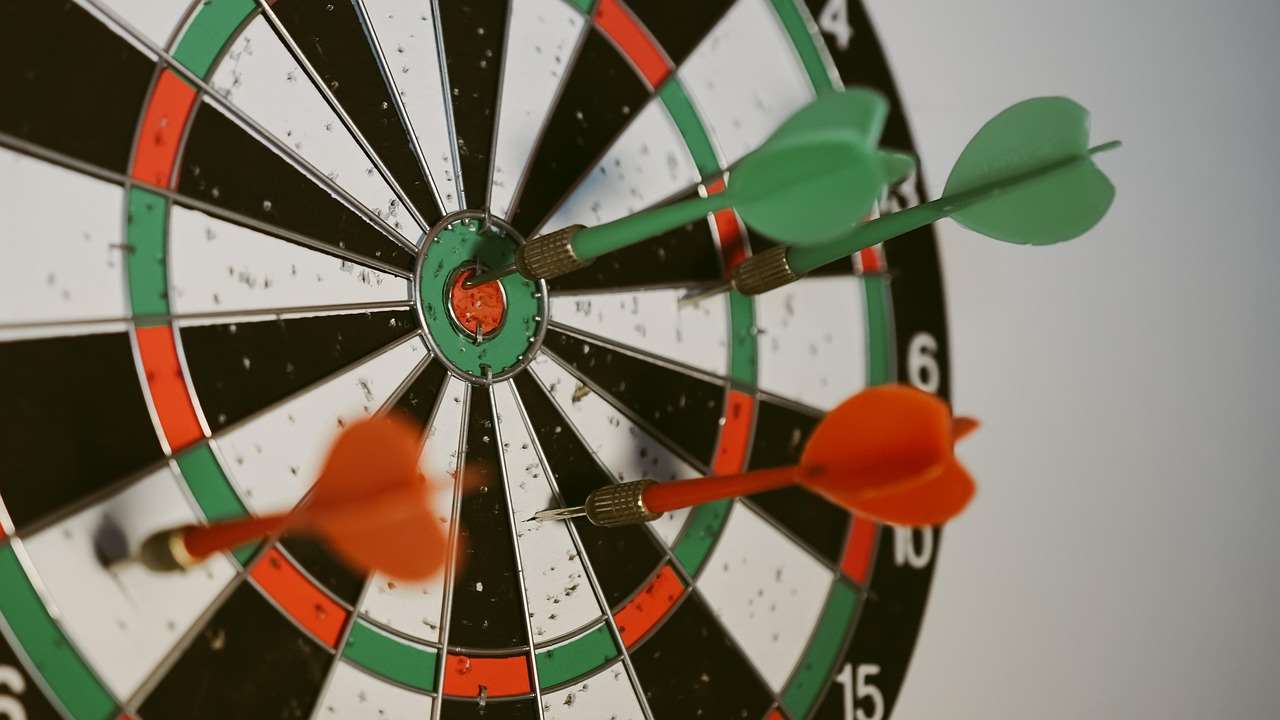
- Scoring: Points are awarded based on where the darts land on the board. The board is divided into numbered sections (1-20), a double ring, a treble ring, and a bullseye.
- Double Out: The final dart thrown must land in a double or the bullseye to reach zero. If you go below zero, your score returns to what it was before you threw those darts.
- Bust: If a player scores more points than needed to reach zero, or if they don’t finish with a double or bullseye, it’s a bust, and the turn ends with no score change.
Understanding these basic rules is the first step in becoming comfortable in a **darts pub for beginners**. There are variations of darts games, but 501 is the most common and a great starting point.
Decoding the Dartboard: Target Areas and Scoring
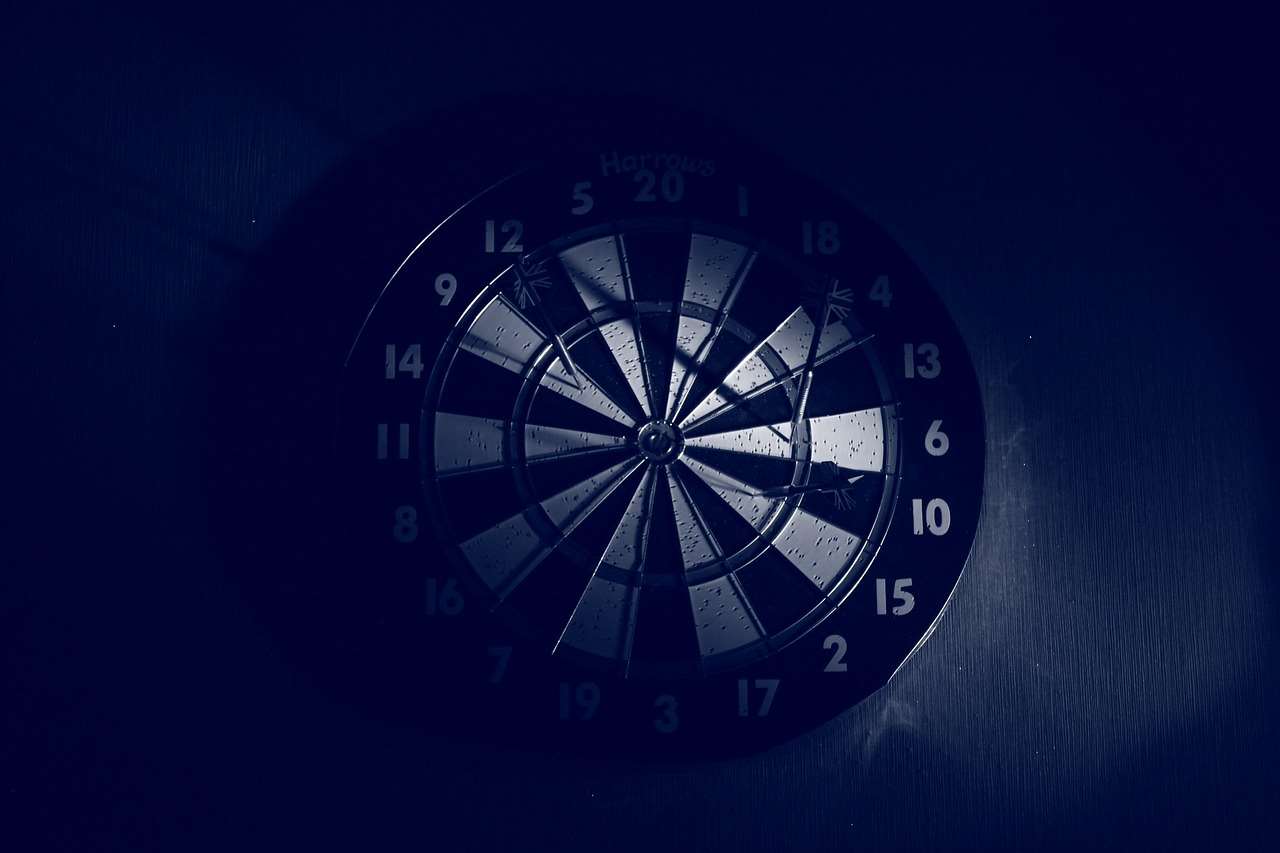
Familiarizing yourself with the dartboard’s layout is crucial. Here’s a quick guide:
- Numbered Sections: The main areas are numbered 1 to 20.
- Double Ring (Outer Ring): Landing a dart in this ring doubles the value of the corresponding number.
- Treble Ring (Inner Ring): Landing a dart in this ring triples the value of the corresponding number.
- Bullseye (Center): The outer bullseye is worth 25 points, and the inner bullseye (double bull) is worth 50 points.
Strategically aiming for doubles and trebles is key to quickly reducing your score in a game of 501. Don’t underestimate the importance of aiming for the **double ring** for crucial finishes.
Essential Darts Pub Etiquette For Beginners
Beyond the rules, understanding the unspoken rules of darts pub etiquette ensures you’re a welcome addition to the game. These unwritten rules contribute to a respectful and enjoyable environment for everyone:
- Respect for Other Players: Avoid talking or moving around while a player is throwing.
- Board Courtesy: Don’t retrieve your darts until your opponent has thrown theirs.
- Chalkboard/Scoring: If you’re keeping score, do so accurately and clearly.
- Be a Good Sport: Win or lose, congratulate your opponent and maintain a positive attitude. You can learn more about the **Darts Culture And Community Guide** in our article by clicking here.
- Avoid Distractions: Keep noise levels down and avoid unnecessary distractions during gameplay.
Following these simple etiquette guidelines will help you integrate seamlessly into the **darts pub for beginners** scene and earn the respect of other players.

Choosing Your Darts: A Beginner’s Guide
While most darts pubs provide house darts, investing in your own set can significantly improve your game and comfort level. Here’s what to consider when choosing darts:
- Weight: Darts typically range from 20 to 26 grams. Beginners often find darts in the 22-24 gram range comfortable.
- Grip: Experiment with different grip styles (smooth, knurled, ringed) to find what feels most secure and natural in your hand.
- Material: Brass darts are a budget-friendly option for beginners. Tungsten darts are denser and more durable, but also more expensive.
- Shafts and Flights: These components affect the dart’s flight path. Experiment with different lengths and shapes to find what works best for your throwing style.
Visiting a local darts shop is a great way to try out different darts and get expert advice. Don’t hesitate to ask questions and seek guidance from experienced players.
Dart Maintenance: Keeping Your Darts in Top Condition
Proper dart maintenance ensures they perform optimally and last longer. Here are some tips:
- Sharpen Your Points: Use a dart sharpener to keep the points sharp for better board penetration.
- Clean Your Darts: Wipe your darts regularly with a soft cloth to remove dirt and grime.
- Replace Damaged Flights: Replace torn or damaged flights to maintain accurate flight paths.
- Tighten Shafts: Ensure your shafts are securely tightened to prevent wobbling during flight.
Taking care of your darts is a small investment that can significantly improve your game and extend the lifespan of your equipment. Remember to maintain your **dart throwing** grip.
Mastering the Throw: Basic Darts Techniques For Beginners
Developing a consistent and accurate throw is the foundation of successful darts play. Here are some essential techniques to focus on:
- Stance: Find a comfortable and balanced stance with one foot forward and the other slightly behind.
- Grip: Hold the dart firmly but not too tightly.
- Aiming: Focus your eyes on the target and visualize the dart hitting the desired spot.
- Arm Motion: Keep your upper arm still and use a smooth, fluid motion from your elbow.
- Follow Through: Extend your arm fully towards the target after releasing the dart.
Practice is key to developing a consistent throw. Start by focusing on accuracy rather than power and gradually increase your throwing speed as you become more comfortable. Don’t be afraid to **experiment with grip styles** to find what works best for you.
Common Mistakes to Avoid When Playing Darts
Even experienced players make mistakes, but recognizing common pitfalls can help you avoid them and improve your game:
- Gripping Too Tightly: A tight grip can restrict your arm motion and reduce accuracy.
- Jerky Throwing Motion: A smooth, fluid motion is essential for consistent throws.
- Taking Your Eye Off the Target: Maintain focus on the target throughout the entire throwing motion.
- Ignoring Your Stance: A stable and balanced stance is crucial for accuracy.
- Not Practicing Regularly: Consistent practice is essential for developing muscle memory and improving your skills.
By being aware of these common mistakes and actively working to correct them, you can accelerate your progress and avoid developing bad habits. You may even want to consider **Promoting Local Darts** games and leagues!
Building Confidence: Practice Drills for Darts Pub Beginners
Regular practice is essential for improving your darts skills. Here are some simple drills you can use to build confidence and accuracy:
- Around the Clock: Start at 1 and try to hit each number on the board in sequence.
- Doubles Practice: Focus on hitting specific doubles to improve your finishing skills.
- Trebles Practice: Aim for the treble 20 to improve your scoring power.
- Bullseye Practice: Aim for the bullseye to improve your accuracy in the center of the board.
Set realistic goals for each practice session and track your progress to stay motivated. Even short, focused practice sessions can yield significant improvements over time. Think about joining a **darts league**.
Beyond the Basics: Strategic Play and Mental Game
As you become more comfortable with the basics, you can start to incorporate strategic thinking into your game. This involves planning your throws to maximize your scoring potential and set up favorable finishes.
- Scoring Strategy: Aim for the treble 20 (T20) as your primary scoring target.
- Finishing Strategy: Plan your throws to leave yourself with a manageable double to finish.
- Opponent Awareness: Pay attention to your opponent’s scoring and adjust your strategy accordingly.
- Mental Game: Stay focused and positive, even when you’re not playing your best.
The mental aspect of darts is often overlooked, but it can be just as important as physical skill. Developing a strong mental game can help you stay calm under pressure and make better decisions. Remember that **darts pub for beginners** should be fun! Consider starting a **How To Build A Darts Club** and get some friends involved.
Finding Your Local Darts Pub and Community
One of the best ways to improve your darts game and enjoy the social aspect of the sport is to find a local darts pub and connect with other players. Here are some tips for finding a suitable venue:
- Online Search: Use online search engines to find pubs in your area that have dartboards.
- Ask Around: Ask friends, family, or colleagues if they know of any good darts pubs.
- Visit Local Pubs: Explore different pubs in your area and see if they have a darts scene.
- Join a Darts League: Joining a local darts league is a great way to meet other players and improve your skills.
Once you’ve found a few potential venues, visit them during darts nights to observe the atmosphere and see if it’s a good fit for you. Don’t be afraid to introduce yourself to other players and ask if they’re willing to play a game.

Continuing Your Darts Journey
Mastering darts is a continuous process of learning, practicing, and refining your skills. Here are some ways to continue your darts journey:
- Watch Professional Darts: Observe the techniques and strategies of professional darts players.
- Read Darts Books and Articles: Learn from the experts and expand your knowledge of the game.
- Join a Darts Club: Joining a darts club provides access to coaching, competitions, and a supportive community.
- Practice Regularly: Consistent practice is essential for maintaining and improving your skills.
Most importantly, remember to have fun and enjoy the process of learning and improving your darts game. The **darts pub for beginners** environment is a welcoming one and offers a great way to improve your **darts throwing** technique and meet new friends.
Conclusion: Your First Steps in the Darts Pub For Beginners World
Embarking on your darts journey in a **darts pub for beginners** is an exciting adventure. By understanding the rules, etiquette, and basic techniques, you can confidently step up to the oche and enjoy the thrill of the game. Remember to practice regularly, be a good sport, and most importantly, have fun! So, grab some darts, head to your local pub, and start your journey to becoming a darts pro (or at least a respectable pub player!). Now that you have a comprehensive overview of **darts for beginners**, why not explore our guide on how to start a darts league and bring the fun to your community?

Hi, I’m Dieter, and I created Dartcounter (Dartcounterapp.com). My motivation wasn’t being a darts expert – quite the opposite! When I first started playing, I loved the game but found keeping accurate scores and tracking stats difficult and distracting.
I figured I couldn’t be the only one struggling with this. So, I decided to build a solution: an easy-to-use application that everyone, no matter their experience level, could use to manage scoring effortlessly.
My goal for Dartcounter was simple: let the app handle the numbers – the scoring, the averages, the stats, even checkout suggestions – so players could focus purely on their throw and enjoying the game. It began as a way to solve my own beginner’s problem, and I’m thrilled it has grown into a helpful tool for the wider darts community.