The secret to improving your dart game isn’t just about repetition; it’s about finding ways to increase the **darts practice enjoyment factor**. When you genuinely enjoy your practice sessions, you’re more likely to stay consistent, focused, and ultimately, see better results. This article explores various strategies to make your darts practice more engaging and rewarding, covering everything from setting realistic goals to incorporating fun games and tracking your progress.
⚠️ Still Using Pen & Paper (or a Chalkboard)?! ⚠️
Step into the future! The Dart Counter App handles all the scoring, suggests checkouts, and tracks your stats automatically. It's easier than you think!
Try the Smart Dart Counter App FREE!Ready for an upgrade? Click above!
Why the Darts Practice Enjoyment Factor Matters
Let’s face it, throwing dart after dart at the same board can become monotonous. This is where understanding the importance of the darts practice enjoyment factor becomes crucial. When practice feels like a chore, motivation plummets, and progress stagnates. A positive and enjoyable practice environment, on the other hand, fosters a growth mindset, encourages experimentation, and makes you eager to pick up your darts. This sustained enthusiasm is the key to long-term improvement.
Furthermore, a positive mindset helps you bounce back from setbacks more effectively. Darts is a game of precision and mental fortitude. An enjoyable practice session can build your confidence and resilience, preparing you to handle the pressures of competition. Think of it like this: if you’re dreading practice, you’re less likely to be fully present and focused, which reduces the effectiveness of your training.
Setting Achievable Goals for Maximum Enjoyment
One of the biggest demotivators in any skill-based activity, including darts, is setting unrealistic goals. Aiming to become a world champion overnight is a recipe for disappointment. Instead, focus on setting small, achievable goals that you can realistically accomplish. These could include:
- Improving your average score by a certain amount each week.
- Consistently hitting a specific target number (e.g., treble 20) a certain number of times per practice session.
- Reducing the number of missed doubles in your game.
Celebrating these small victories will boost your confidence and make practice feel more rewarding. Remember, progress in darts is a marathon, not a sprint. Breaking down your long-term aspirations into manageable steps makes the journey much more enjoyable and sustainable. A great way to track this type of progress is through consistent record-keeping of your dart throwing accuracy over time.
Incorporating Fun and Engaging Practice Games
Repetitive drills can be useful, but they can also quickly lead to boredom. Introducing variety into your practice routine is essential for maintaining your **darts practice enjoyment factor**. Here are some fun and engaging dart games you can incorporate:
- Around the World: Throw at each number on the board in sequence, starting with 1 and ending with 20. This helps improve your accuracy across the entire board.
- Cricket: A classic dart game that focuses on hitting specific numbers and closing them out before your opponent. Understanding Darts Variants Fun Games can further improve your game.
- Killer: Each player has a number and must hit it to become a “killer,” then hit the other players’ numbers to eliminate them. This game adds a competitive element to your practice.
- Shanghai: Try to score a single, double, and treble of a specific number in one turn. This is a great way to improve your scoring ability. Many people don’t know about old dart games rules!
Experiment with different games and find the ones you enjoy the most. You can also create your own variations to keep things fresh and challenging. The key is to make practice feel less like a task and more like a fun and engaging activity.
Tracking Your Progress and Celebrating Success
Keeping track of your progress is a powerful motivator. It allows you to see how far you’ve come and provides tangible evidence of your improvement. There are several ways to track your progress:
- Use a dart scoring app or website: Many apps and websites allow you to record your scores and track your statistics.
- Keep a practice journal: Write down your scores, the games you played, and any specific areas you focused on.
- Take videos of your throws: This can help you identify areas for improvement and track changes in your technique over time.
When you achieve a goal, celebrate your success! Reward yourself with something you enjoy, whether it’s a new set of darts, a night out with friends, or simply some time to relax. Recognizing and celebrating your accomplishments will reinforce positive habits and further enhance your **darts practice enjoyment factor**.
Optimizing Your Practice Environment
The environment in which you practice can significantly impact your motivation and focus. A cluttered, noisy, or uncomfortable space can be distracting and demotivating. Here are some tips for creating an optimal practice environment:
- Ensure adequate lighting: Good lighting is essential for accurate aiming.
- Minimize distractions: Turn off your phone, put on some calming music, and let others know you need some uninterrupted practice time.
- Maintain a comfortable temperature: Being too hot or too cold can be distracting.
- Keep your equipment organized: Having your darts, flights, and other accessories readily available will save you time and frustration.
A clean, organized, and comfortable practice space will create a more conducive environment for focused practice and increased enjoyment. Some players might even enjoy researching historical dart game variations as a fun break.
Experimenting with Different Darts and Equipment
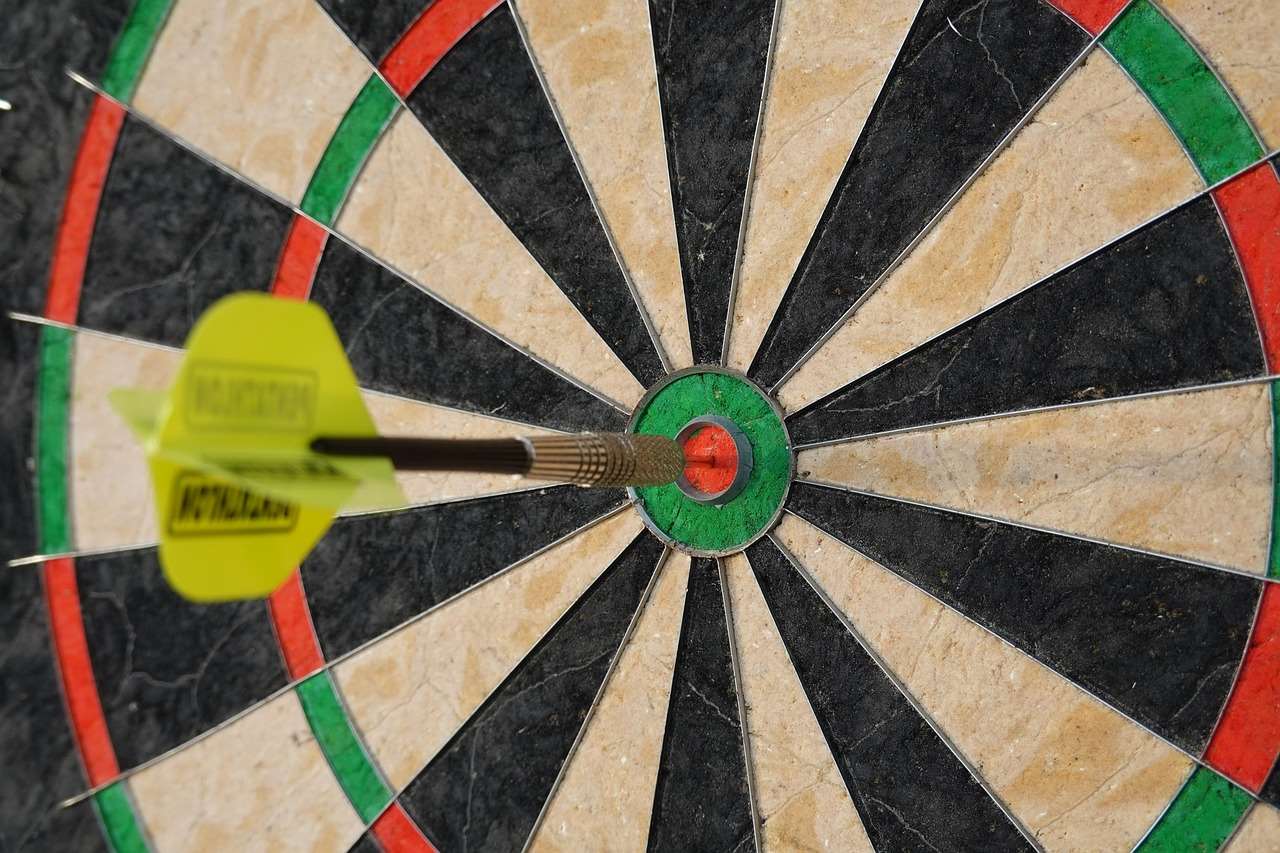
Finding the right darts and equipment can make a significant difference in your performance and enjoyment. Experiment with different weights, shapes, and materials to find what feels best in your hand and suits your throwing style. Consider these points:
- Dart Weight: Lighter darts (around 20-22 grams) are often preferred by beginners, while more experienced players may prefer heavier darts (23-26 grams or more).
- Dart Barrel Shape: Different barrel shapes (e.g., straight, torpedo, bomb) can affect your grip and release.
- Flight Shape and Material: Different flight shapes and materials can affect the stability and trajectory of your darts.
- Shaft Length and Material: Experiment with different shaft lengths and materials (e.g., nylon, aluminum) to find what provides the best balance and control.
Don’t be afraid to try different combinations of darts, flights, and shafts until you find the perfect setup for you. Visiting a local darts shop and trying out different options can be a valuable experience. Remember, the goal is to find equipment that feels comfortable and natural, enhancing your confidence and **dart throwing technique**.
Practicing with a Friend or Joining a Darts League
Practicing with a friend or joining a darts league can add a social element to your practice and make it more enjoyable. Having someone to practice with can provide:
- Friendly competition: Competing against a friend can motivate you to improve and push yourself harder.
- Constructive feedback: Your practice partner can offer valuable insights into your technique and help you identify areas for improvement.
- Shared enthusiasm: Sharing your passion for darts with someone else can make the experience more rewarding.
Joining a darts league can also provide opportunities to meet new people, compete against other players, and learn from experienced dart throwers. The social interaction and competitive atmosphere can significantly boost your **darts practice enjoyment factor**.
Mental Strategies for Enhancing Enjoyment
The mental aspect of darts is just as important as the physical. Developing a positive and focused mindset can significantly enhance your enjoyment and improve your performance. Here are some mental strategies to consider:
- Visualize success: Before each throw, visualize the dart hitting the target. This can help build your confidence and improve your accuracy.
- Stay present: Focus on the current throw and avoid dwelling on past mistakes or worrying about future outcomes.
- Practice mindfulness: Take a few deep breaths before each throw to calm your nerves and center your focus.
- Maintain a positive attitude: Even when you’re struggling, focus on the positive aspects of your game and avoid getting discouraged.
By cultivating a positive and focused mindset, you can not only improve your performance but also enhance your overall enjoyment of the game.
Varying Your Practice Routines
Monotony is the enemy of enjoyment. Regularly vary your practice routines to keep things fresh and engaging. This could involve changing the games you play, the targets you focus on, or even the time of day you practice. Don’t forget there is always the option of playing some obscure dartboard games list if things start feeling stale!
Here are a few ideas to spice up your practice:
- Themed Practice Sessions: Dedicate a session to working on a specific skill, such as hitting doubles or improving your checkout percentage.
- Challenge Yourself: Set specific challenges for each practice session, such as hitting a certain number of 180s or achieving a specific average score.
- Cross-Training: Incorporate other activities into your routine, such as yoga or meditation, to improve your focus and reduce stress.
Rest and Recovery: The Unsung Heroes of Enjoyment
Overtraining can lead to burnout and decreased performance, ultimately impacting your **darts practice enjoyment factor**. Ensure you are getting enough rest and recovery to allow your body and mind to recuperate. This includes:
- Adequate Sleep: Aim for 7-8 hours of quality sleep per night.
- Proper Nutrition: Fuel your body with a balanced diet that supports your training.
- Active Recovery: Incorporate light activities, such as stretching or walking, to help your muscles recover.
- Mental Breaks: Take regular breaks from darts to recharge your mental batteries.
By prioritizing rest and recovery, you will be able to approach your practice sessions with renewed energy and enthusiasm. Finding the right balance is key to sustained enjoyment and long-term improvement.
Conclusion: Making Darts Practice a Pleasure
Boosting the **darts practice enjoyment factor** is crucial for sustained improvement and a lifelong love of the game. By setting realistic goals, incorporating fun games, tracking your progress, optimizing your environment, and prioritizing mental well-being, you can transform your practice sessions from a chore into a rewarding and enjoyable experience. Remember to experiment, find what works best for you, and most importantly, have fun! Now, grab your darts, try some of these tips, and see how much more enjoyable (and effective!) your next practice session can be. Ready to take your dart game to the next level? Find a local darts league or challenge a friend to a game!

Hi, I’m Dieter, and I created Dartcounter (Dartcounterapp.com). My motivation wasn’t being a darts expert – quite the opposite! When I first started playing, I loved the game but found keeping accurate scores and tracking stats difficult and distracting.
I figured I couldn’t be the only one struggling with this. So, I decided to build a solution: an easy-to-use application that everyone, no matter their experience level, could use to manage scoring effortlessly.
My goal for Dartcounter was simple: let the app handle the numbers – the scoring, the averages, the stats, even checkout suggestions – so players could focus purely on their throw and enjoying the game. It began as a way to solve my own beginner’s problem, and I’m thrilled it has grown into a helpful tool for the wider darts community.