Darts nicknames add personality and flair to the sport, but their impact has pros and cons. This article dives into the world of darts nicknames, exploring their benefits for player branding and fan engagement, while also considering potential drawbacks like pressure and misrepresentation. We’ll uncover the stories behind famous darts nicknames, offer tips for crafting your own, and weigh the overall impact on the game.
⚠️ Still Using Pen & Paper (or a Chalkboard)?! ⚠️
Step into the future! The Dart Counter App handles all the scoring, suggests checkouts, and tracks your stats automatically. It's easier than you think!
Try the Smart Dart Counter App FREE!Ready for an upgrade? Click above!
The Allure of Darts Nicknames: Pros and Cons
The world of professional darts is filled with colourful characters, and often, the first thing fans remember is their darts nickname. These monikers, often emblazoned on their shirts and announced with gusto before each match, contribute significantly to a player’s identity. But are these nicknames all sunshine and roses? Let’s delve into the pros and cons.
The Pros: Building a Brand and Engaging Fans
One of the biggest advantages of having a well-chosen darts nickname is the ability to build a personal brand. Think about iconic names like “The Power” (Phil Taylor) or “Snakebite” (Peter Wright). These aren’t just names; they’re brands instantly recognizable to anyone with even a passing interest in darts. A good nickname can:
- Boost marketability: Sponsors are more likely to be interested in a player with a memorable nickname.
- Increase fan engagement: Fans love to chant nicknames and associate with the personalities they represent.
- Create a unique identity: In a sport with many talented players, a nickname helps you stand out from the crowd.
The use of personalized darts, signature shirt designs and walk-on music all amplify the impact of a darts nickname, creating a complete entertainment package for the audience. Building Local Darts League Club Guide can offer insights into how local leagues leverage player personalities to attract larger crowds.
The Cons: Pressure and Potential Misrepresentation
While a great darts nickname can be a boon, there are potential downsides to consider. These include:
- Increased Pressure: A nickname like “The Machine” might sound cool, but it also creates an expectation of unwavering performance. Players may feel pressured to live up to the image.
- Misrepresentation: A nickname might not accurately reflect a player’s personality. This can lead to a disconnect between the player and their fans.
- Potential for ridicule: A poorly chosen or unpopular nickname can become a source of mockery, affecting a player’s confidence.
Furthermore, some nicknames can be considered offensive or inappropriate. Players and organizations need to be mindful of the potential impact of their chosen moniker.
Iconic Darts Nicknames: Stories Behind the Legends
The history of darts is interwoven with memorable darts nicknames. Let’s explore the origins of some of the most iconic:
- Phil “The Power” Taylor: Widely regarded as the greatest darts player of all time, Taylor earned his nickname due to his unparalleled dominance of the sport.
- Eric “The Crafty Cockney” Bristow: Bristow’s nickname reflected both his London roots and his cunning playing style. He was known for his strategic approach to the game. Darts Culture And Community Guide highlights how personalities like Bristow shaped the sport’s cultural appeal.
- Raymond “Barney” van Barneveld: “Barney” is simply a shortened version of van Barneveld’s last name, but it’s become synonymous with his passionate fan base and exciting playing style.
- Peter “Snakebite” Wright: Wright’s colorful mohawk and vibrant outfits inspired his nickname. It reflects his showmanship and unique personality.
These darts nicknames have become integral to the players’ legacies, adding to the rich tapestry of darts history.
Crafting Your Own Darts Nickname: Tips and Ideas
Thinking about adopting a darts nickname? Here are some tips to consider:
- Reflect your personality: Choose a nickname that resonates with who you are. Are you calm and collected, or fiery and aggressive?
- Consider your playing style: Does your nickname reflect your strengths? Are you known for your accuracy or your speed?
- Keep it short and memorable: The best nicknames are easy to remember and chant.
- Get feedback: Ask friends, family, or fellow players for their opinions.
Some examples of darts nicknames could be “The Sniper” (for accuracy), “The Hammer” (for power), or “Ice Man” (for composure). Consider your local area, too. If you are promoting local darts in your hometown, referencing your town can also be effective.
Avoiding Common Pitfalls
When choosing a darts nickname, be sure to avoid:
- Offensive or inappropriate language: Your nickname should be respectful and inclusive.
- Names that are already taken: Do some research to make sure your nickname is unique.
- Nicknames that are difficult to pronounce or remember: Simplicity is key.
Taking the time to choose the right darts nickname can pay dividends in terms of building your brand and connecting with fans. Thinking about How To Start A Darts League can be a great opportunity to think about your potential persona.
The Future of Darts Nicknames: Evolution and Trends
The use of darts nicknames is likely to continue to evolve as the sport grows in popularity. We may see:
- More personalized nicknames: Players are becoming more creative and unique with their monikers.
- Increased use of social media: Players are using social media to promote their nicknames and engage with fans.
- More diverse nicknames: As the sport becomes more global, we are likely to see a wider range of cultural influences reflected in darts nicknames.
The blending of sports and entertainment is more prevalent than ever, and darts nicknames are a vital part of that equation.
The Psychology Behind Darts Nicknames
Darts nicknames aren’t just about branding and entertainment; they also have a psychological impact. A good nickname can:
- Boost confidence: A strong nickname can make a player feel more powerful and confident on stage.
- Intimidate opponents: A menacing nickname can create a sense of unease for opponents.
- Focus concentration: A well-chosen nickname can serve as a mental trigger, helping players to focus on the task at hand.
The power of suggestion should not be underestimated. A player who truly embraces their darts nickname can harness its psychological benefits to improve their performance.
Darts Nicknames and Sponsorship Deals
In professional darts, sponsorship deals are crucial for financial success. Darts nicknames play a significant role in attracting these deals. Sponsors are looking for players who:
- Are recognizable and memorable: A good nickname helps players stand out from the competition.
- Have a strong fan base: Fans are more likely to support players with whom they feel a connection.
- Represent the sponsor’s brand values: A player’s nickname and image should align with the sponsor’s message.
A strategically chosen darts nickname can be a key asset in securing lucrative sponsorship deals.
Case Studies: Darts Nicknames That Worked (and Didn’t)
Let’s examine some real-world examples of darts nicknames that have had a positive or negative impact:
- Successful Example: Phil “The Power” Taylor. This nickname perfectly captured Taylor’s dominance and became synonymous with his brand.
- Less Successful Example: While less common, sometimes players adopt names that don’t quite stick with the fanbase. These might be too long, difficult to remember, or simply not resonate with their personality.
Analyzing these case studies can provide valuable lessons for players looking to choose their own darts nickname.
Beyond the Pros: Darts Nicknames at the Amateur Level
While darts nicknames are most prevalent in the professional circuit, they are also common in amateur leagues and pub games. At this level, nicknames are often used for:
- Fun and camaraderie: Nicknames can add to the social atmosphere of the game.
- Friendly competition: Nicknames can create a sense of rivalry between players.
- Personal expression: Nicknames allow players to showcase their personality and sense of humor.
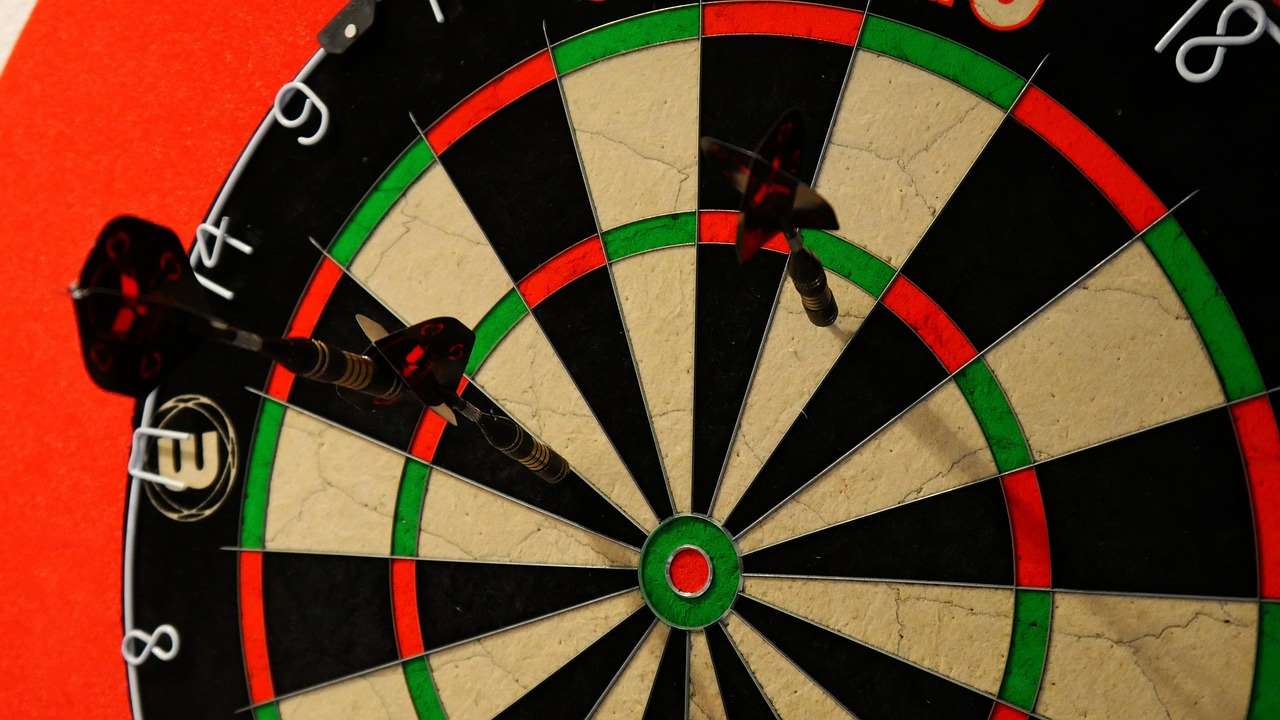
Whether you’re a seasoned pro or a casual player, a well-chosen darts nickname can enhance your enjoyment of the game.
Conclusion: Choosing the Right Darts Nickname
In conclusion, the world of Darts Nicknames Pros Cons presents a mixed bag. While a compelling nickname can significantly boost a player’s brand, fan engagement, and even confidence, it’s crucial to consider potential downsides like added pressure or misrepresentation. By understanding the nuances of choosing a darts nickname, players can maximize the benefits while minimizing the risks. Whether you’re aiming to build a professional darts career or just looking to add some fun to your local league, a well-considered nickname can make all the difference. Consider everything from your personality and playing style to ensure your chosen moniker truly reflects who you are as a player. Ready to step up your game? Explore resources for Organizing Local Darts League events to showcase your newfound identity.

Hi, I’m Dieter, and I created Dartcounter (Dartcounterapp.com). My motivation wasn’t being a darts expert – quite the opposite! When I first started playing, I loved the game but found keeping accurate scores and tracking stats difficult and distracting.
I figured I couldn’t be the only one struggling with this. So, I decided to build a solution: an easy-to-use application that everyone, no matter their experience level, could use to manage scoring effortlessly.
My goal for Dartcounter was simple: let the app handle the numbers – the scoring, the averages, the stats, even checkout suggestions – so players could focus purely on their throw and enjoying the game. It began as a way to solve my own beginner’s problem, and I’m thrilled it has grown into a helpful tool for the wider darts community.