Think of **darts missiles** as your tools for precision and accuracy, turning every throw into a calculated strike. This article explores the key elements that transform ordinary darts into high-performance projectiles, covering dart types, materials, grip techniques, and advanced throwing strategies.
⚠️ Still Using Pen & Paper (or a Chalkboard)?! ⚠️
Step into the future! The Dart Counter App handles all the scoring, suggests checkouts, and tracks your stats automatically. It's easier than you think!
Try the Smart Dart Counter App FREE!Ready for an upgrade? Click above!
Understanding the Anatomy of Darts Missiles
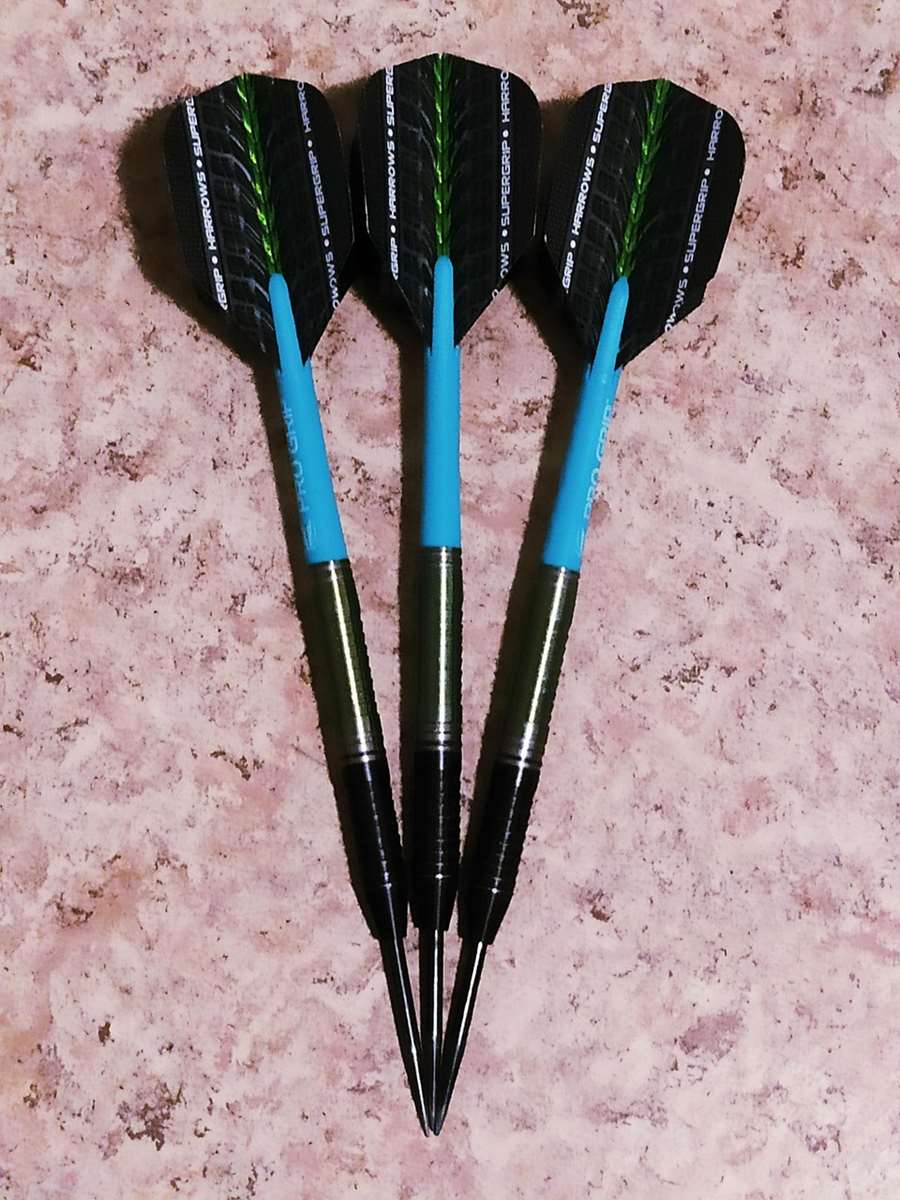
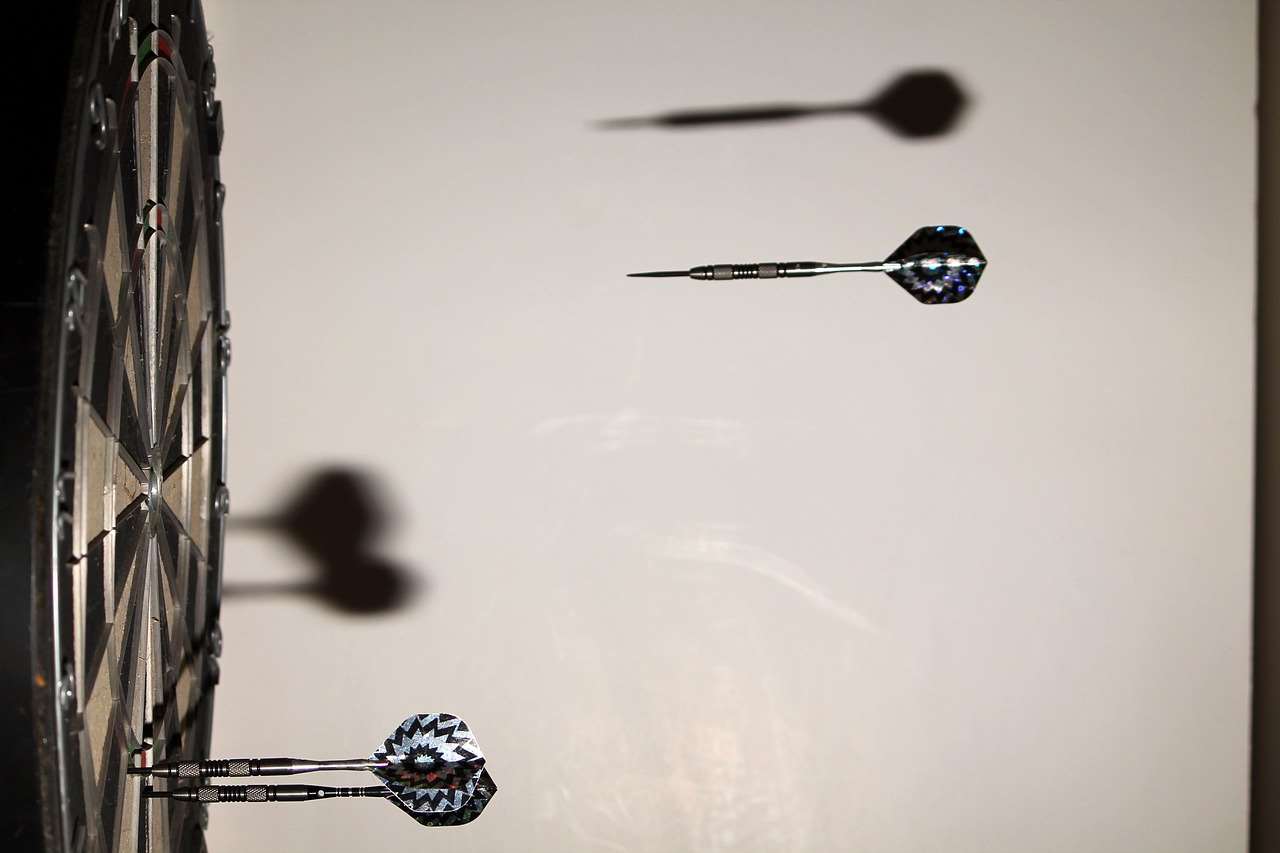
To truly master the art of throwing **darts missiles**, you need to understand their anatomy. Each component plays a critical role in flight stability and accuracy. Let’s break it down:
- Barrel: The barrel is the main body of the dart and dictates its weight, grip, and balance. It’s typically made of brass, nickel-silver, or tungsten.
- Shaft (or Stem): The shaft connects the barrel to the flight. Shafts come in various lengths and materials, influencing the dart’s trajectory and stability. Different lengths can affect the angle of entry.
- Flight: The flight is attached to the shaft and provides aerodynamic stability. They come in numerous shapes, sizes, and materials, each affecting the dart’s flight path and speed.
- Point: The point is the sharp end that penetrates the dartboard. Points can be fixed or replaceable, smooth or textured.
Choosing the Right Materials for Your Darts Missiles
The materials used in your **darts missiles** significantly impact their performance. Understanding the properties of different materials will help you choose the right setup for your throwing style.
Barrel Materials
- Brass: Brass darts are the most affordable and are great for beginners. However, they are bulky and less durable than other materials.
- Nickel-Silver: Nickel-silver darts offer a balance between cost and performance. They are more durable than brass but still relatively inexpensive.
- Tungsten: Tungsten darts are the highest quality. Tungsten is a dense metal, allowing for a slimmer barrel with the same weight as brass or nickel-silver. This gives you more room on the board and reduces deflections.
Shaft Materials
- Nylon/Plastic: These are the most common type of shafts. They are lightweight and relatively inexpensive, but they can break easily.
- Aluminum: Aluminum shafts are more durable than nylon/plastic shafts. They can bend instead of breaking, offering better longevity.
- Carbon Fiber: Carbon fiber shafts are the most durable and offer excellent rigidity. They are also the most expensive option.
Flight Materials
- Polyester: Polyester flights are the most common and are a good all-around choice.
- Nylon: Nylon flights are more durable than polyester flights.
- Mylar: Mylar flights are very durable and offer a crisp, consistent flight pattern.
Weight and Balance: Fine-Tuning Your Darts Missiles
The weight and balance of your **darts missiles** are crucial for accuracy and consistency. Experimenting with different weights and balance points can significantly improve your game.
Dart Weight
Dart weight is measured in grams. Most darts range from 18 to 30 grams. The optimal weight depends on your throwing style and personal preference. Lighter darts are generally easier to throw but can be more susceptible to air resistance. Heavier darts are more stable but require more effort to throw. Consider where the darts were made when determining their quality.
Balance Point
The balance point is the point where the dart balances when held. A front-weighted dart tends to fly straighter and is preferred by players who grip the dart further back. A rear-weighted dart is more forgiving and is preferred by players who grip the dart further forward. You can adjust the balance point by using different shafts or adding weights to the front or back of the barrel.
Grip Techniques for Launching Darts Missiles
Your grip is the most fundamental aspect of throwing **darts missiles**. A consistent and comfortable grip will lead to greater accuracy and control. There’s no single “correct” grip; experiment to find what works best for you.
Common Grip Styles
- 2-Finger Grip: This grip involves holding the dart between your thumb and one finger (usually the index finger). It offers excellent control but can be less stable for some players.
- 3-Finger Grip: This grip involves holding the dart between your thumb and two fingers. It provides more stability and is a popular choice for many players.
- 4-Finger Grip: This grip involves holding the dart between your thumb and three fingers. It offers maximum stability but can reduce control.
Grip Pressure
Grip pressure is the amount of force you apply to the dart. It’s important to use a light and relaxed grip. Gripping the dart too tightly can cause tension in your arm and wrist, leading to inaccurate throws. Focus on holding the dart firmly enough to maintain control but loosely enough to allow for a smooth release. If you are looking for a scoring app check out the Practice darts app with scoring.
Stance and Throwing Motion: The Engine Behind Your Darts Missiles
Your stance and throwing motion are just as important as your grip. A consistent and repeatable throwing motion will ensure that your **darts missiles** hit their target every time.
Stance
The most common stance is the sideways stance, where you stand with your dominant foot pointing towards the dartboard. Your weight should be evenly distributed between your feet. Keep your body relaxed and your head still. Some players prefer a more open stance, where they face the dartboard more directly.
Throwing Motion
Your throwing motion should be smooth and fluid. Start with your arm extended and your dart at eye level. Pull your arm back and then smoothly release the dart, following through with your hand. Avoid jerky movements and try to keep your elbow high. The key is repetition and practice. Record your throws to see if you can improve your darts.
Advanced Techniques for Mastering Darts Missiles
Once you’ve mastered the basics, you can start experimenting with advanced techniques to take your **darts missiles** game to the next level. These techniques require practice and dedication, but they can significantly improve your accuracy and consistency.
Aiming Points
Instead of focusing on the entire target, try aiming for specific points within the target. For example, when aiming for the treble 20, focus on a small area within the treble segment. This can help you refine your aim and reduce the likelihood of hitting the wrong segment. The best dart light can improve your precision.
Follow Through
A consistent follow-through is crucial for accuracy. After releasing the dart, continue your throwing motion in the same direction. This will help you maintain a smooth and controlled release. Visualizing your dart hitting the target during your follow-through can also improve your focus.
Maintenance and Care for Your Darts Missiles
Proper maintenance and care will extend the life of your **darts missiles** and ensure consistent performance. Here are a few tips:
- Clean Your Barrels: Regularly clean your barrels with a soft cloth to remove dirt and grime. This will improve your grip and prevent corrosion.
- Sharpen Your Points: Keep your points sharp to ensure they penetrate the dartboard easily. Use a dart point sharpener to maintain a sharp point.
- Replace Damaged Flights and Shafts: Replace damaged flights and shafts as soon as possible. Damaged components can affect the dart’s flight path and accuracy.
- Store Your Darts Properly: Store your darts in a case or holder to protect them from damage.
Fine-Tuning Your Setup: Experimentation is Key
Ultimately, the best way to find the perfect **darts missiles** setup is to experiment. Try different barrel weights, shaft lengths, flight shapes, and grip styles until you find what works best for you. Don’t be afraid to deviate from the norm and develop your own unique style. Remember that even professional dart players continuously adjust their setup to find marginal gains. Regular practice and consistent adjustments will transform you into a skilled darts player.
Conclusion
Mastering the art of **darts missiles** involves a combination of understanding the equipment, refining your technique, and consistent practice. By choosing the right materials, perfecting your grip and stance, and implementing advanced throwing strategies, you can transform your darts into accurate and powerful projectiles. Remember to experiment and find what works best for your individual style. So, grab your darts, head to the oche, and start honing your skills. With dedication and practice, you’ll be hitting those bullseyes in no time! Now, go practice and transform your dart game.

Hi, I’m Dieter, and I created Dartcounter (Dartcounterapp.com). My motivation wasn’t being a darts expert – quite the opposite! When I first started playing, I loved the game but found keeping accurate scores and tracking stats difficult and distracting.
I figured I couldn’t be the only one struggling with this. So, I decided to build a solution: an easy-to-use application that everyone, no matter their experience level, could use to manage scoring effortlessly.
My goal for Dartcounter was simple: let the app handle the numbers – the scoring, the averages, the stats, even checkout suggestions – so players could focus purely on their throw and enjoying the game. It began as a way to solve my own beginner’s problem, and I’m thrilled it has grown into a helpful tool for the wider darts community.