The **darts max length** is 30.5 cm (12 inches), a regulation set by the World Darts Federation (WDF) to ensure fair play. This article delves into why this limit exists, its implications for players, and other crucial aspects of dart dimensions to help you understand the rules and choose the right equipment.
⚠️ Still Using Pen & Paper (or a Chalkboard)?! ⚠️
Step into the future! The Dart Counter App handles all the scoring, suggests checkouts, and tracks your stats automatically. It's easier than you think!
Try the Smart Dart Counter App FREE!Ready for an upgrade? Click above!
Understanding the Regulation: Darts Max Length Explained
The **maximum length of a dart** is a key piece of regulation designed to maintain a level playing field in competitive darts. Without such rules, players could potentially gain an unfair advantage by using extremely long darts that might alter their throw or trajectory. The WDF and Professional Darts Corporation (PDC) enforce this rule strictly.
This dimension is measured from the tip of the point to the end of the flight. While the length is capped, there’s no minimum length, giving players some freedom in personalizing their equipment. However, most players prefer a length within a reasonable range for optimal control and balance.
Why is There a Maximum Length for Darts?
The primary reason for the **darts max length** rule is fairness. Imagine a dart significantly longer than the standard. It could potentially offer:
- Increased Stability: A longer dart might fly straighter with less wobble.
- Altered Trajectory: The physics of the throw could be significantly different.
- Obstruction: An excessively long dart could obstruct the board and make scoring difficult.
By setting a **darts max length**, organizations like the WDF and PDC promote fair competition where skill and strategy are paramount, rather than the potential advantages of unconventional equipment. Also, it’s important to be aware of the lifespan of your dartboard, to ensure that it meets proper standards as well.
Other Important Dart Dimensions and Weight Limits
While **darts max length** gets a lot of attention, other dimensions play a crucial role in dart performance. Understanding these will help you select darts that best suit your throwing style.
Dart Weight
The **maximum weight** of a dart is also regulated, typically set at 50 grams. This rule is enforced for similar reasons as the length restriction – to prevent any undue advantage from using overly heavy darts. Like length, there’s no *minimum* weight stipulated. The weight distribution within the dart (front-loaded, balanced, rear-loaded) significantly affects its flight characteristics.
Dart Barrel Diameter
The barrel diameter is another dimension that impacts grip and control. A thicker barrel might feel more comfortable in the hand for some players, while others prefer a thinner barrel for a more streamlined release. There are no specific regulations on barrel diameter, allowing players significant personal choice.
Dart Point Length and Material
The point of the dart also influences its performance. Longer points may protrude further from the board, potentially leading to bounce-outs. The material of the point – steel, conversion points or soft tips – is also important depending on the type of board you’re using. Steel-tip darts are for sisal dartboards, while soft-tip darts are for electronic dartboards. You should consider the best darts set according to your needs. This includes the material and length of dart points.
Choosing Darts Based on Length and Other Factors
Selecting the right darts involves considering a combination of factors, including the **darts max length**, weight, barrel shape, and your personal throwing style.
Experimentation is Key
The best way to find the right dart length for you is through experimentation. Try different lengths and weights to see what feels most comfortable and produces the most consistent results. Many dart shops allow you to test different darts before you buy.
Consider Your Grip
Your grip also plays a role. If you grip the dart closer to the point, a shorter barrel might be more suitable. If you grip further back, a longer barrel could provide better balance and control. Some people look at different dart zone barrel designs in order to decide which type they would like.
Flight Shape and Size
Flights affect the aerodynamics of the dart. Larger flights provide more stability but can slow the dart down. Smaller flights offer less drag but may be less forgiving of inconsistencies in your throw. Pairing your dart length with the right flight size can significantly improve your accuracy.
Shaft Length and Material
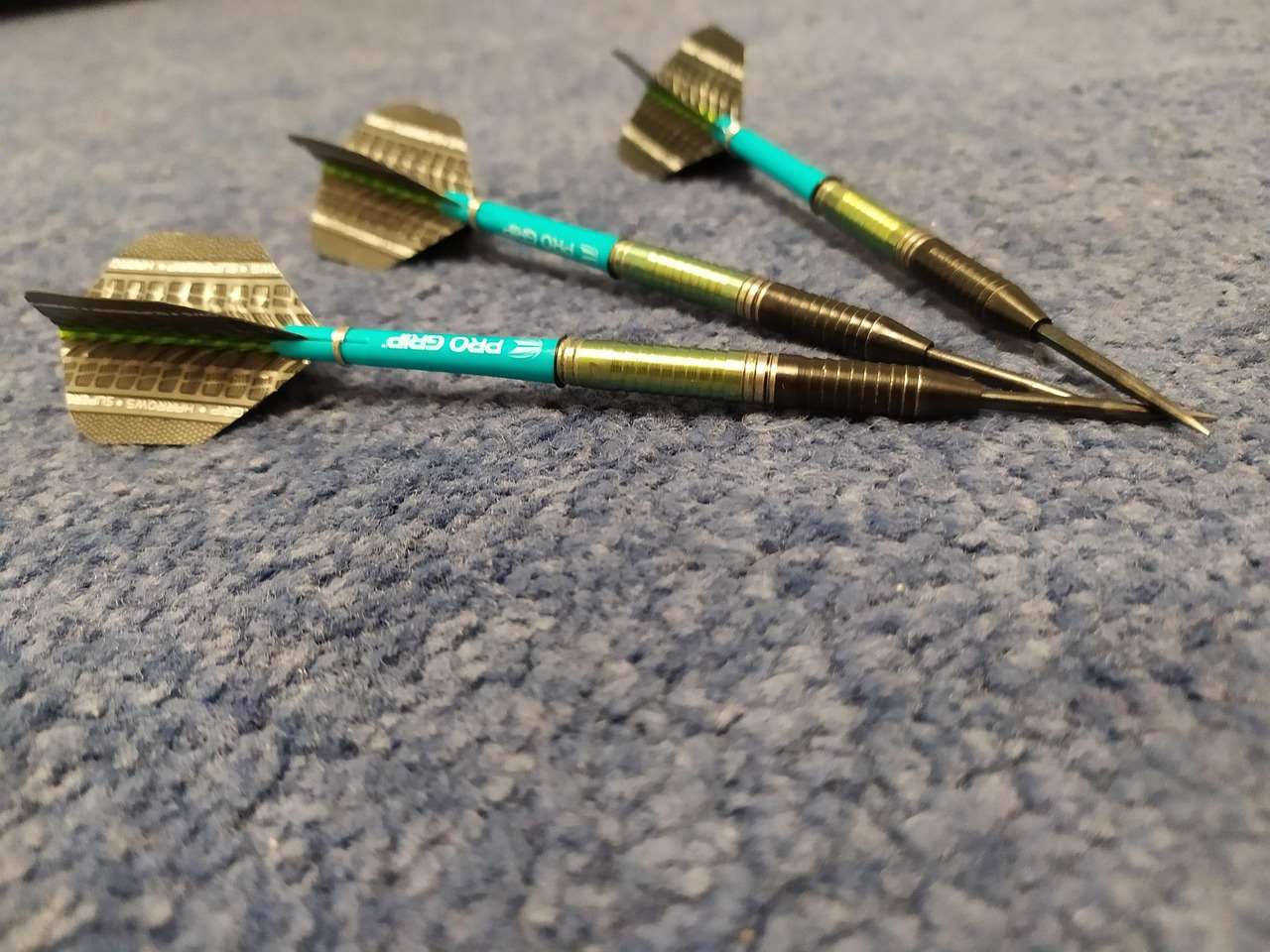
Shafts, also known as stems, connect the barrel to the flight. They come in various lengths and materials (nylon, aluminum, carbon fiber). Shorter shafts tend to make the dart fly straighter, while longer shafts can increase stability. The material affects the weight and durability of the shaft. Many players also consider the dart schaft drehbar options available.
Common Misconceptions About Darts Max Length and Dimensions
There are several misconceptions surrounding the **darts max length** and other dart dimensions. Let’s debunk some of them:
- Longer Darts are Always Better: This is simply not true. While longer darts *can* offer more stability for some, they are not universally superior. The ideal length depends on your individual throwing style.
- Heavier Darts Guarantee Higher Scores: Again, not necessarily. Heavier darts require more force to throw accurately, and if you lack the proper technique, they can lead to inconsistent results.
- All Flights are the Same: Flight shape and size significantly impact dart trajectory and stability. Choosing the right flight is crucial for optimal performance.
How the Darts Max Length Rule Affects Competitive Play
The enforcement of the **darts max length** rule is particularly important in professional darts tournaments. Referees meticulously check darts to ensure they comply with all regulations before players are allowed to compete. Using illegal darts can result in disqualification or other penalties. It’s also a great benefit to have a Practice darts app with scoring to keep track of your scores.
Professional players often have multiple sets of darts that are precisely weighted and dimensioned to meet these standards. They often experiment with minor adjustments to optimize their darts for specific playing conditions or tournaments.
Maintaining Your Darts for Optimal Performance
Regardless of your skill level, properly maintaining your darts is crucial for consistent performance and longevity. This includes:
- Sharpening Steel-Tip Points: Dull points can increase bounce-outs. Use a dart sharpener regularly to keep your points sharp.
- Replacing Worn Flights and Shafts: Damaged flights and shafts can negatively impact dart trajectory. Replace them as needed.
- Cleaning Your Dart Barrels: Dirt and grime can affect your grip. Clean your dart barrels regularly with a soft cloth.
By following these tips, you can ensure your darts remain in top condition and provide consistent performance for years to come. Furthermore, consider what dartboard keyring that you may want to buy.
Conclusion
The **darts max length** regulation, along with other dimensional rules, plays a crucial role in maintaining fairness and promoting skill in the game of darts. Understanding these rules, experimenting with different dart setups, and properly maintaining your equipment are all essential for improving your performance and enjoying the sport to the fullest. So, grab your darts, find the right balance, and start practicing!

Hi, I’m Dieter, and I created Dartcounter (Dartcounterapp.com). My motivation wasn’t being a darts expert – quite the opposite! When I first started playing, I loved the game but found keeping accurate scores and tracking stats difficult and distracting.
I figured I couldn’t be the only one struggling with this. So, I decided to build a solution: an easy-to-use application that everyone, no matter their experience level, could use to manage scoring effortlessly.
My goal for Dartcounter was simple: let the app handle the numbers – the scoring, the averages, the stats, even checkout suggestions – so players could focus purely on their throw and enjoying the game. It began as a way to solve my own beginner’s problem, and I’m thrilled it has grown into a helpful tool for the wider darts community.