In darts, the number of legs per set is variable and depends on the specific game format being played. Typically, a set consists of either three or five legs, meaning the first player to win that many legs wins the set. This article will delve deeper into understanding darts legs per set, explaining different formats, scoring, and strategies to help improve your game.
⚠️ Still Using Pen & Paper (or a Chalkboard)?! ⚠️
Step into the future! The Dart Counter App handles all the scoring, suggests checkouts, and tracks your stats automatically. It's easier than you think!
Try the Smart Dart Counter App FREE!Ready for an upgrade? Click above!
Understanding the number of darts legs per set is crucial for any player, regardless of skill level. It’s the foundation upon which the entire match structure is built. The standard format in many professional and amateur games is a best-of-five legs, meaning that the first player to win three legs claims the set. However, variations exist, and knowing these differences is key to navigating the world of darts competitions. The more you know about different match structures, the better equipped you’ll be to strategize and manage your game effectively.
Beyond simply knowing the number of legs, mastering the nuances of darts legs per set allows for a more strategic and focused approach. We will explore the mental game aspects, analyzing how understanding the set structure can influence your approach to each individual leg. This will significantly increase your game awareness and help you make calculated decisions throughout the match.
Understanding Darts Legs Per Set: Different Formats
The number of darts legs per set isn’t fixed. While three or five legs are most common, the specific number can vary depending on the tournament, league, or even casual game rules. This variation can add an extra layer of complexity to the game, making it important to understand the potential variations you might encounter. Some tournaments might use best-of-seven legs, while others might even adjust the number of legs based on the player’s skill levels.
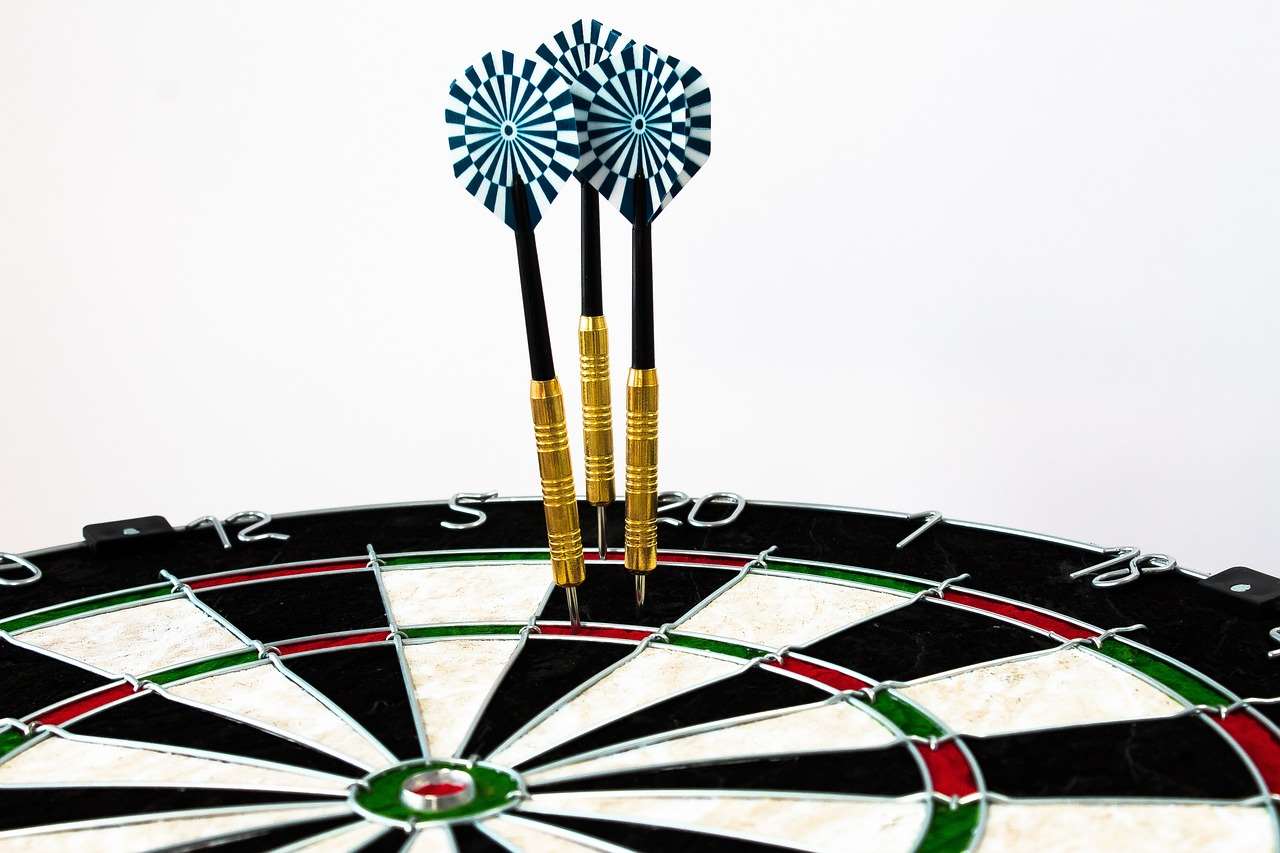
For example, a beginner’s tournament might utilize best-of-three, while advanced players compete in best-of-five or even best-of-seven darts legs per set matches. This adaptability in format makes darts a dynamic game, offering challenges and strategies for various skill levels. It’s always crucial to clarify the rules before any match to avoid any confusion during gameplay.
Best-of-Three Legs
In this format, the first player to win two legs takes the set. This format is often used for shorter matches or in casual play among beginners. The shorter duration means that momentum plays a vital role and players need to maintain focus to secure each leg. Often in casual or social games, the number of darts legs per set could be modified from a typical three-leg format.
Best-of-Five Legs
This is the most prevalent format in professional and many amateur leagues. To win the set, a player must secure three legs, resulting in a best-of-five structure. This format allows for more opportunity for a comeback, as there is a greater number of opportunities for a player to assert their dominance.
Best-of-Seven Legs
Reserved for higher-stakes matches or longer tournaments, this format demands consistency and stamina. Winning four legs is required to claim the set, offering more leeway for player fluctuations, with more darts legs per set to work with.
Strategic Implications of Darts Legs Per Set
Understanding the darts legs per set format significantly influences strategic decision-making during a match. Knowing you need only one more leg for the set can impact your risk tolerance. In a best-of-three, for example, a player trailing 1-0 might feel more pressure to take more risks to equalize.

Conversely, in a best-of-five, a player trailing 1-2 might adopt a more conservative approach, prioritizing consistency to secure the next leg. This mental aspect of the game is often overlooked but is crucial for optimal performance. Experienced players use their knowledge of the darts legs per set structure to fine-tune their strategy throughout the match.
Maintaining Consistency vs. Taking Risks
The number of darts legs per set directly affects the balance between playing safe and taking risks. In a close match, a player might choose to play it safe, focusing on consistent scoring, rather than going for high-risk, high-reward shots. Conversely, a player who is ahead in a set might be more willing to gamble, knowing they have a buffer.
Pace and Momentum
The format can also influence the pace of the game. A best-of-three can be a fast-paced affair, with little time for recovery between legs. A best-of-seven, on the other hand, allows for more strategic pauses and adjustments. Understanding this pacing is vital to manage your energy levels and maintain focus throughout the entire match. Managing your mental game can be just as important as improving your physical throwing technique. This is especially true when considering the number of darts legs per set.
Improving Your Game with Darts Legs Per Set Awareness
Developing your awareness of how darts legs per set affect your game will directly improve your overall performance. Understanding this is a key skill for professional and casual players alike. There are several ways to enhance your understanding and utilization of this crucial aspect of darts.
- Analyze professional matches: Watching professional darts games closely can reveal how top players strategically approach sets and individual legs depending on the format.
- Practice different formats: Regularly playing matches in various formats (best-of-three, best-of-five, best-of-seven) will help you adapt your strategy to different situations.
- Use a dart counter app für pc or other scoring method: Accurate tracking allows for consistent review of your performance across different match lengths and formats.
- Mental preparation: Practicing visualization and mental strategies to handle pressure situations can boost your performance when the set is close.
By understanding the implications of different darts legs per set structures, you gain a significant advantage. It’s not just about the physical skill of throwing darts, but about strategic thinking, mental resilience, and adapting to the flow of the match.
Beyond the Basics: Advanced Considerations
While understanding the fundamental concept of darts legs per set is essential, delving into more advanced strategies opens up a new level of mastery. This includes understanding how the number of legs impacts different phases of play, such as the beginning, middle, and end of the set.
Early Game Strategies
In the early stages of a set, maintaining consistency is key. Aggressively pursuing high scores in the first legs might be counterproductive, particularly in longer sets, where stamina and endurance are critical. Focusing on a solid start and slowly increasing your scoring average as the set progresses will help you build momentum. Remember, a consistent player is a hard player to beat, regardless of the number of darts legs per set.
Mid-Game Adjustments
As the set progresses, you need to adapt based on the score and your opponent’s performance. If you are ahead, you might maintain your approach, but if you’re falling behind, strategic adjustments become essential. You might choose to take calculated risks to close the gap or remain consistent to prevent further losses. Having a Cricket darts scorer app will assist in tracking your progress and that of your opponent.
End-Game Pressure
The final leg of a set can be incredibly pressured. If you’re ahead, securing the winning leg is about controlled execution. If you’re behind, you might be forced to adopt a more aggressive approach. Practicing under pressure is vital, and the best way to do so is through consistent play.

Furthermore, you should consider the impact of your choice of darts and accessories. Using a legend darts pro series and experimenting with different dart flights yellow can make a real difference in your performance. Regularly reviewing your equipment and making adjustments is an essential part of the ongoing improvement process. For further assistance in game tracking and analysis, consider using a darts counter league app or online platform.
Common Mistakes to Avoid
One common mistake is neglecting the strategic implications of the darts legs per set format. Players often focus solely on their throwing technique, ignoring the broader picture of the match. This can lead to inconsistent performance and poor decision-making.
Another mistake is failing to adapt your strategy during a match. A rigid approach can be detrimental, particularly in longer sets. Observing your opponent and adjusting your tactics accordingly is key to success. Make sure you understand the difference between a treble in darts meaning and other scoring elements, to leverage this knowledge effectively.
Finally, ignoring the mental game can also affect the results. Pressure and nerves can influence your performance significantly. Practice your mental resilience so that you can maintain a consistent performance throughout the match regardless of the darts legs per set structure.

By recognizing and avoiding these common mistakes, you can significantly improve your consistency and strategic decision-making within each game. This directly translates to an improved win rate across different match lengths. Using an easy way to count darts method also helps maintain focus on your game.
Conclusion
Understanding the intricacies of darts legs per set is crucial for success at any level. From choosing the appropriate strategy to managing your mental game, this understanding transforms from a simple rule to a powerful tool. By applying the tips and strategies discussed in this article, you can improve your overall game performance, boosting both your consistency and your win rate. Remember, it’s not just about the physical act of throwing the darts, but also the strategic planning and mental fortitude it takes to master the game. So, practice these strategies and start seeing the difference in your game today! Remember to check out resources like darts wk 2022 or darts players championship 2025 for further insights into professional play and strategies. Even explore niche topics like a darts 180 nipple (if that’s your thing!) to understand the full extent of darts culture and possibilities. You can also check out dart point jervis bay for some specific location references.

Hi, I’m Dieter, and I created Dartcounter (Dartcounterapp.com). My motivation wasn’t being a darts expert – quite the opposite! When I first started playing, I loved the game but found keeping accurate scores and tracking stats difficult and distracting.
I figured I couldn’t be the only one struggling with this. So, I decided to build a solution: an easy-to-use application that everyone, no matter their experience level, could use to manage scoring effortlessly.
My goal for Dartcounter was simple: let the app handle the numbers – the scoring, the averages, the stats, even checkout suggestions – so players could focus purely on their throw and enjoying the game. It began as a way to solve my own beginner’s problem, and I’m thrilled it has grown into a helpful tool for the wider darts community.