Capturing the thrilling world of darts in photography requires understanding motion, anticipation, and the nuances of both the game and the players; it’s about more than just aiming and shooting. This article will guide you through the essential techniques to photograph darts effectively, from mastering shutter speed to understanding lighting and composition. We’ll cover everything from equipment choices to post-processing tips, ensuring you capture the excitement and drama of every throw.
⚠️ Still Using Pen & Paper (or a Chalkboard)?! ⚠️
Step into the future! The Dart Counter App handles all the scoring, suggests checkouts, and tracks your stats automatically. It's easier than you think!
Try the Smart Dart Counter App FREE!Ready for an upgrade? Click above!
Essential Equipment for Darts In Photography
Before you can even think about capturing stunning images of darts, you need the right equipment. While professional photographers might use top-of-the-line gear, you can still achieve excellent results with a more modest setup. The key is understanding what each piece of equipment contributes to the final image.
- Camera Body: A DSLR or mirrorless camera with manual controls is essential. Look for a camera with good low-light performance and a fast burst mode (frames per second) to capture the action.
- Lens: A zoom lens in the range of 70-200mm or 100-400mm is ideal. This allows you to zoom in on the dartboard and the players from a comfortable distance. A wide aperture (f/2.8 or f/4) is also beneficial for low-light situations and creating a shallow depth of field.
- Tripod: A sturdy tripod is a must-have, especially when shooting in low light or using longer focal lengths. It helps to keep your camera steady and prevent blurry images.
- External Flash (Optional): While natural light is always preferable, an external flash can be useful in dimly lit venues. However, be mindful of using it subtly to avoid distracting the players.
Mastering Camera Settings for Action Shots
Once you have your equipment sorted, the next step is to understand the optimal camera settings for capturing fast-paced action like darts. The key is to balance shutter speed, aperture, and ISO to achieve a well-exposed image with minimal motion blur.
Shutter Speed
Shutter speed is arguably the most critical setting for darts in photography. To freeze the motion of the dart in flight, you’ll need a fast shutter speed. A good starting point is 1/500th of a second, but you may need to increase it to 1/1000th of a second or faster, depending on the speed of the dart and the distance from the subject.
Aperture
The aperture controls the amount of light that enters the camera and affects the depth of field. In low-light conditions, you’ll need to open up the aperture (use a smaller f-number) to let in more light. However, be mindful of the depth of field, as a wider aperture will result in a shallower depth of field, which means less of the image will be in focus. Consider using a wider aperture. A good starting point is f/2.8 or f/4.
ISO
ISO measures the sensitivity of the camera’s sensor to light. In low-light situations, you may need to increase the ISO to brighten the image. However, increasing the ISO too much can introduce noise (graininess) into the image. Try to keep the ISO as low as possible while still achieving a well-exposed image. Experiment to find the sweet spot for your camera.
Focusing Techniques
Accurate focusing is crucial for capturing sharp images. Use continuous autofocus (AF-C) to track the movement of the dart player as they prepare to throw. Focus on the player’s face or the dart itself. You can also use back-button focusing, which separates the focusing function from the shutter button, allowing you to focus continuously while composing the shot.
Compositional Tips for Capturing the Essence of Darts
Beyond the technical aspects, composition plays a vital role in creating compelling images of darts in photography. Consider these tips to enhance your photos:
- Rule of Thirds: Place the subject (the dart player or the dartboard) off-center, along one of the imaginary lines that divide the frame into thirds. This creates a more dynamic and visually appealing composition.
- Leading Lines: Use lines within the scene (e.g., the edge of the dartboard, the player’s arm) to draw the viewer’s eye towards the subject.
- Framing: Use elements in the foreground (e.g., the crowd, the scoreboard) to frame the subject and add depth to the image.
- Capture Emotion: Look for moments of anticipation, excitement, or disappointment on the players’ faces. These emotional moments can make for powerful and engaging images. Understanding Darts Culture And Community Guide may help here.
- Tell a Story: Think about the story you want to tell with your photos. Capture images that show the context of the game, the interaction between players and fans, and the overall atmosphere of the event.
Understanding Lighting in Darts Photography
Lighting can make or break a photograph. In most darts venues, you’ll likely be dealing with artificial lighting, which can be challenging. Here are some tips for working with different lighting scenarios:
- Natural Light: If possible, try to shoot near a window or in an area with good natural light. This will provide a more flattering and even illumination.
- Artificial Light: Be aware of the color temperature of the artificial lights. Different types of lights (e.g., fluorescent, incandescent) can produce different color casts in your photos. Use white balance settings on your camera to correct for these color casts.
- Flash: Use flash sparingly, as it can be harsh and distracting. If you must use flash, try to bounce it off the ceiling or a wall to soften the light. Consider an external flash unit for better control and positioning.
The atmosphere at live darts matches significantly impacts the type of lighting available.
Post-Processing Techniques for Darts Images
Post-processing is an essential part of the photographic workflow. Software like Adobe Lightroom or Photoshop can be used to enhance your images and correct any imperfections. Here are some common post-processing techniques:
- Exposure Correction: Adjust the exposure to brighten or darken the image.
- White Balance Correction: Fine-tune the white balance to correct any color casts.
- Contrast and Clarity Adjustments: Increase the contrast to make the image pop and add clarity to sharpen details.
- Noise Reduction: Reduce noise (graininess) in images shot at high ISO settings.
- Sharpening: Sharpen the image to enhance details. Be careful not to over-sharpen, as this can create unwanted artifacts.
- Cropping: Crop the image to improve the composition and remove distractions.
Ethical Considerations in Darts In Photography
As with any type of photography, it’s important to be mindful of ethical considerations. Always respect the privacy of the players and fans. Avoid taking photos that are intrusive or disrespectful. Obtain permission before publishing any photos that feature individuals prominently. Be aware of any restrictions on photography at the venue.
Capturing the Energy: Beyond the Technical Aspects
While mastering the technical aspects is crucial, capturing the true essence of darts in photography requires more than just technical skill. It’s about understanding the game, anticipating key moments, and capturing the energy and emotion of the players and the crowd. Observe the players’ routines, their facial expressions, and their interactions with the crowd. Look for moments of tension, excitement, and camaraderie. Try to tell a story with your photos, conveying the atmosphere and the passion of the sport.
Specific Shot Ideas for Darts In Photography
To help you get started, here are some specific shot ideas that you can try:
- The Throw: Capture the player in the act of throwing the dart, freezing the motion of the dart in mid-air.
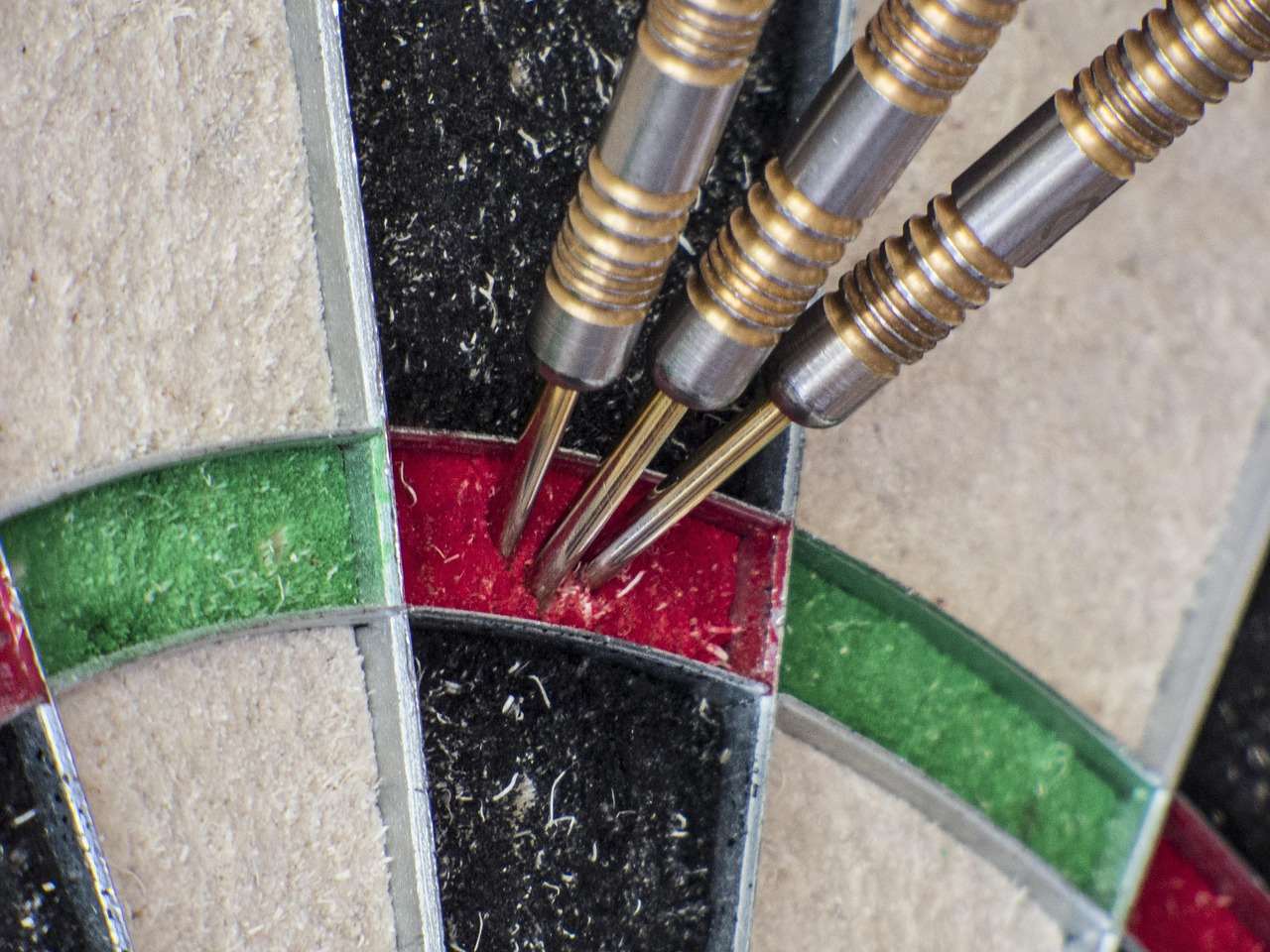
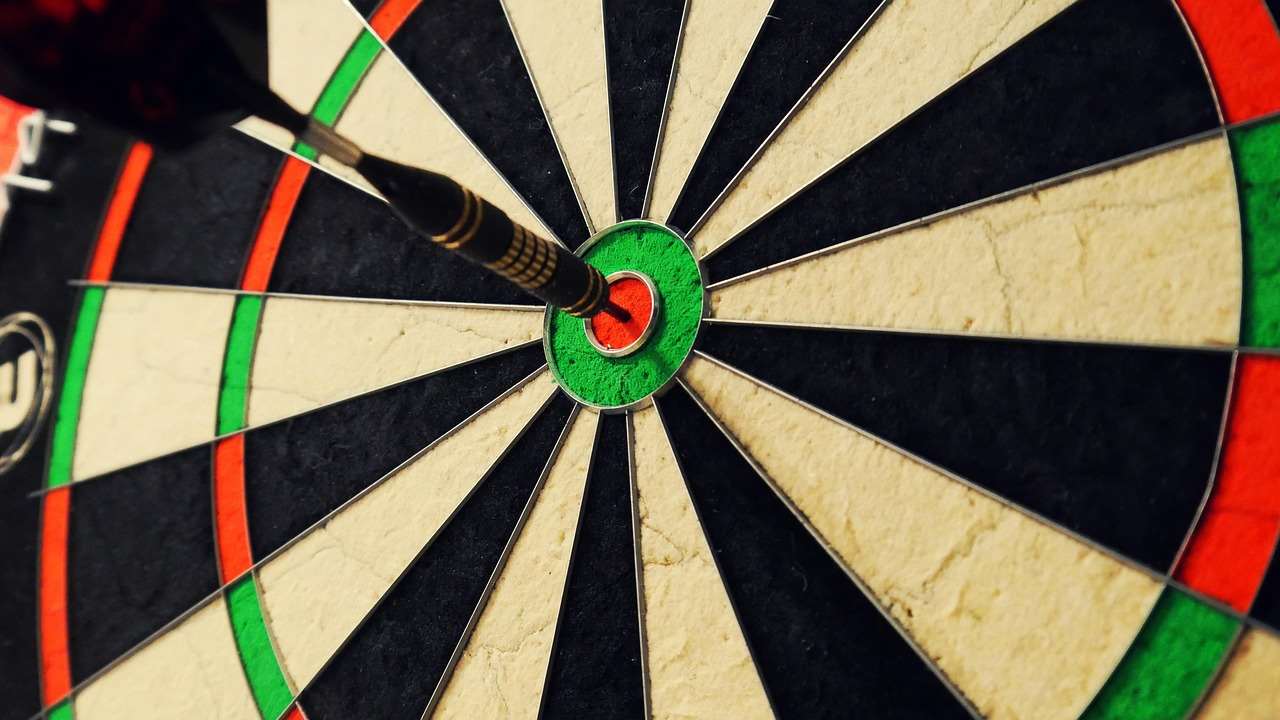
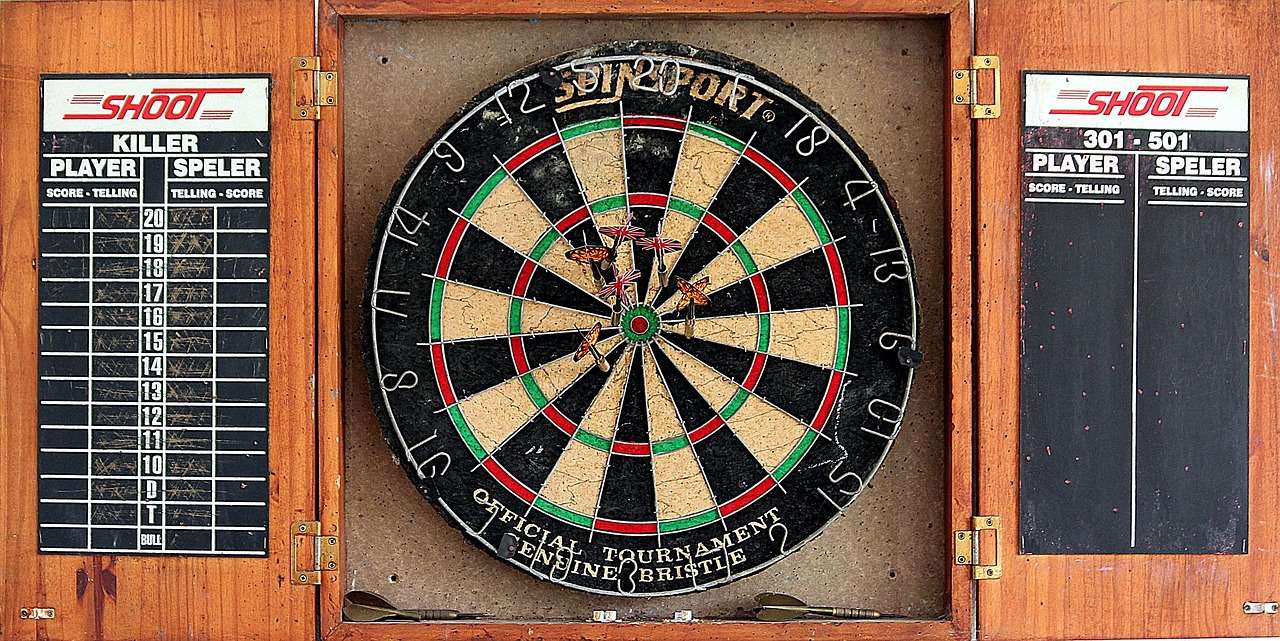
- The Dartboard: Get close-up shots of the dartboard with darts clustered in the bullseye or near the treble 20.
- The Reaction: Capture the player’s reaction after a successful or unsuccessful throw.
- The Crowd: Show the excitement and energy of the crowd.
- The Celebration: Capture players celebrating a win or a good shot.
- The Rivalry: Capture the intensity and competition between players.
Thinking about what to expect at live darts before you go will help with shot planning.
Final Thoughts and Resources for Darts In Photography
Darts in photography presents unique challenges and opportunities. By mastering the techniques outlined in this article, you can capture stunning images that showcase the excitement and drama of this popular sport. Remember to practice regularly, experiment with different settings and compositions, and always be mindful of ethical considerations. With dedication and creativity, you can create a portfolio of images that truly captures the essence of darts. Consider researching local darts events to practice and develop your skills. Understanding the fan culture at live darts may also help.
Continuous Improvement: Honing Your Darts Photography Skills
The journey of mastering darts in photography is a continuous one. After each shoot, take time to review your images, analyze what worked well and what could be improved. Don’t be afraid to experiment with new techniques and approaches. Seek feedback from other photographers or darts enthusiasts. The more you practice and learn, the better you’ll become at capturing the essence of this exciting sport.
Additionally, consider attending photography workshops or joining online forums dedicated to sports photography. These resources can provide valuable insights and guidance from experienced professionals. Furthermore, staying up-to-date with the latest camera technology and post-processing software can help you push the boundaries of your creativity and produce even more stunning images. Embrace the challenges and enjoy the process of capturing the fast-paced action and vibrant atmosphere of darts.
Ultimately, the most important thing is to have fun and let your passion for photography shine through in your work. When you approach darts in photography with enthusiasm and a willingness to learn, you’ll be amazed at the incredible images you can create. So, grab your camera, head to the nearest darts event, and start capturing the thrill of the game!
Call to Action: Capture the Excitement!
Ready to put your newfound knowledge into practice? Grab your camera, head to a local darts event, and start capturing the thrill of the game! Share your best shots on social media using #DartsPhotography and inspire others with your creativity. And don’t forget to check out our other articles for more tips and tricks on sports photography!

Hi, I’m Dieter, and I created Dartcounter (Dartcounterapp.com). My motivation wasn’t being a darts expert – quite the opposite! When I first started playing, I loved the game but found keeping accurate scores and tracking stats difficult and distracting.
I figured I couldn’t be the only one struggling with this. So, I decided to build a solution: an easy-to-use application that everyone, no matter their experience level, could use to manage scoring effortlessly.
My goal for Dartcounter was simple: let the app handle the numbers – the scoring, the averages, the stats, even checkout suggestions – so players could focus purely on their throw and enjoying the game. It began as a way to solve my own beginner’s problem, and I’m thrilled it has grown into a helpful tool for the wider darts community.