Integrating Darts In Educational Media provides a fun and engaging way to teach math, improve hand-eye coordination, and foster strategic thinking. This article explores the diverse ways darts can be utilized in educational settings, from primary schools to adult learning programs, and offers practical tips for implementation.
⚠️ Still Using Pen & Paper (or a Chalkboard)?! ⚠️
Step into the future! The Dart Counter App handles all the scoring, suggests checkouts, and tracks your stats automatically. It's easier than you think!
Try the Smart Dart Counter App FREE!Ready for an upgrade? Click above!
The Unexpected Educational Value of Darts
While often associated with pubs and recreation, darts can be a surprisingly effective educational tool. The game inherently involves mathematics, requiring players to calculate scores, plan strategies, and understand probability. Beyond math, darts can significantly enhance hand-eye coordination, concentration, and problem-solving skills. These benefits make darts in educational media a valuable addition to a well-rounded curriculum.

Math Skills Enhancement Through Darts
One of the most obvious educational applications of darts is in mathematics. The game provides a real-world context for learning and practicing various math concepts, including:
- Addition and Subtraction: Calculating scores after each throw requires quick and accurate addition and subtraction.
- Multiplication and Division: Working out averages and potential outshots involves multiplication and division.
- Fractions and Percentages: Understanding the probability of hitting certain numbers or doubles involves fractions and percentages.
- Angles and Geometry: Visualizing the trajectory of the dart and the angles needed to hit the target involves spatial reasoning and geometric concepts.
Furthermore, using darts in math lessons can make learning more engaging and memorable for students who might otherwise struggle with abstract concepts. The competitive element adds an extra layer of motivation, encouraging students to improve their math skills to enhance their gameplay.
Developing Hand-Eye Coordination and Concentration
Beyond math, darts is an excellent activity for developing hand-eye coordination and concentration. The precise movements required to throw a dart accurately demand focus and control. Regular practice can improve fine motor skills and enhance the connection between the brain and the body. Moreover, the need to concentrate on the target and block out distractions can help improve overall focus and attention span.
For students with attention deficits or hyperactivity, darts can provide a structured and engaging activity that promotes self-regulation and improves their ability to concentrate. The immediate feedback provided by each throw allows them to adjust their technique and develop a greater sense of body awareness. Read more about Darts Culture And Community Guide and how it promotes engagement.
Strategic Thinking and Problem-Solving
Darts is not just about throwing darts; it’s also about strategy. Players need to plan their shots, calculate the best way to reach zero, and adapt their strategy based on their opponent’s moves. This requires strategic thinking and problem-solving skills, which are essential for success in many areas of life.
- Planning Outshots: Calculating the most efficient sequence of throws to finish the game.
- Adapting to Opponents: Adjusting strategy based on the opponent’s strengths and weaknesses.
- Risk Assessment: Weighing the risks and rewards of different shots.
By incorporating darts into educational programs, educators can help students develop these critical thinking skills in a fun and engaging way. This is especially beneficial for students who struggle with traditional problem-solving activities.

Implementing Darts In Educational Media: Practical Tips
Successfully integrating darts into an educational setting requires careful planning and consideration. Here are some practical tips to ensure a safe and effective implementation:
- Safety First: Always prioritize safety by establishing clear rules and guidelines for dart throwing. Use soft-tip darts or dartboards designed for educational use.
- Age Appropriateness: Adapt the game and the rules to suit the age and skill level of the students. Younger students can focus on basic math skills, while older students can tackle more complex strategies.
- Supervision: Ensure that dart throwing is always supervised by a responsible adult.
- Clear Objectives: Define clear educational objectives for each session. For example, focus on specific math skills or strategic thinking concepts.
- Variety: Introduce different variations of the game to keep students engaged and challenged.
Consider using a digital scoring system or app to make the math calculations easier and more engaging. This can also provide instant feedback and track progress over time.
Choosing the Right Equipment and Setting Up the Environment
Selecting the appropriate equipment and creating a safe and supportive environment are crucial for successful darts in educational media. Consider these factors:
- Dartboard Type: Soft-tip dartboards are generally safer for younger students or inexperienced players. Bristle dartboards are suitable for older students and adults.
- Dart Weight and Material: Choose darts that are appropriate for the skill level and hand size of the students. Lighter darts may be easier for beginners to control.
- Safety Zone: Establish a clear safety zone around the dartboard to prevent accidents. Use a dart mat to protect the floor and provide a non-slip surface.
- Lighting: Ensure adequate lighting to improve visibility and reduce eye strain.
By carefully selecting the equipment and setting up the environment, you can create a safe and enjoyable learning experience for all students.

Darts In Different Educational Settings
The versatility of darts allows it to be adapted to various educational settings, from primary schools to adult learning programs:
- Primary Schools: Focus on basic math skills, such as addition, subtraction, and number recognition. Use simplified versions of the game and soft-tip darts.
- Secondary Schools: Introduce more complex math concepts, such as fractions, percentages, and geometry. Explore strategic thinking and problem-solving skills.
- Special Education: Use darts as a tool to improve hand-eye coordination, concentration, and self-regulation for students with special needs.
- Adult Learning Programs: Incorporate darts into math refresher courses or team-building activities. Offer introductory darts classes to promote social interaction and physical activity.
Regardless of the setting, it’s essential to adapt the game and the rules to meet the specific needs and goals of the students. Consider offering variations of the game to cater to different learning styles and abilities.
Addressing Common Concerns and Misconceptions
Some educators may have concerns about introducing darts into an educational setting. Common concerns include safety, potential for distraction, and association with gambling or alcohol. It’s important to address these concerns proactively and emphasize the educational benefits of the game.
- Safety: Emphasize the importance of safety rules and supervision. Use soft-tip darts or dartboards designed for educational use.
- Distraction: Set clear expectations for behavior and participation. Use structured activities and limit the amount of time spent playing darts.
- Association with Gambling or Alcohol: Focus on the math, strategic thinking, and hand-eye coordination aspects of the game. Avoid any references to gambling or alcohol.
By addressing these concerns and emphasizing the educational value of darts, you can overcome potential resistance and gain support from administrators, teachers, and parents. Perhaps it’s time to begin planning a visit to What To Expect At Live Darts
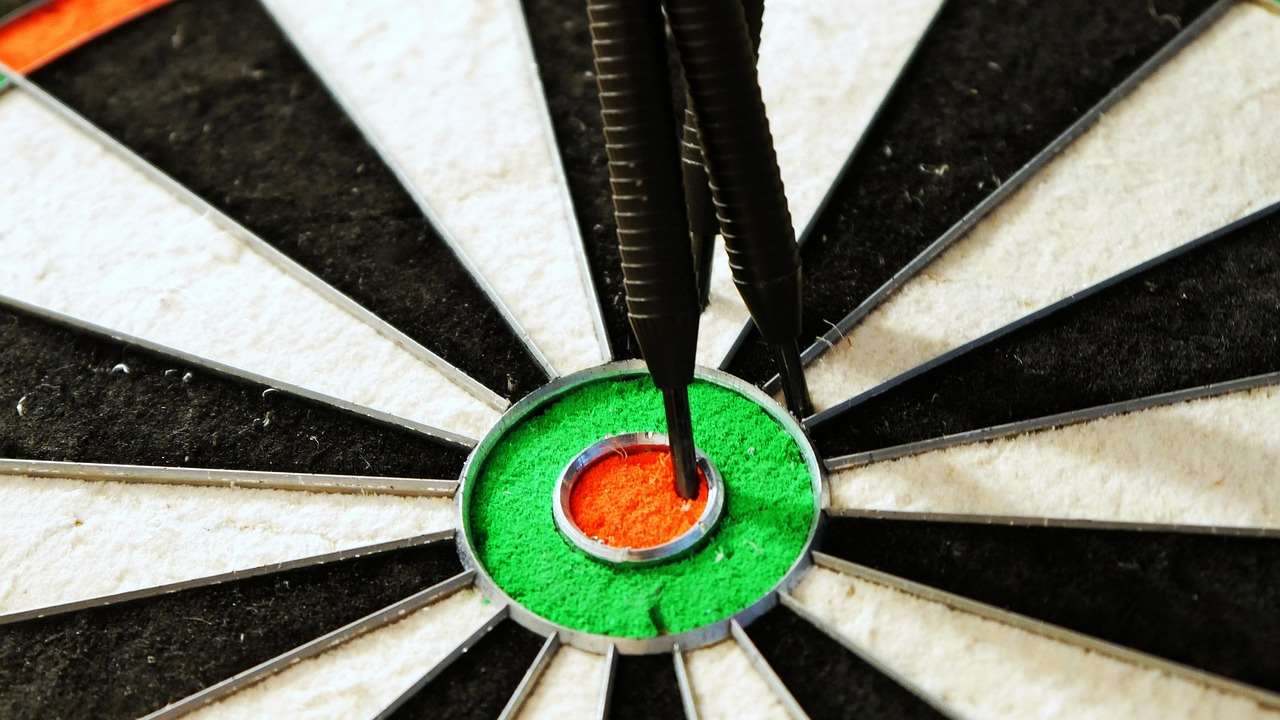
Measuring Success and Assessing Learning Outcomes
To determine the effectiveness of Darts In Educational Media, it’s important to measure success and assess learning outcomes. This can be done through a variety of methods, including:
- Pre- and Post-Tests: Administer math tests or assessments of hand-eye coordination before and after incorporating darts into the curriculum.
- Observation: Observe students’ behavior and engagement during dart-throwing activities.
- Student Feedback: Gather feedback from students about their experiences and perceptions of the game.
- Score Tracking: Monitor students’ scores and progress over time.
By tracking these metrics, you can gain valuable insights into the impact of darts on student learning and adjust your approach accordingly. Remember to focus on both academic and non-academic outcomes, such as improved concentration, self-regulation, and teamwork skills.
The Future of Darts In Educational Media
The potential for Darts In Educational Media is vast and largely untapped. With the increasing emphasis on hands-on learning and engaging activities, darts offers a unique and valuable tool for educators. As technology advances, new opportunities will emerge to integrate darts with digital learning platforms and create even more interactive and personalized learning experiences. From improving Travel Tips For Darts Tournaments to developing important analytical skills, darts in education has potential.
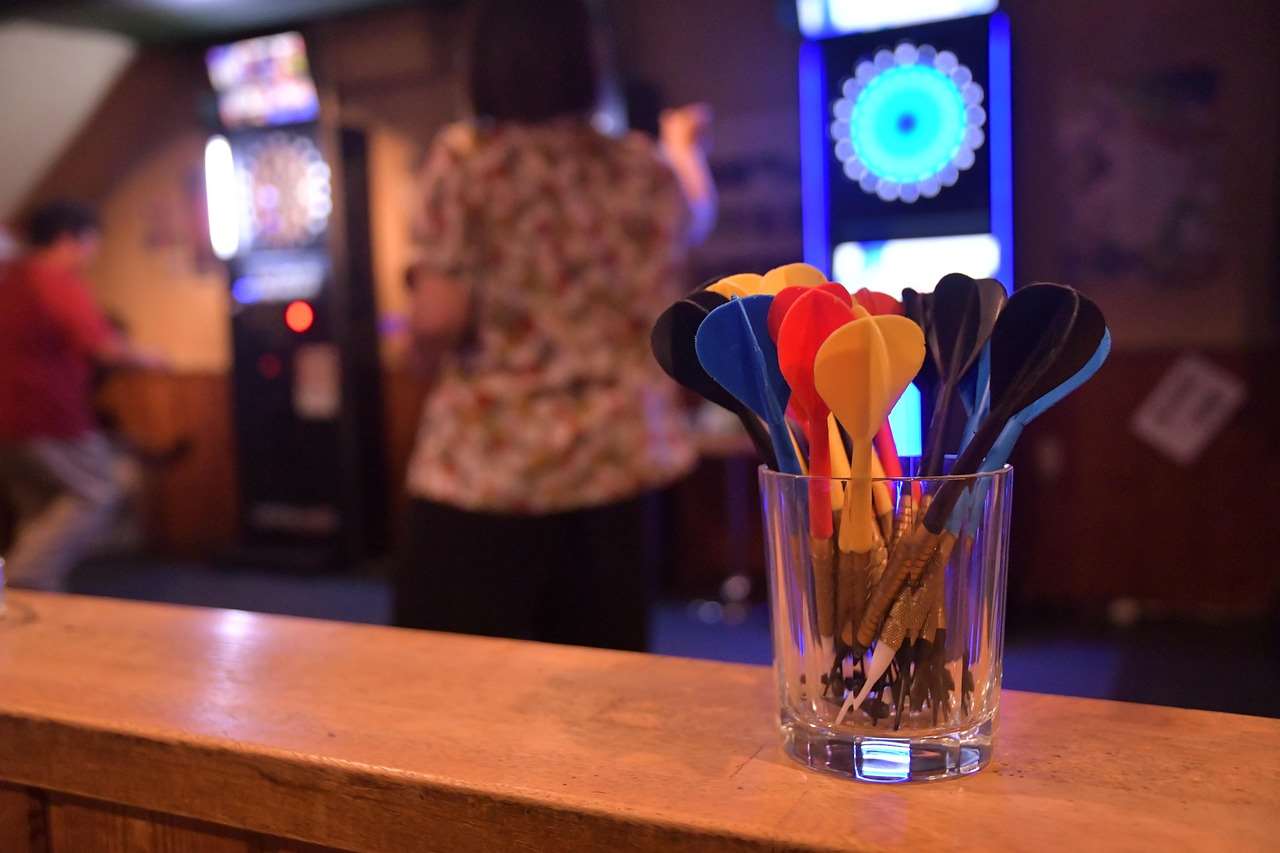
Potential for Gamification and Technology Integration
The principles of gamification can be seamlessly integrated into darts-based learning activities. Creating challenges, awarding points, and providing leaderboards can further enhance student engagement and motivation. Technology can also play a significant role in enhancing the learning experience.
- Digital Scoring Systems: Use apps or software to automate scorekeeping and provide instant feedback.
- Virtual Reality Darts: Explore the use of virtual reality technology to create immersive and interactive dart-throwing experiences.
- Online Resources: Develop online resources and tutorials to support darts-based learning activities.
By embracing gamification and technology, educators can unlock the full potential of darts as a valuable educational tool.
Conclusion: Darts – An Unexpected Ally in Education
Darts In Educational Media offers a surprisingly effective and engaging way to enhance learning in various areas, including math, hand-eye coordination, strategic thinking, and problem-solving. By implementing darts thoughtfully and safely, educators can create a fun and enriching learning experience for students of all ages and abilities. Embrace the opportunity to bring this unconventional tool into your educational programs and witness the positive impact it can have on student learning and development. Ready to give it a try? Start by researching safe dartboard options and developing a pilot program to introduce darts in educational media to your students today!

Hi, I’m Dieter, and I created Dartcounter (Dartcounterapp.com). My motivation wasn’t being a darts expert – quite the opposite! When I first started playing, I loved the game but found keeping accurate scores and tracking stats difficult and distracting.
I figured I couldn’t be the only one struggling with this. So, I decided to build a solution: an easy-to-use application that everyone, no matter their experience level, could use to manage scoring effortlessly.
My goal for Dartcounter was simple: let the app handle the numbers – the scoring, the averages, the stats, even checkout suggestions – so players could focus purely on their throw and enjoying the game. It began as a way to solve my own beginner’s problem, and I’m thrilled it has grown into a helpful tool for the wider darts community.