Need a clear and concise Darts game rule template guide? This article provides a customizable framework for understanding and adapting popular dart game rules. We’ll cover standard regulations for classic games like 501 and Cricket, offering variations and suggestions for making your dart games more enjoyable and inclusive for all skill levels.
⚠️ Still Using Pen & Paper (or a Chalkboard)?! ⚠️
Step into the future! The Dart Counter App handles all the scoring, suggests checkouts, and tracks your stats automatically. It's easier than you think!
Try the Smart Dart Counter App FREE!Ready for an upgrade? Click above!
Understanding the Core Rules of Darts: A Darts game rule template guide
Before diving into specific games, let’s establish a foundation of core principles. These are the fundamental rules that apply to most darts game variations, providing a necessary understanding before modifying or adapting them.
- The Dartboard Setup: The dartboard should be hung so that the center of the bullseye is exactly 5 feet 8 inches (1.73 meters) from the floor. The oche (throwing line) should be 7 feet 9 1/4 inches (2.37 meters) from the face of the board. These measurements are crucial for fair play.
- Dart Specifications: While professional tournaments often have strict regulations, casual games allow for some flexibility. Generally, darts should not exceed 50 grams in weight, nor be longer than 12 inches.
- Throwing Rules: Players must stand behind the oche when throwing. A throw counts if the dart remains in the board until it is retrieved by the player. If a dart falls out, it does not score.
- Scoring: The scoring segments are divided by thin wires. A dart must land clearly within a segment to score. The outer ring doubles the value of the segment, while the inner ring triples it. The bullseye is worth 50 points (inner bull) or 25 points (outer bull).

Understanding these basics allows for informed adjustments when playing different game types, or when you want to Adjusting dart game rules to suit your playing group.
Classic Darts Games: 501 and Cricket
Two of the most popular darts games are 501 and Cricket. Understanding the specific rules for these games is essential for any darts enthusiast.
501 (and Variations)
501 is a game of subtraction. Each player starts with 501 points and takes turns throwing three darts. The goal is to be the first player to reduce their score to exactly zero. Here’s what you need to know:
- Starting and Ending: Typically, a “double in” rule is used, meaning a player must hit a double to begin scoring. A “double out” rule is also common, requiring the player to finish by hitting a double or the bullseye.
- Busting: If a player scores more points than needed, reducing their score below zero, or leaving them with one point, that throw is a “bust,” and their score reverts to what it was at the start of that turn.
- Variations: You can play 301 (a shorter game) or 701 (a longer game). You can also eliminate the “double in” requirement to make the game easier, especially for beginners. These simple changes are perfect to Modify dart games skill gap.
Cricket
Cricket is a strategic game played using specific numbers on the dartboard: 20, 19, 18, 17, 16, 15, and the bullseye. Here’s how it works:
- Opening and Closing Numbers: To “open” a number, a player must hit it three times (or a combination of singles, doubles, and triples that equals three hits). Once a number is opened, the player scores points each time they hit it until their opponent also closes that number.
- Closing Numbers: To “close” a number, an opponent must also hit it three times. Once both players have closed a number, no more points can be scored on that number.
- Winning: The first player to close all the required numbers and have a higher score than their opponent wins. If a player closes all the numbers but has a lower score than their opponent, they must continue scoring until they have a higher score or their opponent closes all the numbers.
- Strategy: Cricket involves strategic decisions about which numbers to open and close, considering both offensive and defensive plays.

These two games offer a fantastic foundation for understanding dart game rules. Once you’re comfortable with them, you can explore a wide range of other darts variants fun games.
Adapting the Rules: Making Darts Inclusive
One of the best things about darts is its adaptability. You can easily modify the rules to accommodate different skill levels and make the game more enjoyable for everyone. This section of our Darts game rule template guide focuses on customization.
Handicap Systems
Handicap systems level the playing field, allowing players of varying abilities to compete fairly. Here are a few options:
- Starting Score Adjustment: In 501, you can give a less experienced player a head start by reducing their starting score (e.g., starting at 401 instead of 501). This is an easy way to implement a Handicap system fun dart games.
- Dart Allowance: Allow a less skilled player to throw more darts per turn (e.g., four darts instead of three).
- Target Modifications: For younger or less skilled players, you can increase the size of the target by designating a larger area around the bullseye or specific numbers as “scoring zones.”
Simplified Rules for Beginners
Simplify the rules to make the game easier to learn and more accessible for new players:
- Eliminate “Double In/Out”: Remove the requirement to start and end with a double in 501. This makes the game much easier and faster-paced.
- Shorter Games: Play 301 instead of 501 for quicker rounds, which helps maintain interest and momentum.
- Team Play: Pair experienced players with less experienced players to provide guidance and support.
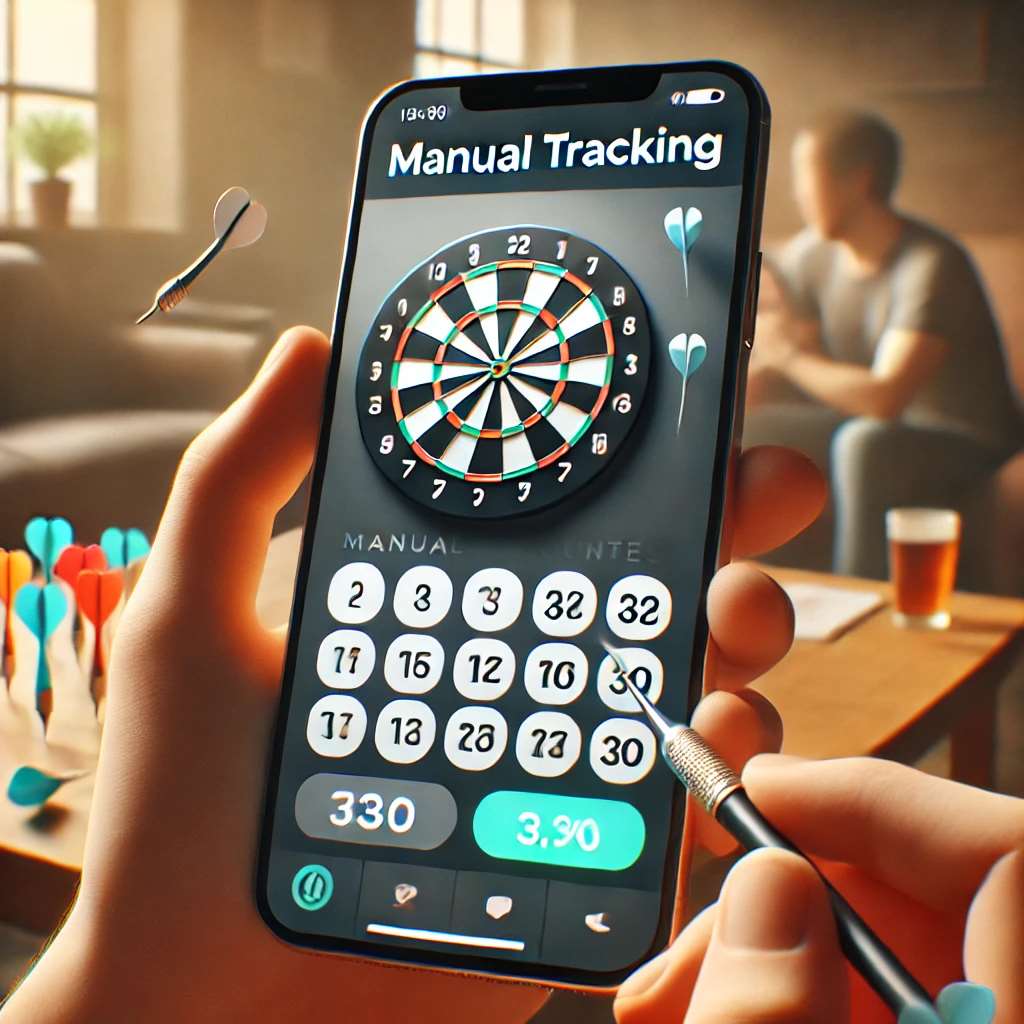
By employing these adaptations, you can ensure that everyone feels comfortable and engaged, regardless of their skill level. It’s a great approach for Darts for mixed ability groups.
Creating Your Own Darts Games
Beyond adapting existing rules, why not invent your own games? This Darts game rule template guide encourages creativity!
Defining Objectives and Scoring
Start by defining the objective of your game. Is it about scoring the most points, hitting specific targets, or a combination of both? Then, determine the scoring system:
- Target-Based Scoring: Assign different point values to specific targets on the board (e.g., hitting the bullseye is worth 100 points).
- Accumulative Scoring: Players accumulate points over a set number of rounds.
- Subtraction-Based Scoring: Players start with a set number of points and subtract points based on their throws, similar to 501.
Adding Special Rules and Challenges
Incorporate special rules and challenges to make your game more interesting and unpredictable:
- Bonus Points: Award bonus points for hitting specific combinations of numbers or achieving certain milestones (e.g., hitting three triples in a row).
- Penalty Points: Deduct points for hitting specific targets or failing to meet certain criteria.
- Challenge Rounds: Introduce special rounds with unique scoring rules or challenges (e.g., throwing with your non-dominant hand).
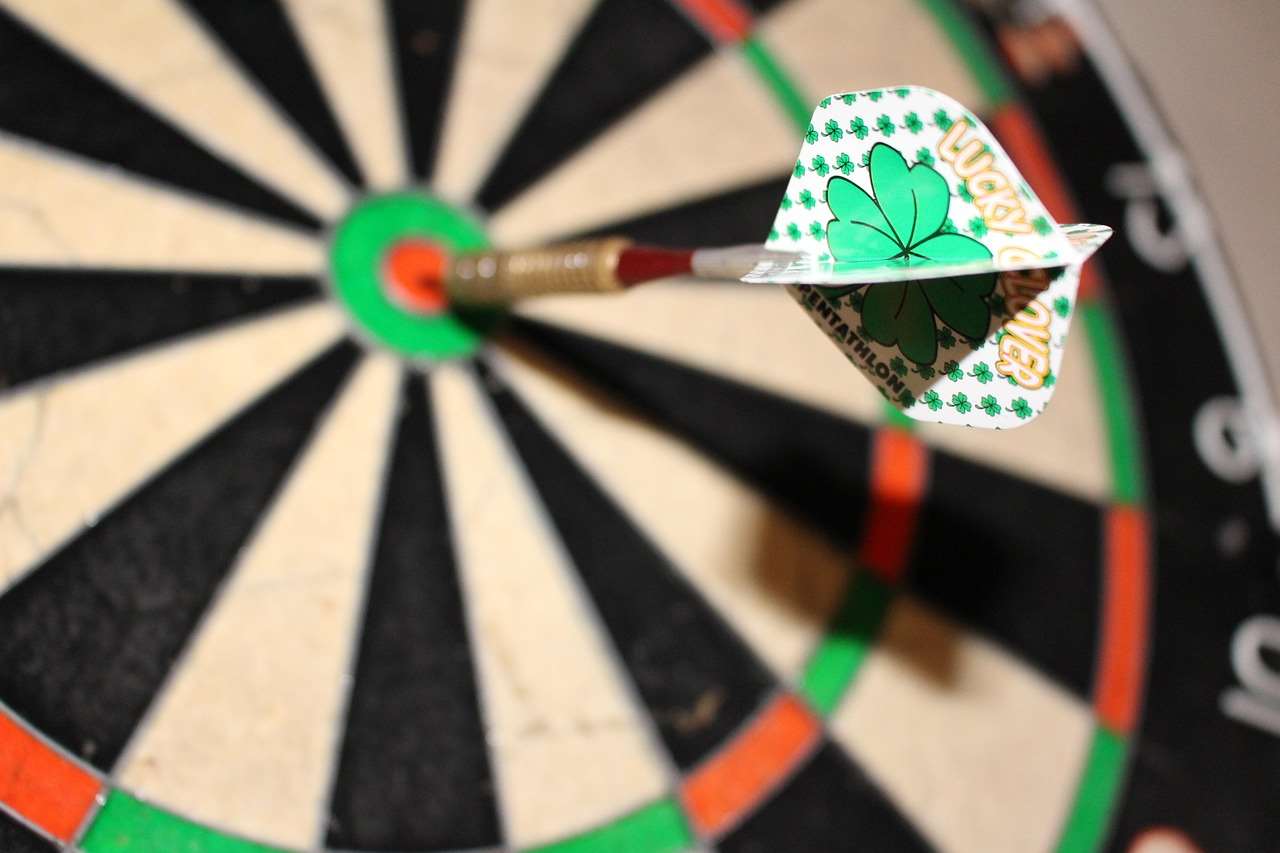
Experiment with different ideas and test them out with your friends. Don’t be afraid to iterate and refine your rules until you have a game that is both fun and challenging. Exploring Darts Variants Fun Games can also provide inspiration!
Essential Equipment and Safety Tips
No Darts game rule template guide is complete without mentioning equipment and safety. Ensuring you have the right setup and follow basic safety precautions is crucial for a positive experience.
Choosing the Right Dartboard and Darts
Investing in quality equipment enhances your gameplay:
- Dartboard: A high-quality sisal dartboard is the best option for durability and longevity. Look for a board with thin wiring to minimize bounce-outs.
- Darts: Choose darts that feel comfortable and balanced in your hand. Experiment with different weights, shapes, and materials to find what works best for you.
Safety First: Protecting Yourself and Others
Darts can be dangerous if not handled properly:
- Designated Throwing Area: Establish a clear throwing area and ensure that no one crosses in front of the thrower.
- Dartboard Surround: Use a dartboard surround to protect the surrounding walls from stray darts.
- Proper Storage: Store darts safely when not in use, out of reach of children and pets.
- Common Sense: Never throw darts when someone is near the board, and never throw darts at anything other than the dartboard.
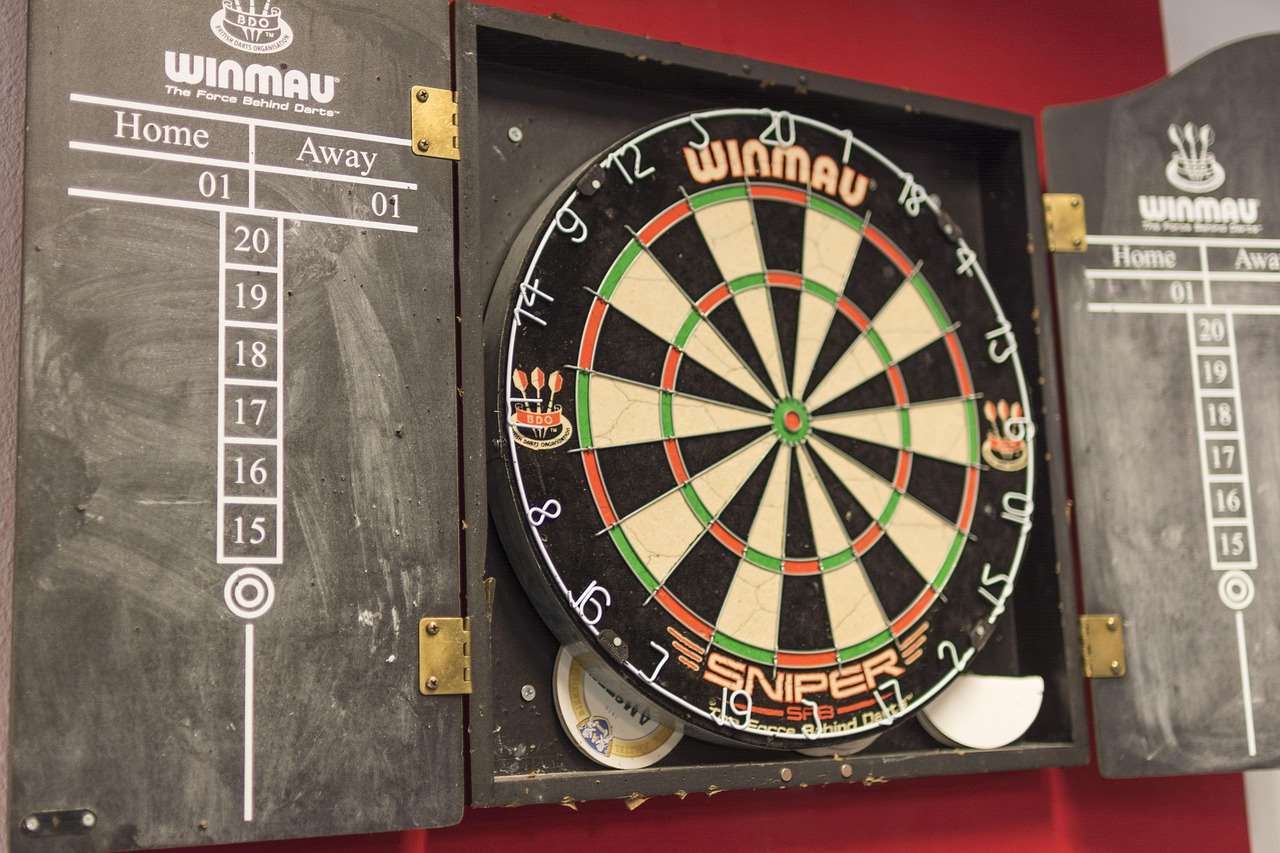
By following these guidelines, you can create a safe and enjoyable environment for playing darts.
Conclusion
This Darts game rule template guide has covered the fundamentals of classic darts games, provided tips for adapting the rules, and encouraged you to create your own variations. Remember, the most important thing is to have fun and enjoy the game. So, gather your friends, set up your dartboard, and start throwing! Experiment with these suggestions to Scaling dart game difficulty, and find what works best for you and your group. Now that you’re armed with this knowledge, get out there and enjoy the game of darts!

Hi, I’m Dieter, and I created Dartcounter (Dartcounterapp.com). My motivation wasn’t being a darts expert – quite the opposite! When I first started playing, I loved the game but found keeping accurate scores and tracking stats difficult and distracting.
I figured I couldn’t be the only one struggling with this. So, I decided to build a solution: an easy-to-use application that everyone, no matter their experience level, could use to manage scoring effortlessly.
My goal for Dartcounter was simple: let the app handle the numbers – the scoring, the averages, the stats, even checkout suggestions – so players could focus purely on their throw and enjoying the game. It began as a way to solve my own beginner’s problem, and I’m thrilled it has grown into a helpful tool for the wider darts community.