Mastering the art of the darts game hit 1 to 20 board is fundamental to becoming a skilled player; aiming accurately at these key numbers unlocks a world of strategic gameplay and scoring opportunities. This article will guide you through the essentials of targeting numbers 1 through 20 on the dartboard, covering techniques, strategies, and practice drills to improve your accuracy and overall darts performance.
⚠️ Still Using Pen & Paper (or a Chalkboard)?! ⚠️
Step into the future! The Dart Counter App handles all the scoring, suggests checkouts, and tracks your stats automatically. It's easier than you think!
Try the Smart Dart Counter App FREE!Ready for an upgrade? Click above!
Understanding the Importance of Targeting 1 to 20
The numbers 1 through 20 aren’t just random markings on a dartboard; they are the building blocks of nearly every darts game. Whether you are playing 501, Cricket, or a simple knockout game, the ability to consistently and accurately target these numbers is crucial. Mastering this skill unlocks higher scores, faster finishes, and a more competitive edge.
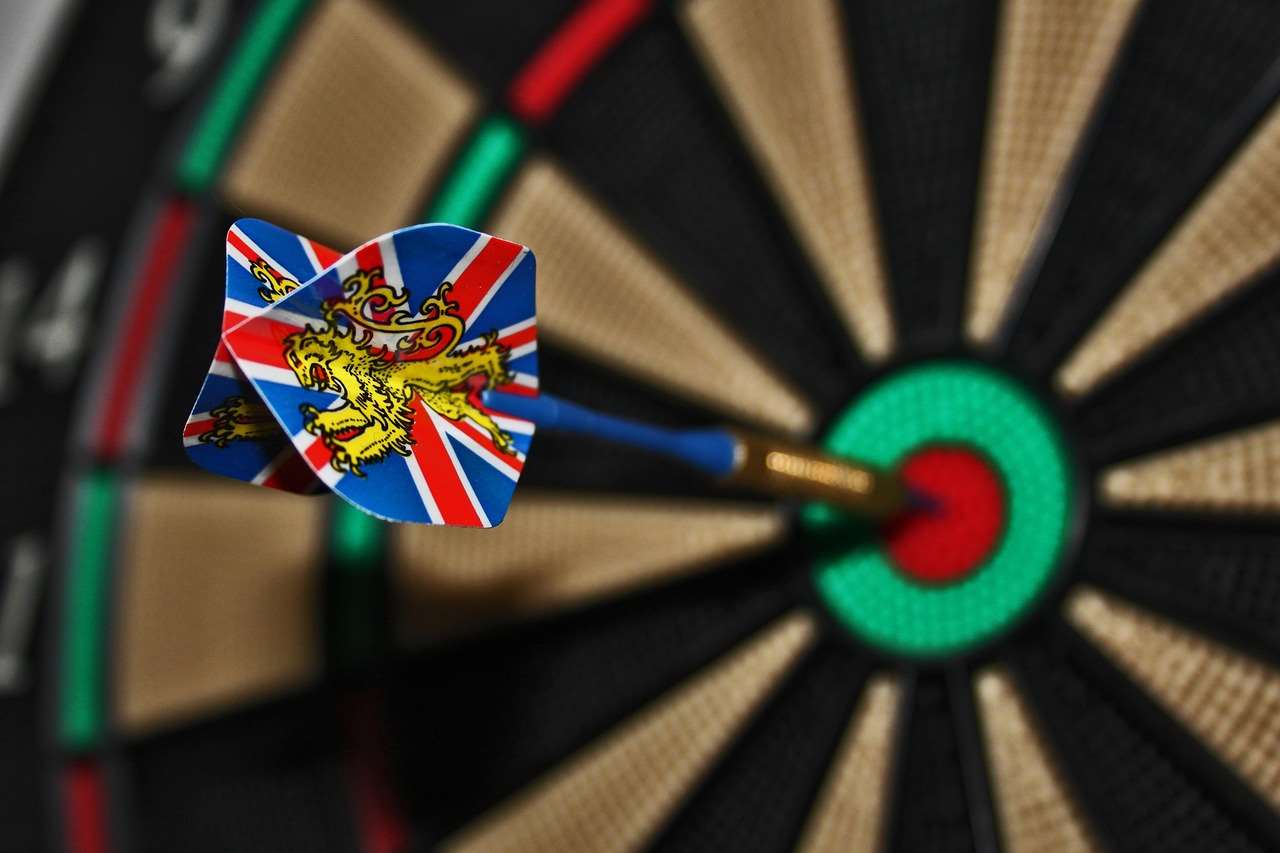
Consider this: in a game of 501, every point counts towards reducing your score to zero. Even seemingly small numbers like 1 or 2 become vital when you are closing in on the final checkout. Similarly, in Cricket, hitting specific numbers is the entire objective. Therefore, dedicating time to practicing and improving your aim on each number is a worthwhile investment.
Why Focus on Individual Numbers?
- Consistent Scoring: Hitting your target number consistently means more reliable scores.
- Strategic Play: Knowing where your darts will land allows you to plan your next throw more effectively.
- Checkout Opportunities: Many checkouts require specific combinations of numbers, so accuracy is paramount.
- Improved Confidence: As your accuracy improves, your confidence will grow, leading to better performance overall.
Techniques for Accurate Targeting
Achieving accuracy in darts involves a combination of stance, grip, throw, and follow-through. Perfecting these elements will significantly improve your ability to consistently hit the 1 to 20 board.
Stance and Posture
Your stance provides the foundation for a stable and repeatable throw. A good stance promotes balance and minimizes unnecessary movement. Here are a few points to consider:
- Foot Placement: Position your front foot pointing towards the board, with your back foot slightly angled for balance. Most players stand perpendicular to the oche (throw line), but slight variations are acceptable.
- Body Alignment: Keep your body relatively still during your throw. Avoid swaying or leaning excessively.
- Weight Distribution: Maintain a balanced weight distribution between both feet.
Grip and Dart Hold
The way you hold the dart significantly impacts your control and accuracy. Experiment with different grips to find what feels most comfortable and natural for you. Consider these factors:
- Pressure: Avoid gripping the dart too tightly. A relaxed grip allows for a smoother release.
- Finger Placement: Most players use three fingers (thumb, index, and middle finger) to grip the dart. Experiment with different finger placements to find what feels most secure.
- Dart Position: Position the dart slightly in front of your eye, allowing you to aim down the barrel.
Throwing Motion
The throwing motion should be smooth and fluid, originating from your elbow and shoulder. Avoid using excessive wrist movement, as this can lead to inconsistency.
- Backswing: Draw the dart back smoothly, keeping your elbow elevated.
- Forward Motion: Accelerate the dart forward, releasing it at the peak of your throw.
- Follow-Through: Follow through with your arm, pointing towards your target after releasing the dart. This helps to maintain accuracy and consistency.

Practice Drills to Improve Your Aim
Regular practice is essential for improving your darts game. Incorporate these drills into your routine to focus on targeting individual numbers on the 1 to 20 board.
The Round the Board Drill
This drill involves throwing three darts at each number in sequence, from 1 to 20. The goal is to hit each number with all three darts before moving on to the next. If you miss a number, continue throwing at that number until you hit it with all three darts.
This drill helps to improve your accuracy and consistency on all the numbers. It also forces you to focus on each individual number, which can be beneficial for mental preparation.
The Double Trouble Drill
This drill focuses on hitting the double segments of each number. Doubles are crucial for checkouts, so mastering this skill is essential for competitive play. Throw three darts at the double of each number, from 1 to 20.
This drill will improve your accuracy on the double segments and help you to develop a feel for the distance and power required to hit them consistently. Consider this Darts Variants Fun Games with handicap.
The Treble Target Drill
Similar to the Double Trouble drill, this focuses on hitting the treble segments. Trebles are key for scoring high and reducing your score quickly in games like 501.
This helps you understand Adapting darts games skills in different scenarios. Focus on hitting the treble 20, treble 19, and treble 18, as these are the highest-scoring trebles.
The Single Segment Challenge
Practice hitting the single segments of each number. While singles may seem less important than doubles and trebles, they are still crucial for strategic play and avoiding unwanted scores.
Strategic Considerations When Targeting
Beyond simply hitting the numbers, consider the strategic implications of your throws. Knowing when to aim for certain numbers can give you a significant advantage in your darts game.
Prioritizing High Scores
In games like 501, prioritizing high scores is essential for reducing your score quickly. Aim for the treble 20 whenever possible, as this is the highest-scoring segment on the board. However, if you are not confident in your ability to hit the treble 20, aim for the single 20 or the treble 19 as alternatives.
Setting Up Checkouts
As you approach the end of a game, focus on setting up checkouts. This involves leaving yourself with a manageable number that you can finish with a double. Familiarize yourself with common checkout combinations and plan your throws accordingly. Sometimes, sacrificing a high score to leave yourself on a favorable checkout is the best strategy.
Defensive Play
In some situations, defensive play may be necessary. This involves aiming for numbers that will prevent your opponent from scoring high or setting up a checkout. For example, if your opponent is close to finishing on a particular double, you might aim for the segment adjacent to that double to block them.
Common Mistakes and How to Correct Them
Even experienced darts players make mistakes from time to time. Identifying and correcting these mistakes is crucial for improving your game. Here are some common mistakes to watch out for and how to fix them:
- Inconsistent Stance: Ensure your stance is stable and repeatable. Practice your stance regularly to develop muscle memory.
- Tight Grip: Relax your grip and avoid squeezing the dart too tightly.
- Excessive Wrist Movement: Minimize wrist movement and focus on using your elbow and shoulder to generate power.
- Poor Follow-Through: Follow through with your arm after releasing the dart, pointing towards your target.
- Rushing Your Throw: Take your time and focus on your aim before releasing the dart.
It is important to understand Darts games different skill levels to get better at game play.
Equipment Considerations
The equipment you use can also affect your accuracy and performance. Choosing the right darts and dartboard can make a significant difference.
Dart Weight and Material
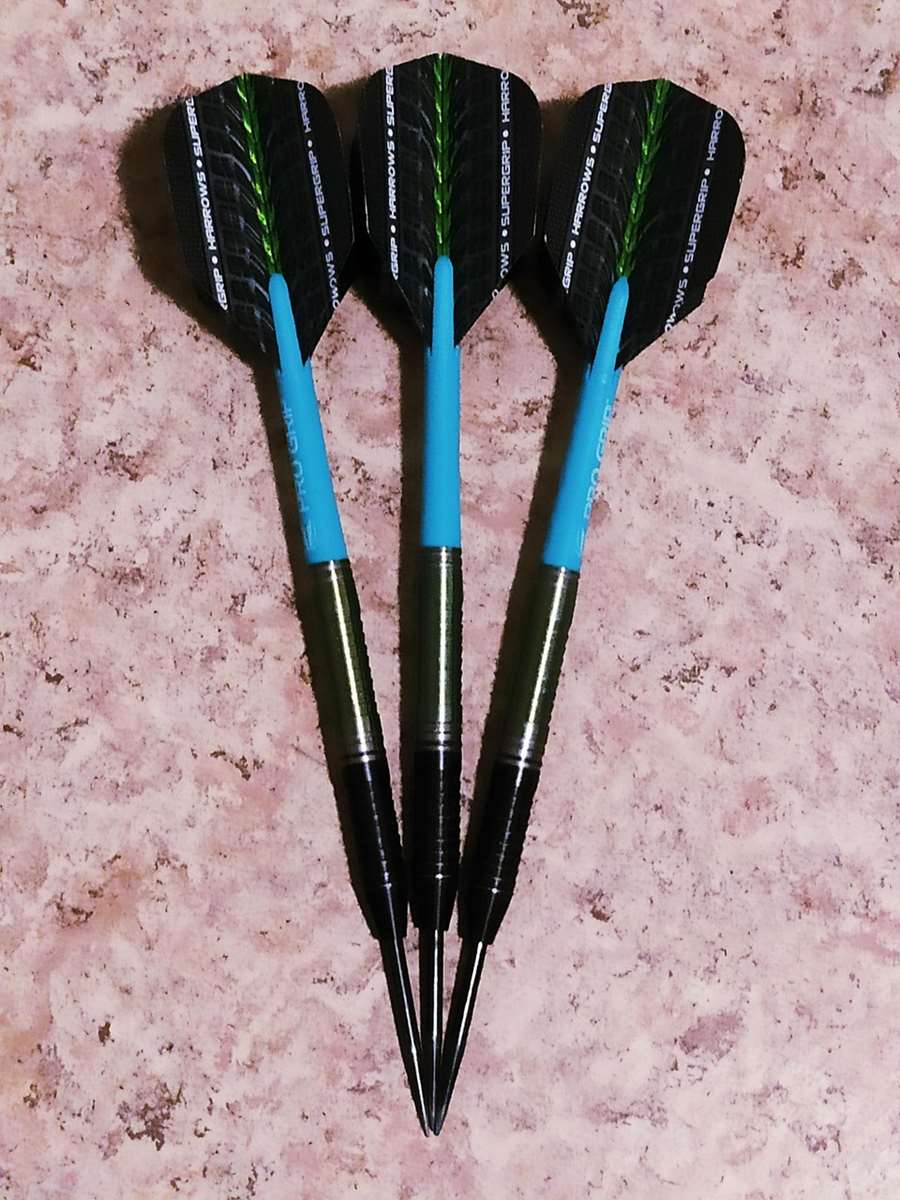
Darts are available in a variety of weights and materials. Experiment with different darts to find what feels best for you. Heavier darts tend to be more stable in the air, while lighter darts may be easier to control. Common dart materials include brass, nickel-silver, and tungsten.
Dart Shafts and Flights
The shafts and flights also play a role in the dart’s trajectory. Shorter shafts tend to make the dart fly straighter, while longer shafts may provide more stability. Flights come in a variety of shapes and sizes, each affecting the dart’s aerodynamics. Experiment with different combinations of shafts and flights to find what works best for your throwing style.
Dartboard Quality and Setup
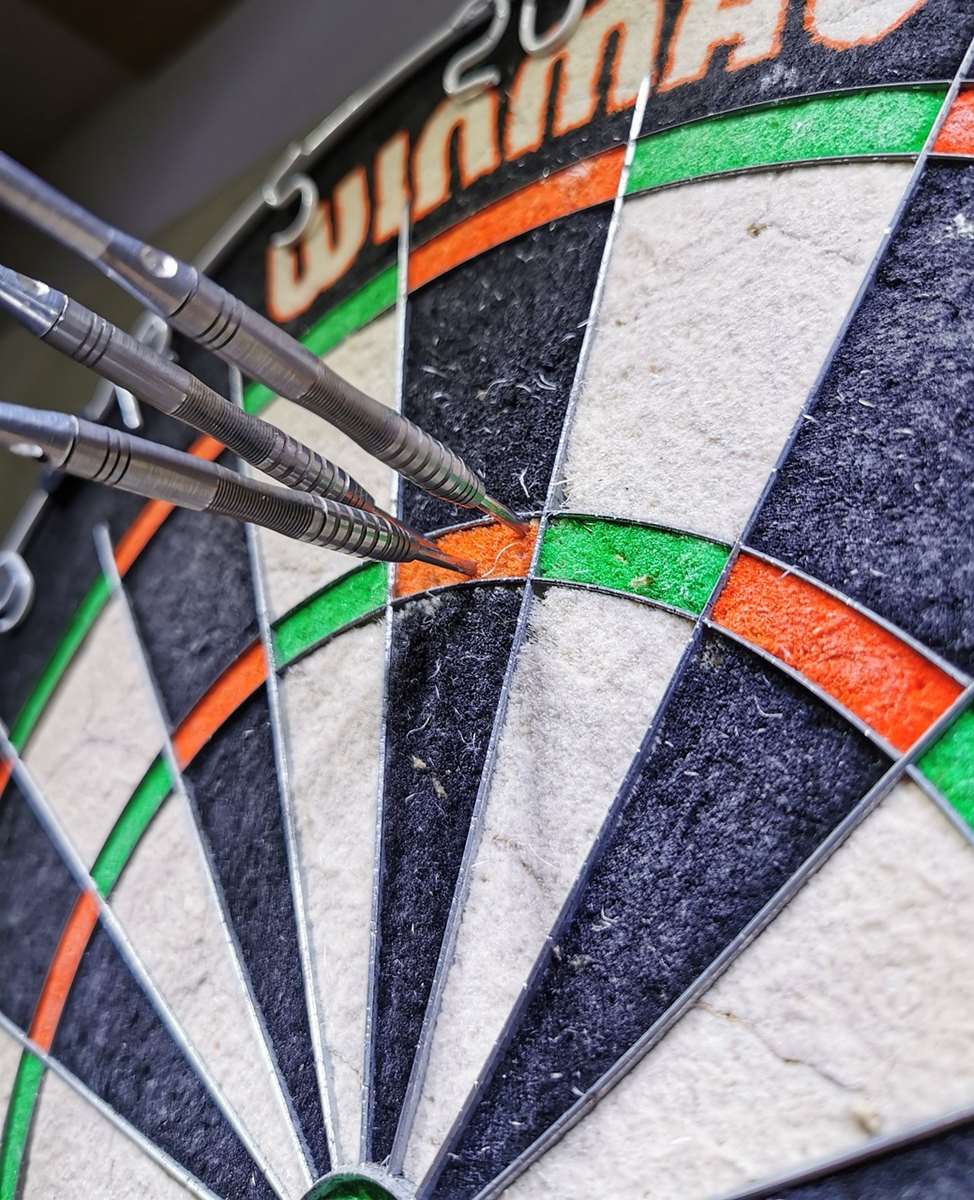
Invest in a high-quality dartboard made of sisal fibers. Sisal boards are self-healing, meaning that the holes created by the darts will close up over time. Ensure your dartboard is properly mounted at the correct height (5 feet 8 inches to the bullseye) and distance (7 feet 9.25 inches from the oche to the face of the board).
Mental Game and Focus
Darts is not just a physical game; it also requires mental toughness and focus. Developing a strong mental game can help you to stay calm under pressure and perform at your best.
Visualization Techniques
Before each throw, visualize the dart hitting your target. This can help to improve your focus and confidence. Imagine the trajectory of the dart and the feeling of it hitting the desired segment.
Breathing Exercises
Practice deep breathing exercises to calm your nerves and reduce anxiety. Take a few deep breaths before each throw to center yourself and focus on the task at hand. Try to understand Making darts games fair players.
Positive Self-Talk
Replace negative thoughts with positive affirmations. Believe in your ability to hit your target and encourage yourself throughout the game. Avoid dwelling on mistakes and focus on the next throw.
Advanced Techniques for Mastery
Once you have mastered the basics of targeting the 1 to 20 board, you can begin to explore more advanced techniques to further improve your game. These techniques require dedication and practice, but they can help you to reach a higher level of performance.
Grouping and Consistency
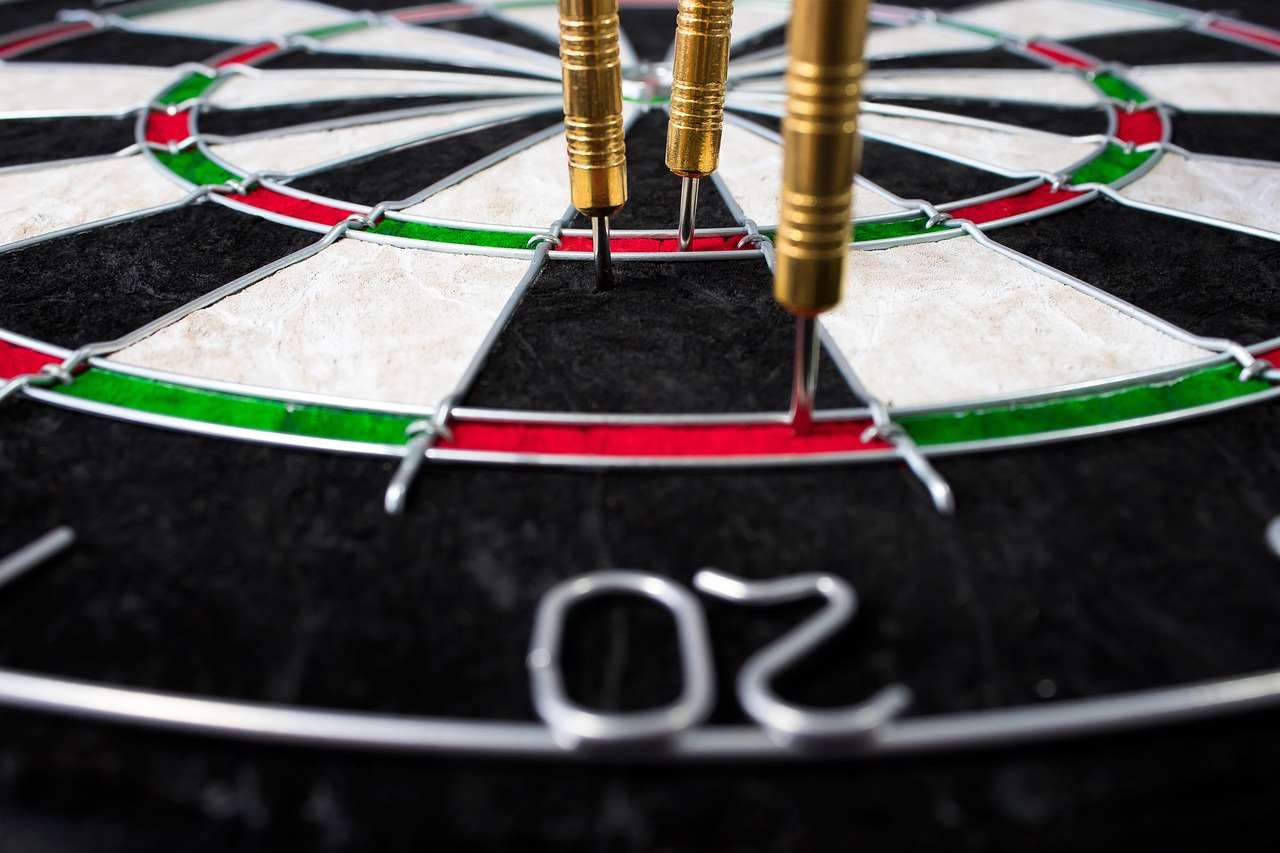
Focus on grouping your darts tightly together. Consistent grouping is more important than hitting the exact center of the target. If your darts are consistently landing in the same area, you can adjust your aim slightly to bring them closer to the center.
Reading the Board
Learn to “read the board” and anticipate where your darts will land. Pay attention to the angle and trajectory of your darts and make adjustments accordingly. This skill takes time and practice to develop, but it can significantly improve your accuracy and consistency.
Varying Your Throw
Experiment with different throwing styles and techniques. Some players prefer a faster, more aggressive throw, while others prefer a slower, more deliberate throw. Find what works best for you and don’t be afraid to try new things.
Conclusion
Mastering the darts game hit 1 to 20 board is a journey that requires dedication, practice, and a strategic mindset. By focusing on the techniques, drills, and strategies outlined in this article, you can significantly improve your accuracy and overall darts performance. Remember to stay patient, persistent, and always strive to learn and improve. Now, pick up your darts, aim true, and start hitting those numbers! Consider practicing with these Handicap system fun dart games.

Hi, I’m Dieter, and I created Dartcounter (Dartcounterapp.com). My motivation wasn’t being a darts expert – quite the opposite! When I first started playing, I loved the game but found keeping accurate scores and tracking stats difficult and distracting.
I figured I couldn’t be the only one struggling with this. So, I decided to build a solution: an easy-to-use application that everyone, no matter their experience level, could use to manage scoring effortlessly.
My goal for Dartcounter was simple: let the app handle the numbers – the scoring, the averages, the stats, even checkout suggestions – so players could focus purely on their throw and enjoying the game. It began as a way to solve my own beginner’s problem, and I’m thrilled it has grown into a helpful tool for the wider darts community.