Choosing the right darts flights and stems is crucial for consistent accuracy and a satisfying throwing experience. This article will guide you through understanding their function, selecting the optimal combination, and improving your game. We’ll also cover maintenance and explore different types available.
⚠️ Still Using Pen & Paper (or a Chalkboard)?! ⚠️
Step into the future! The Dart Counter App handles all the scoring, suggests checkouts, and tracks your stats automatically. It's easier than you think!
Try the Smart Dart Counter App FREE!Ready for an upgrade? Click above!
The relationship between darts flights and stems is fundamental to a dart’s flight path. The stem connects the flight to the barrel, while the flight itself provides stability and control. Understanding this synergy is vital for improving your game. Selecting the appropriate combination is key; the wrong setup can lead to inconsistent throws and missed scores. A proper setup enhances your dart’s trajectory, ensuring the dart achieves its target.
Understanding Darts Flights and Stems
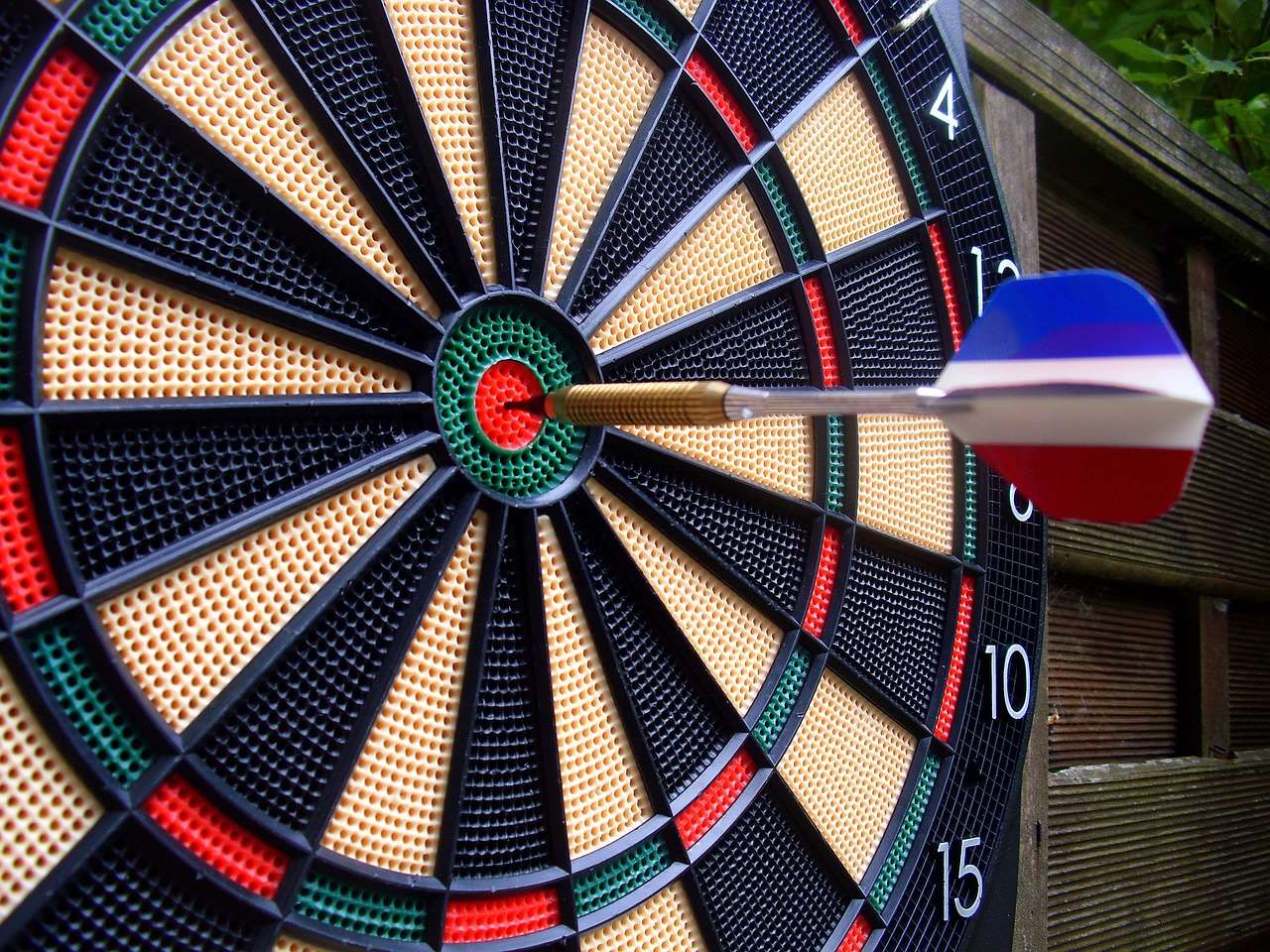
Let’s delve into the individual roles of darts flights and stems. The stem is the small, often plastic, component that sits between the dart barrel and the flight. Its primary function is to provide a secure connection between these two elements. Different stem lengths and materials impact the dart’s overall balance and flight characteristics. This means that the length of the stem dictates how the dart will fly.
Darts flights, on the other hand, are the plastic fins at the back of the dart. They provide stability and control during flight. The shape, size, and material of the flight significantly influence the dart’s trajectory. Flights come in various shapes and sizes – standard, kite, pear, and more – each affecting how the dart behaves in the air. The size and shape affect the dart’s stability and are adjusted to suit player preferences and the type of darts used.
Choosing the Right Stem Length
The length of your stem is a key factor in determining your dart’s trajectory. Short stems generally provide a more front-loaded feel, suitable for players who prefer a more direct, powerful throw. Longer stems, conversely, shift the center of gravity further back, offering more stability and potentially a smoother, less abrupt flight path. Experiment to discover which length suits your throw best, keeping in mind the weight and shape of your darts flights and stems.
Flight Shapes and Their Impact
The shape of your darts flight dramatically influences the stability and trajectory of your dart. Standard flights are the most common, providing a balanced and reliable flight path. Kite flights offer increased stability, making them ideal for players who struggle with consistency. Pear-shaped flights provide more surface area, which can improve stability but sometimes at the cost of speed.
Ultimately, the best flight shape is subjective and depends on your throwing style and dart weight. You might need to experiment with different flight shapes to find out what best suits your personal preferences and needs. You can even consult the manufacturer’s recommendations for specific darts and consider watching professional darts players and observing the darts flights and stems they use to gauge best practice.

Materials: Stems and Flights
Both stems and flights are produced from various materials, each affecting durability and performance. Nylon stems are popular for their strength and flexibility, while aluminum stems offer increased durability. Similarly, darts flights are available in various materials such as nylon, polypropylene, and even plastic-coated paper. Nylon and polypropylene are the most common due to their durability and affordability. Consider these when making your selection, balancing cost and longevity.
Maintaining Your Darts Flights and Stems
Proper maintenance of your darts flights and stems is essential for preserving their performance and extending their lifespan. Regularly inspect your flights for any damage, such as tears or bends. Replace them as soon as any damage is noted; damaged flights can negatively impact your game. Consider carrying spares in a dart case for convenience when replacing damaged parts.
Clean your darts regularly with a soft cloth to remove dust and debris, especially important if you play in smoky environments. While cleaning, check the secure fit of your darts flights and stems. If the connection between the stem and the flight seems loose, you may need to replace either or both. A loose fit compromises the accuracy and stability of your throws.
Troubleshooting Common Issues
Do your darts wobble in flight? This often indicates a problem with your darts flights and stems. A bent stem or a damaged flight is the most likely culprit. Replace the affected components to remedy this. Are your darts veering consistently to one side? This could be a result of an unbalanced flight arrangement. Check for any inconsistencies between flights; they should be all be properly positioned and evenly aligned.
Consider your grip and throwing style as well. Are you gripping the darts too tightly? This can add inconsistencies to your game. Experiment with various dart configurations until you find a setup that works best for you. Using a professional Electronic dart score counter can also be an invaluable tool to assess the consistency of your throws and assist with making these adjustments.

Advanced Techniques and Customization
While the basics of darts flights and stems are straightforward, customizing your setup can significantly impact your game. Experiment with different combinations of stem lengths and flight shapes to find the configuration that best complements your throwing style and preferred dart weight. This process often involves trial and error, testing different setups to find the optimal balance between stability and speed.
Some players even opt for custom-made flights, which are tailored to their precise specifications. This degree of customization allows you to fine-tune the flight characteristics to match your unique throwing style. This is especially popular among professional dart players who are fine-tuning their performance to maximum efficacy.
Finding the Right Darts Flights and Stems for You
The market offers a wide range of darts flights and stems. Choosing the right ones can be daunting, but starting with the basics is key. Consider your dart weight, throwing style, and personal preferences. Begin by experimenting with different stem lengths and common flight shapes. This process allows you to understand the various effects of different setups and identify what best suits you. If you’re uncertain, seek advice from experienced players or retailers specializing in darts equipment.
Consider the frequency of play as well when selecting materials. For casual players, cost-effective nylon components might be sufficient. However, those who play more frequently may prefer the durability of higher-quality materials, like aluminum stems.
Frequently Asked Questions
What is the most common type of dart flight?
Standard flights are by far the most common type, offering a good balance of stability and speed. They are a great starting point for most players.
How often should I replace my darts flights?
Replace your darts flights as soon as they become damaged or worn. Bent or torn flights significantly impact the accuracy of your throws, and continuing to use them can lead to frustrating inconsistencies.
Can I use any stem with any dart?
While most stems are compatible with most darts, it’s always best to check the manufacturer’s recommendations. Some dart barrels have specific stem length requirements, which should be followed for optimal results.
What’s the impact of the weight of darts flights and stems?
While flights and stems contribute relatively little overall weight, they influence the center of gravity. This affects your throw’s balance and consistency. Consider the total weight when adjusting setups. For instance, lighter darts flights and stems can be better suited for those who prefer faster throws, while those with heavier setups are often preferred by people who prioritize more stability.
A poorly chosen setup of darts flights and stems can dramatically affect your game. Finding the right combination involves understanding how each component interacts, what materials are most suitable for your game, and the maintenance required to ensure optimal performance. Don’t neglect this critical aspect of your dart-playing equipment, as it will directly impact your consistency and overall score. A minor adjustment could make all the difference between throwing a successful dart or missing your mark entirely. Remember, consistent practice and experimenting with different setups will help you discover the perfect darts flights and stems combination for your individual style. If you’re struggling with a specific aspect of your darts game, like finding your double, remember to check out this article for valuable information on this topic.

Conclusion
Mastering the art of choosing the right darts flights and stems is a journey of experimentation and refinement. Understanding the functions of each component, the impact of different materials, and the importance of regular maintenance will significantly improve your game. From the initial selection to ongoing care, the knowledge gained will boost your confidence and lead to more consistent and accurate throws. Remember to experiment with different combinations to discover what works best for you. This ultimately empowers you to refine your game and achieve higher scores. Remember to check our other articles such as darts the master baiter or dart upgrade for even more tips and tricks!

Hi, I’m Dieter, and I created Dartcounter (Dartcounterapp.com). My motivation wasn’t being a darts expert – quite the opposite! When I first started playing, I loved the game but found keeping accurate scores and tracking stats difficult and distracting.
I figured I couldn’t be the only one struggling with this. So, I decided to build a solution: an easy-to-use application that everyone, no matter their experience level, could use to manage scoring effortlessly.
My goal for Dartcounter was simple: let the app handle the numbers – the scoring, the averages, the stats, even checkout suggestions – so players could focus purely on their throw and enjoying the game. It began as a way to solve my own beginner’s problem, and I’m thrilled it has grown into a helpful tool for the wider darts community.