Improving your finishing in darts is crucial for consistent success, and **darts finishing practice games** are the key to achieving that. This article will explore various **practice routines and games** designed to sharpen your ability to close out legs with fewer darts, covering everything from basic checkouts to advanced combinations.
⚠️ Still Using Pen & Paper (or a Chalkboard)?! ⚠️
Step into the future! The Dart Counter App handles all the scoring, suggests checkouts, and tracks your stats automatically. It's easier than you think!
Try the Smart Dart Counter App FREE!Ready for an upgrade? Click above!
Why Practice Finishing in Darts?
Many darts players spend hours honing their scoring ability, consistently hitting high numbers like 100, 140, or even 180. However, all that scoring counts for little if you struggle to finish a leg. Finishing is the art of converting a high score into a win, and it requires a different skill set than simply racking up the points. Effective **darts finishing practice games** help you develop:
- Accuracy under pressure: Simulating the pressure of a real match.
- Checkout knowledge: Memorizing common and optimal checkouts.
- Strategic thinking: Planning your shots for the next visit.
- Confidence: Believing you can hit the required doubles.
Without dedicated practice, you’ll find yourself frequently leaving awkward numbers and missing crucial doubles. Consistent **finishing practice** will dramatically improve your overall game and win rate. You might even find yourself exploring Darts Variants Fun Games to mix up your training.
Essential Darts Finishing Practice Games
Here are several **darts finishing practice games** you can incorporate into your training routine:
Around the Clock (Doubles)
This is a classic and fundamental **finishing practice game**. The goal is simple: start at double 1 (D1) and work your way around the board, hitting each double in sequence (D2, D3, D4, etc.) until you reach double 20 (D20) and finally the bullseye (DB). There are many variations such as allowing yourself 3 darts per double or penalizing misses.
- Beginner Tip: If you’re struggling with a particular double, allow yourself a few extra darts or move on and come back to it later. Focus on building consistency.
- Advanced Tip: Time yourself and try to beat your personal best. Introduce penalties for misses to increase the pressure.
Checkout Charts and Routines
Checkout charts are invaluable resources for learning common checkouts. Study these charts and then use them in your **darts finishing practice games**. Start with checkouts under 40, then gradually work your way up to more complex combinations.
Example Routine:
- Start with 40: Practice hitting D20.
- Move to 32: Practice hitting D16.
- Then 50 (Bull): Practice hitting the bullseye.
- Continue up to 170: Practice the standard 170 checkout (T20, T20, DB).
Vary your starting number and focus on hitting the required checkouts consistently. Consider exploring history of darts games uk to gain a deeper appreciation of how these practices evolved.
The 100 Out Game
This game focuses on more complex checkouts. Start with 100 points and attempt to checkout the score in as few darts as possible. This requires strategic thinking and the ability to plan your shots.
- Beginner Tip: Focus on leaving yourself a comfortable double. For example, if you hit a single 20, you’ll be left with 80, which can be followed up with a T20 to leave a D10.
- Advanced Tip: Experiment with different routes to the checkout. Try to find the most efficient and consistent combinations.
The “Around the Board” 1-Dart Checkout Challenge
This challenge focuses on increasing the amount of doubles you can hit. You set the score to a number and try to hit it using 1 dart, then keep increasing the score and playing with the number to see if you can hit it with the remaining darts.
- Beginner Tip: Focus on practicing each double until you’ve mastered it.
- Advanced Tip: Try using your off hand to practice. This will improve coordination.
Advanced Darts Finishing Practice Techniques
Once you’ve mastered the basics, you can move on to more advanced **darts finishing practice games** and techniques:
The “Leave a Double” Game
This game emphasizes strategic thinking and planning. The goal is to leave yourself a specific double after two darts. For example, you might aim to leave D16 after two darts. This requires careful calculation and the ability to set up the shot.
Variations:
- Specify the double: Choose a specific double (e.g., D16, D20) and try to leave it consistently.
- Random double: Have someone else choose a random double for you to leave.
High-Pressure Simulation
To simulate the pressure of a real match, try these techniques during your **darts finishing practice games**:
- Introduce distractions: Play with music or while someone is talking to you.
- Set time limits: Give yourself a limited amount of time to complete each checkout.
- Play against a “virtual opponent”: Use a dart scoring app to simulate playing against an opponent with a set average.
Regular exposure to these situations will help you stay calm and focused under pressure. You might find parallels in forgotten pub dart games, where distractions were often part of the experience.
Mental Visualization
Mental visualization is a powerful tool for improving your finishing. Before each practice session, take a few minutes to visualize yourself hitting the required doubles. Imagine the feeling of the dart leaving your hand, the trajectory of the dart, and the satisfying thud as it lands in the double.
Benefits:
- Improves focus: Helps you concentrate on the task at hand.
- Builds confidence: Reinforces your belief in your ability to hit the doubles.
- Reduces anxiety: Helps you stay calm and relaxed under pressure.
Tips for Effective Darts Finishing Practice
To maximize the benefits of your **darts finishing practice games**, keep these tips in mind:
- Practice Regularly: Consistency is key. Aim to practice finishing for at least 15-30 minutes several times a week.
- Focus on Quality over Quantity: Don’t just throw darts aimlessly. Focus on hitting each double with precision and control.
- Track Your Progress: Keep a record of your scores and checkouts. This will help you identify areas where you need to improve and track your overall progress.
- Be Patient: Finishing can be frustrating, especially when you’re first starting out. Don’t get discouraged if you don’t see results immediately. Just keep practicing and you will eventually improve.
Choosing the Right Darts and Setup
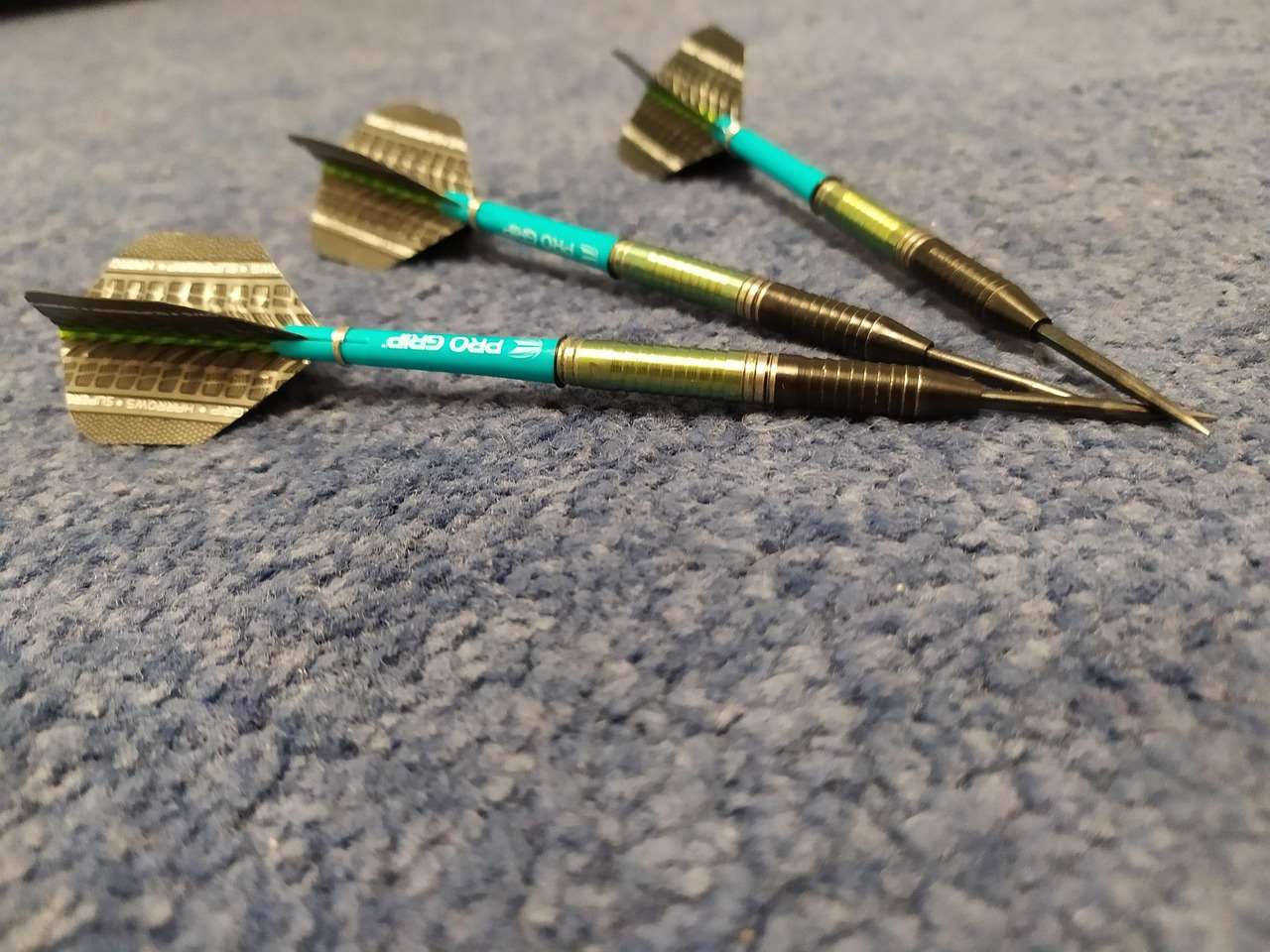
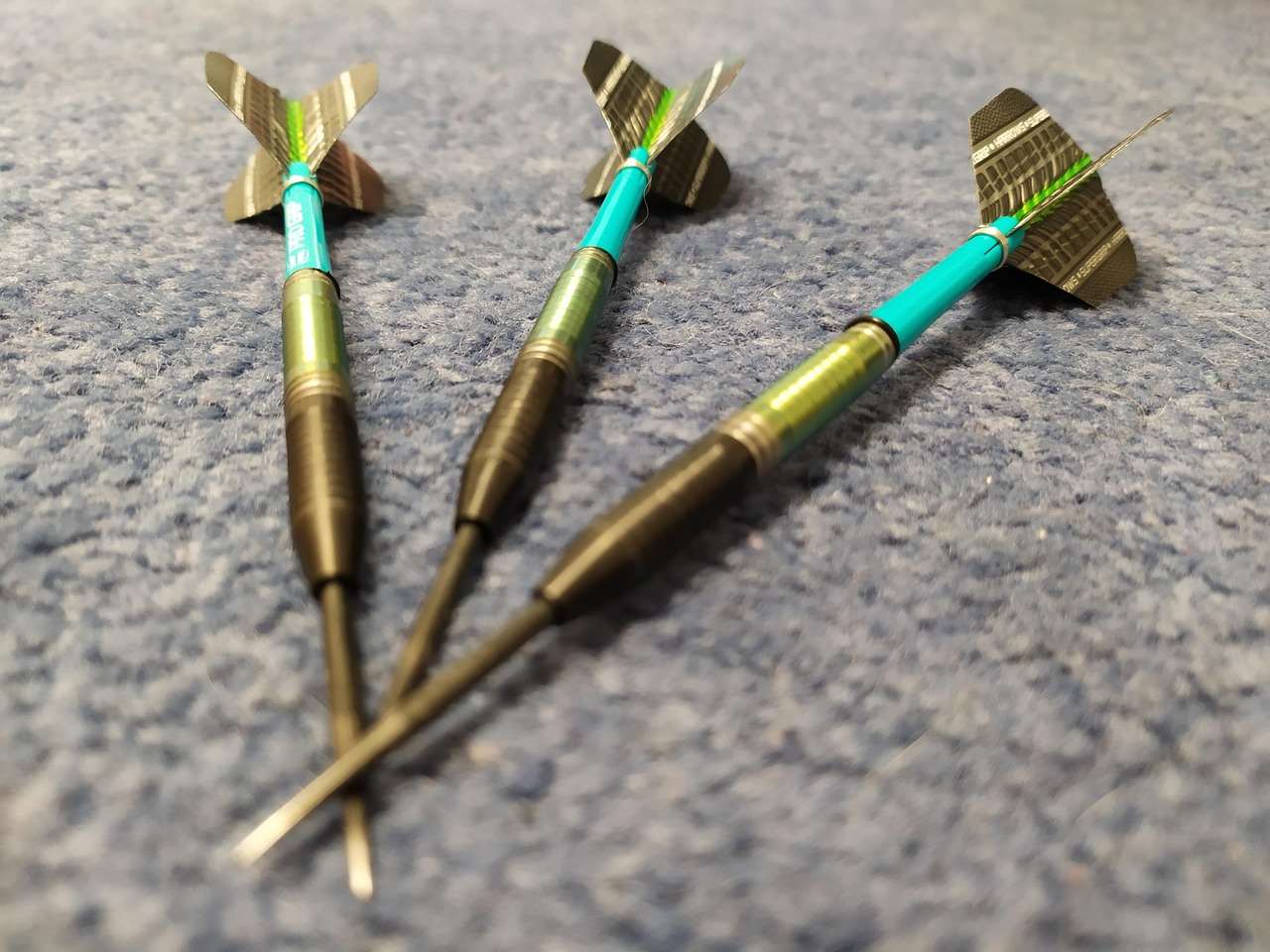
Your darts and setup can also impact your finishing ability. Make sure you have darts that are comfortable to hold and throw, and that your dartboard is properly positioned and well-lit. Experiment with different dart weights, shaft lengths, and flight shapes to find what works best for you. Consider exploring old dart games rules to understand the evolution of equipment and gameplay.
Dart Weight and Grip
The weight of your darts significantly impacts your throw. Heavier darts tend to be more stable in the air, while lighter darts offer more finesse. Experiment with different weights to find what feels most natural.
Your grip is also crucial. A consistent and comfortable grip will help you release the dart smoothly and accurately. Practice different grip styles to find what works best for your hand.
Dartboard Setup
Ensure your dartboard is hung at the correct height (5 feet 8 inches to the bullseye) and distance (7 feet 9 1/4 inches from the oche to the face of the board). A properly positioned dartboard will help you develop a consistent throwing stance and improve your accuracy.
Tools and Resources for Darts Finishing Practice Games
There are many helpful tools and resources available to enhance your **darts finishing practice games**:
- Dart Scoring Apps: These apps can track your scores, suggest checkouts, and simulate matches against virtual opponents.
- Checkout Charts: Printed or online charts that show common checkouts and combinations.
- Online Dart Calculators: Tools that can calculate the optimal checkout for any given score.
- Darts Training Websites and Videos: Resources that offer tips and advice on improving your finishing technique.
By utilizing these resources, you can take your **finishing practice** to the next level and achieve significant improvements in your game. It might be interesting to compare these modern techniques with obscure dartboard games list to see how practice methods have evolved.
Conclusion
Mastering finishing is the ultimate key to success in darts. By incorporating **darts finishing practice games** into your regular training routine, you can dramatically improve your accuracy, strategic thinking, and confidence. Start with the basic drills like “Around the Clock” and gradually progress to more advanced techniques like the “Leave a Double” game and high-pressure simulations. Remember to focus on quality over quantity, track your progress, and be patient. With dedicated practice, you’ll be hitting those crucial doubles and closing out legs like a pro. So grab your darts, choose your practice game, and start sharpening your finishing skills today! Remember to check out our other articles on improving your darts game!

Hi, I’m Dieter, and I created Dartcounter (Dartcounterapp.com). My motivation wasn’t being a darts expert – quite the opposite! When I first started playing, I loved the game but found keeping accurate scores and tracking stats difficult and distracting.
I figured I couldn’t be the only one struggling with this. So, I decided to build a solution: an easy-to-use application that everyone, no matter their experience level, could use to manage scoring effortlessly.
My goal for Dartcounter was simple: let the app handle the numbers – the scoring, the averages, the stats, even checkout suggestions – so players could focus purely on their throw and enjoying the game. It began as a way to solve my own beginner’s problem, and I’m thrilled it has grown into a helpful tool for the wider darts community.