Successfully hosting a darts exhibition requires meticulous planning and attention to detail, especially concerning the darts exhibition technical requirements. This ensures a smooth, professional, and enjoyable experience for both players and spectators. In this article, we’ll explore the crucial technical aspects you need to consider, from setting up the oche to managing sound and lighting.
⚠️ Still Using Pen & Paper (or a Chalkboard)?! ⚠️
Step into the future! The Dart Counter App handles all the scoring, suggests checkouts, and tracks your stats automatically. It's easier than you think!
Try the Smart Dart Counter App FREE!Ready for an upgrade? Click above!
Understanding the Core Darts Exhibition Technical Requirements
The success of any darts exhibition hinges on fulfilling certain technical requirements. These aren’t just about having a dartboard; they encompass the entire setup and infrastructure needed to create a professional and entertaining event. Let’s break down the essential components:
- Dartboard Setup: Accurate placement and secure mounting are paramount.
- Oche and Throwing Space: Ensuring adequate space and clearly marked distances.
- Lighting: Optimal illumination for both the dartboard and the surrounding area.
- Sound System: Clear audio for announcements and music.
- Scoring and Display: A reliable system for tracking and displaying scores.
- Stage and Backdrop: Creating a visually appealing environment.
Dartboard Mounting and Placement
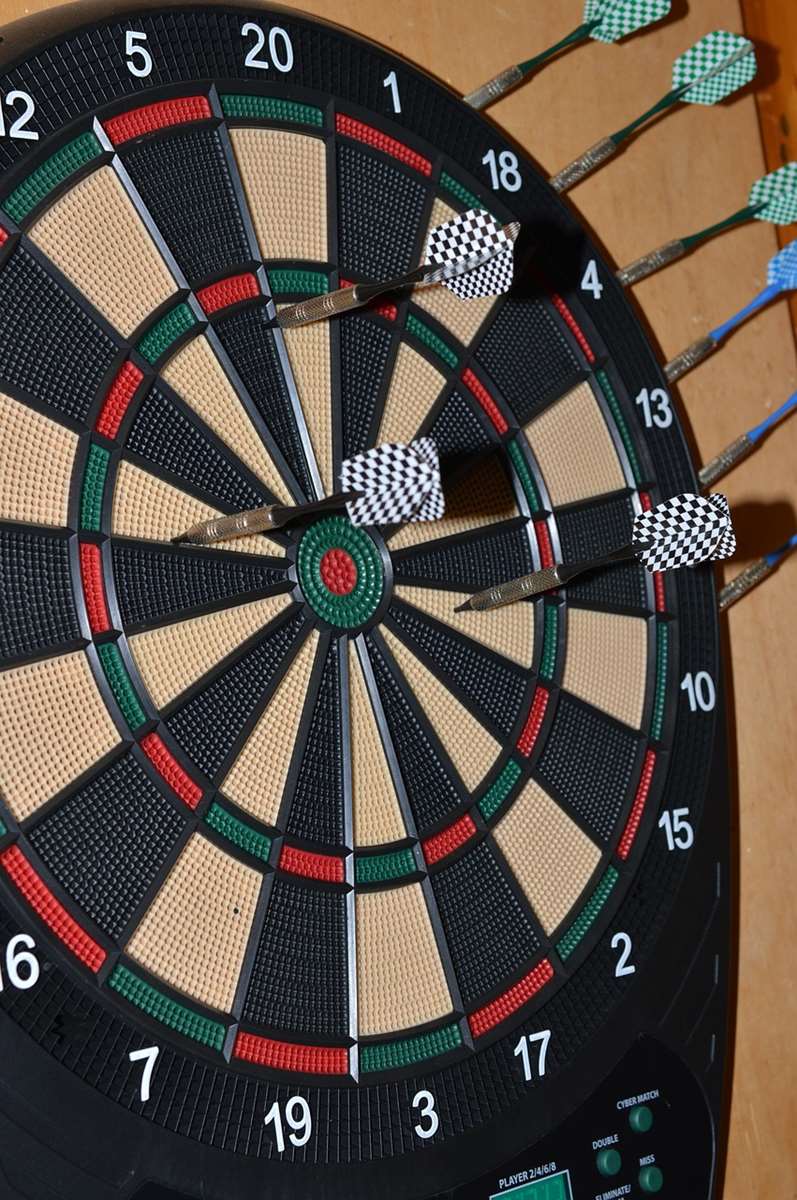
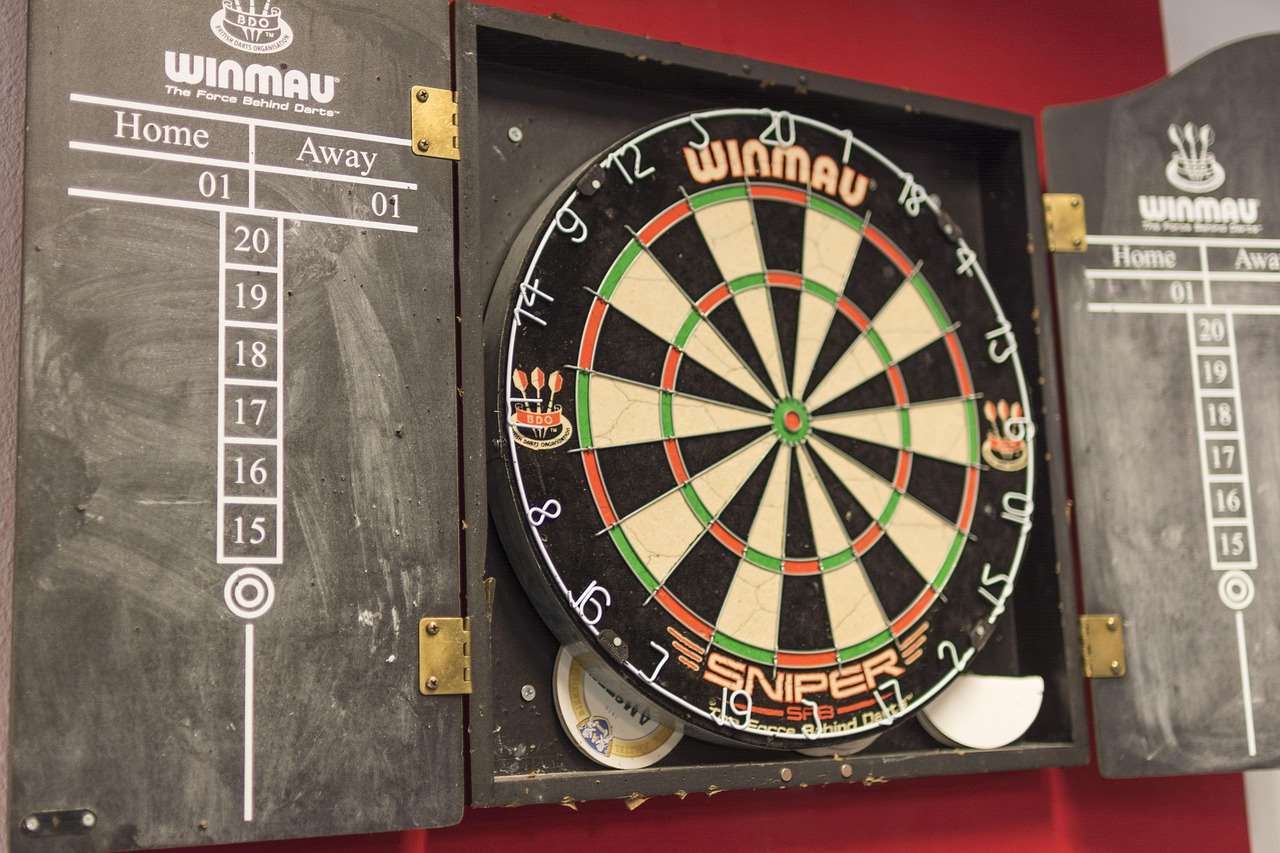
The dartboard must be hung according to official regulations. The center of the bullseye should be exactly 5 feet 8 inches (1.73 meters) from the floor. It’s crucial to use a robust mounting bracket that can securely hold the dartboard and prevent it from wobbling during play. A flimsy setup is a significant breach of darts exhibition technical requirements. Regularly inspect the board to ensure its integrity. Proper dartboard height is essential for fair play.
Consider using a surround to protect the wall from stray darts. This not only safeguards your venue but also enhances the overall professional appearance of the exhibition. The surround should be securely attached and provide ample coverage around the dartboard.
Oche and Throwing Distance
The oche, or throwing line, must be clearly marked and positioned exactly 7 feet 9 1/4 inches (2.37 meters) from the face of the dartboard. Use a durable, non-slip material for the oche itself. Ensure that there is ample space behind the oche for players to stand comfortably and throw without obstruction. The throwing space should be free from obstacles that could impede a player’s stance or throw. This is a critical element within the darts exhibition technical requirements.
It is also advisable to provide a clearly marked “toe line” at the oche to ensure consistent throwing distance. The toe line can be a raised strip of wood or metal, or simply a painted line on the floor. A consistent throwing distance is crucial for fair play and professional appearance.
Lighting for a Darts Exhibition: Illuminating the Game
Proper lighting is crucial for visibility and enhancing the spectator experience. Avoid glare and shadows on the dartboard. LED lighting is a good choice as it is energy-efficient and provides consistent illumination. The lighting should be focused on the dartboard itself, but also provide adequate ambient light for the surrounding area. Consider adjustable lighting to fine-tune the brightness and direction. This is a vital consideration of darts exhibition technical requirements.
Specific Lighting Recommendations
- Use multiple light sources to minimize shadows.
- Position lights above and slightly in front of the dartboard.
- Ensure the lighting is bright enough for clear visibility but not blinding.
- Test the lighting setup with players before the exhibition to ensure it is comfortable for them.
Sound System Considerations
A good sound system is essential for making announcements, playing music, and creating an atmosphere. The system should be capable of producing clear, distortion-free sound at a volume that is appropriate for the venue. Consider using wireless microphones for presenters and MCs to allow them to move freely around the stage. The sound system is an important part of darts exhibition technical requirements. Did you know about the Business of Darts and how it intersects with event planning?
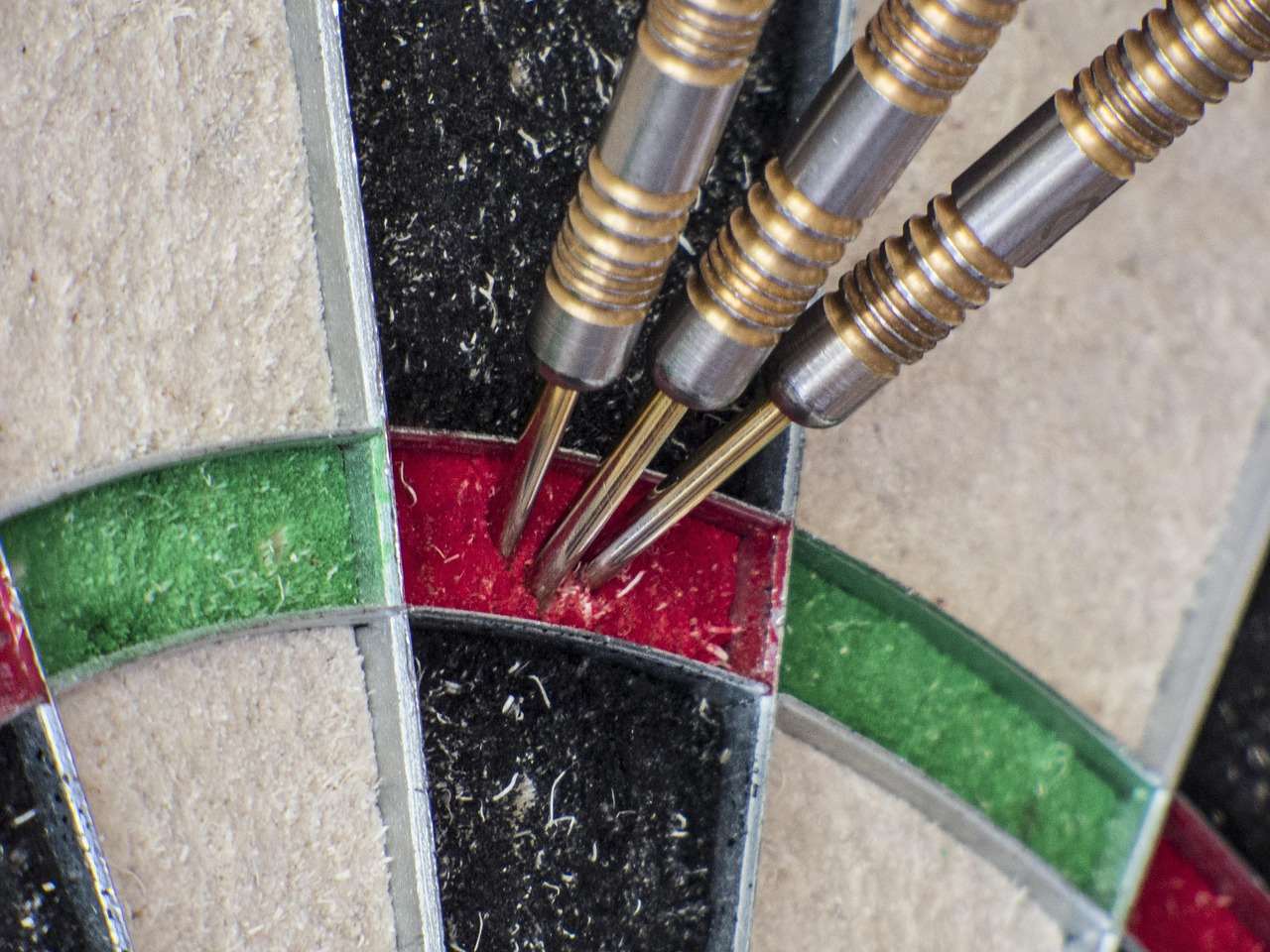
Consider the acoustics of the venue when setting up the sound system. Hard surfaces can cause echoes, while soft surfaces can absorb sound. Adjust the speaker placement and volume accordingly to achieve the best sound quality. A properly balanced sound system makes a huge difference.
Scoring and Display Systems
Accurate and reliable scoring is essential for maintaining the integrity of the exhibition. Consider using an electronic scoring system that automatically tracks scores and displays them on a large screen. This not only makes it easier for spectators to follow the game but also reduces the potential for scoring errors. A robust system of keeping score fulfills another piece of the darts exhibition technical requirements.
Types of Scoring Systems
- Manual Chalkboard: Simple and traditional, but prone to errors.
- Electronic Scoreboard: Accurate and easy to read.
- Software-Based Scoring: Offers advanced features such as player statistics and game analysis.
Regardless of the scoring system used, ensure that it is easily visible to both players and spectators. The display should be large enough to be read from a distance, and the information should be presented in a clear and concise manner. Consider using different colors or fonts to highlight key information, such as the current score or the number of darts remaining.
Stage and Backdrop Design
The stage and backdrop should create a visually appealing environment that enhances the overall experience. The stage should be large enough to accommodate the players and any supporting staff, such as MCs or commentators. The backdrop should be visually appealing and incorporate the event’s branding. The way darts events help pubs and bars cannot be understated.
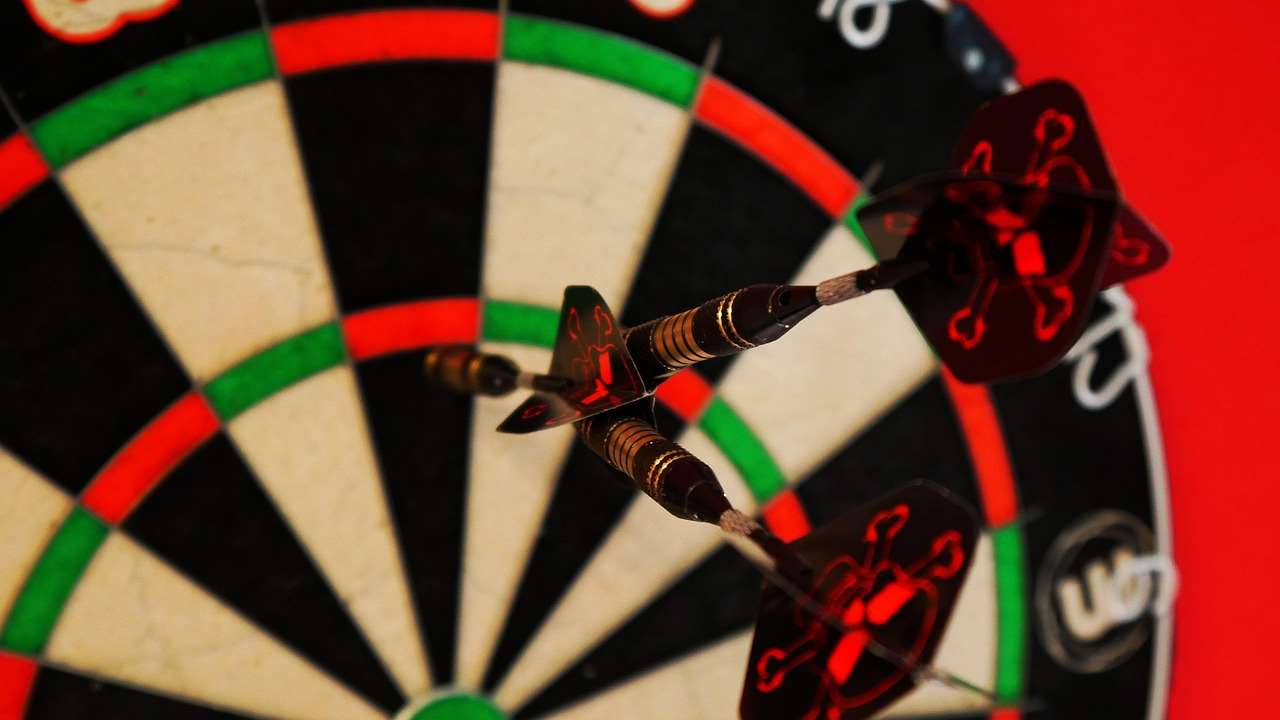
Consider using lighting and special effects to enhance the stage and backdrop. Uplighting can be used to create a dramatic effect, while spotlights can be used to highlight the players. Special effects, such as fog or pyrotechnics, can add excitement to the event. Ensuring proper visuals covers a significant aspect of darts exhibition technical requirements. This can also boost darts tourism.
Power and Connectivity
Adequate power supply is crucial for all the electronic equipment used in the exhibition, including the lighting, sound system, and scoring system. Ensure that there are enough power outlets available, and that they are properly grounded. It’s also a good idea to have a backup generator on hand in case of a power outage. Reliable power and connectivity are a key element of fulfilling darts exhibition technical requirements.
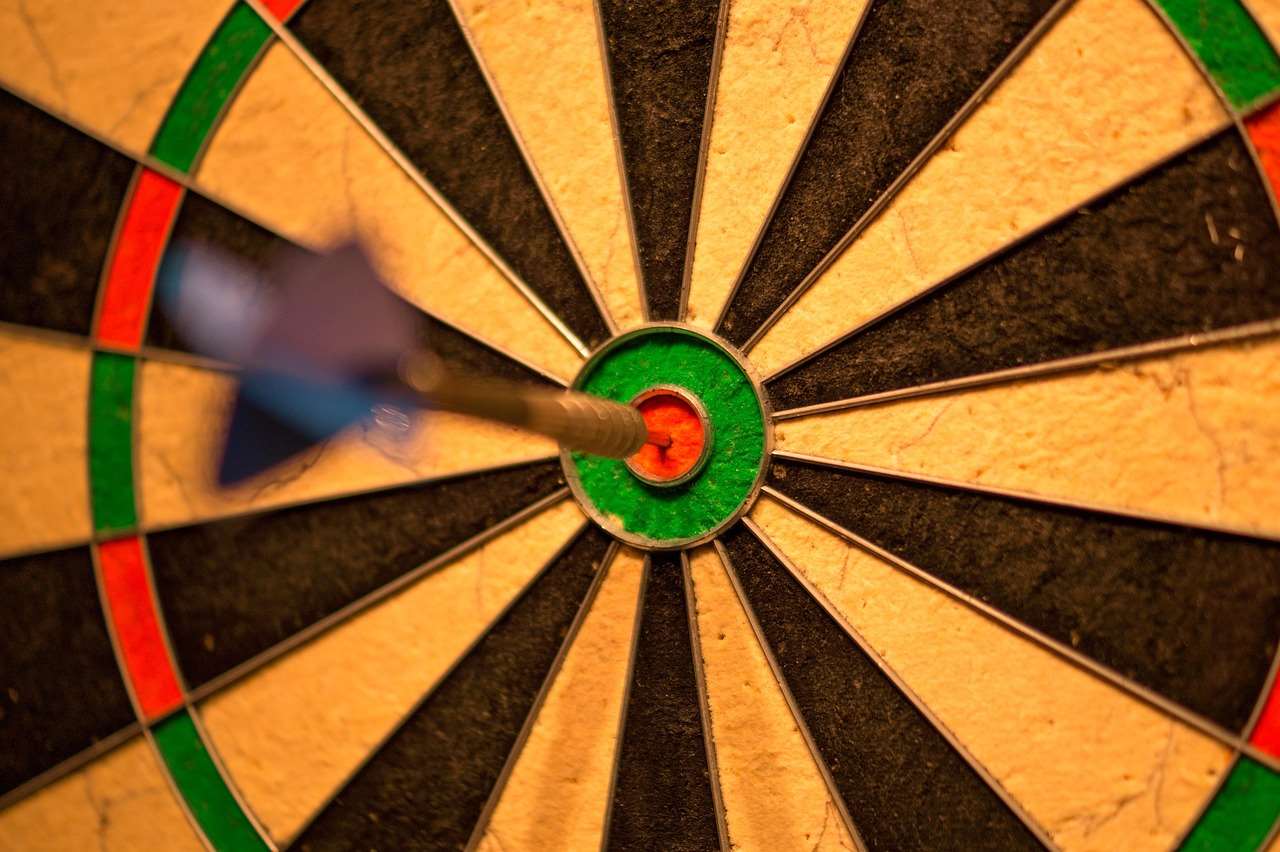
Connectivity is also important, especially if you plan to stream the exhibition online. Ensure that you have a reliable internet connection with sufficient bandwidth to support live streaming. Consider using a wired connection rather than Wi-Fi to ensure a stable connection. You may wish to explore darts events hotel occupancy rate in the broader context of your planning.
Safety Considerations
Safety should always be a top priority when organizing a darts exhibition. Ensure that the area around the dartboard is clear of obstacles that could cause someone to trip or fall. Provide adequate lighting to prevent accidents. Also, have first-aid supplies on hand in case of injuries. Addressing safety issues falls under important darts exhibition technical requirements.
Specific Safety Guidelines
- Clearly mark the throwing area and restrict access to unauthorized personnel.
- Provide safety glasses for players and spectators.
- Have a trained first-aider on site.
- Ensure that all equipment is properly installed and maintained.
Contingency Planning
Despite careful planning, unexpected issues can arise. Have a contingency plan in place to address potential problems, such as power outages, equipment failures, or medical emergencies. This plan should outline the steps that will be taken to mitigate the impact of these issues and ensure that the exhibition can continue as smoothly as possible. Being prepared is half the battle when it comes to the darts exhibition technical requirements.
Consider having backup equipment on hand, such as spare dartboards, lighting fixtures, and sound system components. Also, have a team of volunteers or staff who are trained to handle emergencies. Regularly review and update the contingency plan to ensure that it is effective and relevant. Preparation is an important consideration within darts exhibition technical requirements.
Conclusion: Mastering Darts Exhibition Technical Requirements for Success
Meeting all the darts exhibition technical requirements is essential for creating a professional, enjoyable, and safe event. From the precise dartboard setup to the comprehensive sound and lighting arrangements, every detail contributes to the overall experience. By meticulously planning and executing each technical aspect, you can ensure a successful and memorable darts exhibition. Remember to prioritize safety, have contingency plans in place, and always strive for the highest standards of quality. If you want to delve deeper into the planning process or are ready to take the next step in organizing your event, we encourage you to contact us for expert guidance and support. Let’s work together to bring your vision to life!

Hi, I’m Dieter, and I created Dartcounter (Dartcounterapp.com). My motivation wasn’t being a darts expert – quite the opposite! When I first started playing, I loved the game but found keeping accurate scores and tracking stats difficult and distracting.
I figured I couldn’t be the only one struggling with this. So, I decided to build a solution: an easy-to-use application that everyone, no matter their experience level, could use to manage scoring effortlessly.
My goal for Dartcounter was simple: let the app handle the numbers – the scoring, the averages, the stats, even checkout suggestions – so players could focus purely on their throw and enjoying the game. It began as a way to solve my own beginner’s problem, and I’m thrilled it has grown into a helpful tool for the wider darts community.