Understanding darts etiquette with different equipment is crucial for ensuring fair play, respecting your opponents, and maintaining a positive atmosphere in any darts game; regardless of whether you’re using steel-tip darts on a traditional bristle board or soft-tip darts on an electronic board, different equipment necessitates different behaviors. This article will delve into the nuances of darts etiquette as it relates to both types of darts and boards, providing practical guidance for players of all levels.
⚠️ Still Using Pen & Paper (or a Chalkboard)?! ⚠️
Step into the future! The Dart Counter App handles all the scoring, suggests checkouts, and tracks your stats automatically. It's easier than you think!
Try the Smart Dart Counter App FREE!Ready for an upgrade? Click above!
Understanding Darts Etiquette With Different Equipment
While the fundamental principles of sportsmanship remain consistent, the specific rules and customs can vary slightly depending on the type of darts and boards used. Whether you’re a seasoned player or new to the game, a solid understanding of darts etiquette tailored to the equipment will enhance your playing experience and earn you the respect of fellow dart enthusiasts.
General Principles of Darts Etiquette
Before diving into the specifics of different equipment, let’s review some overarching principles that apply to all darts games:
- Respect Your Opponent: This includes avoiding excessive celebrations after a good throw, refraining from distracting your opponent while they’re throwing, and congratulating them on good shots.
- Maintain a Quiet Environment: Excessive noise can disrupt a player’s concentration. Keep conversations to a minimum while players are throwing and avoid any loud or sudden movements.
- Be Punctual: Arrive on time for matches and be ready to play when it’s your turn. Punctuality shows respect for your opponent’s time and the overall flow of the game.
- Acknowledge Good Shots: A simple nod or “Good dart!” after a particularly well-placed throw demonstrates good sportsmanship.
- Avoid Walking in Front of the Board: This is a major breach of etiquette. Always wait for your opponent to finish their turn before retrieving your darts from the board.
- Know the Rules: Familiarize yourself with the specific rules of the game you’re playing, whether it’s 501, cricket, or another variation. This helps prevent disputes and ensures fair play. You might find Darts Culture And Community Guide helpful for further information.
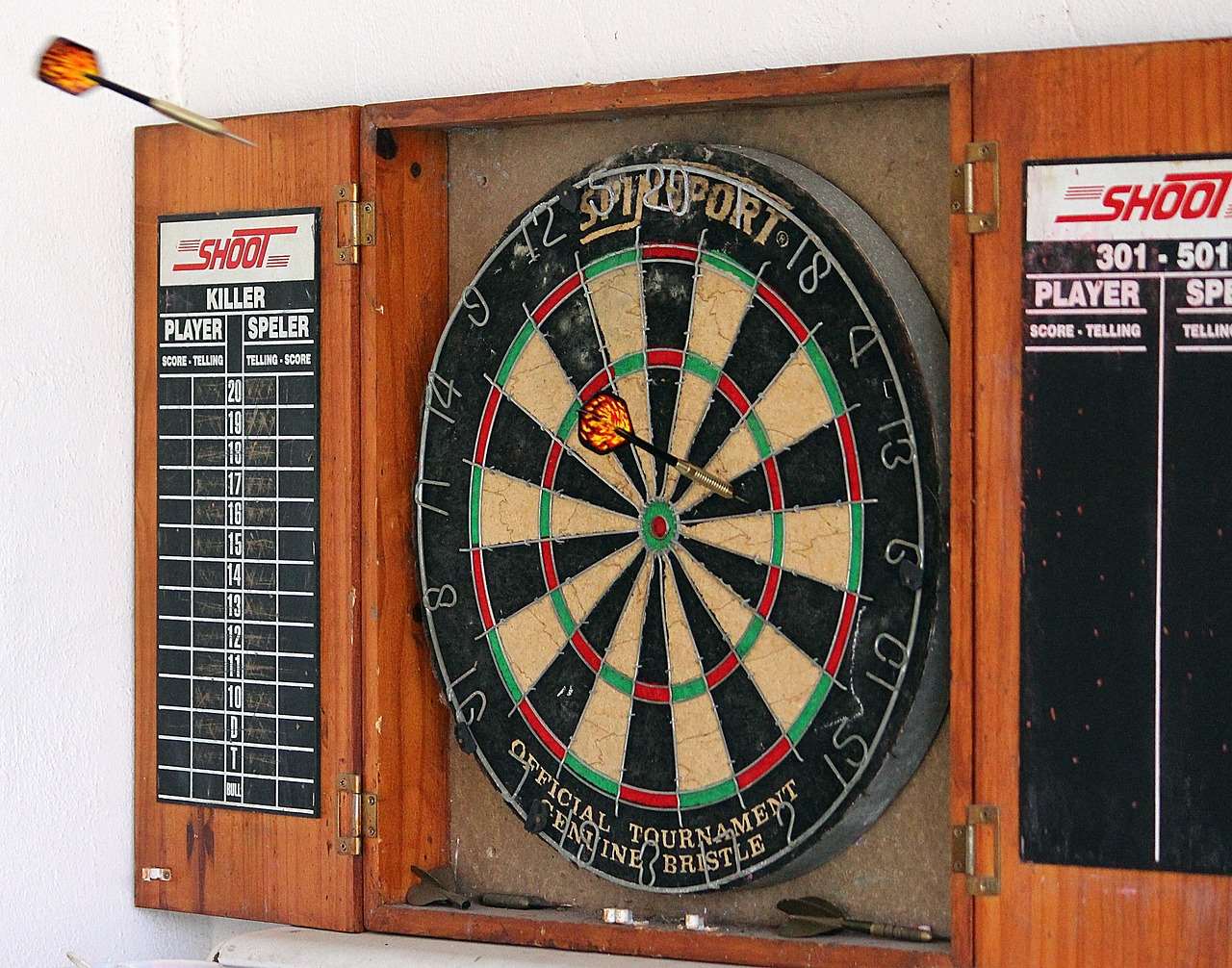
Steel-Tip Darts Etiquette
Steel-tip darts are the traditional form of the game, often associated with a more formal and structured environment. Here’s a breakdown of etiquette specific to steel-tip darts:
Approaching the Oche
The oche, or throwing line, is a sacred space in steel-tip darts. Here’s how to approach it with respect:
- Wait Your Turn: Only approach the oche when it’s your turn to throw.
- Respect the Throwing Space: Avoid encroaching on your opponent’s throwing space. Give them ample room to maneuver and focus.
- Avoid Distractions: Refrain from making sudden movements or noises that could distract your opponent.
Throwing Etiquette
During your throw, adhere to these guidelines:
- Focus and Concentration: Maintain your focus and avoid unnecessary chatter while throwing.
- Quick Retrieval: Retrieve your darts promptly after throwing, without obstructing your opponent’s view or throwing space.
- Quiet During Opponent’s Throw: Remain silent and still while your opponent is throwing their darts.
Scoring and Chalking
In many steel-tip games, especially in leagues, scoring is done manually using a chalkboard or whiteboard. Proper scoring etiquette is essential:
- Accurate Scoring: Ensure the score is accurately recorded and announced clearly.
- Verify Scores: Double-check the score with your opponent to avoid any discrepancies.
- Clear Chalking: Chalk clearly and legibly so that the score is easy to read.
Maintaining the Equipment: Generally players will use their own darts, so maintaining your equipment is important. It also helps to have spare points available in case one breaks. A good set of darts can certainly improve your chances of Promoting Local Darts in the darts community.
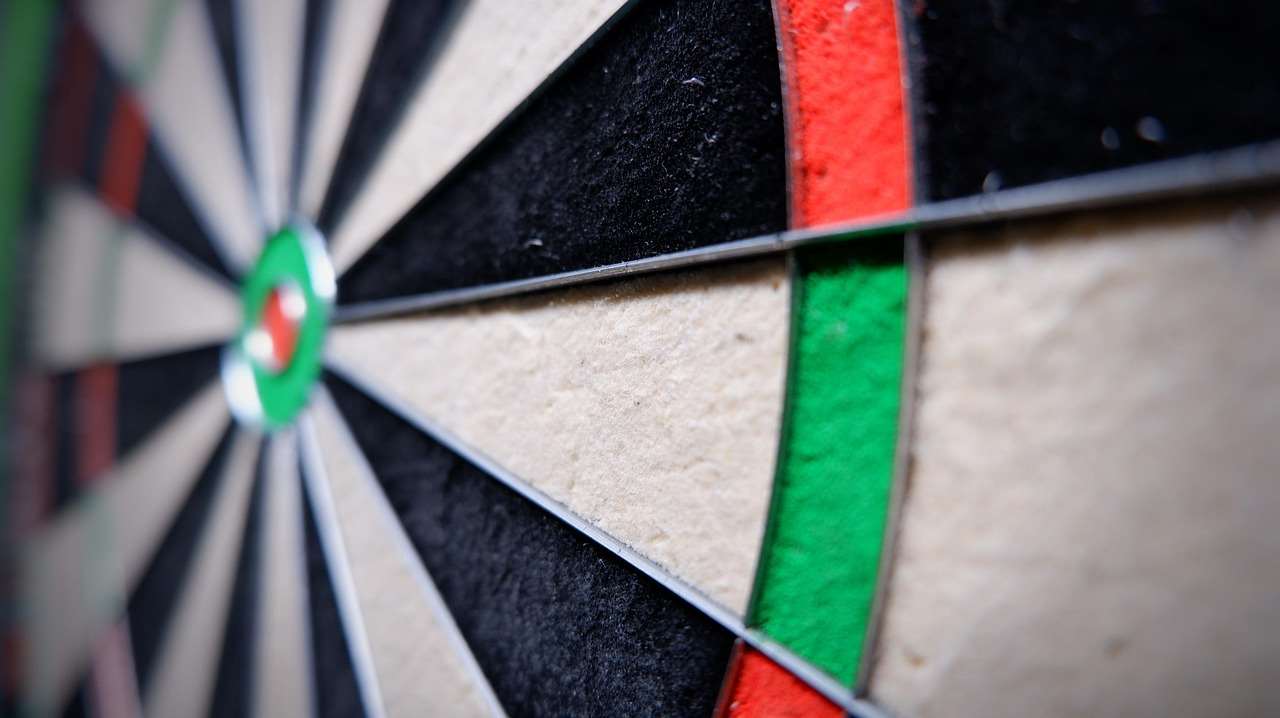
Soft-Tip Darts Etiquette
Soft-tip darts are commonly played on electronic dartboards and often have a more casual atmosphere. However, etiquette is still important:
Machine Operation
Electronic dartboards handle the scoring automatically, but there are still considerations:
- Game Selection: Ensure the correct game and settings are selected before starting.
- Respect the Machine: Avoid hitting or damaging the dartboard or its surrounding area.
- Troubleshooting: If a dart doesn’t register, inform the other player and adjust the dart or machine appropriately.
Turn Management
While the machine keeps track of turns, efficient turn management is still important:
- Prompt Turns: Be ready to throw when it’s your turn to avoid delays.
- Clear the Board: Remove your darts from the board promptly after your turn.
- Avoid Hogging the Machine: Allow others to play if there’s a wait time.
General Conduct
Even with the more relaxed atmosphere, certain behaviors should be avoided:
- Excessive Celebrations: Keep celebrations moderate and avoid gloating or taunting.
- Abusive Language: Refrain from using offensive language or making personal insults.
- Respect for Equipment: Avoid throwing darts at the board when it’s not your turn or when the machine is malfunctioning.
If you’re looking at setting up a darts club, a clear understanding of the etiquette is also very important. It can encourage more people to consider How To Build A Darts Club and come and join in.
Addressing Specific Scenarios
Let’s consider some specific scenarios and how to handle them with proper etiquette:
Bouncing Darts
Darts can bounce out of the board for various reasons. Here’s how to handle it:
- Acknowledge the Bounce: Don’t argue about whether a dart should have stuck. If it bounced out, it doesn’t count.
- Repair Damaged Boards: If the board is damaged and causing bounces, inform the venue management or other players.
- Adjust Your Throw: If you’re consistently experiencing bounces, consider adjusting your throwing technique or using darts with better grip.
Broken Darts
Darts can break during a game. Here’s the proper procedure:
- Call a Break: If your dart breaks during your throw, call a brief break to repair or replace it.
- Replace with Similar Darts: If possible, replace the broken dart with a similar one to maintain consistency.
- Inform Your Opponent: Let your opponent know what happened and that you’ll need a moment to fix the issue.
Disputes Over Scores
Disagreements about the score can arise. Here’s how to resolve them gracefully:
- Review the Score: Carefully review the score together, consulting the board and any score sheets.
- Remain Calm: Avoid getting angry or accusatory. Maintain a calm and respectful demeanor.
- Seek Mediation: If you can’t agree, ask a neutral third party to mediate the dispute.
The Importance of Sportsmanship
Ultimately, darts etiquette is about more than just following rules; it’s about demonstrating good sportsmanship. Upholding these principles will contribute towards Building Local Darts League Club Guide and will create a positive and enjoyable experience for everyone involved. Here are some final points to consider:
- Integrity: Play with honesty and integrity, even when no one is watching.
- Respect: Show respect for your opponents, the game, and the venue.
- Humility: Be gracious in victory and defeat.
- Positive Attitude: Maintain a positive attitude and encourage others.
Adapting to Different Environments
While the core principles remain the same, it’s important to adapt your etiquette to the specific environment you’re playing in. A casual game with friends may have different expectations than a competitive league match.
- Observe the Norms: Pay attention to the established customs and etiquette of the venue or league you’re playing in.
- Communicate with Others: If you’re unsure about something, ask other players or the venue staff for clarification.
- Be Flexible: Be willing to adjust your behavior to accommodate the preferences of others, within reasonable limits.
Common Mistakes to Avoid
Even experienced dart players can sometimes slip up and commit breaches of etiquette. Here are some common mistakes to avoid:
- Distracting Opponents: Avoid making noise, moving around, or engaging in other behaviors that could distract your opponent while they’re throwing.
- Walking in Front of the Board: This is a cardinal sin of darts etiquette. Always wait for your opponent to finish their turn before retrieving your darts.
- Excessive Celebrations: While it’s fine to be excited about a good throw, avoid excessive or boastful celebrations.
- Arguing with the Scorekeeper: If you disagree with the score, discuss it calmly and respectfully with the scorekeeper. Avoid getting into heated arguments.
- Damaging the Equipment: Treat the dartboard, darts, and other equipment with respect. Avoid throwing darts at the board when it’s not your turn or when the machine is malfunctioning.
Learning and implementing the aspects discussed in this guide can only improve any future considerations for Setting Up A Darts Club.
Conclusion
Mastering darts etiquette with different equipment is essential for becoming a well-rounded and respected player. By adhering to these guidelines, you’ll create a more enjoyable and positive experience for yourself and everyone else involved in the game. Remember to respect your opponents, maintain a quiet environment, know the rules, and adapt your behavior to the specific context. Embrace good sportsmanship, and your time playing darts, whether steel-tip or soft-tip, will be all the more rewarding. Now, go out there, practice your aim, and play with grace!
Ready to take your darts game to the next level? Join a local darts league to hone your skills and connect with fellow enthusiasts! Visit our website to find a league near you and experience the thrill of competitive darts. Sign up today!

Hi, I’m Dieter, and I created Dartcounter (Dartcounterapp.com). My motivation wasn’t being a darts expert – quite the opposite! When I first started playing, I loved the game but found keeping accurate scores and tracking stats difficult and distracting.
I figured I couldn’t be the only one struggling with this. So, I decided to build a solution: an easy-to-use application that everyone, no matter their experience level, could use to manage scoring effortlessly.
My goal for Dartcounter was simple: let the app handle the numbers – the scoring, the averages, the stats, even checkout suggestions – so players could focus purely on their throw and enjoying the game. It began as a way to solve my own beginner’s problem, and I’m thrilled it has grown into a helpful tool for the wider darts community.