Understanding darts etiquette specific to certain game formats (Cricket) is crucial for a smooth and respectful game; it ensures fair play and enjoyment for all. This article delves into the unique customs and unspoken rules of Cricket darts, enhancing your understanding and appreciation of this popular variant.
⚠️ Still Using Pen & Paper (or a Chalkboard)?! ⚠️
Step into the future! The Dart Counter App handles all the scoring, suggests checkouts, and tracks your stats automatically. It's easier than you think!
Try the Smart Dart Counter App FREE!Ready for an upgrade? Click above!
Understanding the Basics of Cricket Darts Etiquette
Cricket darts, unlike 501, focuses on closing out specific numbers and the bullseye. This difference dramatically impacts darts etiquette. Knowing the established conventions will make you a better player and a more respected opponent.
It’s more than just knowing the rules; it’s about demonstrating sportsmanship and respect throughout the game. Let’s break down some key areas.
Respecting Your Opponent’s Throw
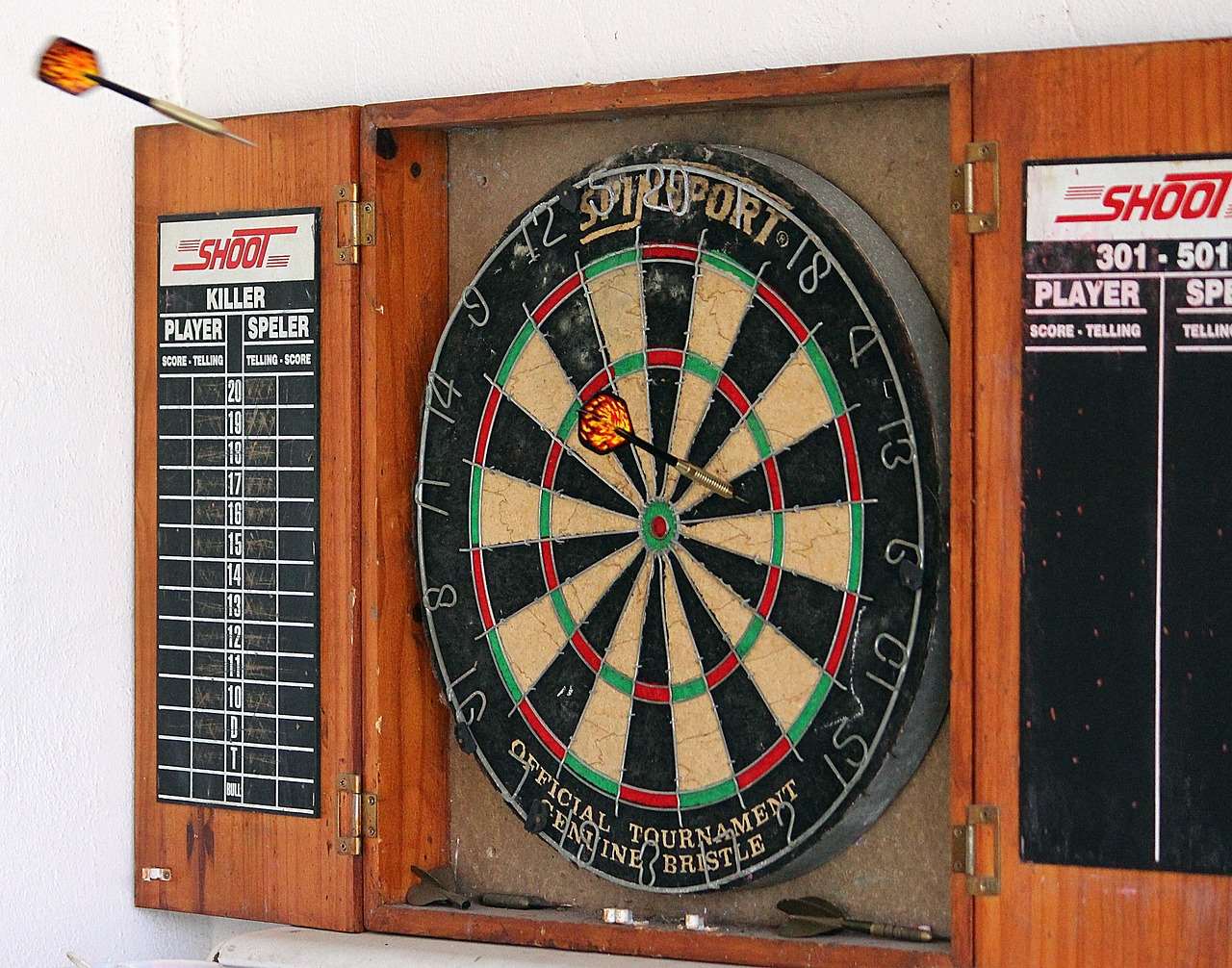
Perhaps the most fundamental aspect of any darts game, including Cricket, is respecting your opponent’s turn. This means:
- Remaining silent and still while your opponent is throwing. Any sudden movements or noises can be distracting and considered rude.
- Standing behind the throw line. This is non-negotiable. Impeding your opponent’s throwing space is a major breach of etiquette.
- Avoiding direct eye contact. Intense staring can be unnerving. Acknowledge your opponent, but avoid prolonged, direct gazes while they are at the oche.
These seemingly small gestures contribute significantly to a fair and enjoyable game for everyone.
Scoring and Chalking Etiquette in Cricket Darts
In Cricket darts, accurate scoring is paramount. It’s not just about adding up points; it’s about tracking which numbers are open and closed. This leads to specific scoring and chalking etiquette you need to follow.
The Role of the Chalker
Traditionally, one player is designated as the “chalker,” responsible for keeping score. Whether using a traditional chalkboard or a modern digital scoreboard, the chalker must:
- Maintain accuracy. Double-check scores and ensure the scoreboard accurately reflects the current state of the game.
- Be impartial. Avoid showing favoritism or bias. The chalker’s role is to be an objective record keeper.
- Clearly announce scores. Communicate the score after each player’s turn to ensure everyone is on the same page.
If you are new to darts and would like to improve, then check out our resource on Basic Darts Fundamentals for Beginners.
Chalking Conventions in Cricket
Cricket scoreboards utilize specific markings to indicate which numbers are open, hit, and closed:
- A single line (/) usually represents the first hit on a number.
- A second line (X) indicates the second hit.
- A circle around the X (O) signifies that the number is closed for that player.
Understanding and consistently using these markings is vital for clear communication and preventing scoring disputes.
Darts Etiquette Specific to Certain Game Formats (Cricket): Sportsmanship
Beyond the technical aspects, **darts etiquette specific to certain game formats (Cricket)** also encompasses broader principles of sportsmanship.
Winning and Losing Gracefully
Whether you win or lose, demonstrating good sportsmanship is essential.
- Offer a handshake at the end of the game. This simple gesture acknowledges your opponent’s effort and skill.
- Avoid gloating in victory. Acknowledge your opponent’s good shots and celebrate respectfully.
- Don’t make excuses in defeat. Accept the outcome gracefully and focus on learning from the experience.
Good sportsmanship creates a positive atmosphere and fosters a love of the game. Sometimes it’s helpful to look at adapting darts rules for beginners.
Handling Disagreements
Disagreements can arise, especially in close games. When they do:
- Remain calm and respectful. Avoid raising your voice or becoming confrontational.
- Refer to the rules. Consult the official rules to resolve the dispute objectively.
- Accept the final decision. Once a decision has been made, accept it gracefully, even if you disagree.
Remember that the goal is to enjoy the game. Don’t let disagreements ruin the experience.
Specific Cricket Darts Etiquette Considerations
Cricket darts has some unique aspects that influence proper etiquette.
Closing Numbers
In Cricket, you must “close” a number by hitting it three times before you can score on it. This leads to specific strategic considerations and, consequently, etiquette considerations:
- Avoid intentionally blocking your opponent’s numbers unless it’s a strategic advantage. Continuously targeting a number your opponent needs can be seen as unsportsmanlike if done excessively.
- Be mindful of your opponents’ open numbers. If you accidentally close a number your opponent needed, acknowledge the mistake.
These nuances highlight the importance of understanding the strategic elements of Cricket darts and how they intersect with etiquette.
The Bullseye
The bullseye holds special significance in Cricket, often being the most valuable target. Treat it with respect:
- Avoid excessive celebration after hitting a bullseye, especially if your opponent is struggling. A subtle fist pump is acceptable, but avoid excessive cheering.
- Be aware of your position relative to the board. Ensure you’re not obstructing your opponent’s view of the bullseye.
Beyond the Basics: Advanced Etiquette Tips for Cricket Darts
Once you’ve mastered the fundamental darts etiquette specific to certain game formats (Cricket), you can focus on refining your behavior further.
Pace of Play
Maintaining a reasonable pace of play is crucial for keeping the game flowing smoothly.
- Avoid excessive pre-throw routines. Take your time to focus, but don’t delay the game unnecessarily.
- Retrieve your darts promptly. Don’t spend excessive time admiring your throws or chatting before retrieving your darts.
- Be ready when it’s your turn. Pay attention to the game and be prepared to step up to the oche when it’s your turn to throw.
These small adjustments can significantly improve the overall playing experience.
Respect for Equipment
Treat the dartboard and darts with respect.
- Avoid throwing darts when the board is empty. This can damage the board and shorten its lifespan.
- Handle your darts with care. Avoid dropping them or throwing them against hard surfaces.
- Avoid tampering with the board. Don’t try to move the board or adjust the wiring without permission.
Proper care for the equipment demonstrates respect for the game and the venue.
Promoting Good Darts Etiquette Specific to Certain Game Formats (Cricket)
Ultimately, promoting good darts etiquette specific to certain game formats (Cricket) is a collective effort. Here are some ways you can contribute:
- Lead by example. Consistently demonstrate good etiquette yourself.
- Offer gentle reminders to fellow players who may be unaware of certain customs.
- Create a welcoming and inclusive environment for new players.
By working together, we can ensure that darts remains a fun and enjoyable game for everyone.
Remember, even experienced players can use a refresher on modifying rules for mixed-level dart players so all skill levels have fun.
Conclusion
Mastering darts etiquette specific to certain game formats (Cricket) enhances the game beyond just knowing the rules. It’s about respect, sportsmanship, and creating a positive atmosphere for everyone involved. From respecting your opponent’s throw to accurately scoring and handling disagreements gracefully, these guidelines contribute to a more enjoyable and fair playing experience. By understanding and practicing these principles, you not only become a better darts player, but also a more valued member of the darts community. Now, grab your darts, step up to the oche, and put your newfound knowledge into practice. Remember to be mindful of pace, equipment, and always lead by example. Ready to take your darts game to the next level? Explore Basic Darts Fundamentals for Beginners to refine your skills and knowledge further!

Hi, I’m Dieter, and I created Dartcounter (Dartcounterapp.com). My motivation wasn’t being a darts expert – quite the opposite! When I first started playing, I loved the game but found keeping accurate scores and tracking stats difficult and distracting.
I figured I couldn’t be the only one struggling with this. So, I decided to build a solution: an easy-to-use application that everyone, no matter their experience level, could use to manage scoring effortlessly.
My goal for Dartcounter was simple: let the app handle the numbers – the scoring, the averages, the stats, even checkout suggestions – so players could focus purely on their throw and enjoying the game. It began as a way to solve my own beginner’s problem, and I’m thrilled it has grown into a helpful tool for the wider darts community.