Navigating the world of darts involves more than just aiming for the bullseye; understanding darts etiquette in different countries is key to showing respect and enjoying the game fully. This article explores the subtle, and sometimes not-so-subtle, variations in darting customs across the globe, ensuring you’re always a welcome player whether you’re in a London pub or a Tokyo arcade.
⚠️ Still Using Pen & Paper (or a Chalkboard)?! ⚠️
Step into the future! The Dart Counter App handles all the scoring, suggests checkouts, and tracks your stats automatically. It's easier than you think!
Try the Smart Dart Counter App FREE!Ready for an upgrade? Click above!
Understanding General Darts Etiquette
Before delving into the specifics of darts etiquette in different countries, it’s crucial to establish a baseline understanding of universal darting norms. These foundational principles apply nearly everywhere, providing a solid starting point for respectful gameplay. Understanding these basic norms can greatly help anyone who wants to learn Darts Culture And Community Guide.
- Respect Opponents: This is paramount. Avoid excessive celebration after a throw, especially if your opponent is struggling. Similarly, refrain from offering unsolicited advice.
- Stay Behind the Oche: The oche, or throw line, is a sacred boundary. Never step over it when throwing. This rule is universally enforced, and violating it is considered highly disrespectful.
- Wait Your Turn: Patience is a virtue in darts. Allow your opponent to complete their throws before approaching the board. Rushing or interrupting is a major faux pas.
- Retrieve Your Own Darts: While some players might offer to retrieve darts for you, it’s generally expected that you collect your own. This minimizes disruption and keeps the game flowing smoothly.
- Call Your Score Clearly: Announce your score loudly and clearly after each throw. This ensures accuracy and avoids any confusion or disputes.
These general guidelines are the bedrock of good darting behavior. However, to truly excel in darts etiquette in different countries, you must understand regional variations and cultural nuances.
Darts Etiquette in the United Kingdom
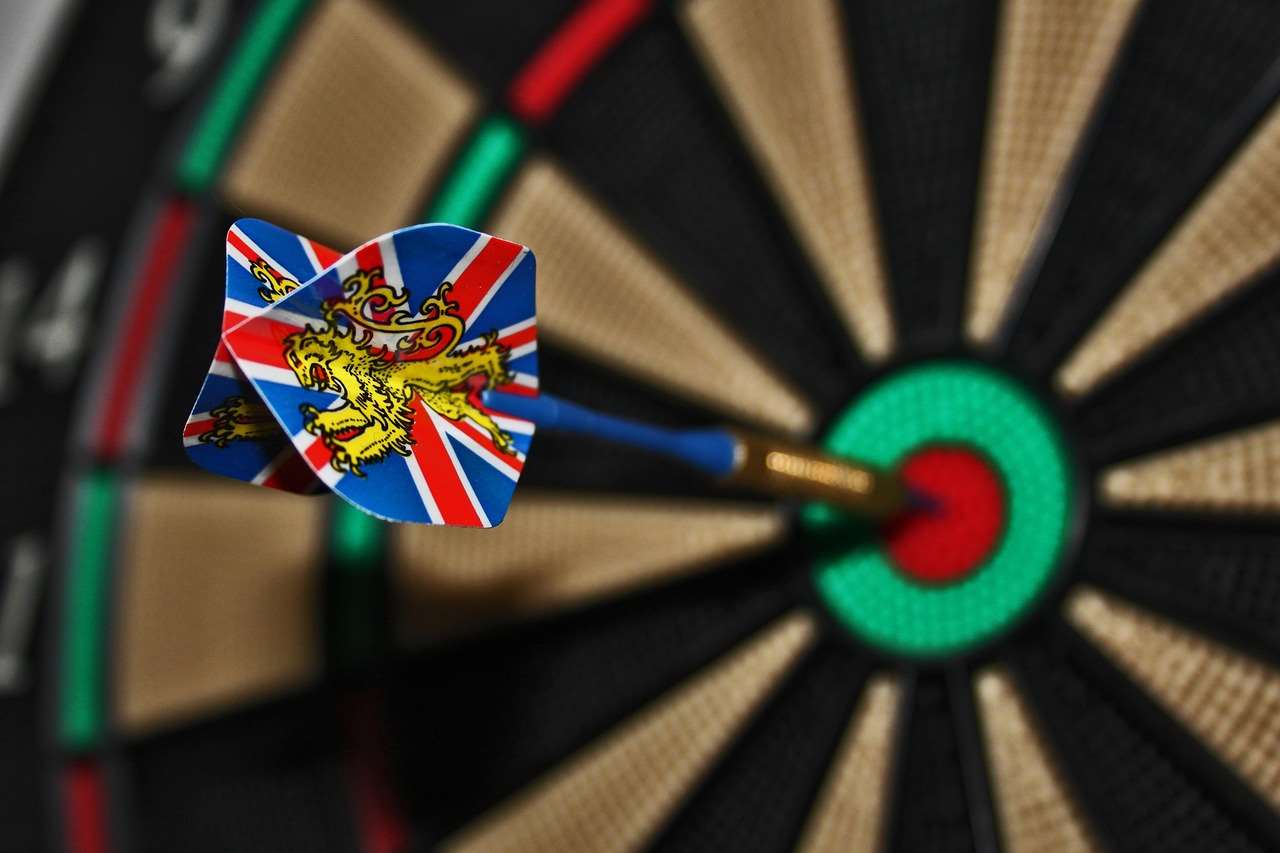
The UK is arguably the spiritual home of darts, and the pub culture heavily influences its etiquette. Here, tradition reigns supreme, and observing proper form is essential. Many want to learn How To Start A Darts League in the UK, but knowing the customs is key before even doing so.
- Chalking the Board: In traditional pubs, a designated chalker keeps score manually. Never question their arithmetic unless there’s a glaring error, and even then, approach the issue with tact.
- “Good Darts!”: This is the standard acknowledgement of a good throw. It’s polite to offer this encouragement to both opponents and teammates.
- Quiet During Throws: Absolute silence is expected when a player is at the oche. Any unnecessary noise or movement is considered extremely rude.
- Buying a Round: It’s customary to buy a round of drinks for your team after a match, win or lose. This is a sign of sportsmanship and camaraderie.
- Respect for Tradition: The UK’s darts culture is steeped in history. Show respect for the game’s heritage by adhering to established customs and avoiding unnecessary showboating.
Furthermore, gambling is a common aspect of pub darts in the UK. Understand the stakes and bet responsibly, and always pay your dues promptly.
Darts Etiquette in the United States
The American darts scene, while growing rapidly, differs significantly from its British counterpart. The atmosphere tends to be more relaxed and less formal. Even though it’s less formal, darts etiquette in different countries such as the United States is still essential.
- Calling Your Own Score: Unlike the UK, players typically call their own scores. Be accurate and honest, as discrepancies can lead to disputes.
- Cheering is Encouraged: While excessive heckling is frowned upon, enthusiastic cheering for good throws is generally accepted and even encouraged.
- More Lenient Oche Rules: While stepping over the oche is still a no-no, the enforcement tends to be less strict than in the UK, especially in casual settings.
- Less Emphasis on Rounds: Buying rounds is less common in the US, although offering to buy a drink for your opponent after a match is still a gesture of goodwill.
- Focus on Sportsmanship: While the atmosphere may be more casual, sportsmanship remains paramount. Congratulate your opponent on good throws and avoid gloating or trash-talking.
The rise of electronic dartboards in the US has also influenced etiquette. Familiarize yourself with the specific rules and settings of the board before playing.
Darts Etiquette in Germany
Darts has gained significant popularity in Germany, particularly with the rise of professional players. German darts etiquette blends elements of British tradition with their own unique customs.
- Respect for the Game: Germans generally approach darts with a serious and respectful attitude. Boisterous behavior and excessive celebration are generally discouraged.
- Precise Scoring: Accuracy is highly valued. Call your scores clearly and precisely, and expect your opponents to do the same.
- Proper Attire: While not always mandatory, dressing neatly and presentably is seen as a sign of respect for the game and your opponents.
- Cleanliness: Keeping the playing area clean and tidy is essential. Pick up any dropped darts or flights promptly, and dispose of trash properly.
- “Gut Wurf!”: This is the German equivalent of “Good Darts!” Offer this encouragement to your opponents after a well-executed throw.
Additionally, understand local customs regarding betting and prize money, as these can vary depending on the venue and event.
Darts Etiquette in the Netherlands
The Netherlands has emerged as a major force in the world of darts, producing numerous world-class players. Dutch darts etiquette reflects their passionate and enthusiastic approach to the game. When understanding darts etiquette in different countries, one must learn the rules of the Netherlands.
- Enthusiastic Support: Dutch crowds are known for their boisterous and enthusiastic support of their favorite players. Cheering, singing, and even wearing costumes are common sights at darts events.
- Respect for Opponents: Despite the lively atmosphere, respect for opponents remains paramount. Avoid heckling or disruptive behavior that could interfere with their throws.
- Acknowledging Good Throws: While enthusiastic support is encouraged, it’s also customary to acknowledge good throws from your opponents with a simple “Good Darts!”.
- Celebrating Success: Dutch players are known for their expressive celebrations after hitting crucial shots. However, avoid excessive gloating or disrespectful behavior.
- “Goed Gegooid!”: This is the Dutch phrase for “Good throw!”.
Being mindful of noise levels and ensuring that celebrations don’t cross the line into disrespect is crucial for enjoying the Dutch darts scene.
Darts Etiquette in Japan
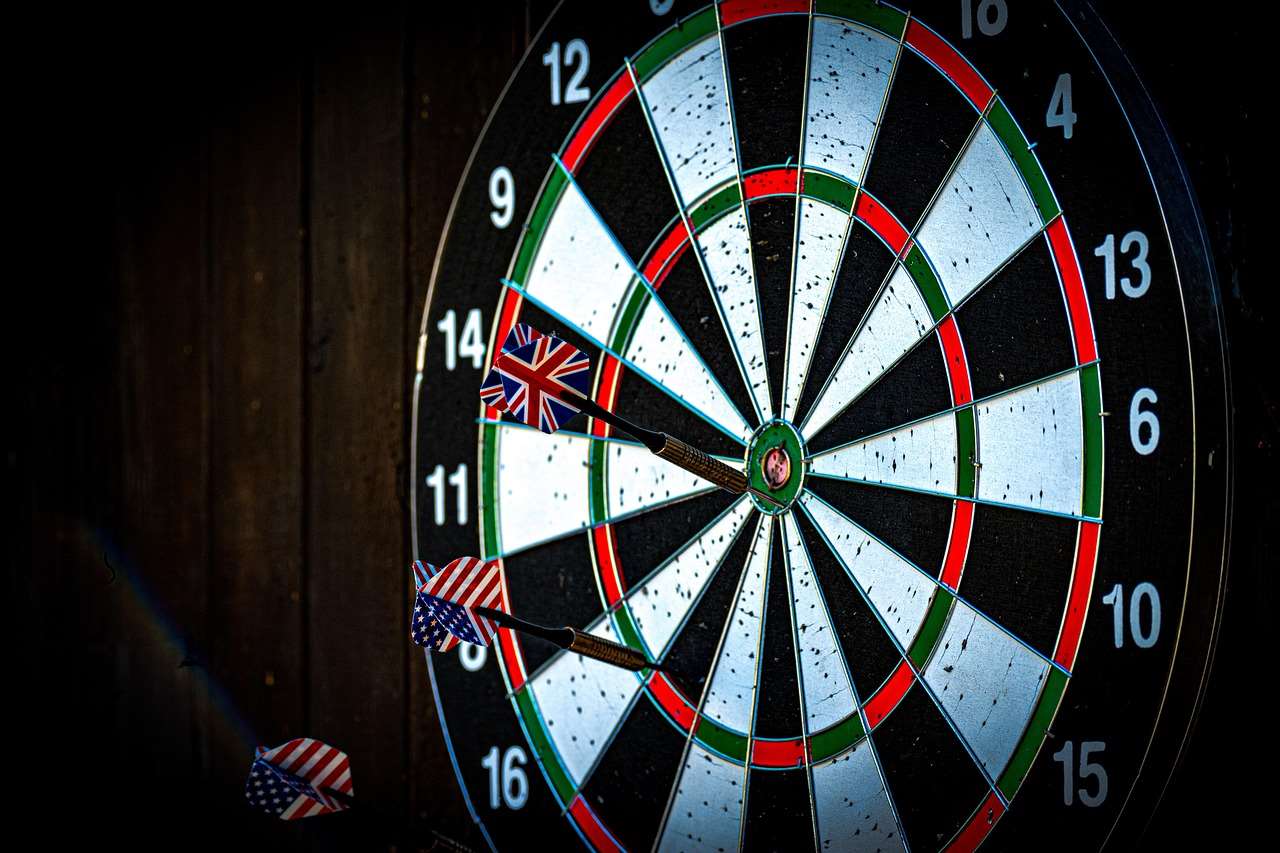
Darts has become increasingly popular in Japan, particularly with the advent of soft-tip darts and electronic boards. Japanese darts etiquette emphasizes politeness, respect, and orderliness.
- Bowing: It’s customary to bow to your opponent before and after a match as a sign of respect.
- Quiet During Throws: Absolute silence is expected when a player is at the oche. Any noise or movement is considered extremely rude.
- Respect for Equipment: Handle darts and boards with care and respect. Avoid throwing darts carelessly or damaging equipment.
- Precise Scoring: Accuracy is highly valued. Call your scores clearly and precisely, and double-check them to avoid errors.
- Cleanliness: Keeping the playing area clean and tidy is essential. Dispose of trash properly and clean up any spills immediately.
Understanding the importance of harmony and avoiding confrontation is key to navigating the Japanese darts scene successfully. Respect is one of the most important things when discussing darts etiquette in different countries.
Common Mistakes to Avoid Regarding Darts Etiquette In Different Countries
Regardless of the specific country, several common mistakes can lead to unintentional breaches of etiquette. Avoiding these pitfalls will ensure a more enjoyable and respectful experience for everyone involved. These mistakes should be avoided for those who want to learn Promoting Local Darts, because if you have poor etiquette, it does the opposite.
- Stepping Over the Oche: This is a universal taboo. Always remain behind the line when throwing.
- Distracting Opponents: Refrain from making noise, moving around, or engaging in distracting behavior while your opponent is throwing.
- Questioning Scoring Disputes Aggressively: If you disagree with a score, address the issue calmly and respectfully. Avoid raising your voice or becoming confrontational.
- Gloating Excessively: Celebrating success is fine, but avoid gloating or rubbing your victory in your opponent’s face.
- Ignoring Local Customs: Research and understand the specific customs and etiquette norms of the country or region where you are playing.
By being mindful of these common mistakes, you can avoid unintentional offenses and demonstrate your respect for the game and your opponents.
Tips for Learning and Adapting to Varying Darts Etiquette
Mastering darts etiquette in different countries is an ongoing process that requires observation, adaptation, and a willingness to learn. Here are some practical tips to help you navigate the diverse world of darting customs:
- Observe Local Players: Pay close attention to the behavior of experienced local players. Mimic their actions and learn from their example.
- Ask Questions: Don’t be afraid to ask questions about local customs and etiquette norms. Most players will be happy to share their knowledge.
- Be Respectful and Polite: Regardless of the specific customs, always err on the side of respect and politeness. A friendly and courteous attitude will go a long way.
- Apologize for Mistakes: If you accidentally commit a breach of etiquette, apologize sincerely. Most players will be understanding and forgiving.
- Embrace Cultural Differences: Recognize that darts etiquette varies across cultures. Embrace these differences and be open to learning new customs.
Remember, showing respect and a willingness to learn is always appreciated, even if you make occasional mistakes.
Why Darts Etiquette Matters
Understanding and adhering to darts etiquette in different countries is crucial for several reasons. It fosters respect, enhances the overall experience, and promotes positive relationships within the darting community. Moreover, for those interested in Building Local Darts League Club Guide, etiquette is vital for a successful league.
- Promotes Respect: Etiquette demonstrates respect for the game, your opponents, and the local culture.
- Enhances Enjoyment: Following proper etiquette creates a more enjoyable and harmonious atmosphere for everyone involved.
- Builds Relationships: Adhering to etiquette fosters positive relationships with fellow players and strengthens the darting community.
- Avoids Offense: Understanding local customs helps you avoid unintentional breaches of etiquette that could cause offense or disruption.
- Improves Your Reputation: Demonstrating good etiquette enhances your reputation as a respectful and sportsmanlike player.
By prioritizing etiquette, you contribute to a more positive and welcoming environment for all darts enthusiasts.
Conclusion
Navigating darts etiquette in different countries requires an awareness of both universal principles and regional variations. By understanding the nuances of customs in the UK, the US, Germany, the Netherlands, Japan, and beyond, you can ensure that you’re always a welcome player. Remember to prioritize respect, politeness, and a willingness to learn. Embrace the cultural differences that make the world of darts so rich and diverse. Ready to put your etiquette knowledge to the test? Find a local darts club and start practicing!

Hi, I’m Dieter, and I created Dartcounter (Dartcounterapp.com). My motivation wasn’t being a darts expert – quite the opposite! When I first started playing, I loved the game but found keeping accurate scores and tracking stats difficult and distracting.
I figured I couldn’t be the only one struggling with this. So, I decided to build a solution: an easy-to-use application that everyone, no matter their experience level, could use to manage scoring effortlessly.
My goal for Dartcounter was simple: let the app handle the numbers – the scoring, the averages, the stats, even checkout suggestions – so players could focus purely on their throw and enjoying the game. It began as a way to solve my own beginner’s problem, and I’m thrilled it has grown into a helpful tool for the wider darts community.