Darts etiquette for different genders boils down to respect, consideration, and fair play for everyone involved. This article provides a comprehensive guide to navigating the unspoken rules of darts, ensuring a positive experience for players of all genders. Read on to discover how to create a welcoming and inclusive atmosphere on the oche, covering everything from pre-game practices to post-match conduct.
⚠️ Still Using Pen & Paper (or a Chalkboard)?! ⚠️
Step into the future! The Dart Counter App handles all the scoring, suggests checkouts, and tracks your stats automatically. It's easier than you think!
Try the Smart Dart Counter App FREE!Ready for an upgrade? Click above!
Understanding Darts Etiquette For Different Genders: A Foundation of Respect
The core of darts etiquette, regardless of gender, lies in mutual respect. This means understanding and adhering to basic rules of conduct that ensure a fair and enjoyable game for all participants. This includes fair play, avoiding distractions, and displaying good sportsmanship. When focusing on how to build a darts club it is important to focus on creating an inclusive environment.
This foundation of respect acknowledges that players of all genders bring unique experiences and perspectives to the game. Creating a welcoming environment where everyone feels comfortable and valued is crucial for the sport’s growth and enjoyment.
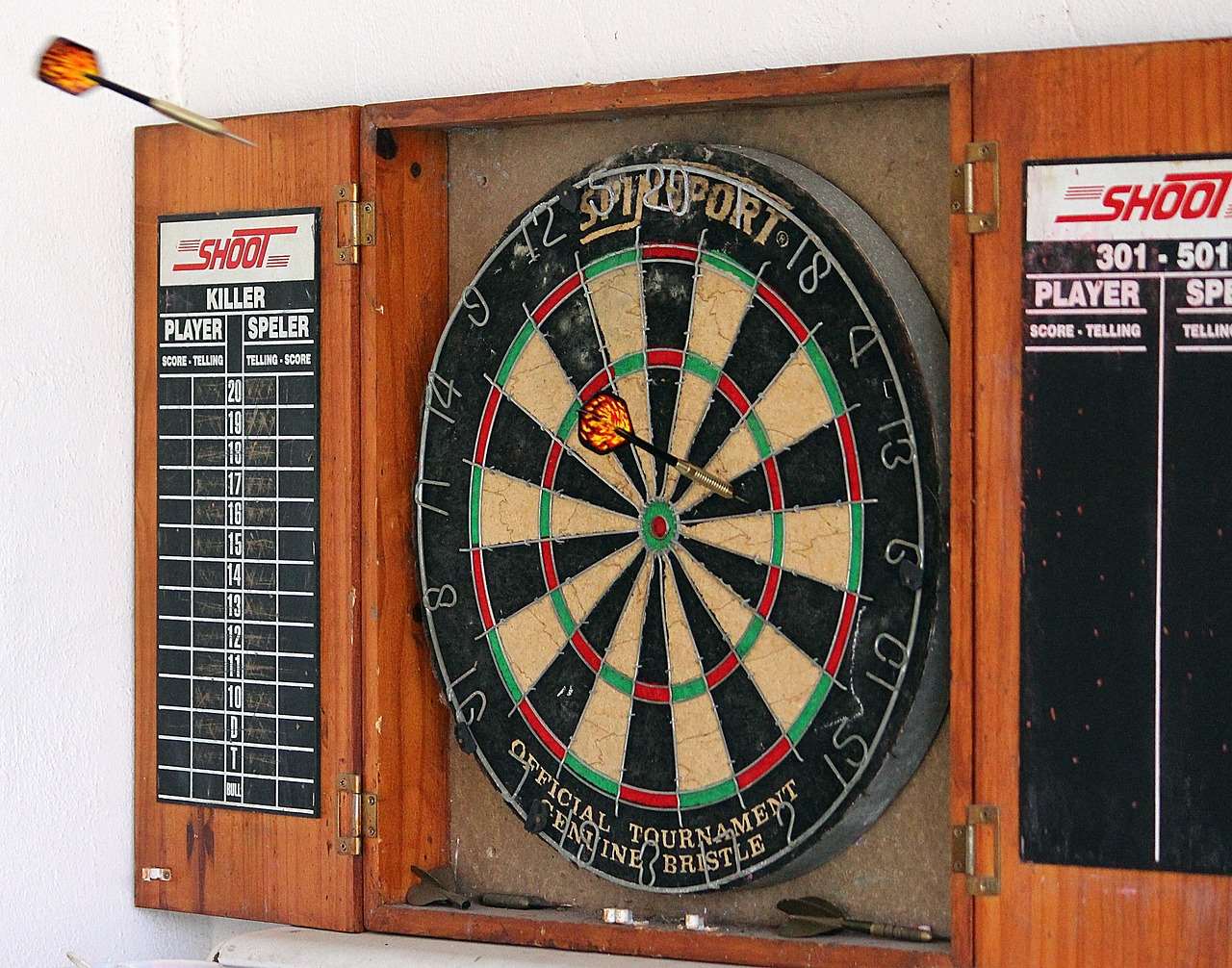
Pre-Game Etiquette: Setting the Stage for Fair Play
Before the first dart is thrown, several aspects of etiquette come into play. These actions set the tone for the match and contribute to a positive atmosphere.
Respecting the Practice Throw
Allow your opponent adequate space and quiet during their practice throws. Avoid unnecessary movements or noise that could disrupt their concentration. This applies equally to all players, regardless of gender. The idea is to create a level playing field where everyone can prepare effectively.
The Toss for the Bull
The traditional toss for the bull is a straightforward way to determine who throws first. Adhere to the agreed-upon rules (usually closest to the bullseye) and accept the outcome gracefully. Whether you win or lose the toss, maintain a positive attitude and be ready to play. Consider Darts Culture And Community Guide to learn more about the traditions of the sport.
Checking the Board and Setup
Ensure the dartboard is properly mounted and the oche (throwing line) is correctly positioned before starting the match. This is a shared responsibility between players. Verify that the lighting is adequate and doesn’t create a glare that could disadvantage either player. A well-prepared playing environment ensures a fair and enjoyable game.
During the Game: Maintaining Respect and Focus
The way you conduct yourself during a game directly affects the experience of your opponent and other players present. Maintaining focus and respect are vital for a positive darts environment.
Staying Quiet During Throws
This is perhaps the most fundamental rule of darts etiquette. Refrain from talking, moving excessively, or making any noise while your opponent is throwing. Even unintentional distractions can disrupt a player’s concentration and affect their performance. Show respect by maintaining silence until the darts have landed. This applies to spectators as well; they should observe the same level of courtesy.
Retrieving Your Darts
When retrieving your darts from the board, do so efficiently and without unnecessary delay. Avoid walking in front of your opponent while they are preparing to throw. Be mindful of your movements and ensure they do not disrupt the flow of the game. Quick dart retrieval helps maintain momentum and keeps the game moving at a good pace.
Calling Out Scores Clearly
Announce your score clearly and accurately after each throw. This ensures that both players are aware of the game’s progress. If there’s a disagreement about the score, address it calmly and respectfully. Refer to a scorekeeper or use a scoring app to resolve any disputes fairly. Clarity in scoring is crucial for maintaining the integrity of the game.
Avoiding Unsolicited Advice
Unless specifically asked, refrain from offering advice or critiques to your opponent during the match. Even well-intentioned suggestions can be perceived as condescending or disruptive. Let your opponent focus on their game and avoid any unsolicited input. This shows respect for their abilities and avoids creating unnecessary tension.
Post-Game Etiquette: Showing Sportsmanship and Respect
The way you behave after the game is just as important as your conduct during the match. Displaying good sportsmanship, regardless of the outcome, leaves a lasting positive impression.
The Handshake
Offer a handshake to your opponent at the end of the game, regardless of whether you won or lost. This simple gesture demonstrates respect and sportsmanship. Acknowledge their efforts and congratulate them on their performance, win or lose.
Acknowledging the Victory or Defeat
If you win, be gracious and avoid gloating or boasting. Acknowledge that your opponent played well, even if they didn’t achieve the desired result. If you lose, accept defeat with dignity and congratulate your opponent on their victory. Avoid making excuses or blaming external factors for your loss. Showing grace in both victory and defeat is a hallmark of good sportsmanship.
Respecting the Venue and Equipment
Leave the playing area clean and tidy after the game. Remove any trash or debris and ensure the dartboard and surrounding area are in good condition for the next players. Treat the venue and equipment with respect, as it is a shared resource for all darts enthusiasts.
Addressing Gender-Specific Considerations in Darts Etiquette
While the core principles of darts etiquette apply universally, some gender-specific considerations can further enhance inclusivity and respect.
Challenging Stereotypes
Be mindful of gender stereotypes and avoid making assumptions about a player’s abilities based on their gender. Darts is a skill-based sport, and performance is determined by practice, technique, and mental focus, not by gender. Challenge any preconceived notions and treat all players equally. Consider the fact that Recruiting Members Darts League Club from all backgrounds strengthens the community.
Creating a Safe and Welcoming Environment
Ensure that the darts venue is a safe and welcoming environment for all players, regardless of gender. This includes addressing any instances of harassment, discrimination, or inappropriate behavior promptly and effectively. Promote a culture of respect and inclusivity where everyone feels comfortable participating. This is key to Setting Up A Darts Club that is appealing to all members of the community.
Encouraging Participation
Actively encourage participation from players of all genders. Create opportunities for women and other underrepresented groups to get involved in the sport. Offer mentorship programs, coaching sessions, or social events that cater to diverse interests. By promoting inclusivity, you can help grow the darts community and ensure that everyone has the chance to enjoy the game. This could be through Organizing Local Darts League events that cater to all skill levels.

Common Darts Etiquette Mistakes to Avoid
Being aware of common etiquette mistakes can help you avoid unintentionally offending or disrupting other players.
- Talking during throws: As mentioned earlier, this is a cardinal sin in darts.
- Walking in front of the board while someone is throwing: This can be distracting and potentially dangerous.
- Excessive celebrating or gloating: While it’s natural to be excited about a good throw, avoid excessive displays of celebration that could be perceived as disrespectful.
- Offering unsolicited advice: Unless asked, refrain from providing feedback to your opponent.
- Blaming external factors for a poor performance: Take responsibility for your own game and avoid making excuses.
- Being a sore loser: Accept defeat with grace and congratulate your opponent on their victory.
Darts Etiquette For Different Genders: A Summary
In conclusion, darts etiquette for different genders centers on the principles of respect, consideration, and fair play. By adhering to these guidelines, you can contribute to a positive and inclusive environment where everyone feels comfortable and valued. Remember to respect your opponent’s focus, maintain a fair playing field, and show good sportsmanship both during and after the game. Challenging gender stereotypes and actively promoting inclusivity will further enhance the darts community and ensure that everyone has the opportunity to enjoy the sport. By following these principles, you will contribute to the growth and enjoyment of darts for all. Don’t forget to encourage friendly competition and foster a welcoming atmosphere on and off the oche.
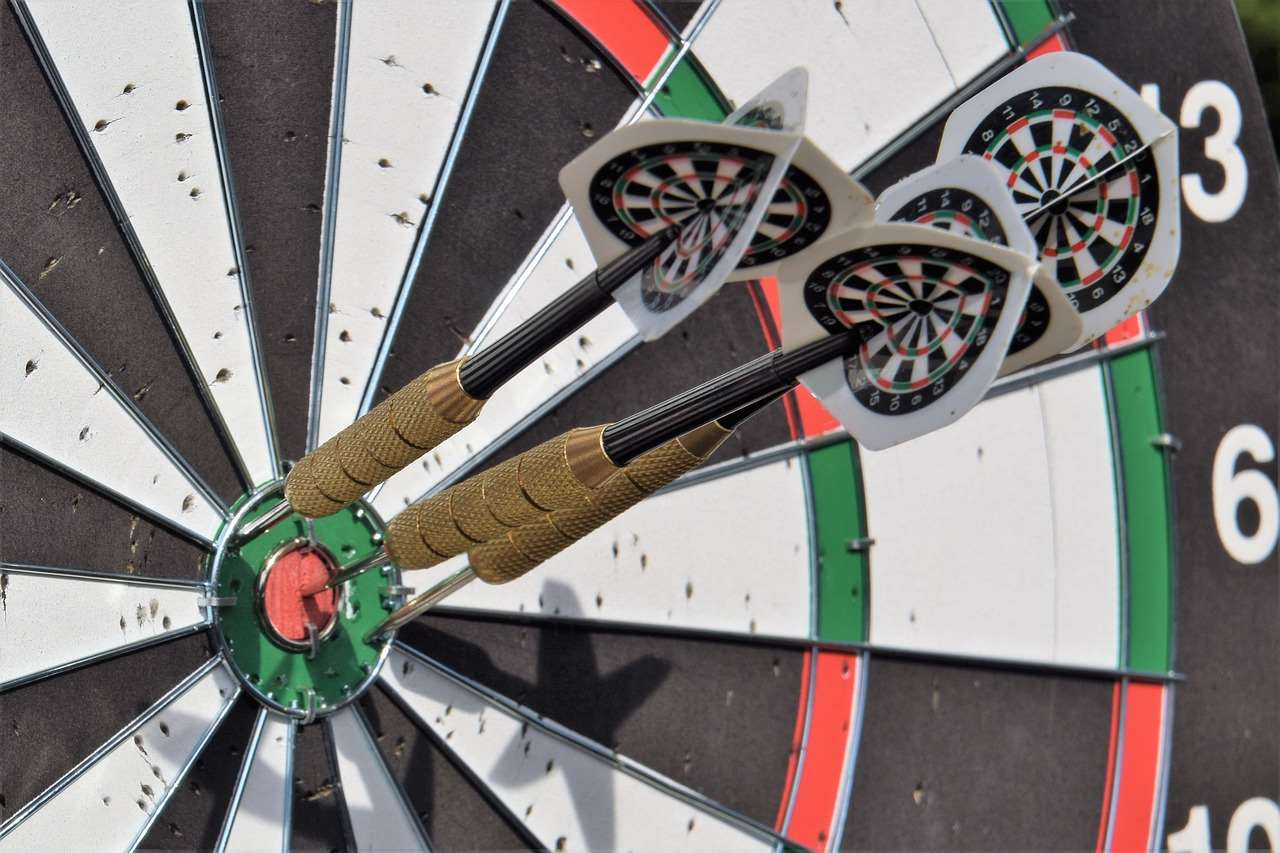
Ready to put these principles into practice? Join a local darts league or club and experience the camaraderie and sportsmanship firsthand. Start by checking out tips for Promoting Local Darts.

Hi, I’m Dieter, and I created Dartcounter (Dartcounterapp.com). My motivation wasn’t being a darts expert – quite the opposite! When I first started playing, I loved the game but found keeping accurate scores and tracking stats difficult and distracting.
I figured I couldn’t be the only one struggling with this. So, I decided to build a solution: an easy-to-use application that everyone, no matter their experience level, could use to manage scoring effortlessly.
My goal for Dartcounter was simple: let the app handle the numbers – the scoring, the averages, the stats, even checkout suggestions – so players could focus purely on their throw and enjoying the game. It began as a way to solve my own beginner’s problem, and I’m thrilled it has grown into a helpful tool for the wider darts community.