Mastering Darts Etiquette At Home ensures a fun and respectful game for everyone, preventing arguments and promoting friendly competition. This article explores the unspoken rules of home darts, from safety considerations and turn-taking to respecting your opponent and maintaining the playing area.
⚠️ Still Using Pen & Paper (or a Chalkboard)?! ⚠️
Step into the future! The Dart Counter App handles all the scoring, suggests checkouts, and tracks your stats automatically. It's easier than you think!
Try the Smart Dart Counter App FREE!Ready for an upgrade? Click above!
Understanding Darts Etiquette At Home
Darts etiquette at home is all about creating a welcoming and enjoyable environment for players of all skill levels. While there might not be referees or strict rules like in a professional setting, adhering to certain guidelines ensures fair play and prevents accidental injuries. Think of it as extending the spirit of good sportsmanship into your personal space. Understanding how to build a darts club starts with understanding and respecting this culture.
The Importance of Safety
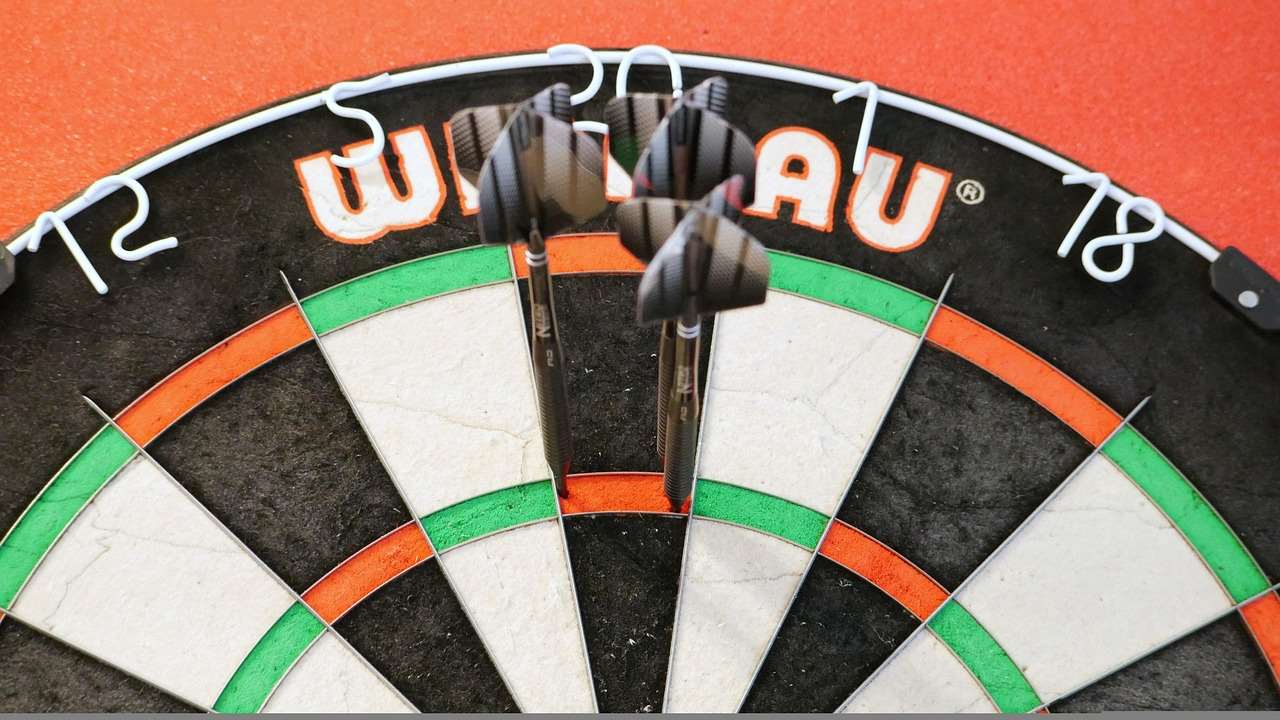
Safety should always be your top priority. Establishing and enforcing safety rules is a crucial part of darts etiquette at home. Here’s what you need to consider:
- No Walk-bys: The cardinal rule is that no one should walk in front of a player who is about to throw. This minimizes the risk of accidental stabbings (however unlikely!). Make sure everyone is aware and adheres to this rule.
- Spectator Distance: Spectators should stand well back from the oche (throwing line). Designate a safe viewing area, preferably behind the thrower.
- Dartboard Placement: Ensure your dartboard is securely mounted on a solid wall, minimizing wobble and potential falls. Consider a backboard to protect the surrounding wall from stray darts.
- Dart Storage: When not in use, store your darts in a safe place, out of reach of children and pets. A dart case or dedicated dart holder is ideal.
- Dealing with Bounce-Outs: Bounce-outs happen. When they do, the thrower should retrieve the dart carefully, announcing that they are doing so to alert others.
Basic Rules and Fair Play
Beyond safety, maintaining fair play is essential for good darts etiquette at home. This ensures everyone has an equal chance to win and prevents disputes.
Turn-Taking
Turn-taking is fundamental. Players should take turns throwing their three darts. Avoid rushing your opponent or delaying your own turn unnecessarily. Agreed-upon order should be maintained throughout the game. This is key to Darts Culture And Community Guide and the spirit of fair play.
Scoring and Chalking
Designate a scorer. This person should be responsible for accurately tracking the score for each player. Whether you use a traditional chalkboard or a digital scoring system, ensure the score is clearly visible and updated after each turn. If you’re using a chalkboard, avoid excessive erasing or scribbling that could make the score difficult to read. Agreeing upon rules for scoring is important when considering Organizing Local Darts League.
Calling Your Score
A helpful practice is for players to announce their score after each turn, especially when using a manual scoring system. This allows the scorer to verify the score and helps prevent errors. It also demonstrates good sportsmanship and transparency.
The Stance and The Throw
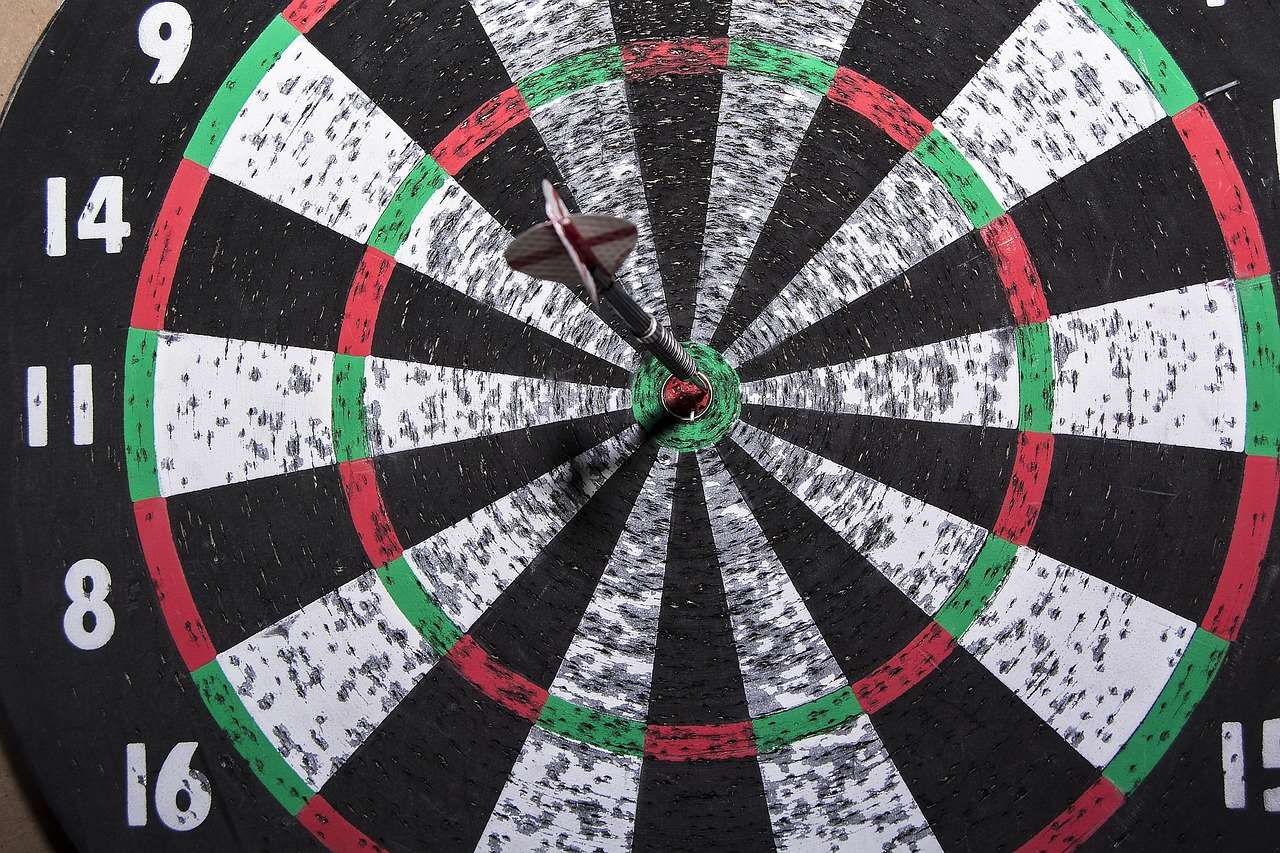
It’s generally bad form to deliberately obstruct another player’s view or distract them while they’re throwing. Maintain a respectful distance and avoid making unnecessary noise. Similarly, avoid offering unsolicited advice on their throwing technique unless specifically asked.
Respecting Your Opponent
A key aspect of Darts Etiquette At Home revolves around showing respect for your opponent, regardless of their skill level. Treat them as you would like to be treated.
Good Sportsmanship
Win or lose, demonstrate good sportsmanship. Congratulate your opponent on a good shot, and avoid gloating or making disparaging remarks after winning. Likewise, accept defeat gracefully and avoid making excuses for losing.
Avoiding Distractions
Minimize distractions while your opponent is throwing. Turn off the TV, put your phone on silent, and avoid engaging in loud conversations. Focus on the game and show your opponent that you respect their focus.
Compliments and Encouragement
Offer genuine compliments on good throws, even if they are made by your opponent. A little encouragement can go a long way in maintaining a positive atmosphere. A simple “Nice shot!” or “Well thrown!” is always appreciated. Consider promoting local darts and supporting other players in the process.
Maintaining the Playing Area
Darts etiquette at home also includes taking responsibility for maintaining the playing area. This ensures a safe and enjoyable experience for everyone.
Cleanliness
Keep the area around the dartboard clean and tidy. Pick up any stray darts, remove empty glasses or bottles, and ensure there are no obstructions on the floor. A clean playing area minimizes the risk of accidents and contributes to a more professional atmosphere.
Dartboard Maintenance
Regularly rotate your dartboard to ensure even wear and tear. This helps prolong the life of the board and prevents certain sections from becoming overly worn. Follow the manufacturer’s instructions for dartboard maintenance. Knowing how to How To Start A Darts League includes creating a good playing environment.
Respecting the Equipment
Treat the darts and dartboard with respect. Avoid throwing darts with excessive force or at targets other than the dartboard. Handle the darts carefully and avoid dropping them, as this can damage the flights or points.
Addressing Disputes
Even with the best intentions, disputes can sometimes arise during a game of darts. Knowing how to handle these situations diplomatically is crucial for maintaining a friendly atmosphere.
Remain Calm
If a dispute arises, the first step is to remain calm and avoid getting emotional. Raising your voice or becoming aggressive will only escalate the situation.
Review the Rules
Refer to a set of agreed-upon rules to resolve the dispute. If necessary, consult a reputable source online or in a darts rulebook. Having a written set of rules readily available can prevent misunderstandings.
Seek Mediation
If the players cannot resolve the dispute themselves, consider seeking mediation from a neutral third party. This person can help facilitate a discussion and guide the players toward a fair resolution. Sometimes it can be helpful to learn about Recruiting Members Darts League Club in order to foster team cohesion.
Advanced Darts Etiquette At Home
Once you’ve mastered the basics, you can move on to some more advanced considerations for darts etiquette at home.
Customizing Your Darts
While not strictly etiquette, it’s good form to inform your opponents if you’re using particularly sharp or unusual darts, especially if they might damage the dartboard more easily. This is a courtesy to ensure fair wear and tear on the board. Learning about Darts League Management Tips can give you the experience needed to select proper equipment.
Celebrating Responsibly
If you’re celebrating a win, do so respectfully. Avoid excessive displays of gloating or taunting. Keep the celebration appropriate for the setting and avoid disrupting the game for other players. Maintaining responsible drinking habits is key to good etiquette.
Offering Coaching (Sparingly)
As mentioned before, unsolicited coaching is generally frowned upon. However, if a player specifically asks for your advice, offer it constructively and respectfully. Avoid being overly critical or condescending. Tailor your advice to their skill level and focus on helping them improve their game. It is vital to remember that following darts etiquette at home will keep everyone playing and having fun.
Conclusion: Elevating Your Home Darts Experience
By embracing Darts Etiquette At Home, you’re not just playing a game; you’re cultivating a culture of respect, sportsmanship, and fun. From prioritizing safety and maintaining fair play to respecting your opponent and caring for the playing area, these guidelines elevate the entire experience for everyone involved. Remember that good etiquette is the cornerstone of a positive and enjoyable darts environment. Now, grab your darts, gather your friends, and put these principles into practice to create unforgettable moments around your dartboard. Consider these steps to enhance Setting Up A Darts Club, and be sure to share this guide to help others!

Hi, I’m Dieter, and I created Dartcounter (Dartcounterapp.com). My motivation wasn’t being a darts expert – quite the opposite! When I first started playing, I loved the game but found keeping accurate scores and tracking stats difficult and distracting.
I figured I couldn’t be the only one struggling with this. So, I decided to build a solution: an easy-to-use application that everyone, no matter their experience level, could use to manage scoring effortlessly.
My goal for Dartcounter was simple: let the app handle the numbers – the scoring, the averages, the stats, even checkout suggestions – so players could focus purely on their throw and enjoying the game. It began as a way to solve my own beginner’s problem, and I’m thrilled it has grown into a helpful tool for the wider darts community.