Navigating the complexities of the darts disciplinary process can be daunting, but this DRA guide offers a clear understanding of the procedures and your rights. This article breaks down the entire process, from initial complaints to potential appeals, ensuring you’re prepared and informed.
⚠️ Still Using Pen & Paper (or a Chalkboard)?! ⚠️
Step into the future! The Dart Counter App handles all the scoring, suggests checkouts, and tracks your stats automatically. It's easier than you think!
Try the Smart Dart Counter App FREE!Ready for an upgrade? Click above!
Understanding the Darts Regulation Authority (DRA)
The Darts Regulation Authority (DRA) is the governing body responsible for maintaining integrity and upholding the rules within professional darts. This includes overseeing tournaments, ensuring fair play, and, crucially, managing the darts disciplinary process. Their role is essential in safeguarding the sport’s reputation and ensuring a level playing field for all competitors. Any serious breach of conduct can trigger a DRA investigation and potential sanctions.
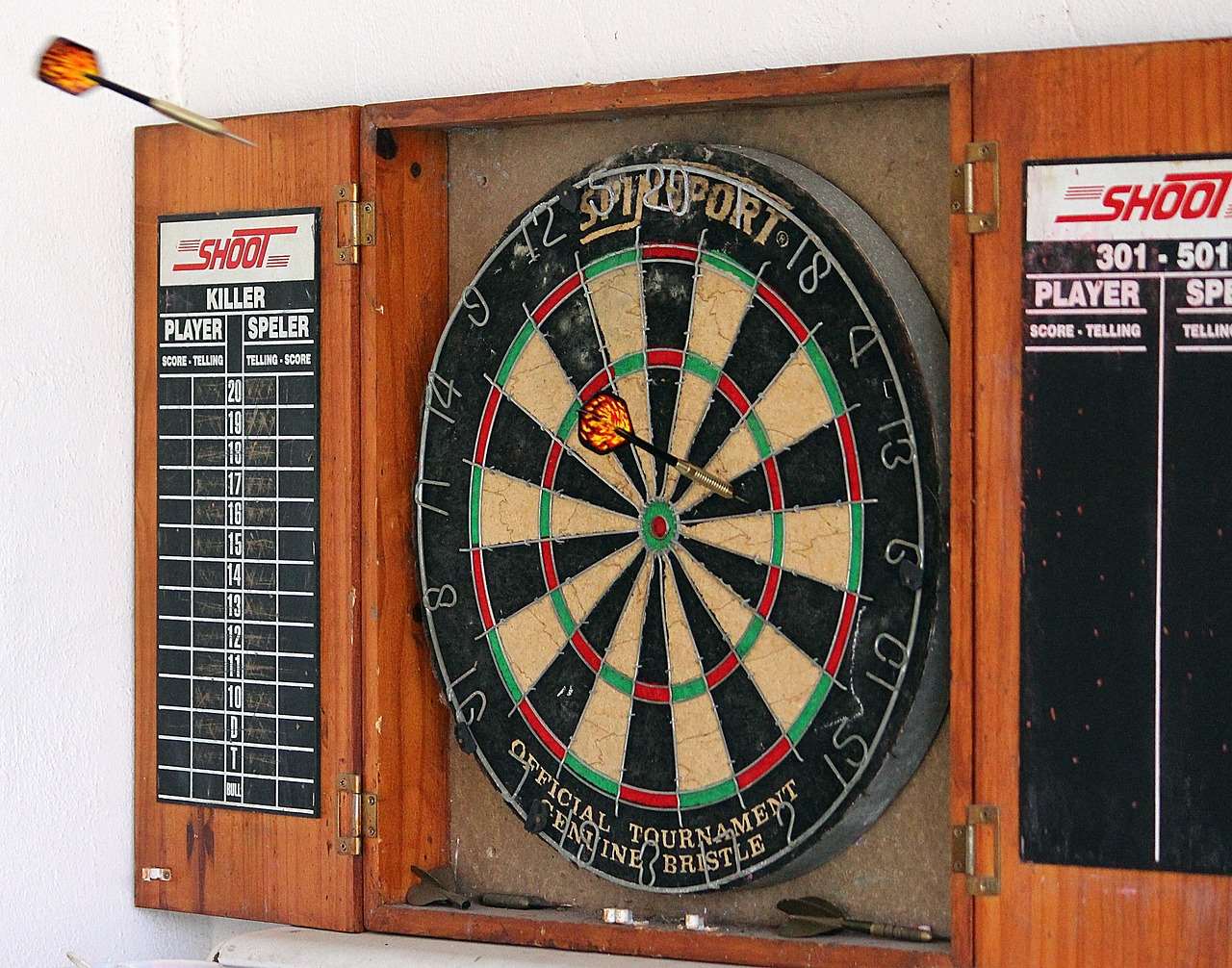
DRA’s Core Responsibilities
- Enforcing the Rules: The DRA ensures that all players and officials adhere to the rules of darts, as defined in their official rulebook.
- Investigating Breaches: They are responsible for investigating any reported breaches of the rules or code of conduct.
- Imposing Sanctions: If a player or official is found to have violated the rules, the DRA has the authority to impose sanctions, ranging from warnings to bans.
- Promoting Fair Play: A key objective is to promote fair play and ethical conduct throughout the sport.
The Darts Disciplinary Process DRA Guide: A Step-by-Step Breakdown
This section provides a comprehensive darts disciplinary process DRA guide, walking you through each stage from the initial complaint to a potential appeal. Understanding each step is crucial if you’re involved in a disciplinary matter.
1. Filing a Complaint
The disciplinary process typically begins with the filing of a complaint. This can be initiated by a player, official, spectator, or even the DRA itself. The complaint must be submitted in writing, outlining the alleged breach of conduct, providing supporting evidence (if available), and identifying the individual(s) involved. This is a critical step, and the clarity and accuracy of the complaint can significantly impact the subsequent investigation. You must understand that the complaint should be submitted to the DRA.
2. Initial Assessment
Upon receiving a complaint, the DRA will conduct an initial assessment to determine whether the complaint warrants further investigation. This involves reviewing the complaint and any supporting evidence to determine if there is a reasonable basis to believe that a breach of the rules or code of conduct has occurred. This initial assessment is crucial in determining whether the disciplinary action proceeds.
3. Investigation
If the DRA determines that the complaint warrants further investigation, they will launch a formal investigation. This may involve gathering evidence, interviewing witnesses, and reviewing relevant documentation. The individual accused of the breach will be notified of the investigation and given the opportunity to respond to the allegations. It is critical to cooperate fully with the investigation and provide any information or evidence that may be relevant to the matter. This also includes the use of video and audio evidence now that darts tv rights value have increased significantly.
4. Disciplinary Hearing
Following the investigation, if the DRA believes that a breach has occurred, a disciplinary hearing will be scheduled. At the hearing, the individual accused of the breach will have the opportunity to present their case, challenge the evidence presented against them, and call witnesses. The DRA will present its evidence and arguments in support of the allegations. The hearing is typically conducted by a disciplinary committee comprised of independent individuals with expertise in sports law and governance. Knowing your rights is essential during a DRA hearing.
5. Decision and Sanctions
After the hearing, the disciplinary committee will render a decision. If the individual is found to have committed a breach, the committee will impose sanctions. These sanctions can vary depending on the severity of the breach and may include warnings, fines, suspensions, or even expulsion from the sport. The DRA’s decision is binding, but the individual may have the right to appeal.
6. Appeal Process
If an individual is dissatisfied with the DRA’s decision, they may have the right to appeal. The appeal process typically involves submitting a written appeal to an independent appeals body, outlining the grounds for the appeal and providing supporting evidence. The appeals body will review the case and make a final decision, which is binding. Understanding the appeal process is vital if you believe the original decision was unfair.
Common Breaches and Sanctions
To further clarify the darts disciplinary process DRA guide, let’s examine common breaches and the typical sanctions imposed.
- Match Fixing: Attempting to predetermine the outcome of a match. This carries the most severe penalties, including lifetime bans.
- Betting on Darts: Players or officials betting on darts matches (especially their own) is strictly prohibited. This can lead to hefty fines and suspensions.
- Verbal Abuse: Using offensive or abusive language towards opponents, officials, or spectators. This can result in warnings, fines, or suspensions.
- Physical Altercation: Engaging in physical violence or aggressive behaviour. This carries severe penalties, including lengthy suspensions and potential expulsion.
- Bringing the Game into Disrepute: Any behaviour that damages the reputation of darts. This is a broad category and can include various types of misconduct.
Key Considerations for Players
Navigating the darts disciplinary process DRA guide can be complex. Here are crucial considerations for players:
- Know the Rules: Familiarize yourself with the DRA’s rules and code of conduct. Ignorance is not an excuse.
- Act Professionally: Maintain a professional demeanor on and off the oche. Your behaviour reflects on the sport.
- Seek Legal Advice: If you’re facing a disciplinary matter, seek legal advice from a sports lawyer. They can help you understand your rights and options.
- Cooperate Fully: Cooperate fully with any DRA investigation. Failure to do so can result in additional penalties.
- Keep Records: Keep records of all relevant communications and documentation related to any disciplinary matter. This can be helpful in building your case.
The Importance of Representation
Having proper representation during a disciplinary hearing can significantly impact the outcome. A sports lawyer or experienced advocate can help you prepare your case, present evidence effectively, and navigate the legal complexities of the darts disciplinary process. They can ensure your rights are protected and that you receive a fair hearing. Remember to secure representation well in advance of any scheduled hearing.
Preventative Measures to Avoid Disciplinary Action
The best way to navigate the darts disciplinary process DRA guide is to avoid disciplinary action altogether. Focus on ethical conduct and adhering to the rules and regulations. Consider these preventative measures: Understanding Business of Darts is a great way to stay up to date.
- Ethics Training: Participate in ethics training programs offered by the DRA or other organizations.
- Code of Conduct Workshops: Attend workshops that review the DRA’s code of conduct and provide guidance on ethical behaviour.
- Mentorship Programs: Seek guidance from experienced players or officials who can serve as mentors and provide advice on navigating the sport.
- Self-Reflection: Regularly reflect on your behaviour and identify areas where you can improve your ethical conduct.
The Future of Darts Disciplinary Procedures
The darts disciplinary process DRA guide is subject to ongoing evolution as the sport continues to grow and professionalize. Increased scrutiny, technological advancements, and a greater emphasis on player welfare are all factors that will shape the future of disciplinary procedures. The DRA will likely continue to refine its processes to ensure fairness, transparency, and accountability.
Potential Future Developments
- Increased Transparency: Greater transparency in disciplinary proceedings, including publishing decisions and sanctions.
- Enhanced Technology: Use of technology to gather evidence and conduct investigations, such as video analysis and social media monitoring.
- Player Welfare Focus: A greater emphasis on player welfare, including providing support and resources to players facing disciplinary action.
- Standardized Procedures: Continued efforts to standardize disciplinary procedures across different darts organizations and governing bodies.
Resources and Support
If you are facing a disciplinary matter, remember that you are not alone. A variety of resources and support are available to help you navigate the process.
- The DRA Website: The DRA website provides detailed information about the disciplinary process, rules, and code of conduct.
- Sports Lawyers: Sports lawyers can provide legal advice and representation.
- Player Associations: Player associations may offer support and resources to their members.
- Mental Health Professionals: Mental health professionals can provide support and counselling to players facing disciplinary action.
Conclusion: Navigating the Darts Disciplinary Landscape
Understanding the darts disciplinary process DRA guide is crucial for all involved in the sport, ensuring fairness, transparency, and accountability. By familiarizing yourself with the rules, acting professionally, and seeking advice when needed, you can navigate the disciplinary landscape effectively and contribute to the integrity of darts. Remember to prioritize ethical conduct and adhere to the principles of fair play, helping to safeguard the sport’s reputation for years to come. For more insights into the evolving media landscape of darts, explore how darts media deals work. If you want to read about PDC Sky Sports deal worth, we have this and a lot more information for you to look over!

Hi, I’m Dieter, and I created Dartcounter (Dartcounterapp.com). My motivation wasn’t being a darts expert – quite the opposite! When I first started playing, I loved the game but found keeping accurate scores and tracking stats difficult and distracting.
I figured I couldn’t be the only one struggling with this. So, I decided to build a solution: an easy-to-use application that everyone, no matter their experience level, could use to manage scoring effortlessly.
My goal for Dartcounter was simple: let the app handle the numbers – the scoring, the averages, the stats, even checkout suggestions – so players could focus purely on their throw and enjoying the game. It began as a way to solve my own beginner’s problem, and I’m thrilled it has grown into a helpful tool for the wider darts community.