Mastering the **darts bull to floor** measurement – 5 feet 8 inches from the floor to the bullseye – is absolutely crucial for fair play and consistent practice. This article will provide a comprehensive guide to ensuring your dartboard is set up correctly, along with tips for improving your game. We’ll cover everything from board installation to stance and throwing techniques.
⚠️ Still Using Pen & Paper (or a Chalkboard)?! ⚠️
Step into the future! The Dart Counter App handles all the scoring, suggests checkouts, and tracks your stats automatically. It's easier than you think!
Try the Smart Dart Counter App FREE!Ready for an upgrade? Click above!
Understanding the Importance of Proper Darts Bull to Floor Height
The seemingly simple act of setting up a dartboard involves adhering to specific regulations, primarily the **darts bull to floor** height. This isn’t just some arbitrary number; it’s a standard established to ensure a level playing field across all games, whether casual or competitive. Imagine playing a tournament where every venue had a different bullseye height; it would significantly impact accuracy and consistency.
Having your board at the correct height is one of the first steps to becoming a skilled dart player. It’s as important as choosing the right darts or perfecting your stance. Consistent practice with a correctly mounted board helps develop muscle memory, leading to more predictable throws and improved scoring. Ignoring this standard can hinder your progress and create bad habits.
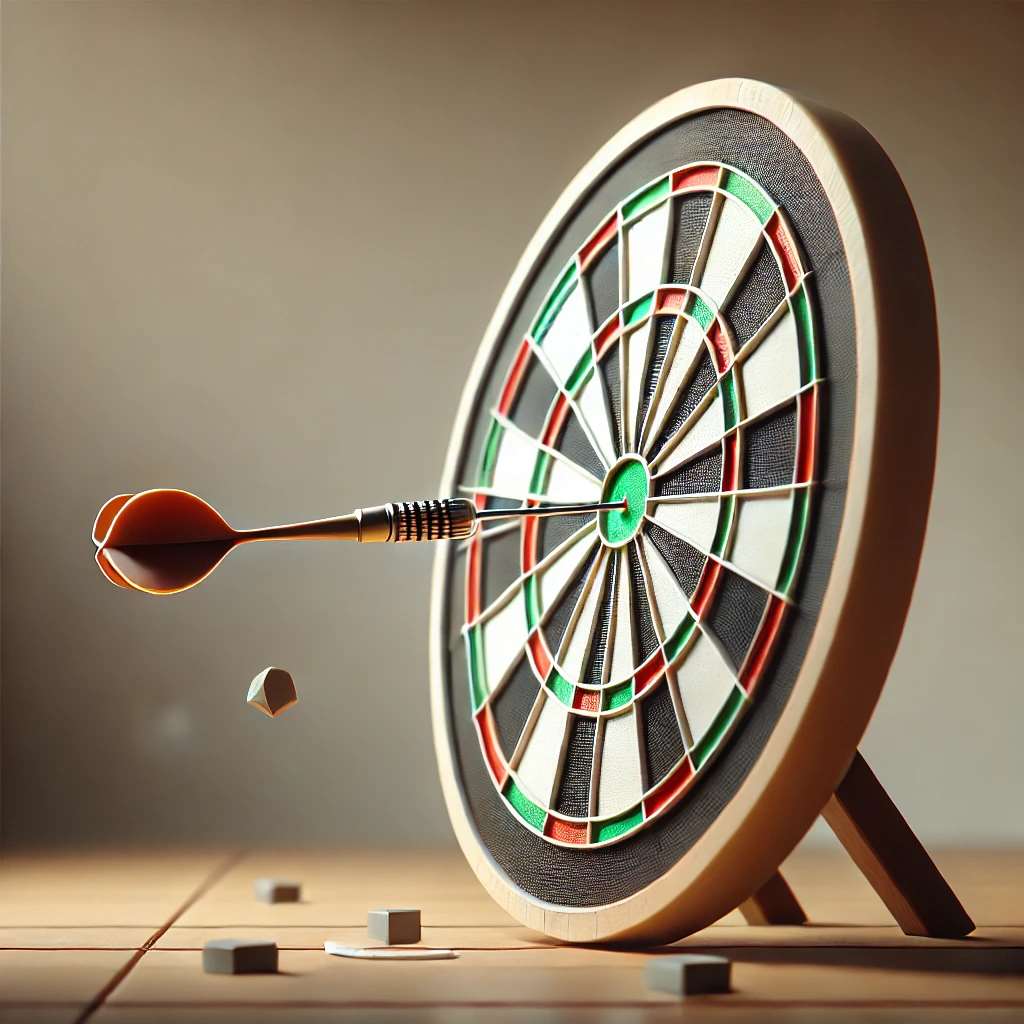
Step-by-Step Guide: Setting Up Your Dartboard with Correct Darts Bull to Floor Measurement
Now that you understand the importance, let’s get down to the practical steps of mounting your dartboard at the correct height:
- Gather Your Tools: You’ll need a measuring tape, a pencil, a drill (if mounting to a solid wall), screws, wall anchors (if needed), and a level. Some dartboards come with mounting hardware, so check your package first.
- Find the Bullseye: Locate the center of your dartboard. This is the point you’ll be measuring from.
- Measure Up: Using your measuring tape, measure 5 feet 8 inches (173 cm) upwards from the floor. Mark this spot on the wall with a pencil.
- Install the Mounting Bracket: Most dartboards have a bracket on the back. Align this bracket with the marked spot on the wall. If you’re mounting to drywall, use wall anchors to provide extra support. Ensure the bracket is level.
- Hang the Dartboard: Carefully hang the dartboard onto the mounted bracket.
- Double-Check Everything: Use a level to ensure the board is perfectly vertical. Make any necessary adjustments.
Beyond Height: Other Important Dartboard Setup Considerations
While the **darts bull to floor** height is paramount, other factors contribute to an optimal dartboard setup:
- The Throwing Line (Oche): The oche, or throwing line, should be 7 feet 9 1/4 inches (2.37 meters) from the face of the dartboard. Measure this distance carefully to maintain consistent throwing conditions.
- Lighting: Adequate lighting is crucial for clear visibility. Consider investing in a dedicated dartboard light to eliminate shadows and improve accuracy.
- Surround: A dartboard surround protects your wall from stray darts. It’s a worthwhile investment that can save you from costly repairs. Learn more about dartboard review and find the best accessories.
- Wall Protection: Even with a surround, consider additional wall protection behind and around the board to prevent damage from occasional missed throws.
Common Mistakes to Avoid When Setting Up Your Dartboard
Avoid these common pitfalls to ensure a proper setup:
- Inaccurate Measurements: Double-check all measurements to ensure accuracy. A slight error can significantly impact your game.
- Insufficient Wall Support: Using wall anchors is crucial, especially when mounting to drywall. Without them, the board may be unstable or even fall down.
- Ignoring the Oche Distance: The correct oche distance is just as important as the height. Don’t neglect this measurement.
- Poor Lighting: Playing in dim or poorly lit conditions can strain your eyes and reduce accuracy. Invest in good lighting.
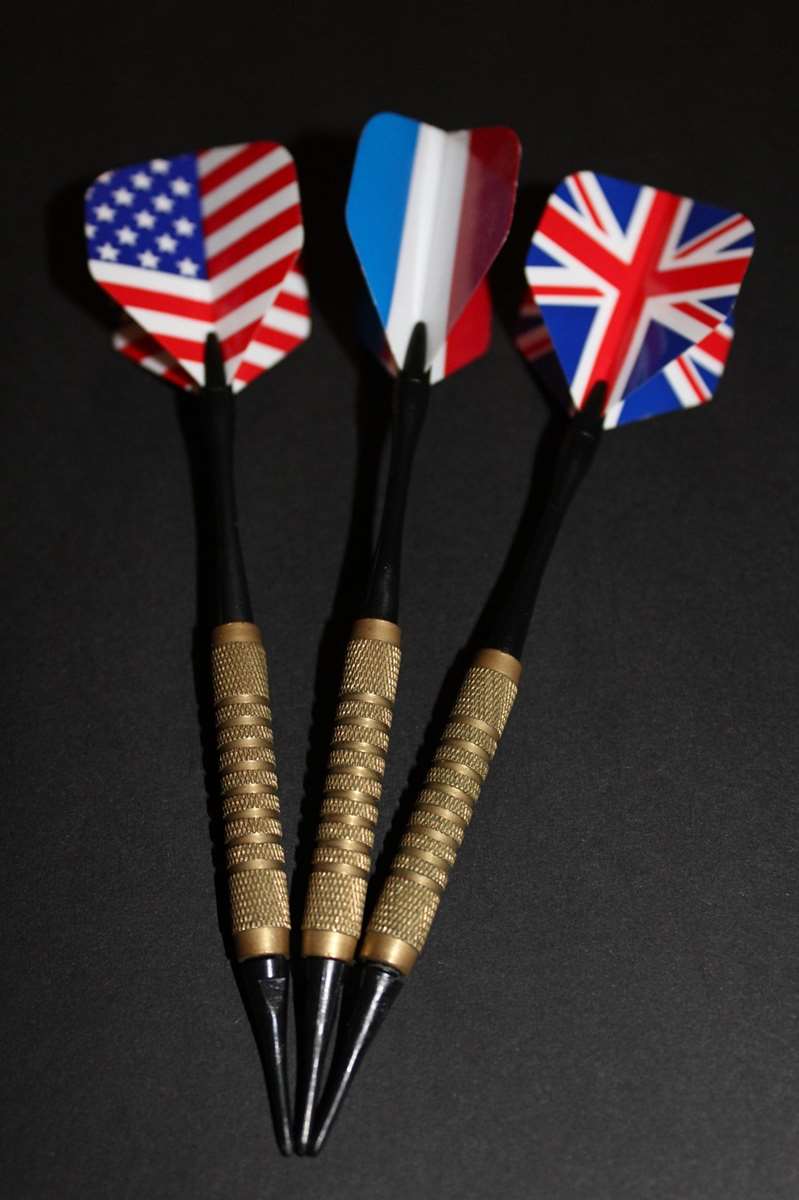
Perfecting Your Stance and Throwing Technique After Setting Up Your Darts Bull to Floor
Once your dartboard is properly installed, it’s time to focus on your game. A consistent stance and throwing technique are essential for accuracy. Here are some tips:
- Stance: Find a stance that feels comfortable and balanced. Most players prefer to stand with one foot slightly ahead of the other, angled towards the board. Experiment to find what works best for you.
- Grip: Experiment with different grips to find one that feels natural and secure. There’s no “right” grip; it’s a matter of personal preference. You can learn more about target darts grip.
- Throwing Motion: Keep your throwing motion smooth and consistent. Avoid jerky movements or excessive wrist action.
- Follow Through: Follow through with your arm after releasing the dart. This helps to maintain accuracy and consistency.
- Practice Regularly: The more you practice, the more consistent your stance and throwing technique will become.
Advanced Techniques: Targeting the Bullseye and Improving Accuracy
Once you have the basics down, you can start working on advanced techniques to improve your accuracy and targeting. Here are a few tips:
- Visualize Your Target: Before each throw, visualize the dart hitting the bullseye. This can help to improve your focus and concentration.
- Use a Consistent Release Point: Try to release the dart at the same point in your throwing motion each time. This will help to improve your consistency.
- Practice Different Angles: Experiment with throwing darts at different angles to see how it affects their trajectory. This can help you to compensate for slight variations in your stance or throwing technique.
- Analyze Your Throws: Pay attention to where your darts are landing and make adjustments to your stance or throwing technique as needed.
Maintaining Your Dartboard for Optimal Performance
Proper maintenance can extend the life of your dartboard and ensure optimal performance. Here are some tips:
- Rotate the Board Regularly: Rotating the board evenly distributes wear and tear, preventing certain sections from becoming overly worn.
- Clean the Board: Use a soft brush to remove dust and debris from the board. Avoid using water or cleaning solutions, as they can damage the sisal fibers.
- Replace Worn Segments: If certain segments become excessively worn or damaged, replace them to maintain a consistent playing surface.
The Psychology of Darts: Mental Toughness and Focus
Darts is as much a mental game as it is a physical one. Maintaining focus and mental toughness is crucial for success. Here are some tips:
- Stay Calm Under Pressure: Learn to manage your nerves and stay calm, even in high-pressure situations.
- Visualize Success: Before each match, visualize yourself playing well and achieving your goals.
- Focus on the Present: Don’t dwell on past mistakes or worry about future outcomes. Focus on the present moment and each individual throw.
- Develop a Routine: Establish a pre-match routine to help you get into the right mental state.
Darts Bull to Floor and Beyond: Different Dartboard Types and Materials
While the **darts bull to floor** measurement remains constant, dartboards themselves come in various types and materials. Understanding these differences can help you choose the right board for your needs:
- Sisal Dartboards: The most common type, made from compressed sisal fibers. These boards are durable and self-healing, making them ideal for regular play.
- Electronic Dartboards: Feature electronic scoring and are often used for recreational play. They’re typically made from plastic and are less durable than sisal boards.
- Paper Dartboards: The least expensive type, made from rolled paper. These boards are not very durable and are best suited for occasional use.
Exploring Different Darts and Their Impact on Your Game
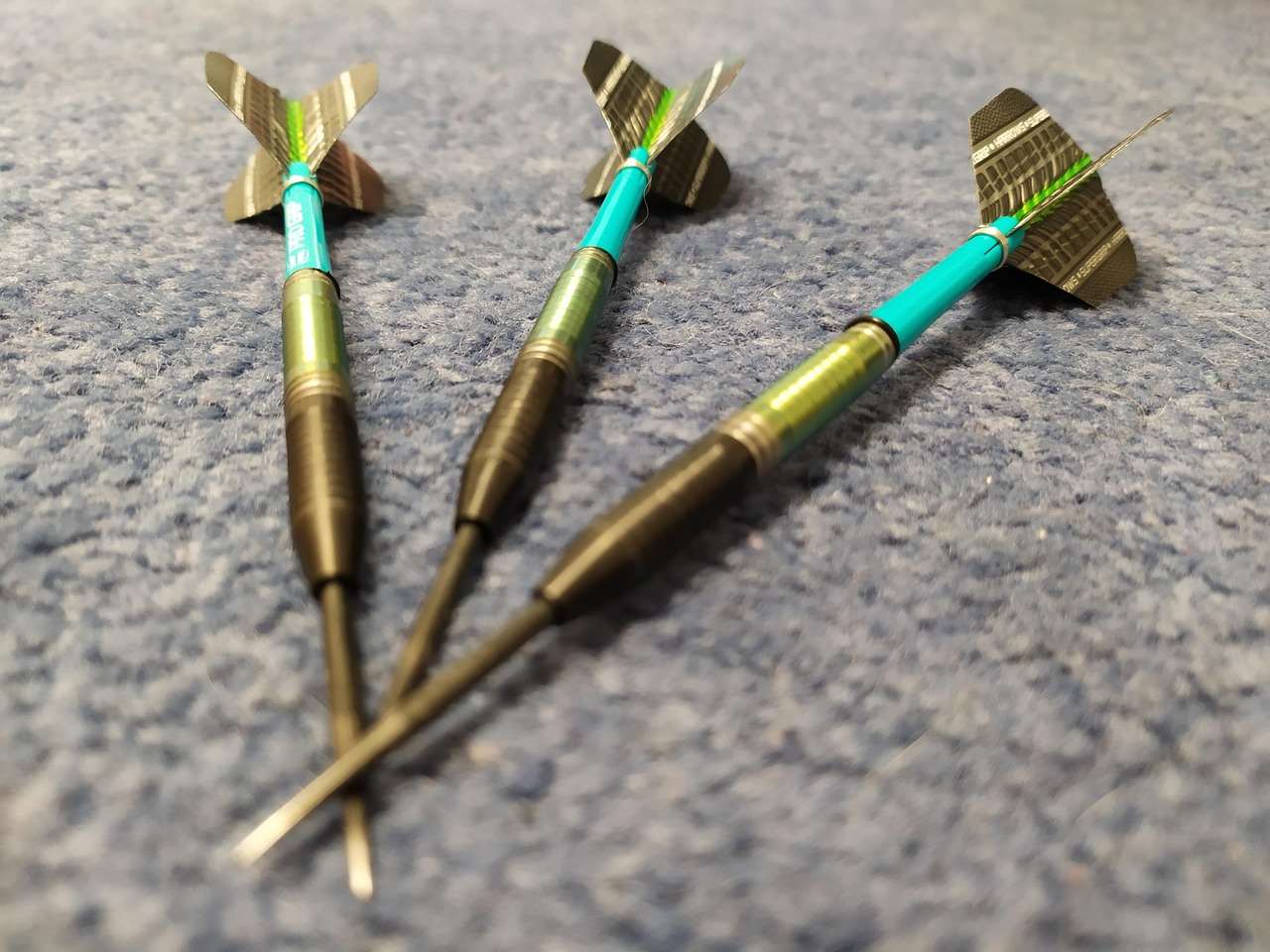
Choosing the right darts can significantly impact your performance. Consider factors such as weight, grip, and balance when selecting your darts.
- Weight: Darts typically range from 20 to 26 grams. Experiment with different weights to find what feels most comfortable and allows you to throw with the most accuracy.
- Grip: Darts come with different types of grips, such as knurled, ringed, or smooth. Choose a grip that provides you with a secure and comfortable hold.
- Balance: The balance point of a dart can affect its flight characteristics. Experiment with different balance points to find what works best for your throwing style.
Leveraging Technology: Dart Game Scoring App and Online Resources
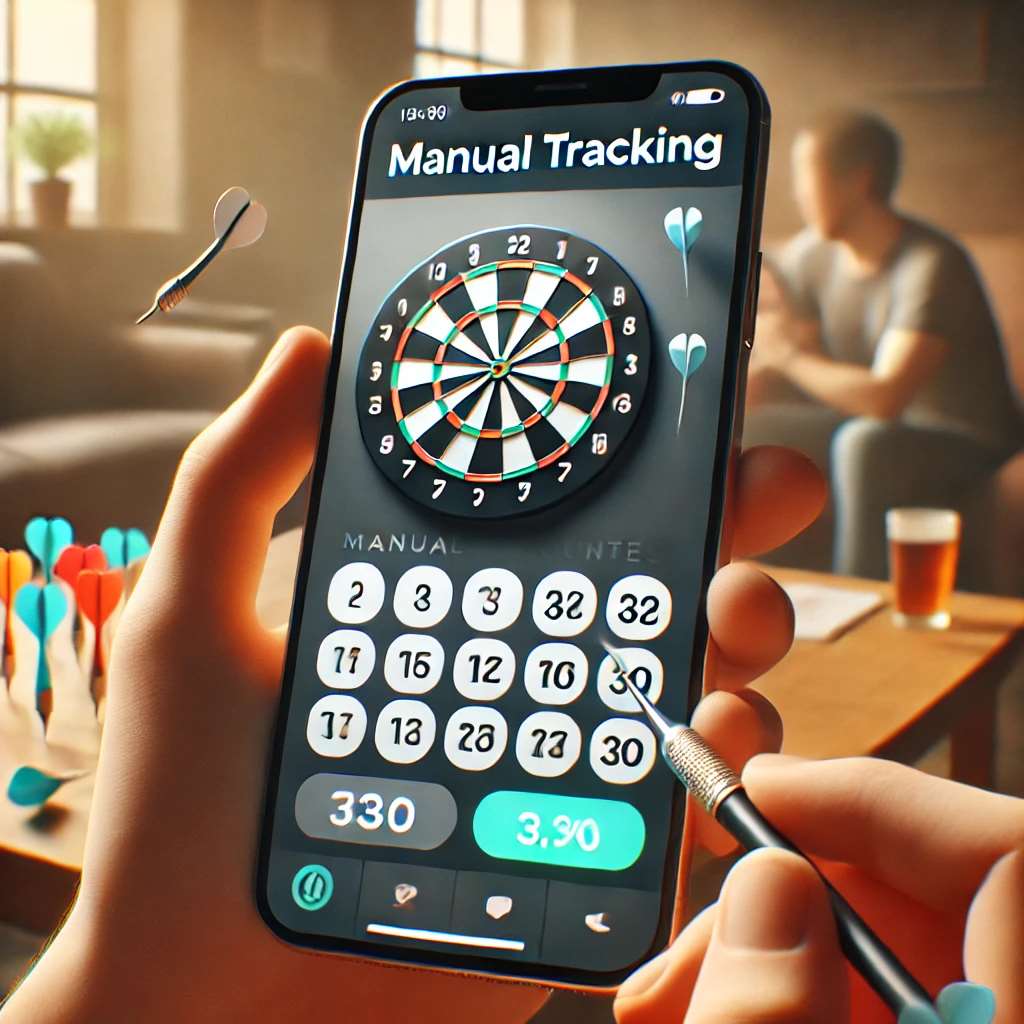
Technology can be a valuable tool for improving your darts game. Consider using a Dart game scoring app (like Dart game scoring app) to track your progress and analyze your performance. There are also numerous online resources available, such as tutorials, forums, and coaching websites.
Darts Community and Culture
Darts has a rich history and vibrant community. Participating in local leagues or tournaments can be a great way to improve your skills, meet new people, and experience the camaraderie of the game. You might even discover some darts players who started late that can inspire you.
Common Darts Terms and Lingo
To fully immerse yourself in the world of darts, it’s helpful to understand some common terms and lingo:
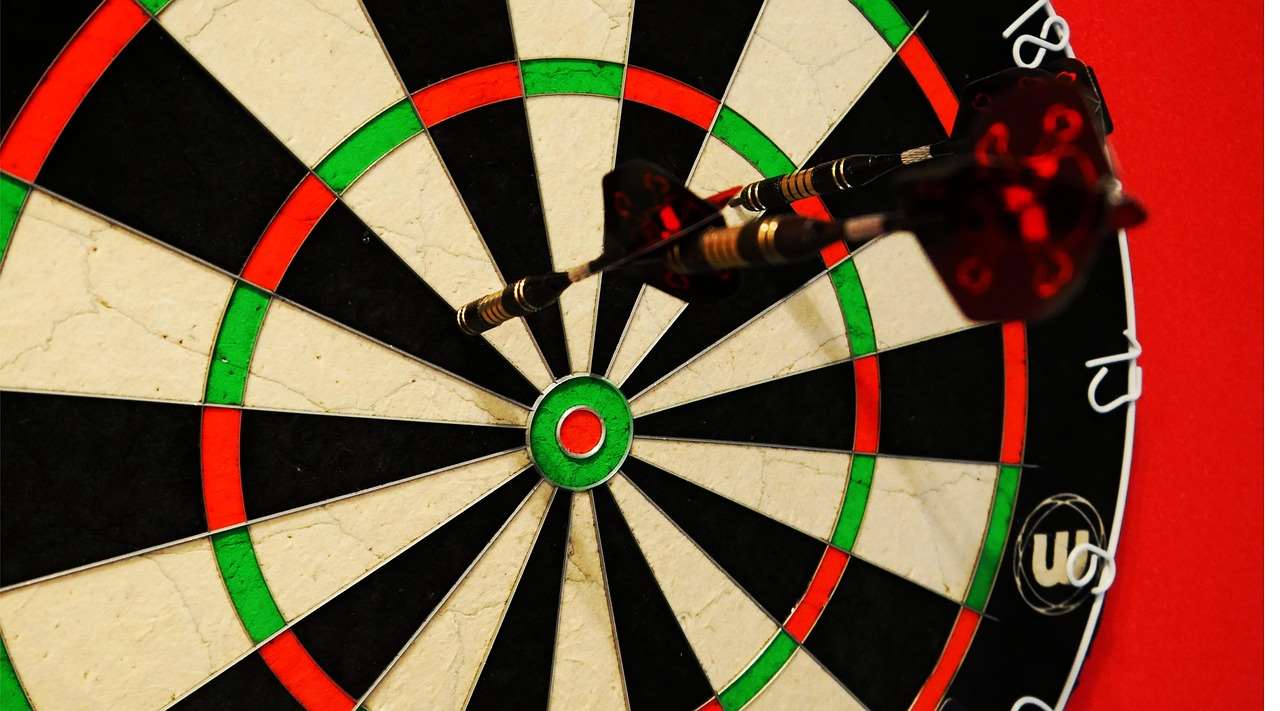
- Bullseye: The center of the dartboard, worth 50 points.
- Double: The outer ring of the dartboard, worth twice the number of the segment.
- Treble: The inner ring of the dartboard, worth three times the number of the segment.
- Oche: The throwing line.
- 180: The highest possible score in a single turn (three treble 20s).
- Nine-Darter: A perfect game, finishing 501 in nine darts. Check out darts nine darter adam mould for an example.
Conclusion
Mastering **darts bull to floor** height is just the first step on your journey to becoming a skilled dart player. By following the guidelines outlined in this article, you can ensure a fair and consistent playing environment. Remember to focus on your stance, throwing technique, and mental toughness. With practice and dedication, you can improve your accuracy, consistency, and overall performance. Now, get out there, set up your board correctly, and start throwing some darts! Aim for the bullseye, and watch your game soar!

Hi, I’m Dieter, and I created Dartcounter (Dartcounterapp.com). My motivation wasn’t being a darts expert – quite the opposite! When I first started playing, I loved the game but found keeping accurate scores and tracking stats difficult and distracting.
I figured I couldn’t be the only one struggling with this. So, I decided to build a solution: an easy-to-use application that everyone, no matter their experience level, could use to manage scoring effortlessly.
My goal for Dartcounter was simple: let the app handle the numbers – the scoring, the averages, the stats, even checkout suggestions – so players could focus purely on their throw and enjoying the game. It began as a way to solve my own beginner’s problem, and I’m thrilled it has grown into a helpful tool for the wider darts community.