Mastering a darts bull finish is a key skill for any serious darts player; it provides a high-pressure, high-reward option to close out legs. This article will break down the most common and effective darts bull finish combinations, offering strategies for improving your accuracy and decision-making under pressure. You’ll also learn about alternative routes and contingency plans should your initial shots not land as planned.
⚠️ Still Using Pen & Paper (or a Chalkboard)?! ⚠️
Step into the future! The Dart Counter App handles all the scoring, suggests checkouts, and tracks your stats automatically. It's easier than you think!
Try the Smart Dart Counter App FREE!Ready for an upgrade? Click above!
Understanding the Allure of a Darts Bull Finish
The double bullseye finish, or more commonly the bull finish, holds a certain mystique in the world of darts. It’s the quickest route to zero when your score is appropriate, showcasing confidence and precision. While a double 20 might be the more frequent closer, the bullseye offers a satisfying finality and can often demoralize your opponent. Beyond the psychological advantage, opting for a bull finish can sometimes be the most statistically sound choice depending on your remaining score and throwing consistency. If you have a high average and confidence in your throwing ability then you could use a Practice darts app with scoring (https://dartcounterapp.com/) to measure your confidence.
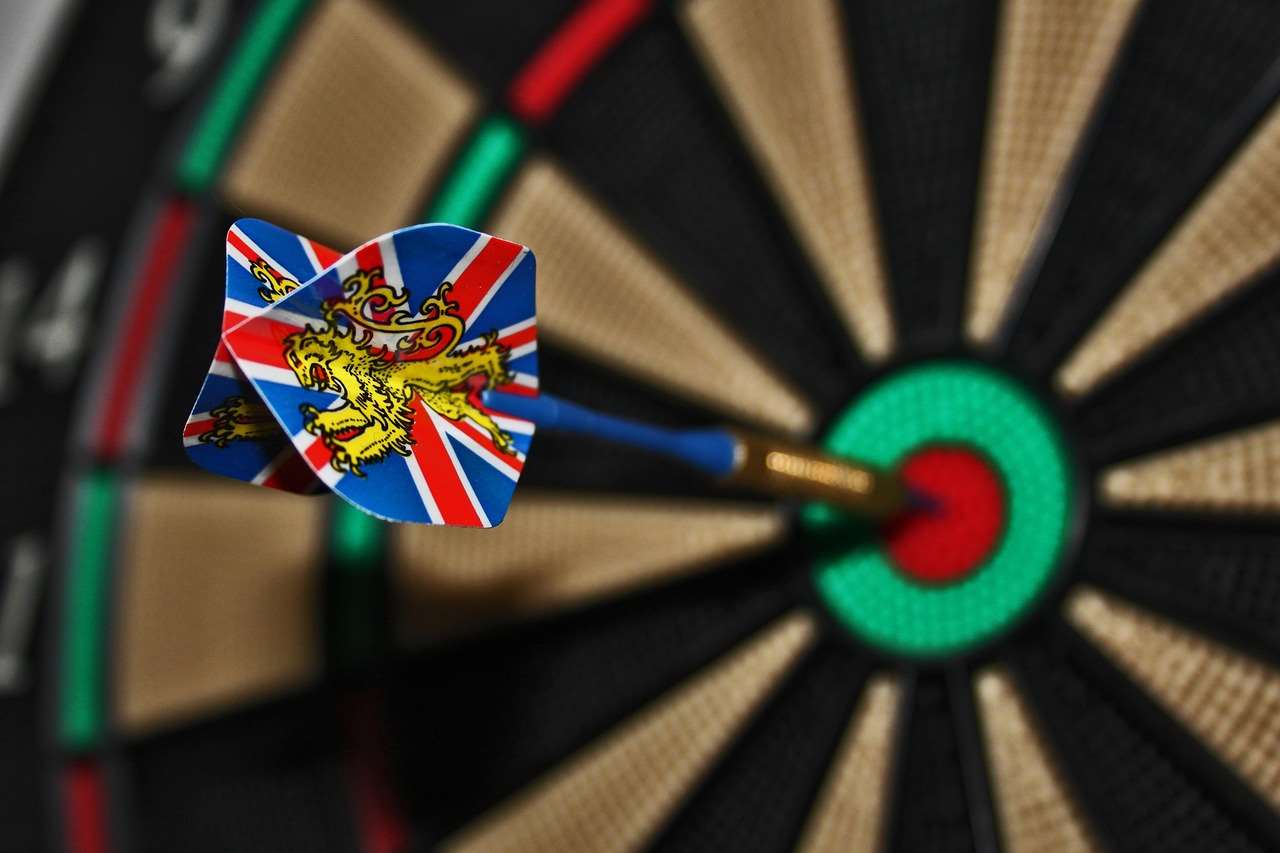
Why Choose the Bull?
- Speed: A 50 to zero checkout is obviously faster than two or three dart combinations.
- Pressure: Executing a darts bull finish sends a strong message to your opponent.
- Simplicity: Fewer darts required mean fewer chances for error, *if* your bullseye accuracy is high.
- Strategic Advantage: Sometimes, the math just works out best with a bull finish, especially when setting up future legs.
Of course, a failed attempt at a bullseye can leave you in a tricky situation. Therefore, understanding the risks and rewards is paramount. Learning what darts to use is key to perfecting a strategy.
Common Darts Bull Finish Combinations
Several common scores lend themselves well to a darts bull finish. Let’s explore some of the most frequently encountered scenarios:
- 170 (T20, T20, Bull): The big one! This is the highest possible checkout. A stunning display of skill if achieved.
- 167 (T20, T19, Bull): A slightly less common but still impressive finish.
- 164 (T20, T18, Bull): Another possible, and equally impressive finish.
- 161 (T20, T17, Bull): Another possible, and equally impressive finish.
- 160 (T20, 20, Bull): This setup allows for a single 20 to set up the bullseye
- 150 (T20, 20, Bull): A classic route, setting up the bull finish with a treble 20 followed by a single 20.
- 147 (T20, 17, Bull): Another possible, and equally impressive finish.
- 144 (T20, D12, Bull): Another possible, and equally impressive finish.
- 141 (T20, 11, Bull): Another possible, and equally impressive finish.
- 140 (T20, 20, Bull): Another possible, and equally impressive finish.
- 130 (T20, Bull): If you find yourself on 130, a treble 20 followed by the bullseye is the straightforward path.
- 127 (T19, Bull): Another combination to remember, using the T19 to set up the bull finish
- 110 (T20, D25/Bull): Treble 20 followed by a Double bull.
- 110 (20, Bull): Single twenty to open followed by bull to finish
- 107 (T19, D25/Bull): Treble 19 followed by Double bull.
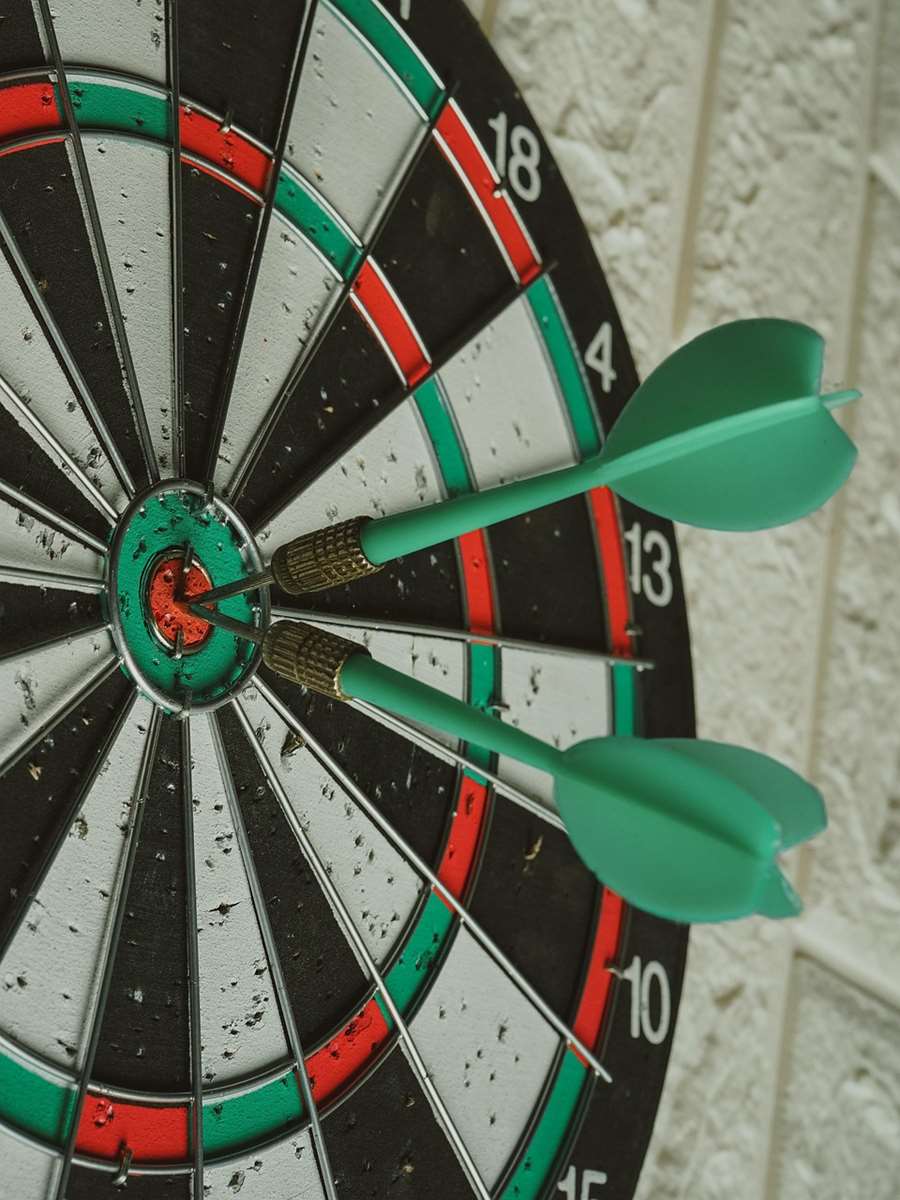
Remember, these are just examples. Adapt your strategy based on your strengths and the current game situation. It may also be useful to locate a dart board near me to practice these moves.
Practicing Your Darts Bull Finish: Drills and Techniques
Consistent practice is key to mastering any checkout, especially the darts bull finish. Here are some drills to help you improve your accuracy:
- The “Around the Bull” Drill: Start by throwing at the bullseye. If you hit, move to the next number (20), then 1, then 18, and so on. Focus on hitting each target with precision.
- The “Bull or Bust” Drill: Dedicate a practice session solely to throwing at the bull. If you miss, you “bust” and start again. This builds mental fortitude and forces you to focus on each dart.
- The “Score Specific” Drill: Choose a specific score (e.g., 130). Practice the optimal checkout (T20, Bull) repeatedly. This ingrains the muscle memory required for pressure situations.
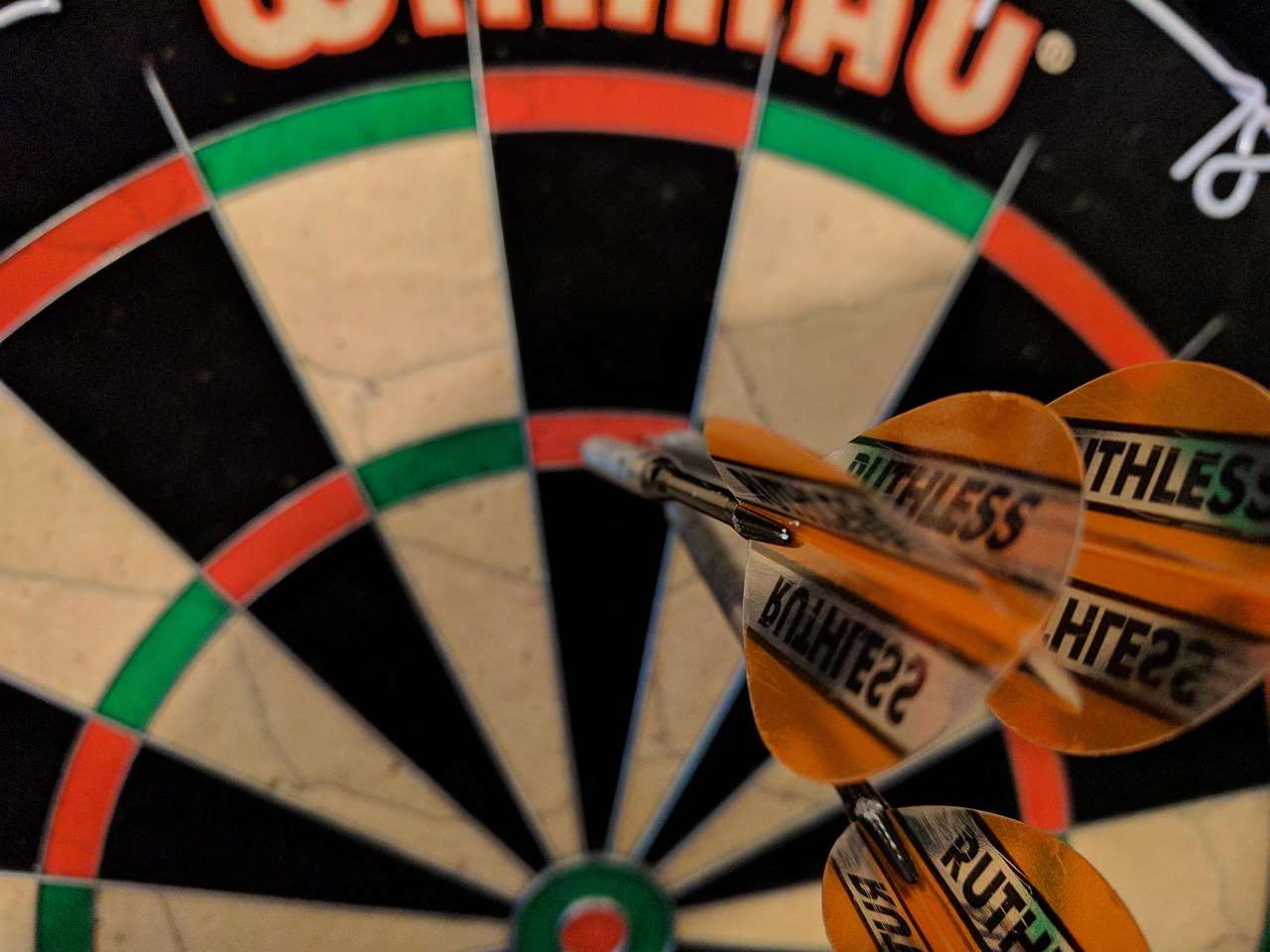
Consistency is more important than power. Focus on a smooth, repeatable throwing motion. Record your progress and identify any areas for improvement. Don’t neglect the mental aspect of the game; visualize successful bullseye finishes during your practice sessions. This is why the Practice darts app with scoring is so useful.
Alternative Routes and Contingency Plans
Even the best players miss the bullseye occasionally. It’s crucial to have a backup plan. Here’s how to adapt when your initial shot goes astray:
- Missed High (Above the Bull): If you miss high, consider adjusting your aim slightly lower for the next dart. You might still be able to salvage the bull finish, or at least set up a favorable double.
- Missed Low (Below the Bull): Conversely, if you miss low, adjust your aim upward. Analyze *why* you missed; was it a grip issue, a release point problem, or simply a lapse in concentration?
- Missed to the Side: This is where understanding your preferred numbers comes in. If you consistently miss to the left, you might be more comfortable aiming for doubles on the left side of the board. Adjust your strategy accordingly.
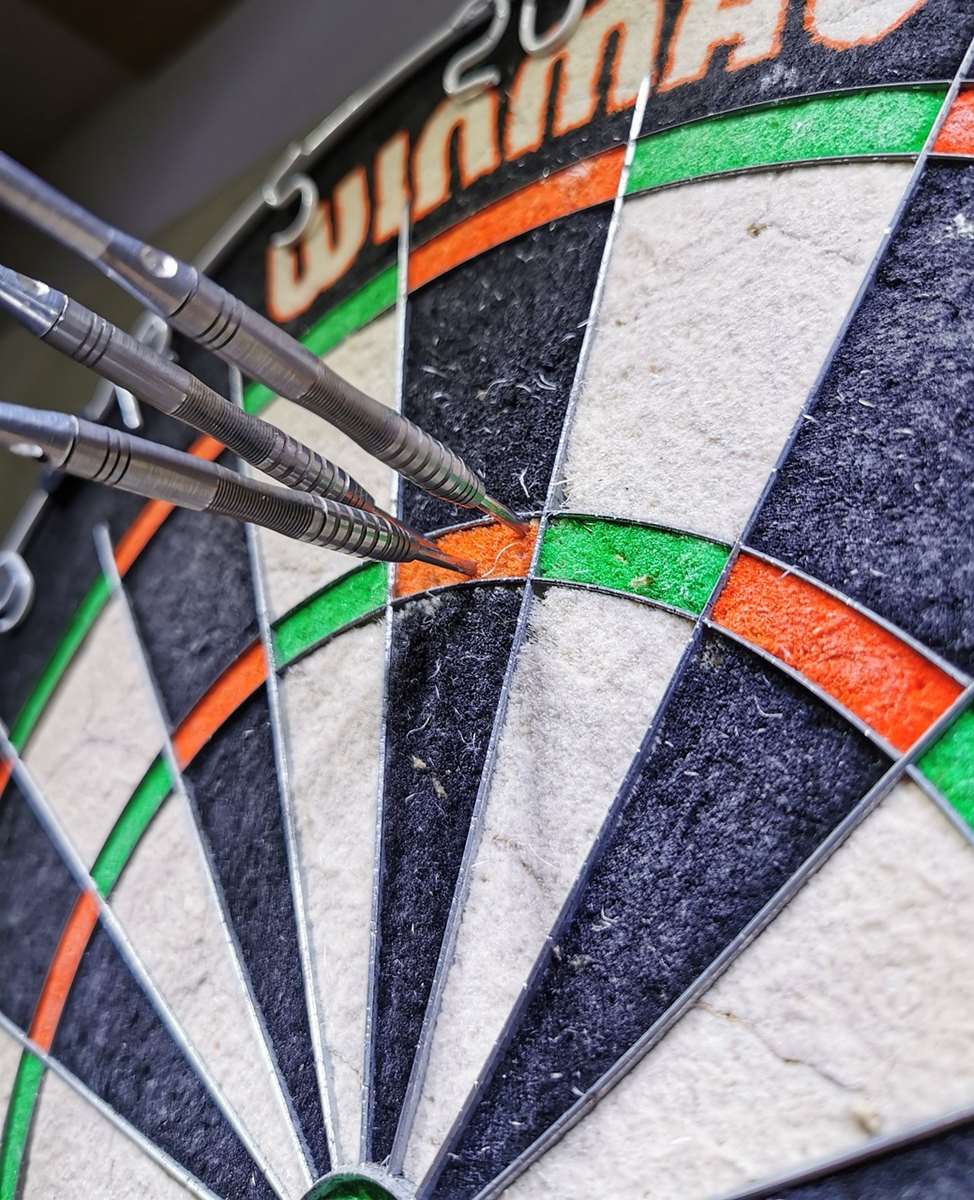
Flexibility is key. Don’t be afraid to abandon the bull finish entirely if the situation dictates. Sometimes, playing for position and setting up a more conventional double is the wiser choice. Remember to always think ahead about maximum darts and how this could impact your future shots.
The Mental Game: Confidence and Composure
The darts bull finish is as much a mental challenge as it is a physical one. Confidence is crucial. Believe in your ability to hit the bullseye, even when the pressure is on. Develop pre-throw routines to help you focus and maintain composure. Visualization techniques can be incredibly effective; imagine yourself successfully executing the bull finish before each throw.
Learn to manage your emotions. Darts is a game of highs and lows. Don’t get too carried away by success, and don’t let setbacks derail you. Maintain a positive attitude and focus on the present dart. Control your breathing, block out distractions, and trust your practice.
Mastering the Darts Bull Finish: A Summary
The darts bull finish is a powerful weapon in any darts player’s arsenal. By understanding the common combinations, practicing diligently, developing alternative routes, and cultivating a strong mental game, you can significantly improve your ability to close out legs with style and precision. Remember that the best strategy for setting up a dartboard for practice makes all the difference.
Take Your Darts Game to the Next Level!
Now that you’ve learned the secrets of the bull finish, it’s time to put them into practice. Dedicate yourself to consistent training, analyze your performance, and never stop learning. With dedication and perseverance, you’ll be hitting those clutch bullseyes in no time. Good luck, and happy darting!

Hi, I’m Dieter, and I created Dartcounter (Dartcounterapp.com). My motivation wasn’t being a darts expert – quite the opposite! When I first started playing, I loved the game but found keeping accurate scores and tracking stats difficult and distracting.
I figured I couldn’t be the only one struggling with this. So, I decided to build a solution: an easy-to-use application that everyone, no matter their experience level, could use to manage scoring effortlessly.
My goal for Dartcounter was simple: let the app handle the numbers – the scoring, the averages, the stats, even checkout suggestions – so players could focus purely on their throw and enjoying the game. It began as a way to solve my own beginner’s problem, and I’m thrilled it has grown into a helpful tool for the wider darts community.