The history of darts as pub pastime reveals its evolution from a medieval game of skill to a beloved fixture in pubs worldwide, offering a blend of competition and camaraderie. This article explores the fascinating journey of darts, from its potential origins to its modern-day popularity, examining its key milestones and cultural impact.
⚠️ Still Using Pen & Paper (or a Chalkboard)?! ⚠️
Step into the future! The Dart Counter App handles all the scoring, suggests checkouts, and tracks your stats automatically. It's easier than you think!
Try the Smart Dart Counter App FREE!Ready for an upgrade? Click above!
Tracing the Roots: Early Darts History
The precise origins of darts remain somewhat shrouded in mystery, with various theories vying for recognition. One popular narrative suggests that the game evolved from military practice, where soldiers would throw short arrows or spears at the bottom of upturned wine barrels. Another theory posits that darts originated in medieval England, with archers using shortened arrows to hone their skills indoors during inclement weather. Regardless of its exact genesis, it’s clear that darts emerged from a need for a readily accessible and engaging indoor game.
Early forms of darts lacked the standardized rules and equipment we recognize today. Players used whatever they could find – sharpened sticks, small arrows, or even metal darts – and aimed at improvised targets. Over time, a degree of standardization began to emerge, with wooden boards becoming more common. However, the layout of these early boards varied considerably, often reflecting the local customs and preferences of individual pubs. The lack of uniform rules and scoring systems meant that darts as pub pastime was a highly localized affair, with each pub boasting its own unique version of the game. This regional diversity contributed to the rich tapestry of darts history.
The Evolution of the Dartboard: Standardizing the Game
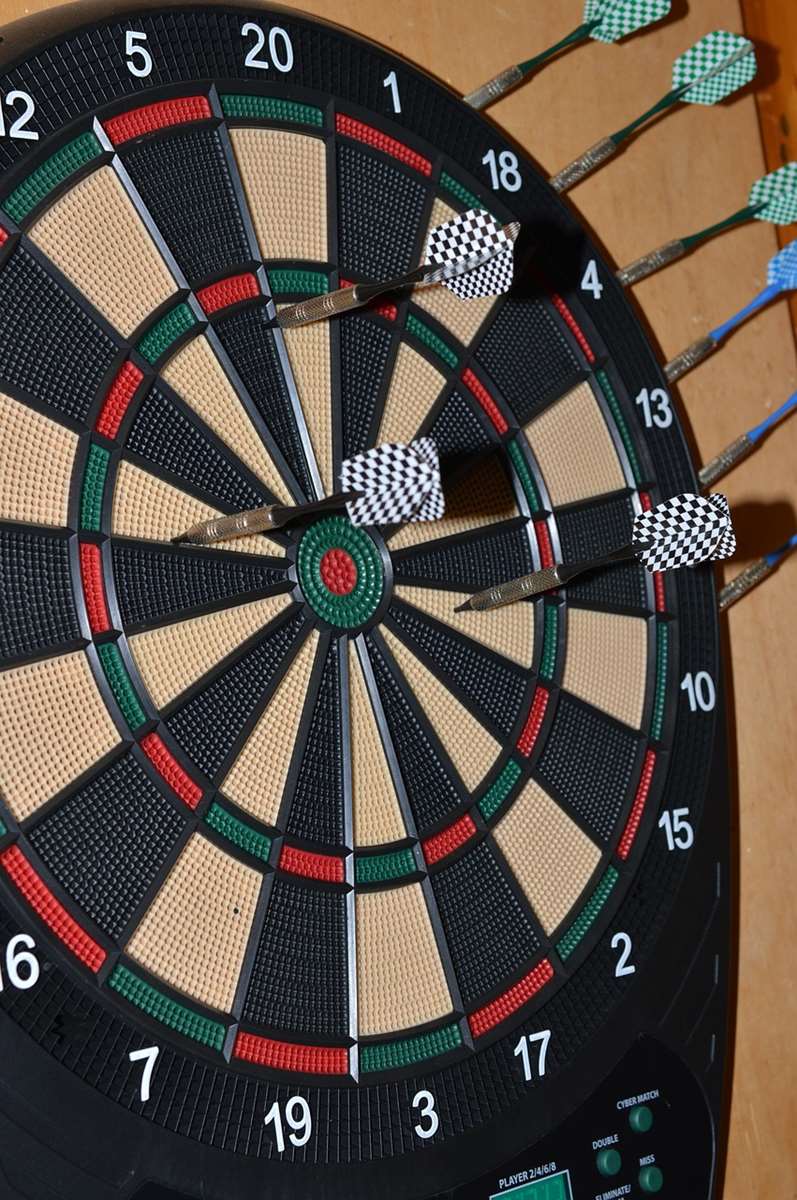
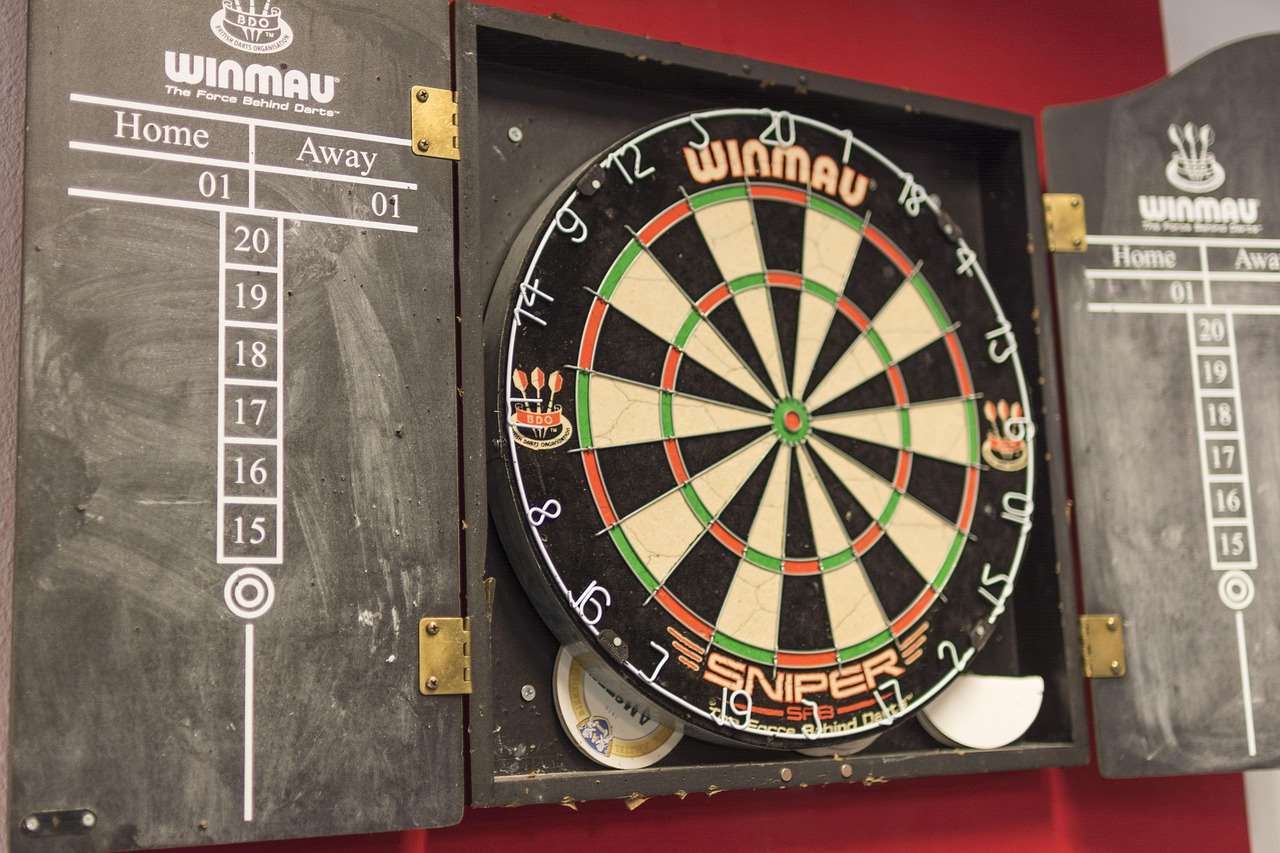
The gradual standardization of the dartboard was a crucial step in the evolution of darts as pub pastime history. The layout of the modern dartboard is attributed to Brian Gamlin, a carpenter from Lancashire, England, who is said to have devised the now-familiar arrangement of numbers in 1896. Gamlin’s board, with its strategic placement of high and low numbers designed to penalize inaccuracy, quickly gained popularity. However, there are conflicting accounts and other potential inventors credited with similar designs during that era. The essential feature of the arrangement is that it punishes careless throwing. Hitting the ‘1’ next to the ’20’ is a far worse outcome than a minor deviation within the ’20’ section itself.
Before Gamlin’s design (or a similar contemporary version), dartboards came in a bewildering array of shapes and layouts. Some boards featured concentric rings with different scoring values, while others used a more haphazard arrangement of numbers. The lack of a standardized board made it difficult for players from different regions to compete on a level playing field. The adoption of Gamlin’s board, or one very similar, marked a significant turning point, paving the way for the development of organized darts competitions and the emergence of a more unified game.
Darts in the Pub: A Perfect Match
The association of darts with pubs is deeply ingrained in its history and culture. Pubs provided the ideal environment for the game to flourish: a warm, social setting where people could gather, relax, and enjoy a friendly competition. Darts offered a relatively inexpensive and accessible form of entertainment, requiring minimal equipment and space. The game’s inherent simplicity made it easy for newcomers to pick up, while its strategic depth provided a challenge for more experienced players. This combination of accessibility and complexity contributed to its widespread appeal. If you’re a beginner you might find Basic Darts Fundamentals for Beginners useful.
Over time, darts became an integral part of pub culture in many countries, particularly in the United Kingdom, Ireland, and other parts of Europe. Pubs often hosted regular darts nights, leagues, and tournaments, fostering a sense of community among players. The game also provided a welcome source of revenue for pubs, attracting customers and encouraging them to stay longer. The symbiotic relationship between darts as pub pastime and the pub industry helped to solidify its position as a beloved cultural institution.
The Rise of Organized Darts: From Pubs to Professionalism
The 20th century witnessed the gradual rise of organized darts, with the formation of leagues, associations, and governing bodies. The National Darts Association (NDA) was founded in the United States in 1936, while the British Darts Organisation (BDO) was established in 1973. These organizations played a crucial role in standardizing the rules of the game, promoting darts competitions, and raising its profile. The formation of the BDO marked a particularly significant milestone, signaling the emergence of darts as a professional sport.
The BDO organized the World Professional Darts Championship, which quickly became the premier event in the darts calendar. The championship attracted top players from around the world and generated significant media coverage, helping to elevate the sport’s status. The emergence of charismatic players, such as Eric Bristow and Phil Taylor, further fueled the game’s popularity. These players became household names, captivating audiences with their skill and showmanship. The transition from informal pub game to organized sport was well underway, but the essence of darts as pub pastime remained.
The Split and the PDC: A New Era for Darts
In 1992, a breakaway group of professional darts players formed the World Darts Council (WDC), later renamed the Professional Darts Corporation (PDC). The split was driven by disagreements over the direction of the sport, particularly concerning television coverage and prize money. The PDC sought to increase the game’s commercial appeal and attract a wider audience. The PDC’s decision to introduce new formats and marketing strategies proved successful, leading to a significant increase in the sport’s popularity and revenue.
The split between the BDO and the PDC created two rival organizations, each with its own world championship and ranking system. This division initially caused some confusion among fans, but it also led to increased competition and innovation. The PDC’s focus on entertainment and its willingness to embrace new technologies helped to modernize the sport and attract a younger demographic. The rivalry between the two organizations continued for many years, but ultimately, the PDC emerged as the dominant force in professional darts. The PDC’s influence expanded internationally, making darts as pub pastime also a global phenomenon.
Darts Today: A Global Phenomenon
Today, darts is a global phenomenon, enjoyed by millions of people around the world. Professional darts tournaments are broadcast on television in numerous countries, attracting large audiences and generating significant advertising revenue. The sport has also embraced the digital age, with online darts leagues and virtual reality darts games becoming increasingly popular. The accessibility of these technologies has made it easier than ever for people to participate in the game, regardless of their location or skill level.
Despite its evolution into a professional sport, darts as pub pastime retains its strong connection to pubs and social gatherings. Many pubs continue to host darts nights and leagues, providing a welcoming environment for players of all abilities. The game’s inherent simplicity and social nature make it an ideal activity for pubs, fostering a sense of community and providing a source of entertainment for customers. The traditional appeal continues while adapting for modern audiences. Even creative dart rules for parties and social gatherings can be a fun addition.
The Enduring Appeal of Darts
The enduring appeal of darts lies in its unique combination of skill, strategy, and sociability. The game requires a steady hand, keen eye, and sharp mind, but it is also easy to learn and fun to play. Darts can be enjoyed by people of all ages and abilities, making it a truly inclusive sport. The social aspect of the game is also a major draw, providing an opportunity for people to connect with friends, family, and fellow enthusiasts. The simple game play makes it approachable to anyone.
Furthermore, the relative affordability of darts contributes to its widespread popularity. The equipment is relatively inexpensive, and there are no expensive green fees or membership costs. This makes darts an accessible form of entertainment for people from all walks of life. Whether you’re a seasoned professional or a casual pub player, darts offers a rewarding and enjoyable experience. There is a reason darts as pub pastime has endured for generations.
Darts: More Than Just a Game
Darts as pub pastime history demonstrates more than just a simple game; it reflects social history, technological development, and the enduring human desire for both competition and connection. The evolution of darts, from its humble beginnings to its current status as a global sport, is a testament to its enduring appeal. It is a game that transcends generations and cultures, bringing people together in a spirit of friendly competition and camaraderie. The subtle strategy of darts is part of what makes it so fun.
Darts is a microcosm of society, reflecting the values of community, skill, and sportsmanship. It is a game that can be enjoyed by anyone, regardless of their background or experience. Whether you’re playing for fun or competing at the highest level, darts offers a unique and rewarding experience. The next time you pick up a dart, take a moment to appreciate the rich history and cultural significance of this beloved game. And consider how adapting darts rules for small spaces: tips and tricks can extend the fun!
Preserving the Legacy of Darts as Pub Pastime History
As darts continues to evolve, it is important to preserve its legacy and ensure that future generations have the opportunity to experience the joy of the game. This includes supporting local pubs and darts leagues, promoting the sport to young people, and celebrating the history and culture of darts. By working together, we can ensure that darts as pub pastime history continues to thrive for many years to come. The traditions should be carried on even as technology opens doors to new methods of play.
Tips for Keeping Darts Alive in Your Local Pub
- Organize regular darts nights or tournaments to attract players.
- Offer beginner-friendly sessions to introduce new people to the game.
- Create a welcoming and inclusive environment for all players.
- Promote your darts events on social media and in local publications.
- Invest in quality dartboards and equipment to ensure a positive playing experience.
Conclusion: The Enduring Appeal of Darts
From its humble origins as a medieval pastime to its modern-day status as a global sport, the history of darts as pub pastime is a fascinating journey. Its enduring appeal lies in its unique blend of skill, strategy, sociability, and accessibility. Whether you’re a seasoned professional or a casual pub player, darts offers a rewarding and enjoyable experience. So, grab some friends, head to your local pub, and experience the timeless joy of this beloved game. Consider organizing a darts night with friends to keep the tradition alive and experience the thrill of hitting that perfect bullseye!

Hi, I’m Dieter, and I created Dartcounter (Dartcounterapp.com). My motivation wasn’t being a darts expert – quite the opposite! When I first started playing, I loved the game but found keeping accurate scores and tracking stats difficult and distracting.
I figured I couldn’t be the only one struggling with this. So, I decided to build a solution: an easy-to-use application that everyone, no matter their experience level, could use to manage scoring effortlessly.
My goal for Dartcounter was simple: let the app handle the numbers – the scoring, the averages, the stats, even checkout suggestions – so players could focus purely on their throw and enjoying the game. It began as a way to solve my own beginner’s problem, and I’m thrilled it has grown into a helpful tool for the wider darts community.