Understanding darts aerodynamic research dart design is crucial for players seeking to improve their game; optimal dart design significantly impacts flight stability and accuracy. This article delves into the science behind dart aerodynamics, exploring how different design features influence dart trajectory and offering insights for selecting the right dart for your throwing style.
⚠️ Still Using Pen & Paper (or a Chalkboard)?! ⚠️
Step into the future! The Dart Counter App handles all the scoring, suggests checkouts, and tracks your stats automatically. It's easier than you think!
Try the Smart Dart Counter App FREE!Ready for an upgrade? Click above!
The Science of Flight: Darts Aerodynamic Research Dart Design
The flight of a dart, seemingly simple, is governed by complex aerodynamic principles. Several factors come into play, including the dart’s shape, weight distribution, and the properties of the flights. Aerodynamics is the study of how air flows around objects, and in the context of darts, understanding this flow is key to optimizing dart performance.
The primary forces acting on a dart in flight are:
- Lift: A force perpendicular to the direction of airflow, generated by the shape of the flights.
- Drag: A force opposing the dart’s motion, caused by air resistance. Minimizing drag is essential for a smooth, stable flight.
- Gravity: The force pulling the dart downwards, which affects its trajectory.
The goal of darts aerodynamic research dart design is to manipulate these forces to create a dart that flies straight and true, minimizing wobble and maximizing accuracy. The shape and size of the flights, along with the dart’s overall weight and balance, all contribute to its aerodynamic characteristics.
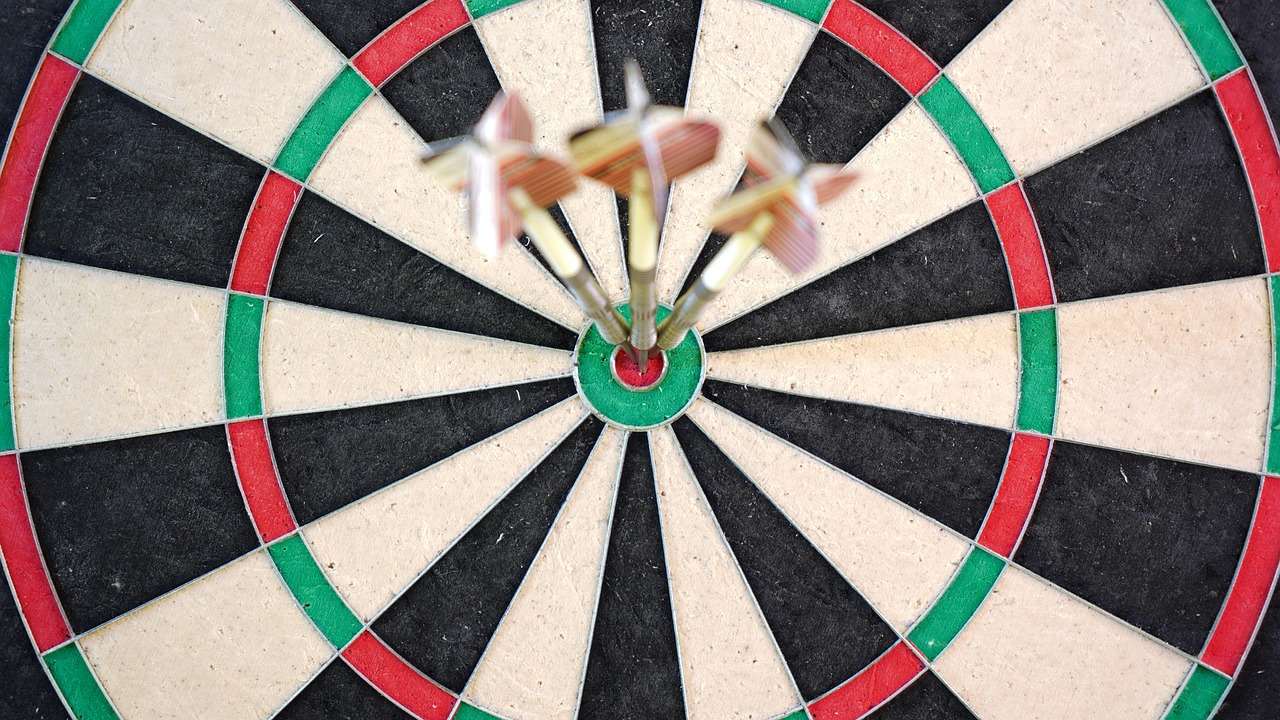
Key Design Elements and Their Aerodynamic Impact
Several design elements influence the aerodynamic properties of a dart. These include the barrel shape, weight distribution, shaft length, and flight design.
Barrel Shape and Weight Distribution
The barrel is the main body of the dart and its shape significantly impacts its flight characteristics. Common barrel shapes include:
- Straight Barrels: Offer a consistent grip and are known for their stability.
- Torpedo Barrels: Tapered at the front, these barrels can improve aerodynamics and reduce drag.
- Bomb Barrels: Bulging in the middle, bomb barrels provide a comfortable grip and can promote a consistent release.
Weight distribution also plays a crucial role. A front-weighted dart tends to fly straighter, while a rear-weighted dart may be more suitable for players with a particular throwing style. Experimenting with different weight distributions is essential to finding what works best for you. For example, some players prefer the feel of a heavier dart, as discussed on Business of Darts.
The barrel material also impacts the overall weight and balance. Tungsten is a popular choice due to its high density, allowing for a slimmer barrel profile while maintaining the desired weight.
Shaft Length and Material
The shaft connects the barrel to the flight and affects the dart’s center of gravity. Longer shafts shift the center of gravity further back, potentially increasing stability. Shorter shafts, conversely, can lead to a faster, more direct flight path.
Shafts are typically made from materials such as:
- Aluminum: Durable and affordable, but can bend upon impact.
- Nylon/Plastic: Lightweight and flexible, offering good shock absorption.
- Carbon Fiber: Strong and lightweight, providing excellent durability and performance.
The choice of shaft material depends on personal preference and throwing style. Some players prefer the rigidity of aluminum, while others prefer the flexibility of nylon or plastic.

Flight Design and Aerodynamic Performance
Flights are crucial for stabilizing the dart during flight and generating lift. Different flight shapes and sizes affect the dart’s trajectory and overall performance. Common flight shapes include:
- Standard Flights: Provide maximum surface area, resulting in greater stability but also increased drag.
- Slim Flights: Reduce drag and allow for a faster, more direct flight path.
- Kite Flights: Offer a balance between stability and speed.
- Pear Flights: Similar to kite flights but with a more rounded shape.
The material of the flights also impacts their durability and performance. Common materials include:
- Polyester: Durable and affordable, a common choice for beginners.
- Nylon: More durable than polyester, offering better resistance to wear and tear.
- Holographic/Specialty Materials: Offer unique visual appeal and may also improve flight characteristics.
The relationship between the flights and the dart’s trajectory is quite significant. Players should experiment with different flight shapes and materials to determine which combination provides the best accuracy and consistency for their throw.
Advanced Darts Aerodynamic Research Dart Design Concepts
Beyond the basic design elements, advanced darts aerodynamic research dart design explores more sophisticated concepts to further enhance dart performance.
Turbulence and Boundary Layer Control
Turbulence is the chaotic motion of air that can disrupt a dart’s flight path. Researchers are exploring ways to minimize turbulence and create a smoother airflow around the dart.
One approach is to manipulate the boundary layer, the thin layer of air directly adjacent to the dart’s surface. By controlling the boundary layer, it’s possible to reduce drag and improve stability. This can be achieved through surface textures or strategically placed grooves on the barrel or flights. Some are looking into whether darts impact local economy study also includes engineering research jobs.
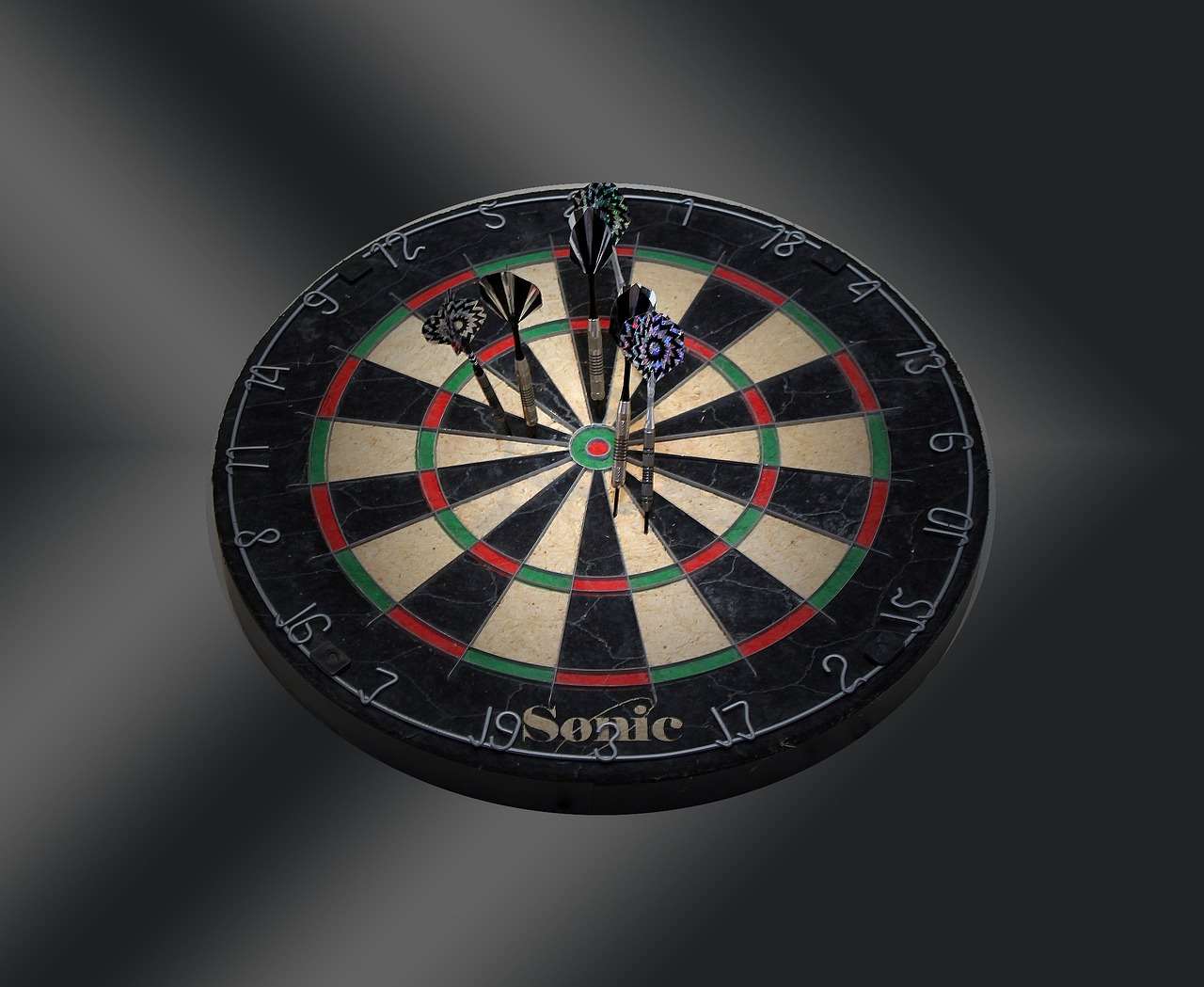
Computational Fluid Dynamics (CFD) in Dart Design
Computational Fluid Dynamics (CFD) is a powerful tool used to simulate airflow around objects. In the context of dart design, CFD allows researchers to test different design iterations virtually, without the need for physical prototypes. This can significantly speed up the design process and lead to more optimized dart designs.
CFD simulations can provide valuable insights into:
- Drag reduction
- Lift generation
- Stability analysis
- Wake behavior
By analyzing these parameters, designers can fine-tune the dart’s shape and features to achieve optimal aerodynamic performance.
The Role of Spin and Rotation
While not as pronounced as in other sports like baseball or cricket, the spin imparted on a dart during release can subtly influence its flight path. A consistent spin can help stabilize the dart and reduce wobble.
Some players consciously try to impart spin on the dart, while others rely on their natural throwing motion. Regardless, understanding the role of spin is important for optimizing dart performance. Players looking to optimize their equipment could consider economic benefits hosting darts event, and reinvest in their game.
Practical Tips for Choosing the Right Dart
Selecting the right dart is a personal process, as what works for one player may not work for another. However, here are some practical tips to consider:
Experiment with Different Barrel Shapes and Weights
Try out different barrel shapes and weights to find what feels most comfortable and natural in your hand. Visit a darts shop or try out friends’ darts to get a feel for different options.
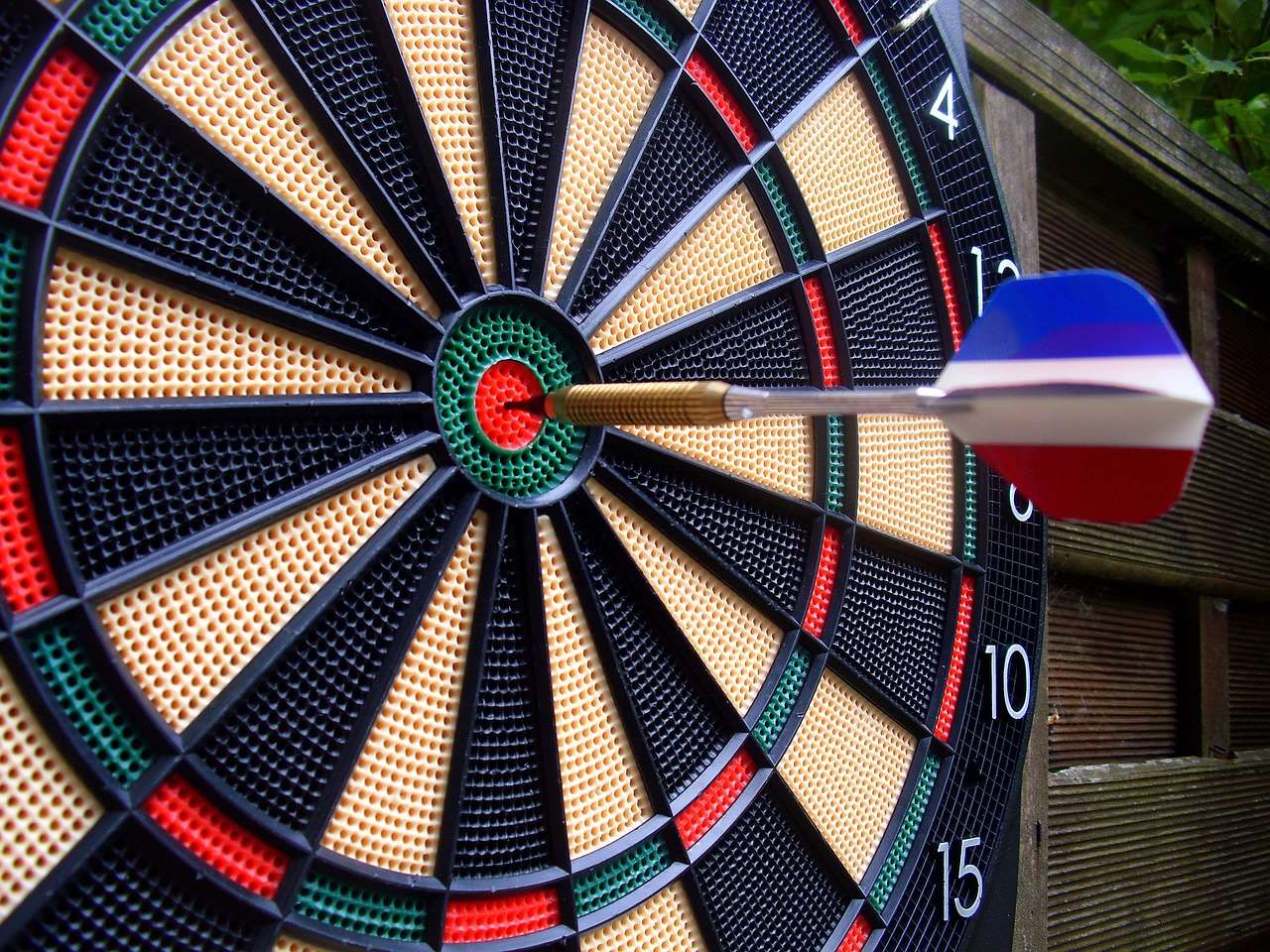
Consider Your Throwing Style
Your throwing style can influence the type of dart that is best suited for you. If you have a fast, aggressive throw, a heavier dart with a shorter shaft may be a good option. If you have a smoother, more controlled throw, a lighter dart with a longer shaft may be more appropriate.
Test Different Flight Shapes and Sizes
Experiment with different flight shapes and sizes to find the combination that provides the best stability and accuracy for your throw. Start with standard flights and then try slim or kite flights to see how they affect your dart’s trajectory. The economic activity spurred by darts tourism boost local area allows for more darting equipment development.
Pay Attention to Grip and Release
The way you grip and release the dart can significantly impact its flight path. Experiment with different grip positions and release techniques to find what feels most consistent and comfortable.
Don’t Be Afraid to Customize
Many dart players customize their darts to suit their individual preferences. This can include changing the shafts, flights, or even adding weights to the barrel. Don’t be afraid to experiment and find what works best for you. Thinking of customising your setup? See how darts events help pubs bars!
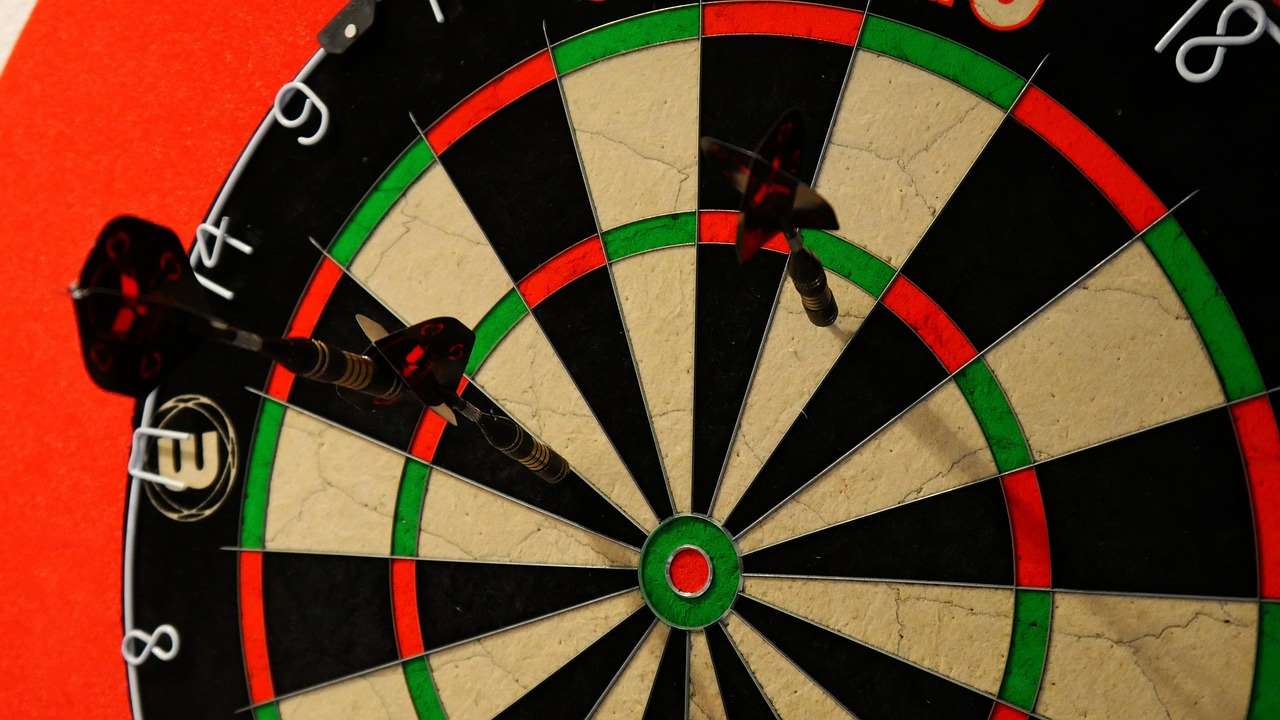
Conclusion: Mastering Darts Through Aerodynamic Understanding
Darts aerodynamic research dart design is a complex but fascinating field that can significantly enhance your game. By understanding the principles of aerodynamics and experimenting with different dart designs, you can find the perfect dart to suit your throwing style and maximize your accuracy. Remember to consider barrel shape, weight distribution, shaft length, flight design, and your own personal preferences. Ultimately, the best dart is the one that feels most comfortable and allows you to consistently hit your targets. So, take the time to explore the world of dart design and unlock your full potential on the oche. Ready to improve your game? Visit your local darts retailer and start experimenting today!

Hi, I’m Dieter, and I created Dartcounter (Dartcounterapp.com). My motivation wasn’t being a darts expert – quite the opposite! When I first started playing, I loved the game but found keeping accurate scores and tracking stats difficult and distracting.
I figured I couldn’t be the only one struggling with this. So, I decided to build a solution: an easy-to-use application that everyone, no matter their experience level, could use to manage scoring effortlessly.
My goal for Dartcounter was simple: let the app handle the numbers – the scoring, the averages, the stats, even checkout suggestions – so players could focus purely on their throw and enjoying the game. It began as a way to solve my own beginner’s problem, and I’m thrilled it has grown into a helpful tool for the wider darts community.