Revolutionizing the sport, darts accessibility innovation ideas are breaking down barriers and creating a more inclusive environment for players of all abilities; the core goal is providing adaptive equipment and modified rules. This article will explore various approaches to enhance participation, from adapted dartboards to assistive technologies, ensuring everyone can enjoy the thrill of the game.
⚠️ Still Using Pen & Paper (or a Chalkboard)?! ⚠️
Step into the future! The Dart Counter App handles all the scoring, suggests checkouts, and tracks your stats automatically. It's easier than you think!
Try the Smart Dart Counter App FREE!Ready for an upgrade? Click above!
Enhancing Accessibility in Darts: A Multifaceted Approach
Making darts more accessible isn’t just about providing equipment; it’s about fostering a welcoming and supportive atmosphere. This involves a combination of technological advancements, rule modifications, and attitudinal shifts. We need to consider the diverse needs of players with visual impairments, mobility challenges, cognitive differences, and other disabilities.
The key is to think creatively and collaboratively, involving players with disabilities in the development and testing of new accessibility solutions. Their firsthand experience is invaluable in ensuring that these innovations are truly effective and user-friendly. Improving adaptive sports equipment is key to the future of the game.
Adaptive Equipment: Leveling the Playing Field
One of the most direct ways to improve accessibility is through the development and provision of adaptive equipment. This can range from simple modifications to existing dartboards and darts to more sophisticated assistive technologies.
- Adapted Dartboards: Consider dartboards with larger target areas, contrasting colors, or tactile markings for players with visual impairments. These boards can also feature adjustable height settings to accommodate players with mobility limitations.
- Assistive Throwing Devices: For players with limited arm strength or dexterity, assistive throwing devices can provide support and stability. These devices can range from simple slings to more complex robotic arms.
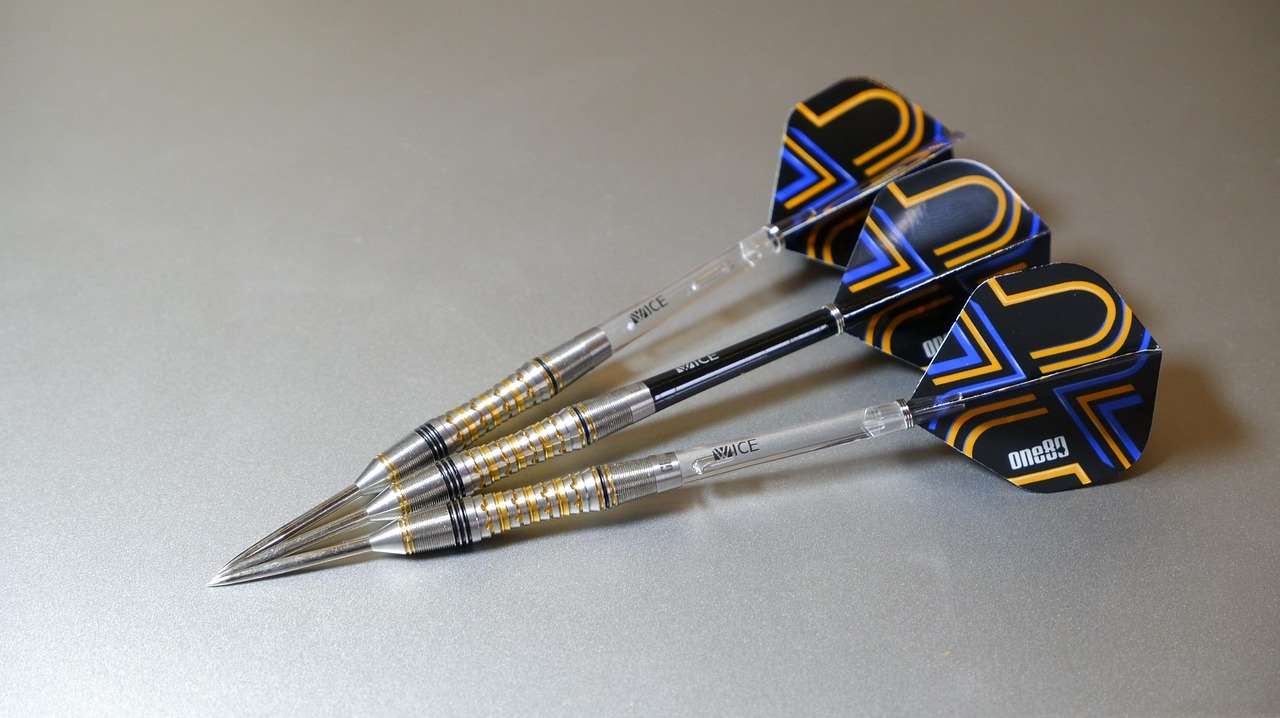
- Modified Darts: Darts with larger grips, weighted tips, or magnetic properties can make them easier to handle and throw for players with various physical limitations.
- Targeting Aids: Laser pointers or other visual aids can help players with aiming and accuracy. These aids can be particularly beneficial for players with cognitive differences or visual-spatial challenges.
Investing in the development and production of accessible darts equipment will be a key driver for increasing participation, especially if we consider the Business of Darts on a global scale.
Specific Examples of Adaptive Equipment
Several innovative companies and individuals are already working on developing adaptive equipment for darts. Some notable examples include:
- Voice-activated Dartboards: These dartboards use voice recognition technology to identify the scoring area and announce the score, which greatly assists players with visual impairments.
- Wheelchair-accessible Dartboard Stands: These stands are designed to accommodate players in wheelchairs, ensuring that the dartboard is at an appropriate height and angle.
- Customizable Dart Grips: These grips can be molded to fit the individual player’s hand, providing a more comfortable and secure grip.
These examples highlight the potential for technology and innovation to create a truly inclusive darts experience. Further research and development in this area are crucial.
Rule Modifications: Promoting Inclusivity and Fair Play
In addition to adaptive equipment, rule modifications can also play a significant role in enhancing accessibility. These modifications should aim to promote inclusivity and fair play, while still maintaining the integrity of the game.
- Adjustable Throwing Lines: Allow players to adjust the throwing line distance to suit their individual needs and abilities. This can be particularly helpful for players with mobility limitations or visual impairments.
- Modified Scoring Systems: Consider using simplified scoring systems or allowing players to use assistive devices for scorekeeping.
- Time Extensions: Provide players with additional time to throw their darts, if needed, to accommodate their physical or cognitive limitations.
- Assistance from Others: Allow players to receive assistance from others, such as a spotter or a dart retriever.
These rule modifications should be implemented thoughtfully and consistently, ensuring that all players have a fair and enjoyable experience. Darts organizations should create guidelines and resources to help implement these changes effectively.

The Importance of Inclusive Tournament Design
Creating inclusive darts tournaments requires careful planning and consideration of the needs of all participants. Tournament organizers should ensure that the venue is accessible, that adaptive equipment is available, and that the rules are modified to promote inclusivity. Moreover, advertising should clearly show that **inclusive play** is welcomed. Considerations such as accessible parking, wheelchair ramps, and accessible restrooms are paramount.
Assistive Technology: Expanding the Possibilities
Assistive technology can play a crucial role in enabling players with disabilities to participate in darts. This technology can range from simple devices to more sophisticated systems.
- Voice Recognition Software: Allows players to control the dartboard and scoring system using their voice.
- Eye-tracking Technology: Enables players to aim and throw darts using their eye movements.
- Robotic Arms: Provides assistance with throwing darts for players with limited arm strength or dexterity.
- Augmented Reality (AR) Overlays: Projects visual aids onto the dartboard to help players with aiming and accuracy.
The possibilities for using assistive technology to enhance accessibility in darts are vast. As technology continues to advance, we can expect to see even more innovative solutions emerge. Ensuring the availability of assistive technology will be crucial. For instance, the darts impact local economy study has pointed to the need for investment in infrastructure for events.

Training and Education: Promoting Awareness and Understanding
Promoting awareness and understanding of accessibility issues is essential for creating a truly inclusive darts community. This involves providing training and education to players, coaches, referees, and tournament organizers.
- Accessibility Training Workshops: Provide training on how to make darts more accessible to players with disabilities.
- Disability Awareness Campaigns: Raise awareness of the challenges faced by players with disabilities and promote inclusivity.
- Resources and Guides: Develop and distribute resources and guides on accessibility in darts.
By educating ourselves and others, we can create a more welcoming and supportive environment for players of all abilities. A great resource could include training in alternative techniques and strategies for game play.
The Role of Darts Organizations
Darts organizations have a critical role to play in promoting accessibility. They should develop and implement policies and programs to ensure that all players have the opportunity to participate in the sport. This includes providing funding for adaptive equipment, supporting accessible tournaments, and promoting disability awareness. The increase in darts tourism only highlights the need for better accessibility.

The Future of Darts Accessibility Innovation Ideas
The future of darts accessibility innovation ideas looks bright. As technology continues to advance and awareness of disability issues grows, we can expect to see even more creative and effective solutions emerge. By embracing innovation and working together, we can create a truly inclusive darts community where everyone has the opportunity to participate and succeed.
Ongoing Research and Development
Continued research and development are essential for advancing accessibility in darts. This includes research into new adaptive equipment, assistive technologies, and rule modifications. It also includes research into the social and psychological benefits of participation in darts for people with disabilities. There is also a need to consider the costs and long-term benefits of the innovations.
The Social Impact of Inclusive Darts
Creating a more accessible and inclusive darts environment has significant social benefits. It promotes social inclusion, reduces stigma, and empowers people with disabilities to participate in community life. It also enriches the darts community as a whole, bringing together people from diverse backgrounds and experiences.
- Enhanced Social Interaction: Darts provides opportunities for social interaction and connection, which can be particularly valuable for people with disabilities who may experience social isolation.
- Increased Self-Esteem: Participation in darts can boost self-esteem and confidence, helping people with disabilities to feel more valued and empowered.
- Improved Physical and Mental Health: Darts can provide physical and mental health benefits, such as improved coordination, concentration, and stress relief.
Ultimately, the goal of darts accessibility innovation ideas is to create a more just and equitable society where everyone has the opportunity to reach their full potential. By embracing inclusivity and innovation, we can transform darts into a sport that truly welcomes and celebrates diversity. The impact on event popularity could also be considerable.
Conclusion
Darts accessibility innovation ideas are transforming the sport, making it more inclusive and accessible for players of all abilities. Through adaptive equipment, rule modifications, assistive technology, and education, we can break down barriers and create a welcoming environment for everyone. The future of darts is inclusive, and by embracing innovation and collaboration, we can unlock the full potential of this sport for all. The key is to actively promote these changes to make organized darts play more appealing to a wider audience. Take action today – support organizations working on accessibility, advocate for inclusive policies, and spread the word about the importance of making darts a sport for everyone. Together, we can ensure that everyone has the opportunity to experience the joy and camaraderie of darts.

Hi, I’m Dieter, and I created Dartcounter (Dartcounterapp.com). My motivation wasn’t being a darts expert – quite the opposite! When I first started playing, I loved the game but found keeping accurate scores and tracking stats difficult and distracting.
I figured I couldn’t be the only one struggling with this. So, I decided to build a solution: an easy-to-use application that everyone, no matter their experience level, could use to manage scoring effortlessly.
My goal for Dartcounter was simple: let the app handle the numbers – the scoring, the averages, the stats, even checkout suggestions – so players could focus purely on their throw and enjoying the game. It began as a way to solve my own beginner’s problem, and I’m thrilled it has grown into a helpful tool for the wider darts community.