Understanding the subtle differences between **dartboard wiring types** can significantly impact your scoring and overall darting experience. This **Dartboard Wiring Types Comparison** breaks down the most common options, highlighting their pros, cons, and how they affect play, allowing you to make an informed decision when choosing or upgrading your board. We’ll delve into round wire, blade wire, and micro-thin wire technologies.
⚠️ Still Using Pen & Paper (or a Chalkboard)?! ⚠️
Step into the future! The Dart Counter App handles all the scoring, suggests checkouts, and tracks your stats automatically. It's easier than you think!
Try the Smart Dart Counter App FREE!Ready for an upgrade? Click above!
A Comprehensive Dartboard Wiring Types Comparison
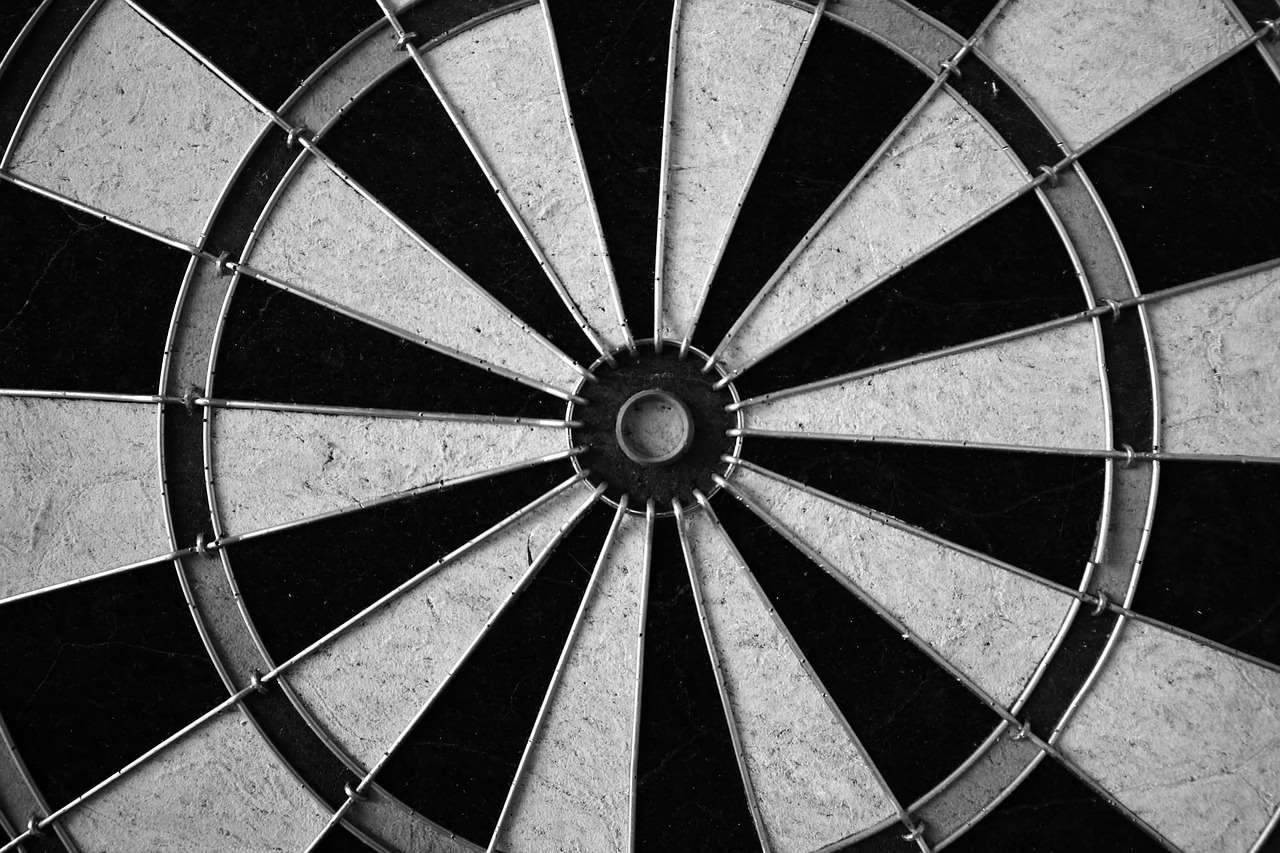
When you’re setting up your dartboard, you might not think much about the wiring, also known as the spider. However, the wiring plays a critical role in the game. Different **wiring types** offer varying levels of bounce-outs, durability, and even visual appeal. A good understanding of these factors is crucial for any serious darts player.
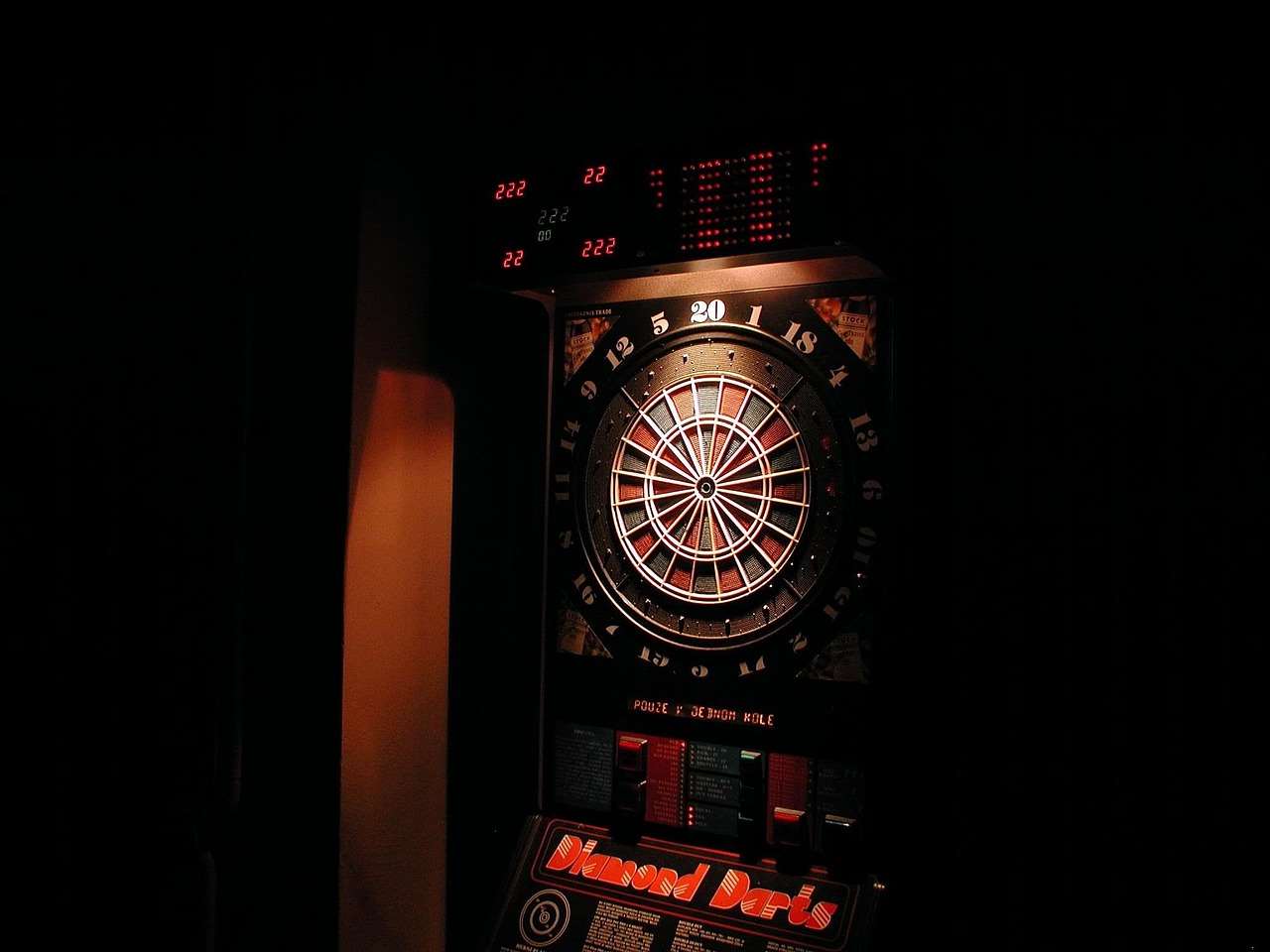
Let’s take a detailed look at the most common **dartboard wiring types**:
- Round Wire: This is the traditional and often least expensive option.
- Blade Wire: Offers a significant upgrade with reduced bounce-outs.
- Micro-Thin Wire: The pinnacle of dartboard technology, maximizing scoring potential.
Round Wire Dartboards: The Classic Choice
Round wire dartboards are the most common type you’ll encounter, especially on entry-level boards. As the name suggests, the wires are round, creating a larger surface area for darts to hit. While affordable, this design is also the most prone to bounce-outs. Because of its larger surface area, round wire deflects more darts. Understanding the pros and cons of this option is vital in our overall **Dartboard Wiring Types Comparison**.
Pros of Round Wire Dartboards:
- Affordability: Round wire boards are generally the least expensive option.
- Availability: Widely available in most sports stores and online retailers.
- Traditional Look: Some players prefer the classic appearance of round wire.
Cons of Round Wire Dartboards:
- Higher Bounce-Out Rate: The round surface deflects darts more easily.
- Lower Scoring Potential: More bounce-outs mean fewer points scored.
- Durability Concerns: Staples holding the wire can loosen over time, creating further bounce-outs.
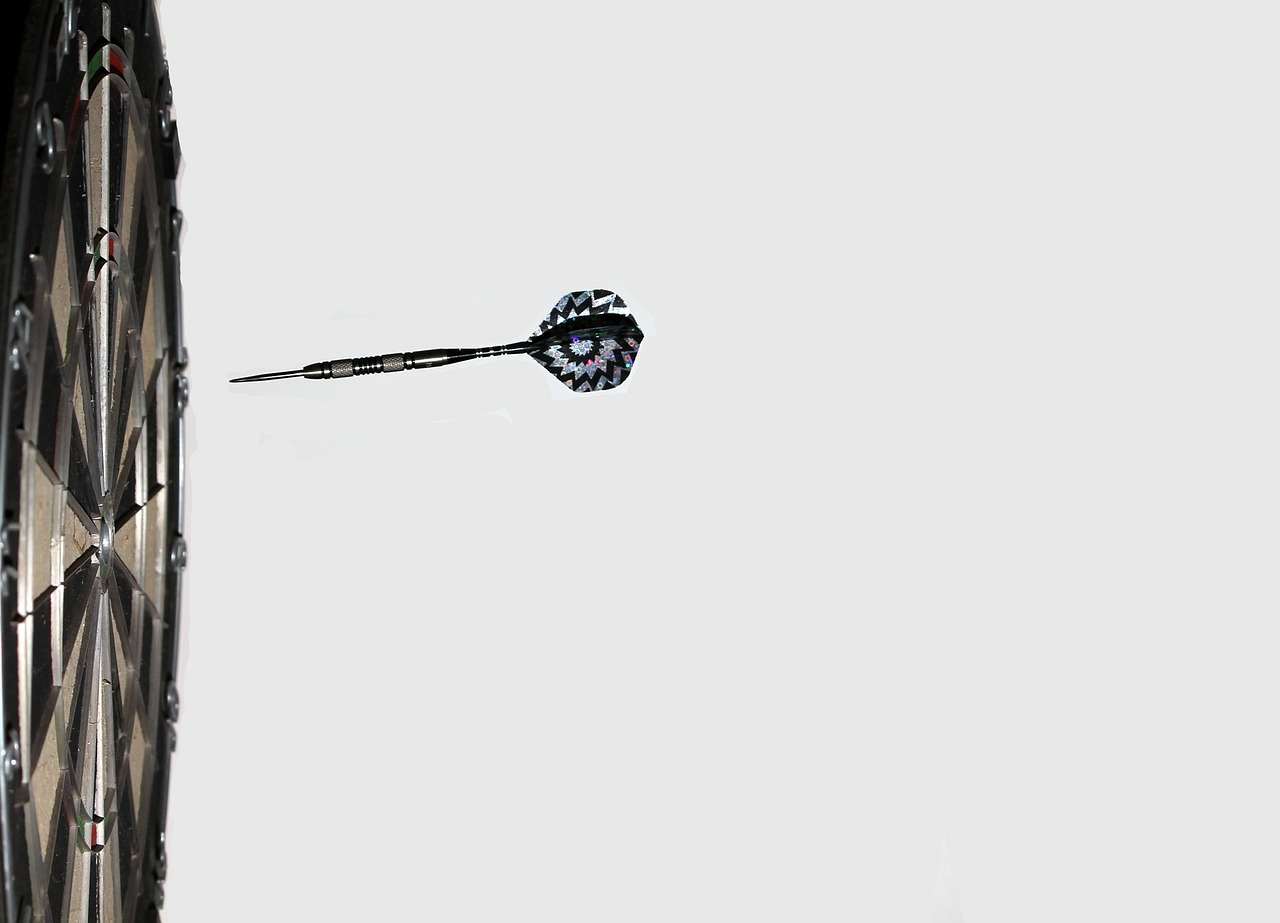
Blade Wire Dartboards: A Performance Upgrade
Blade wire dartboards represent a significant improvement over round wire designs. Instead of round wires, these boards use thin, bladed wires that are embedded directly into the sisal fibers. This greatly reduces the surface area of the wire, minimizing dart deflection and dramatically reducing bounce-outs. This is a key aspect when doing a **Dartboard Wiring Types Comparison**.
Benefits of Blade Wire:
- Reduced Bounce-Outs: The thin profile minimizes dart deflection.
- Increased Scoring Potential: Fewer bounce-outs lead to higher scores.
- Improved Durability: The embedded wire is less likely to loosen or move.
Things to Consider with Blade Wire:
- Higher Cost: Blade wire boards are more expensive than round wire options.
- Potential for Wire Damage: While durable, repeated impacts can still damage the wire over time.
Investing in a blade wire dartboard is a smart choice for players serious about improving their game. If you want to find the Choose Best Dart Equipment blade wire dartboards are usually included.
Micro-Thin Wire Dartboards: The Cutting Edge
Micro-thin wire dartboards are the pinnacle of dartboard technology. These boards feature extremely thin wires, often made from high-tensile steel, that are embedded even deeper into the sisal fibers than standard blade wire. This creates an almost seamless playing surface, further minimizing bounce-outs and maximizing scoring potential. When doing a **Dartboard Wiring Types Comparison**, micro-thin wire boards always come out on top in terms of performance.
Advantages of Micro-Thin Wire:
- Minimal Bounce-Outs: The ultra-thin profile virtually eliminates dart deflection.
- Maximum Scoring Potential: More darts stay in the board, leading to higher scores.
- Professional-Grade Performance: Used by many professional darts players.
Disadvantages of Micro-Thin Wire:
- Highest Cost: Micro-thin wire boards are the most expensive option.
- Requires More Maintenance: Sisal boards, in general, benefit from regular rotation to even out wear and tear.
While the price tag is higher, the performance benefits of a micro-thin wire dartboard are undeniable for serious players.
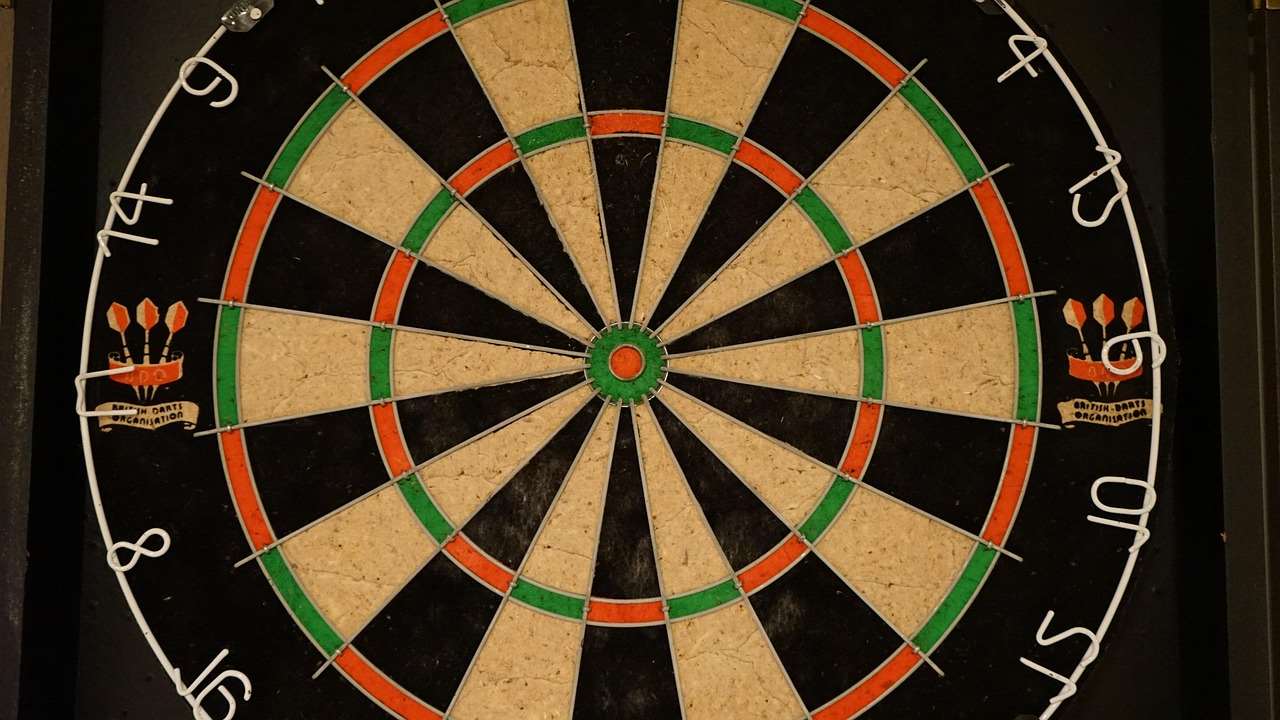
Factors Affecting Dartboard Wiring Performance
Beyond the basic type of wiring, several other factors can influence its performance:
- Wire Material: High-tensile steel is more durable and less prone to bending than cheaper metals.
- Wire Thickness: Thinner wires generally result in fewer bounce-outs.
- Embedding Depth: Deeper embedding minimizes the wire’s profile and reduces deflection.
- Staple-Free Construction: Boards without staples offer a smoother playing surface and fewer obstructions.
Consider these factors when evaluating different dartboard models.
Stapled vs. Staple-Free Dartboards: Is it Worth it?
Traditional dartboards often use staples to secure the wiring to the board. Over time, these staples can loosen, creating additional bounce-out points. Staple-free dartboards eliminate this issue by using alternative methods to secure the wiring, such as embedded wire or advanced adhesives. While staple-free boards tend to be more expensive, the increased durability and reduced bounce-outs often justify the investment.
A staple-free design definitely weighs in to factor when deciding between **Dartboard Wiring Types Comparison** options. If you’re looking to enhance your dartboard setup, you may want to consider Optimal Dartboard Lighting Solutions Guide.
Durability and Maintenance of Different Wiring Types
The longevity of your dartboard wiring depends on several factors, including the quality of the materials, the frequency of use, and the care you provide. Round wire boards tend to be the least durable, as the staples can loosen over time and the wire can bend easily. Blade wire and micro-thin wire boards are more durable due to their embedded construction and high-quality materials. Regular rotation of the dartboard is recommended for all types to even out wear and tear and prolong the life of the wiring and sisal fibers.
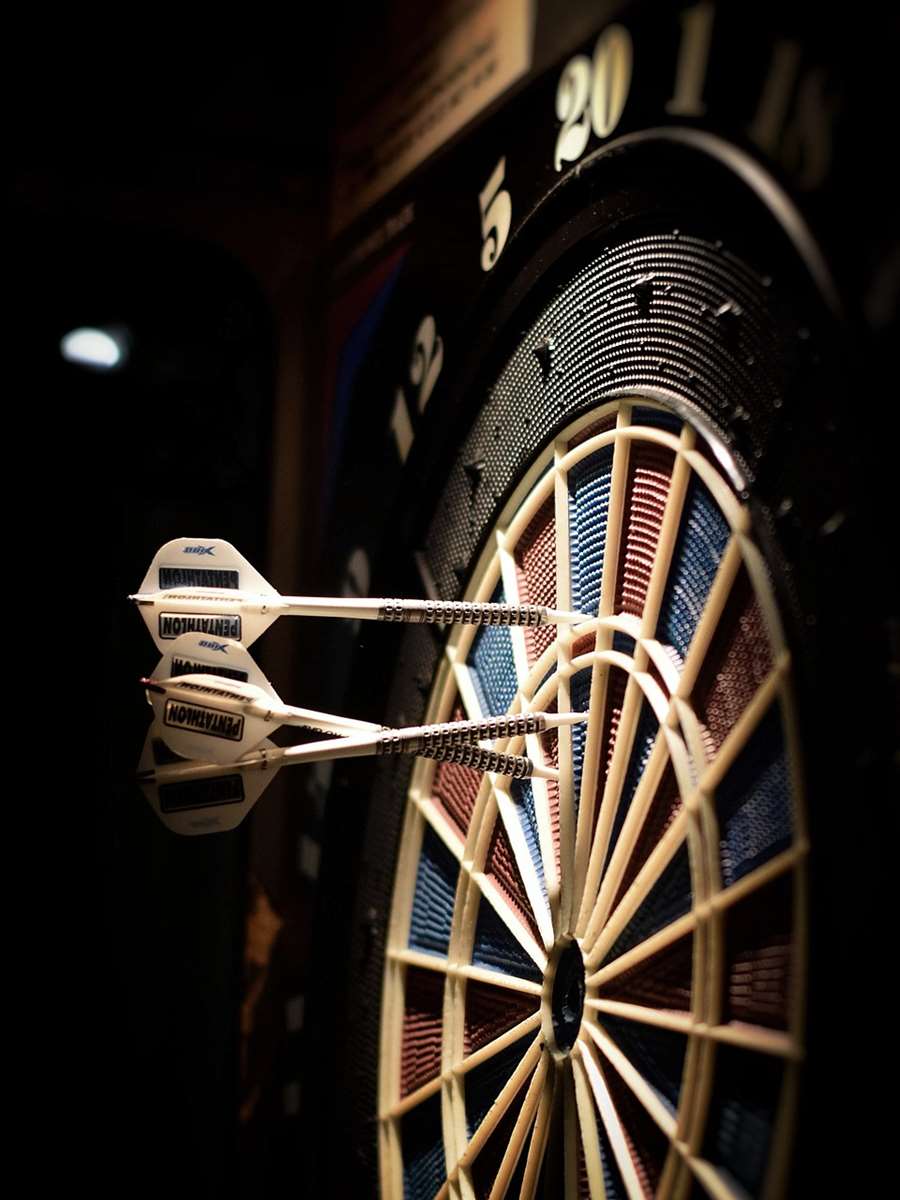
Choosing the Right Dartboard Wiring for Your Needs
When selecting a dartboard, consider your budget, skill level, and frequency of play. For casual players on a tight budget, a round wire board may suffice. However, for more serious players looking to improve their game, a blade wire or micro-thin wire board is a worthwhile investment. These options offer superior performance, increased durability, and a more enjoyable playing experience. Remembering this **Dartboard Wiring Types Comparison** will help you make a wise purchase.
Here’s a quick guide:
- Beginner: Round wire is economical for casual play.
- Intermediate: Blade wire offers a great balance of performance and price.
- Advanced: Micro-thin wire delivers the ultimate scoring potential.
The Impact of Wiring on Your Darting Experience
The type of wiring you choose directly impacts your darting experience. A board with poor wiring leads to frequent bounce-outs, frustration, and lower scores. Conversely, a high-quality board with blade wire or micro-thin wire provides a more consistent playing surface, reduces bounce-outs, and allows you to focus on your technique. Ultimately, investing in a better wiring system enhances your enjoyment of the game and helps you reach your full potential.
Conclusion: Making an Informed Decision on Dartboard Wiring
Choosing the right dartboard wiring is a key step towards improving your darting performance and overall enjoyment. Understanding the differences between round wire, blade wire, and micro-thin wire allows you to make an informed decision based on your budget, skill level, and playing frequency. Remember that a quality dartboard is an investment in your game, and selecting the right wiring type is crucial for maximizing its performance and longevity. By carefully considering the factors outlined in this **Dartboard Wiring Types Comparison**, you can confidently choose a dartboard that meets your needs and helps you achieve your darting goals. Now that you know all about different dartboards you can look at Best Dartboard Lighting Systems to enhance your dart playing even more.
Ready to upgrade your dartboard? Explore our selection of top-rated dartboards and find the perfect fit for your game. Start dominating the oche today!

Hi, I’m Dieter, and I created Dartcounter (Dartcounterapp.com). My motivation wasn’t being a darts expert – quite the opposite! When I first started playing, I loved the game but found keeping accurate scores and tracking stats difficult and distracting.
I figured I couldn’t be the only one struggling with this. So, I decided to build a solution: an easy-to-use application that everyone, no matter their experience level, could use to manage scoring effortlessly.
My goal for Dartcounter was simple: let the app handle the numbers – the scoring, the averages, the stats, even checkout suggestions – so players could focus purely on their throw and enjoying the game. It began as a way to solve my own beginner’s problem, and I’m thrilled it has grown into a helpful tool for the wider darts community.