Understanding dartboard wire thickness standards is crucial for minimizing bounce-outs and maximizing your scoring potential. This article will delve into the various wire types, their impact on gameplay, and what to consider when choosing a dartboard to ensure a fair and enjoyable experience. We’ll explore different wire profiles, materials, and their effect on dart deflection, helping you make an informed decision for your game.
⚠️ Still Using Pen & Paper (or a Chalkboard)?! ⚠️
Step into the future! The Dart Counter App handles all the scoring, suggests checkouts, and tracks your stats automatically. It's easier than you think!
Try the Smart Dart Counter App FREE!Ready for an upgrade? Click above!
Understanding Dartboard Wire Thickness Standards
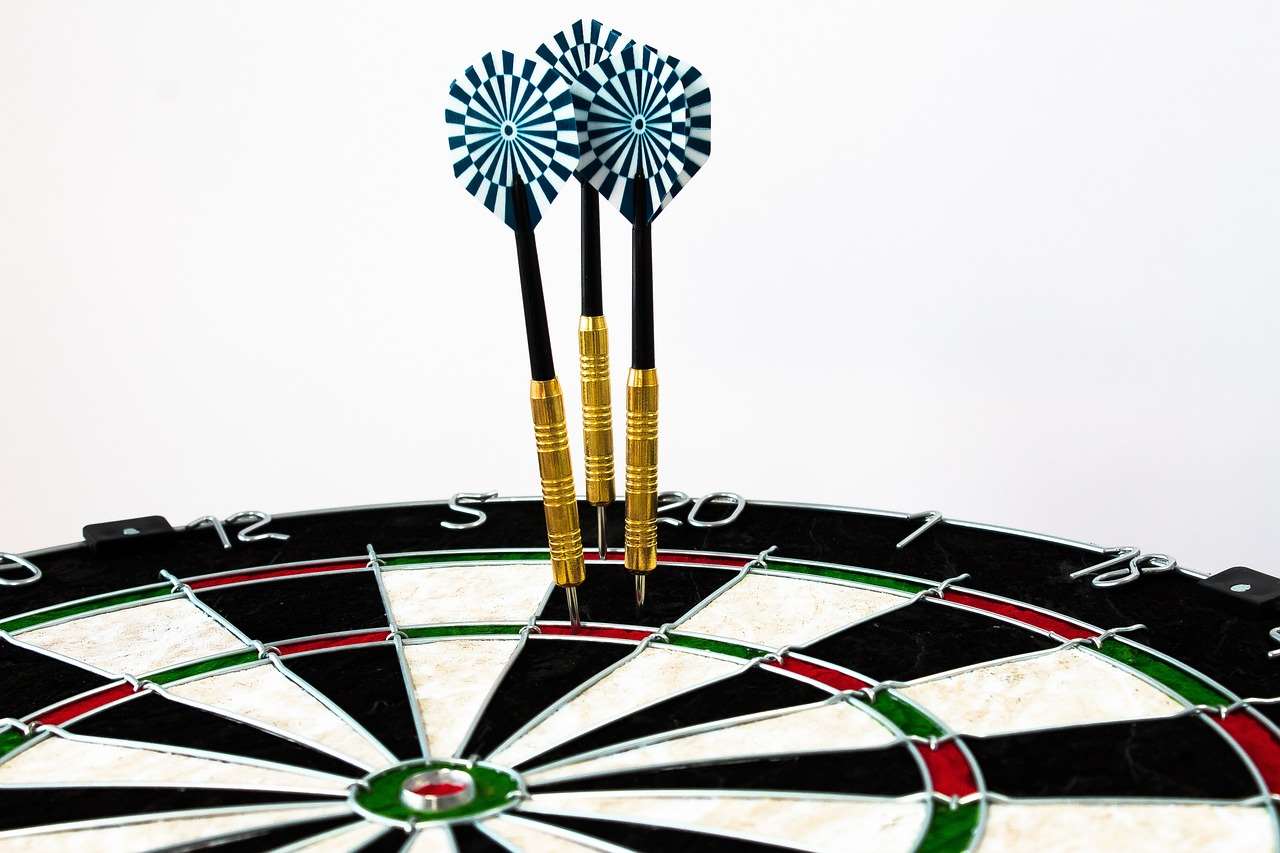
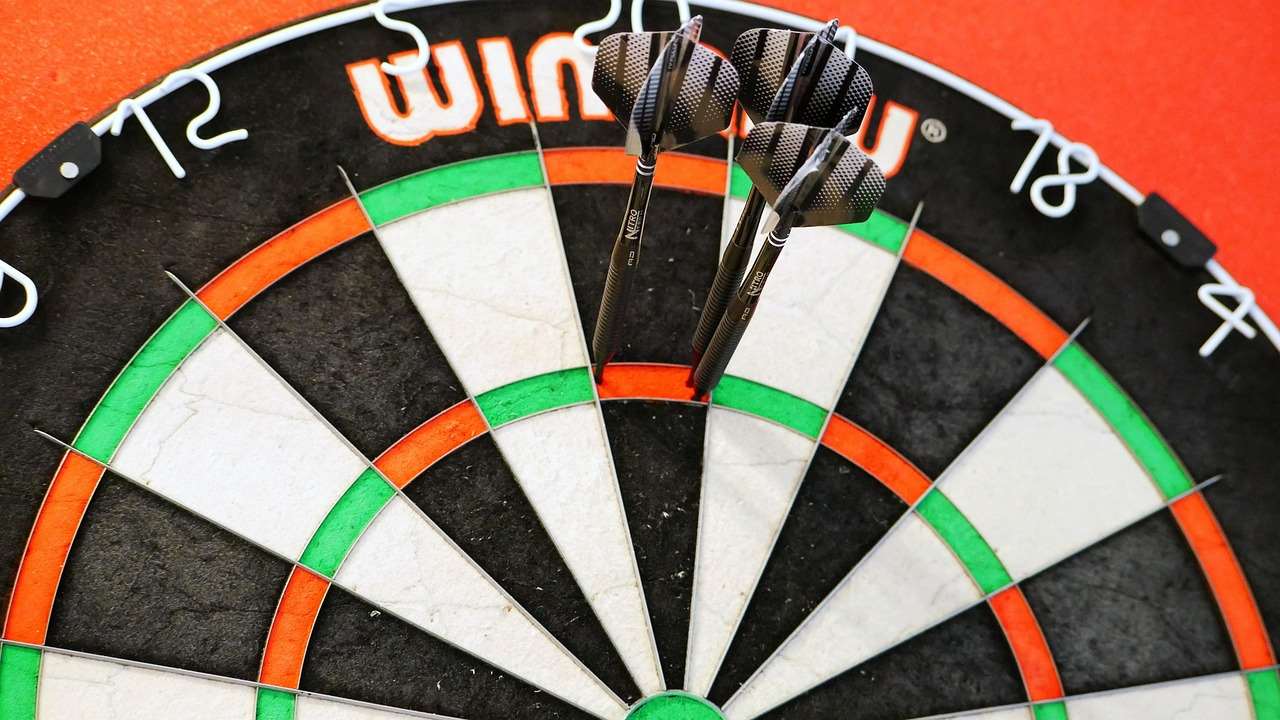
The wire thickness on a dartboard plays a significant role in your overall darts experience. Thicker wires increase the likelihood of bounce-outs, where your dart hits the wire and doesn’t stick in the board, resulting in a missed score. Conversely, thinner wires offer a greater surface area of scoring zones, reducing bounce-outs and improving your chances of landing where you intended. Let’s dive deeper into the nuances of dartboard wire thickness standards.
The Impact of Wire Profile
It’s not just about thickness; the profile of the wire also matters. Here are some common profiles:
- Round Wire: This is the traditional type, often found on older or cheaper dartboards. Round wire is the thickest and most prone to bounce-outs.
- Triangular Wire: This profile aims to deflect darts into the board. The angled faces guide the dart tip inwards.
- Diamond Wire: Similar to triangular, but with a sharper point for better deflection.
- Blade Wire: The thinnest and most modern profile. Blade wires are virtually embedded in the board, maximizing scoring area and minimizing bounce-outs. Some blade wire systems feature staple-free designs for even better performance.
Choosing the right wire profile can drastically improve your game. A dartboard with blade wiring is a significant upgrade over one with traditional round wiring.
Materials Used in Dartboard Wires
The material composition of the wires also affects their performance and durability. Common materials include:
- Steel: A robust and durable option, often found in more affordable dartboards. However, steel can be prone to rust if not properly treated.
- High Tensile Steel: A stronger and more resilient steel, offering improved longevity and resistance to bending or damage.
- Carbon Steel: Provides a balance of strength and flexibility.
- Titanium: (Less Common) Offers exceptional strength and lightweight properties, making it a premium choice.
The type of steel used greatly influences the dartboard’s lifespan and its ability to withstand repeated impacts.
The Importance of Wire Fixation
How the wires are attached to the dartboard is another critical factor. Traditionally, wires are held in place with staples. However, staples can cause deflections and even come loose over time. More modern boards utilize a staple-free construction, where the wires are embedded directly into the board. This provides a smoother playing surface and reduces the risk of bounce-outs.
Measuring Dartboard Wire Thickness
While there isn’t a universally enforced, precise dartboard wire thickness standard applicable to all boards across different manufacturers and regions, there are general guidelines and expectations for professional-level dartboards. The overall goal is to minimize the wire’s impact on gameplay. Manufacturers strive to create wires that are as thin as possible while maintaining durability and structural integrity.
Here’s what you should consider:
- Visual Inspection: Start by visually inspecting the dartboard wires. Look for any signs of excessive thickness, unevenness, or damage.
- Compare Specifications: Check the manufacturer’s specifications for the dartboard. Reputable brands will often provide information about the wire type and material.
- Read Reviews: Read online reviews from other dart players to get their opinions on the board’s performance and bounce-out rate.
Factors Affecting Dartboard Wire Lifespan
Several factors can impact how long your dartboard wires last:
- Frequency of Use: More frequent use will naturally lead to faster wear and tear.
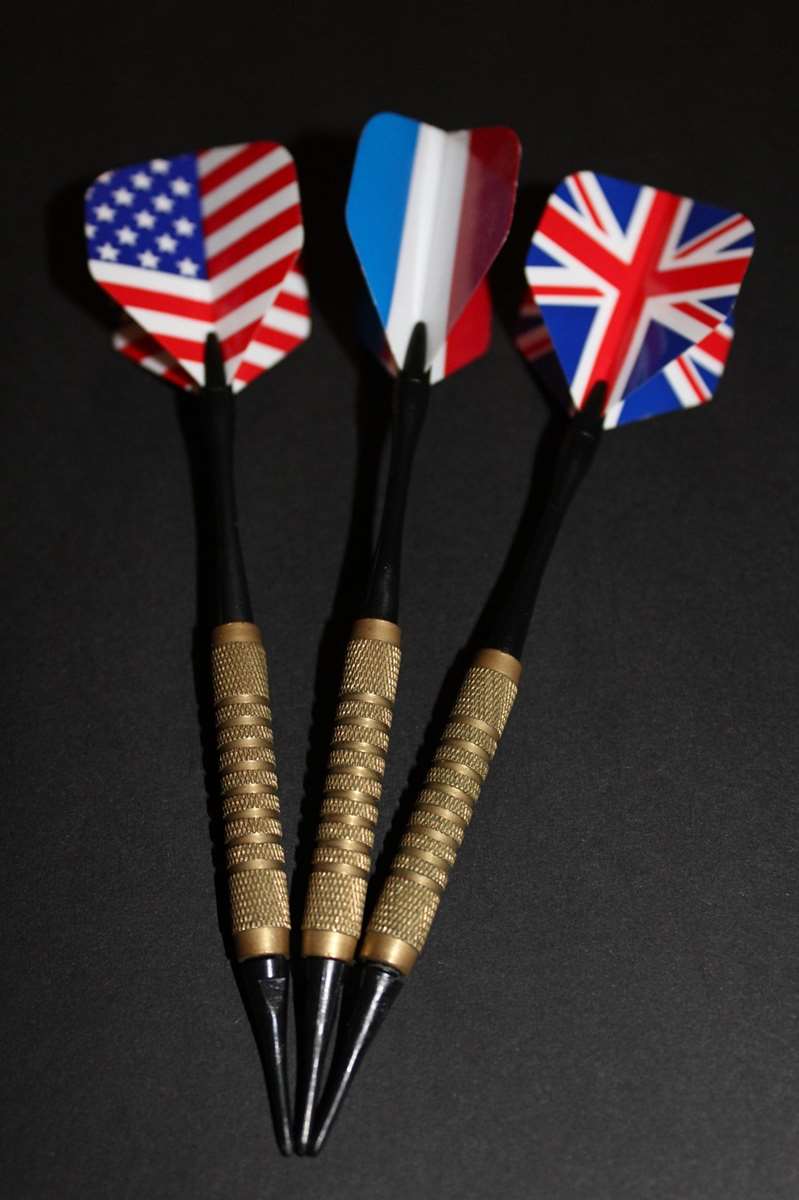
- Dart Type: Darts with sharp, pointed tips can cause more damage to the wires than darts with rounded tips.
- Darting Technique: A consistent and accurate throwing technique will reduce the likelihood of hitting the wires and damaging them.
- Board Rotation: Regularly rotating your dartboard will help to distribute wear evenly across the scoring zones and prolong the life of the wires.
- Environmental Conditions: Exposure to moisture and extreme temperatures can damage the wires and cause them to rust or corrode.
Proper maintenance and care can significantly extend the lifespan of your dartboard wires.
Choosing the Right Dartboard Based on Wire Type
When selecting a dartboard, consider your skill level and playing frequency. For casual players, a board with triangular or diamond wire may suffice. However, serious players who want to minimize bounce-outs should invest in a board with blade wiring. Also, consider the material of the dartboard itself. Sisal fiber boards are the most popular choice for steel-tip darts, offering excellent durability and self-healing properties.
Budget Considerations
Dartboards with thinner wires and staple-free construction typically come at a higher price point. However, the investment is often worth it for serious players who want to improve their game and reduce frustration. Consider your budget and playing frequency when making your decision. It’s important to understand basic darts fundamentals to make informed decisions.
The Future of Dartboard Wire Technology
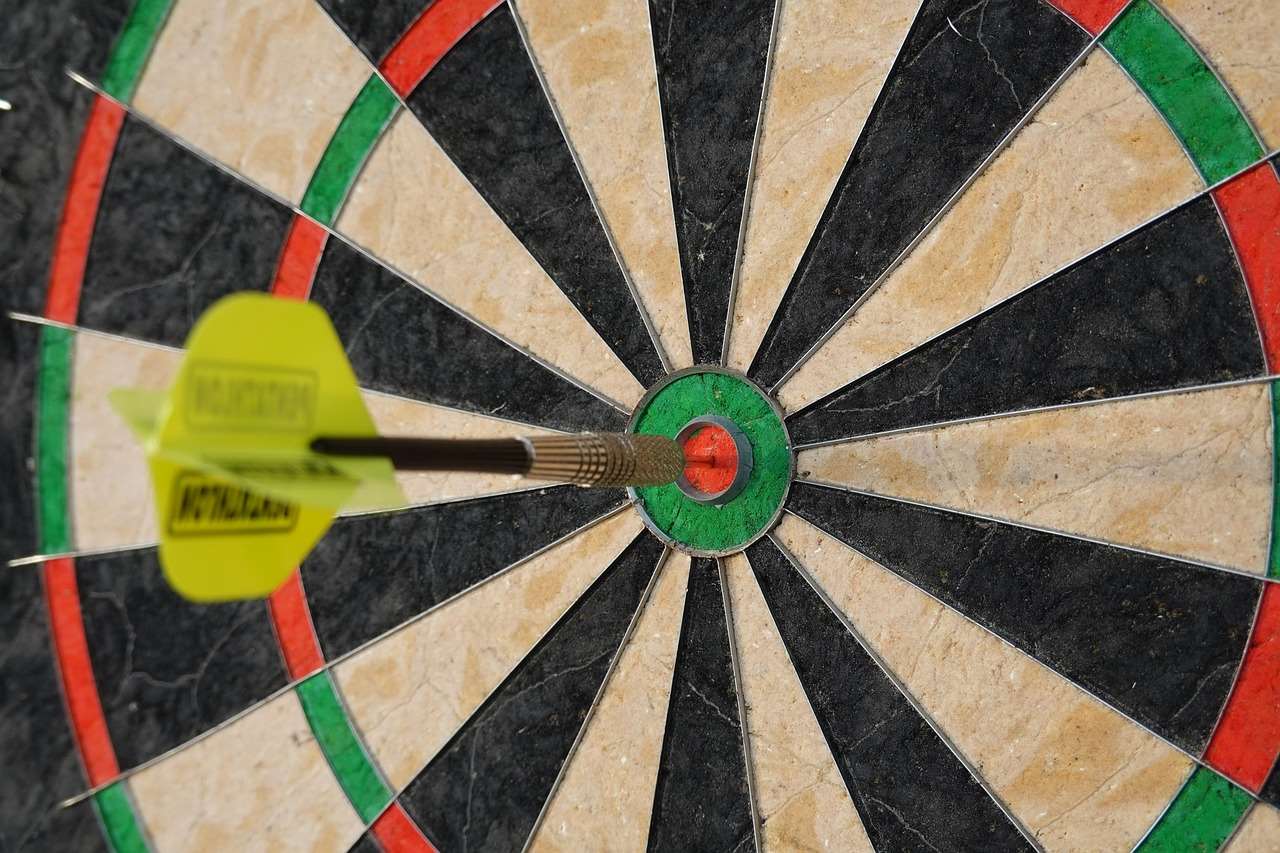
Dartboard technology is constantly evolving. Manufacturers are always looking for ways to improve wire design and minimize bounce-outs. We may see even thinner and more durable wires in the future, as well as new materials and construction techniques. Keep an eye out for the latest advancements in dartboard technology to stay ahead of the game. Perhaps in the future we’ll see active wire deflection systems.
Maintenance Tips for Dartboard Wires
Proper maintenance is essential for keeping your dartboard wires in good condition. Here are some tips:
- Regular Cleaning: Wipe down the wires with a damp cloth to remove dust and dirt.
- Remove Burrs: Use a fine file or sandpaper to remove any burrs or sharp edges that may develop on the wires.
- Rotate the Board: Rotate your dartboard regularly to distribute wear evenly.
- Avoid Moisture: Keep your dartboard dry to prevent rust and corrosion.
- Replace Worn Wires: If the wires become excessively worn or damaged, consider replacing them.
Dartboard Wire and Game Rules
It’s important to note that while dartboard wire thickness standards are aimed at creating a fair playing field, the rules of darts don’t explicitly specify a precise wire thickness. The focus is on ensuring the dartboard is properly mounted and that the scoring areas are clearly defined. Remember to discuss house rules before any friendly game, especially concerning bounce-outs.
Alternatives to Traditional Wire Boards
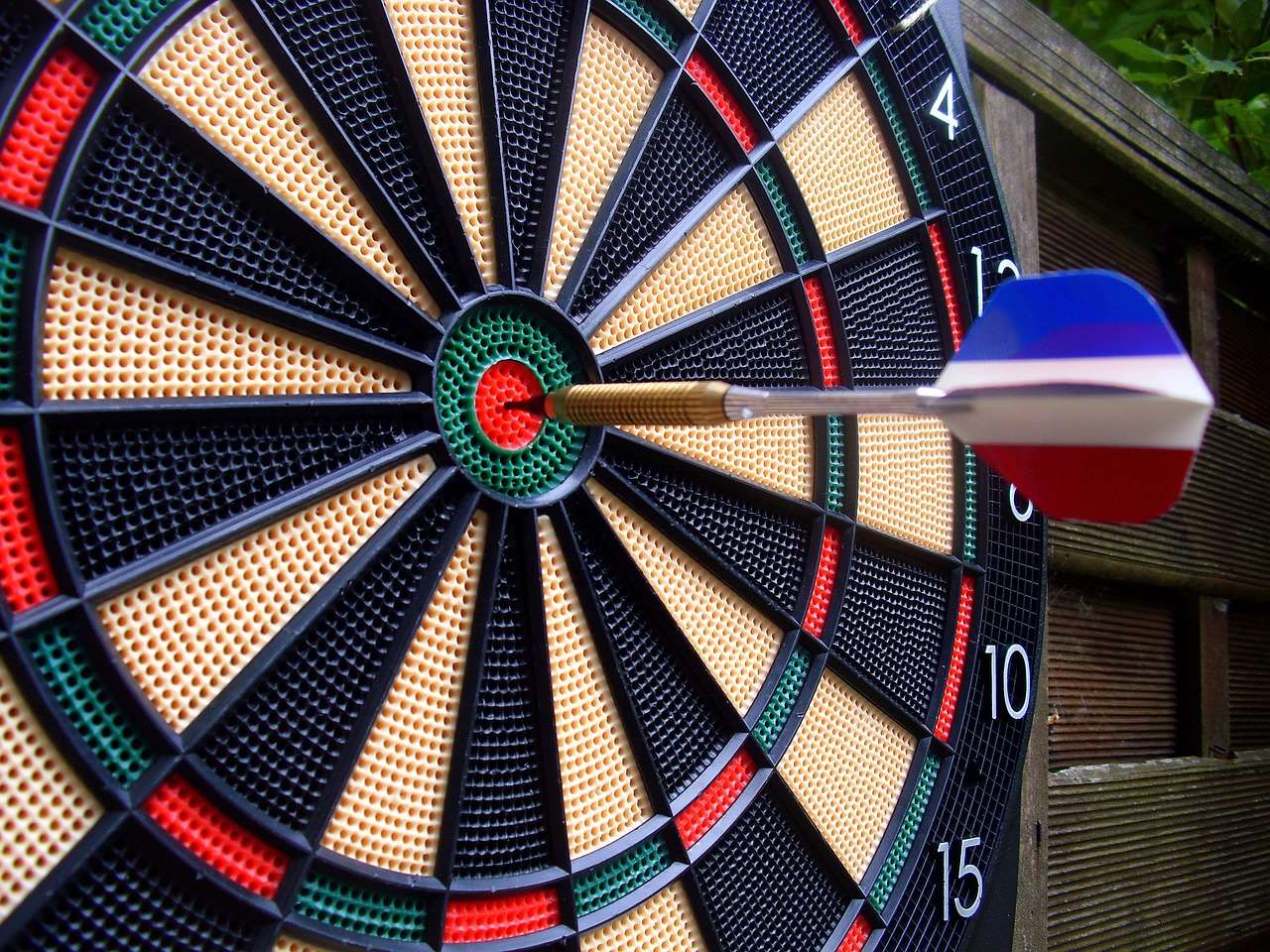
While sisal dartboards with wire spiders are the standard for steel-tip darts, there are alternatives. Electronic dartboards, for example, use plastic segments and have a different kind of “wiring” – typically plastic dividers that separate the scoring zones. These are designed for soft-tip darts and offer electronic scoring and game variations.
Optimizing Your Setup for Fewer Bounce-Outs
Beyond the dartboard itself, your setup can influence bounce-out frequency. Ensure your board is securely mounted and well-lit. Use high-quality darts with well-maintained points. A solid stance and consistent throw can also minimize glancing blows that lead to bounce-outs.
Conclusion
In conclusion, understanding dartboard wire thickness standards, while not explicitly defined in strict measurements, revolves around the principle of minimizing obstructions and maximizing scoring area. By considering the wire profile, material, and construction method, you can choose a dartboard that enhances your gameplay experience. Remember to prioritize blade wiring for the fewest bounce-outs, and maintain your board properly for optimal performance and longevity. Now that you know about dartboard wire thickness standards and how they influence your game, it’s time to choose the right setup for your skill level and start throwing! Consider investing in a higher-quality board to truly elevate your game and take your darts skills to the next level.

Hi, I’m Dieter, and I created Dartcounter (Dartcounterapp.com). My motivation wasn’t being a darts expert – quite the opposite! When I first started playing, I loved the game but found keeping accurate scores and tracking stats difficult and distracting.
I figured I couldn’t be the only one struggling with this. So, I decided to build a solution: an easy-to-use application that everyone, no matter their experience level, could use to manage scoring effortlessly.
My goal for Dartcounter was simple: let the app handle the numbers – the scoring, the averages, the stats, even checkout suggestions – so players could focus purely on their throw and enjoying the game. It began as a way to solve my own beginner’s problem, and I’m thrilled it has grown into a helpful tool for the wider darts community.