The dartboard wire gauge impact is significant: thinner wires mean fewer bounce-outs and higher scores, improving your overall darts experience. This article will delve into the specifics of wire gauge, different types of wiring systems, how they affect your game, and what to look for when buying a new dartboard to ensure you get the best performance.
⚠️ Still Using Pen & Paper (or a Chalkboard)?! ⚠️
Step into the future! The Dart Counter App handles all the scoring, suggests checkouts, and tracks your stats automatically. It's easier than you think!
Try the Smart Dart Counter App FREE!Ready for an upgrade? Click above!
Understanding Dartboard Wire Gauge Impact
When it comes to darts, the devil is in the details, and one of those details is the dartboard wire gauge. The thickness of the wires that separate the scoring segments can drastically affect your game. Thinner wires present a smaller obstacle for your darts, leading to fewer deflections and a greater chance of hitting your target. This section will explore the impact of wire thickness and how it influences scoring.
What is Wire Gauge?
Wire gauge refers to the diameter of the wire used to create the web (or “spider”) on a dartboard. It’s usually measured in millimeters (mm). A lower gauge number indicates a thicker wire, while a higher gauge number signifies a thinner wire. The trend in modern dartboards is towards thinner wires because they reduce the likelihood of bounce-outs.
The Bounce-Out Factor
Bounce-outs are frustrating. They happen when your dart hits the wire instead of the scoring segment, causing the dart to fall out. Thicker wires, with their larger surface area, are more prone to causing these deflections. By contrast, a thinner wire offers less resistance, allowing the dart to slide past and into the board. Therefore, the dartboard wire gauge impact is directly related to the frequency of bounce-outs.
Scoring Implications
Fewer bounce-outs translate to higher scores. If your darts consistently land where you aim them, you’ll accumulate points faster. Thinner wires provide a competitive edge, especially in closely contested matches. A dartboard with thicker wires might be more durable, but its effect on scoring accuracy must be considered. To get the most out of your dartboard setup, ensure you have the Choose Best Dart Equipment that works best for you.
Types of Dartboard Wiring Systems
Different manufacturers employ various wiring systems, each with its own pros and cons. Understanding these systems will help you make an informed decision when purchasing a dartboard. We will examine some common wiring techniques and their influence on dartboard playability.
Round Wire
Round wire is the traditional type of wiring used in dartboards. It’s typically thicker than other options, making it more durable but also more prone to bounce-outs. While round wire dartboards are generally less expensive, the dartboard wire gauge impact is more pronounced, leading to lower average scores.
Blade Wire
Blade wire systems are a significant improvement over round wire. Instead of a circular profile, blade wires have a thinner, knife-like edge that sits flush with the playing surface. This design minimizes the surface area exposed to incoming darts, drastically reducing bounce-outs. Blade wire boards are typically more expensive but offer a better playing experience.
Triangle Wire
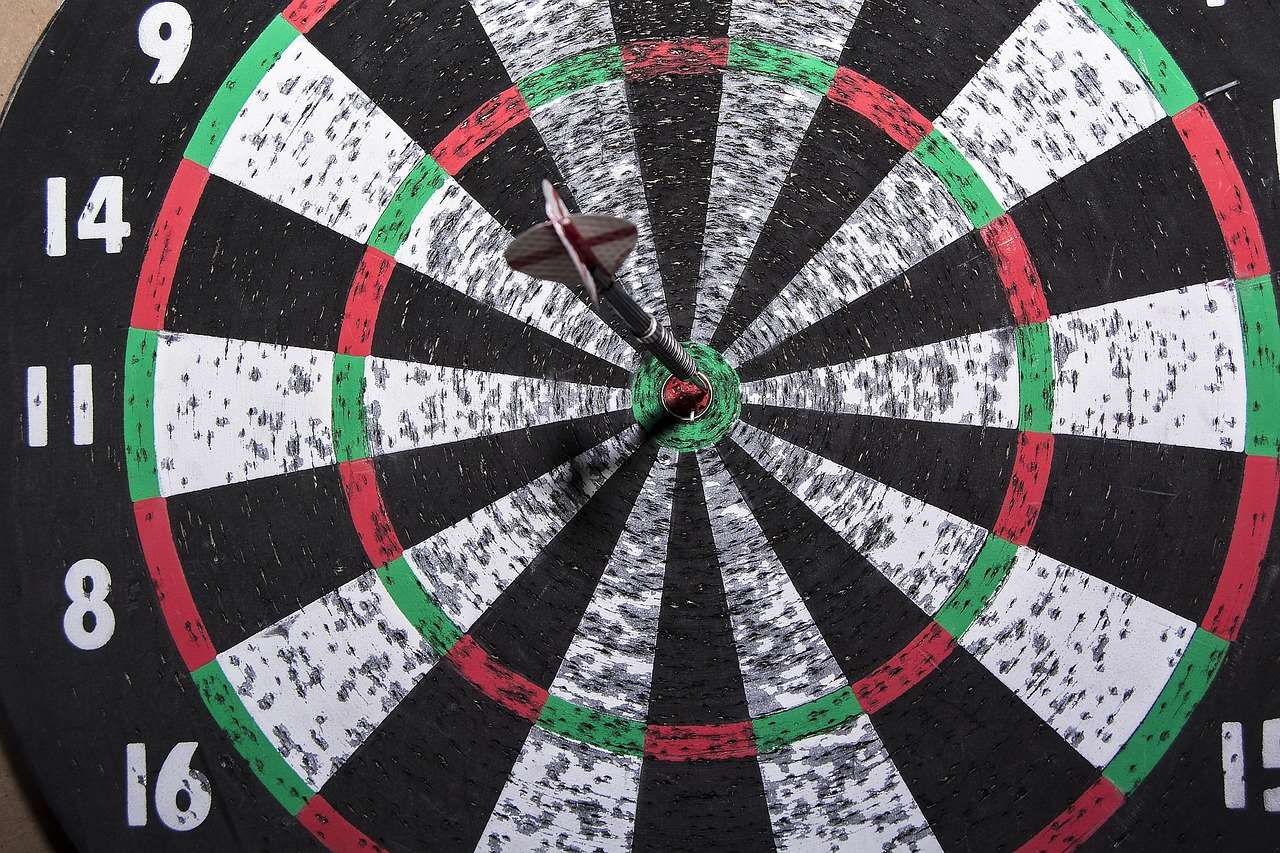
Triangle wire is another type of wiring system designed to reduce bounce-outs. It uses a triangular profile for the wires, with the pointed edge facing outwards. This design effectively deflects darts into the scoring segments, similar to blade wire. Triangle wire dartboards are a good compromise between round wire and blade wire in terms of price and performance. It’s important to evaluate the dartboard wire gauge impact on each of these models before deciding.
Embedded Wire
Embedded wire systems represent the pinnacle of dartboard technology. In this design, the wires are embedded directly into the sisal fibers of the board, creating a virtually seamless playing surface. This eliminates almost all bounce-outs and maximizes scoring potential. While embedded wire dartboards are the most expensive, their performance is unmatched. Consider how How To Light Your Dartboard can complement your new dartboard for the best gaming experience.
Factors Influencing Wire Gauge Selection
Choosing the right dartboard involves considering several factors beyond just the dartboard wire gauge. Your skill level, budget, and playing frequency all play a role in determining the best option for you. Here’s a breakdown of these influences:
Skill Level
Beginners might not immediately notice the difference between different wire gauges. However, as your skill improves, you’ll become more sensitive to even minor deflections. Intermediate and advanced players will benefit most from thinner wire boards, as these allow for more precise scoring. Think about your goals: do you want to improve rapidly, or are you simply enjoying casual games?
Budget Considerations
As mentioned earlier, dartboards with thinner wires and advanced wiring systems tend to be more expensive. If you’re on a tight budget, a round wire board might be the only option. However, if you’re serious about darts, investing in a blade wire or embedded wire board is a worthwhile investment. Consider the long-term cost, taking into account the increased scoring potential and reduced frustration from bounce-outs.
Playing Frequency
If you play darts frequently, the benefits of a thinner wire board will be more pronounced. The increased scoring accuracy and reduced bounce-outs will significantly enhance your experience. Casual players who only play occasionally might not need the most advanced wiring system. Remember that consistently using your dartboard will also make you more aware of the dartboard wire gauge impact on your score.
Beyond Wire Gauge: Other Dartboard Features
While dartboard wire gauge impact is a crucial factor, other features also contribute to the overall quality and performance of a dartboard. Here are some additional aspects to consider:
Sisal Quality
The quality of the sisal fibers used in the dartboard is paramount. High-quality sisal is dense, durable, and self-healing, meaning it can withstand repeated dart impacts without showing significant wear and tear. Look for boards made from East African sisal, as it’s generally considered the best.
Board Thickness and Density
A thicker and denser board will last longer and provide a better playing surface. Thicker boards can absorb more dart impacts without deteriorating quickly. Check the board’s specifications to ensure it meets industry standards for thickness and density. Also, consider using Optimal Dartboard Lighting Solutions Guide to highlight these areas.
Rotating Number Ring
A rotating number ring allows you to redistribute wear on the dartboard. By periodically rotating the ring, you can prevent certain segments from becoming overly worn, extending the life of your board. This is a simple but effective feature that can save you money in the long run.
Maintenance Tips for Prolonging Dartboard Life
Proper maintenance can significantly extend the life of your dartboard, regardless of the dartboard wire gauge. Here are some tips to keep your dartboard in top condition:
Regular Rotation
As mentioned earlier, rotating the number ring is crucial for even wear. Rotate it every few weeks or months, depending on how frequently you play.
Moisture Control
Sisal is a natural fiber and can be affected by moisture. Avoid placing your dartboard in damp environments, as this can cause the sisal to swell and warp. Conversely, extremely dry environments can cause the sisal to dry out and crack. Maintaining a stable humidity level is ideal.
Dart Sharpness
Dull darts can damage the sisal fibers and cause bounce-outs, negating any benefits from a thinner dartboard wire gauge impact. Keep your darts sharp by using a dart sharpener regularly.
Occasional Cleaning
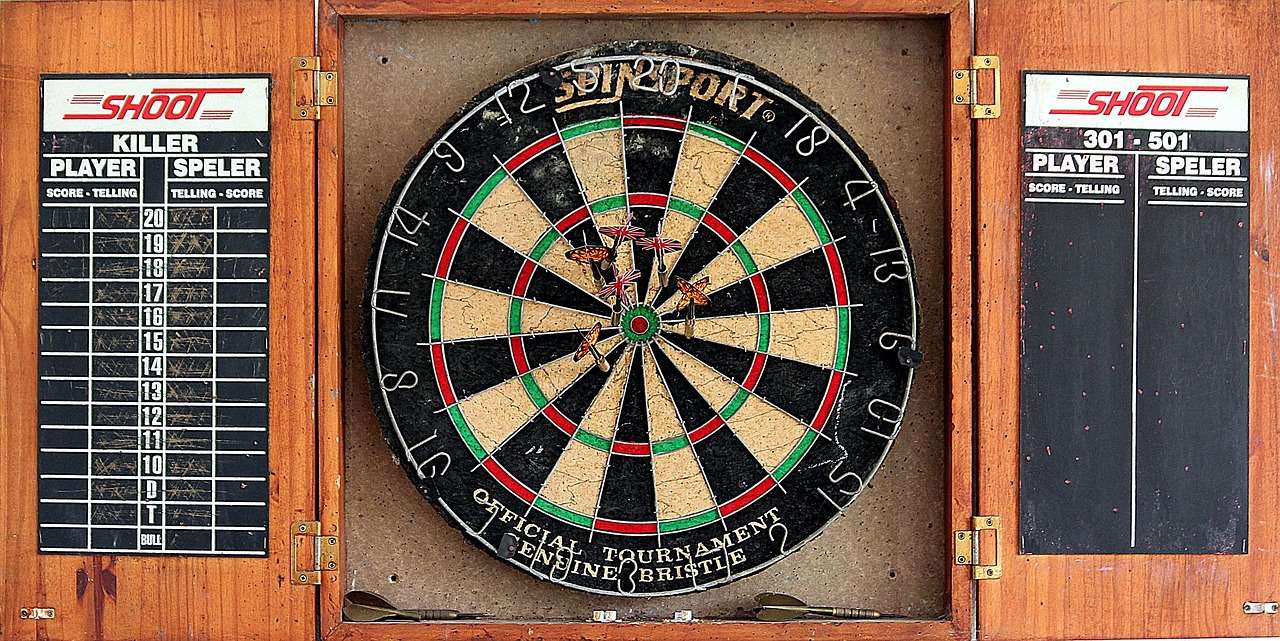
While you shouldn’t use water or harsh chemicals, you can occasionally brush the surface of the dartboard with a soft brush to remove dust and debris. This will help maintain the integrity of the sisal fibers. Furthermore, consider Best Dartboard Lighting Systems so you can see the board clearly when cleaning.
Conclusion
The dartboard wire gauge impact is undeniable. Thinner wires reduce bounce-outs, improve scoring accuracy, and enhance the overall darts experience. While factors such as budget and skill level play a role in determining the best dartboard for you, investing in a board with a thinner wire gauge is a worthwhile investment for serious players. Remember to consider other features like sisal quality, board thickness, and a rotating number ring to maximize the lifespan of your dartboard. Now that you understand the key elements, it’s time to upgrade your setup and elevate your game! Explore your options and choose a dartboard that meets your needs and helps you achieve your darts goals. Happy throwing!

Hi, I’m Dieter, and I created Dartcounter (Dartcounterapp.com). My motivation wasn’t being a darts expert – quite the opposite! When I first started playing, I loved the game but found keeping accurate scores and tracking stats difficult and distracting.
I figured I couldn’t be the only one struggling with this. So, I decided to build a solution: an easy-to-use application that everyone, no matter their experience level, could use to manage scoring effortlessly.
My goal for Dartcounter was simple: let the app handle the numbers – the scoring, the averages, the stats, even checkout suggestions – so players could focus purely on their throw and enjoying the game. It began as a way to solve my own beginner’s problem, and I’m thrilled it has grown into a helpful tool for the wider darts community.