Understanding and addressing dartboard quality bullseye wear is crucial for any serious darts player or enthusiast; rotating your board and employing other preventative measures will significantly extend its life and maintain its playability. In this article, we’ll explore the factors contributing to wear, strategies for prevention, and tips for choosing a durable dartboard.
⚠️ Still Using Pen & Paper (or a Chalkboard)?! ⚠️
Step into the future! The Dart Counter App handles all the scoring, suggests checkouts, and tracks your stats automatically. It's easier than you think!
Try the Smart Dart Counter App FREE!Ready for an upgrade? Click above!
Understanding Dartboard Quality Bullseye Wear
The bullseye of a dartboard is inevitably the area that receives the most abuse. Every game, dozens of darts find their mark, compressing the sisal fibers and, over time, leading to noticeable wear and tear. This wear isn’t just cosmetic; it affects the board’s playability, causing darts to bounce out more frequently and generally degrading the overall experience. Factors like the quality of the sisal, the construction of the board, and the frequency of play all contribute to the speed and severity of bullseye wear.
Factors Affecting Dartboard Durability
Several factors contribute to the lifespan and resistance to bullseye wear of a dartboard:
- Sisal Quality: Higher-grade sisal fibers are denser and more resilient, able to withstand repeated impacts without excessive compression. Cheaper boards often use lower-quality sisal, resulting in faster wear.
- Board Construction: The way the sisal fibers are packed and compressed significantly impacts durability. Tightly packed boards tend to be more resistant to wear.
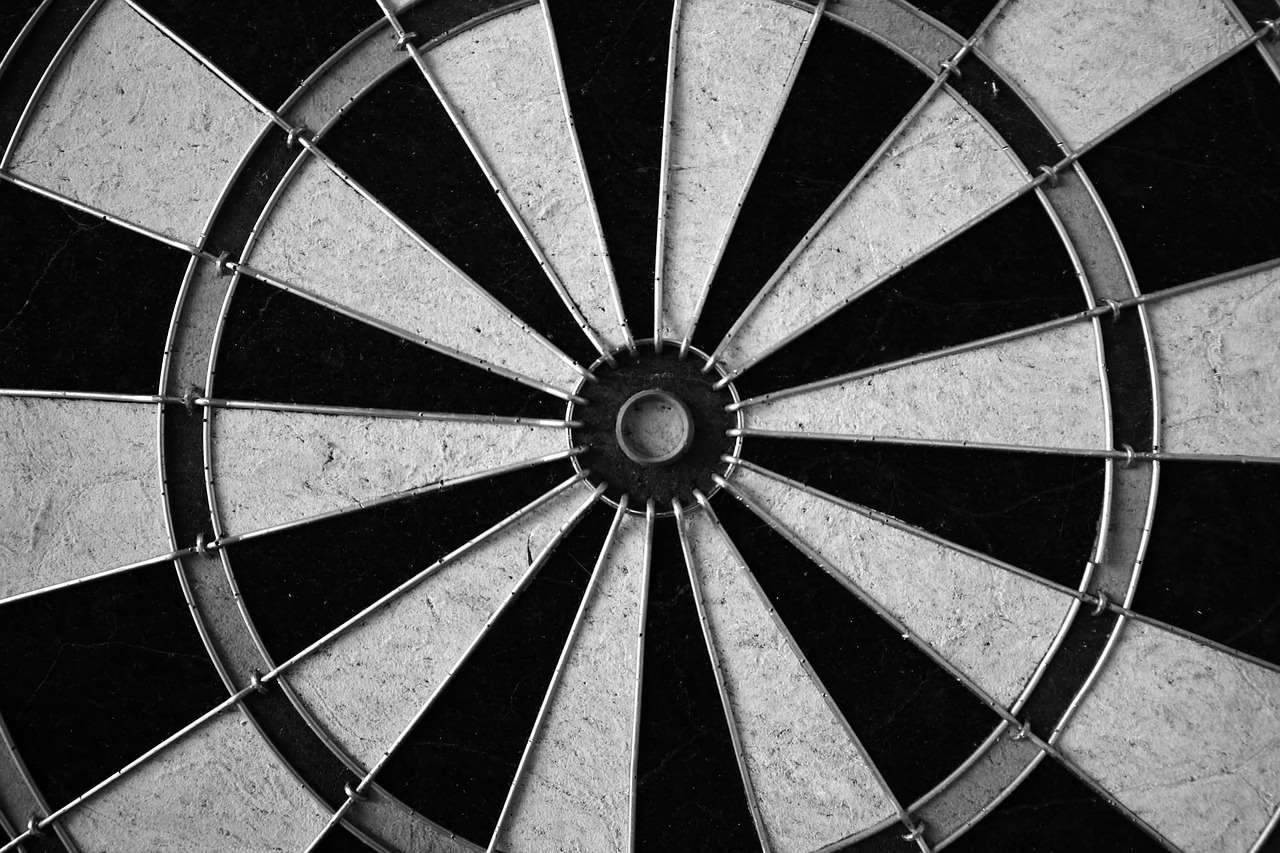
- Wire Type and Configuration: Thin, embedded wires deflect darts into the scoring area, reducing impacts on the sisal. Thicker, surface-mounted wires can cause more bounce-outs and concentrate wear.
- Frequency of Play: The more frequently you play, the faster your dartboard will wear down. This is simply a matter of the number of impacts the board sustains.
- Dart Type and Weight: Heavier darts and darts with sharp points can accelerate wear compared to lighter darts with rounded points. Consider using lighter darts to prolong the life of your board.
Strategies for Preventing Bullseye Wear
While bullseye wear is inevitable, there are several effective strategies to significantly extend the life of your dartboard and maintain its playability:
- Regular Rotation: This is the single most important step you can take. By rotating your dartboard regularly, you distribute the wear more evenly across the entire surface, preventing excessive concentration in the bullseye area. Rotate the board weekly or bi-weekly, depending on how frequently you play.
- Correct Mounting and Lighting: Ensure your dartboard is mounted securely and evenly. Uneven mounting can cause stress points that accelerate wear. Proper lighting is also crucial; good lighting reduces shadows and improves accuracy, leading to fewer stray darts and less wear outside the scoring zones.
- Using a Dartboard Surround: A surround protects the wall around your dartboard from stray darts. It also encourages more accurate throws, indirectly reducing wear on the board itself.
- Dart Maintenance: Keep your dart points sharp and free of burrs. Dull or burred points can damage the sisal fibers and contribute to wear. Regularly sharpen your dart points with a dart sharpener.
- Choosing the Right Darts: As mentioned earlier, using lighter darts with rounded points can minimize impact and reduce wear. Experiment with different dart weights and point styles to find what works best for you and your board.
Implementing a Rotation Schedule
A consistent rotation schedule is key to minimizing dartboard quality bullseye wear. A simple way to implement this is to divide the board into sections (e.g., top, bottom, left, right) and rotate it one section at a time. This ensures that all areas of the board receive roughly equal wear over time. Set a reminder in your phone or calendar to ensure you don’t forget to rotate the board regularly. Furthermore, adapting darts rules for beginners can help minimize errant throws and protect the board, which is described here.
Choosing a Durable Dartboard
The best way to combat dartboard quality bullseye wear is to start with a high-quality dartboard. Look for boards made from high-grade sisal with tightly packed fibers. Consider boards with thin, embedded wires to minimize bounce-outs. Research different brands and read reviews to get a sense of which boards are known for their durability. Investing in a more expensive, high-quality board upfront can save you money in the long run by reducing the need for frequent replacements. You can also find Basic Darts Fundamentals for Beginners, which is a great resource to use when selecting your board and teaching others how to care for it.
Key Features to Look For
- High-Density Sisal: Look for boards that advertise high-density sisal. This indicates a tighter packing of fibers, which translates to greater durability.
- Embedded Wires: Thin, embedded wires deflect darts more effectively than surface-mounted wires, reducing wear and bounce-outs.
- Staple-Free Bullseye: A staple-free bullseye eliminates a common point of wear and prevents bounce-outs.
- Rotatable Number Ring: A rotatable number ring allows you to further distribute wear by shifting the scoring sections.
Recognizing and Addressing Different Types of Dartboard Wear
While bullseye wear is the most common issue, other types of wear can also affect your dartboard’s playability. Understanding these different types of wear and knowing how to address them can help you extend the life of your board.
Common Wear Patterns
- Spider Webbing: This refers to a network of fine cracks that can appear on the surface of the sisal. It’s often caused by repeated impacts and can lead to darts not sticking properly.
- Compression: This is the general flattening and hardening of the sisal fibers, especially in high-impact areas like the bullseye and the 20 segment.
- Loose Fibers: Over time, sisal fibers can become loose and detached from the board, creating bald spots and affecting dart retention.
Addressing Wear Issues
- Board Rotation: As emphasized before, regular rotation is the key to preventing localized wear and tear.
- Sisal Conditioning: Some players use sisal conditioning sprays to help rehydrate the fibers and prevent them from becoming too dry and brittle. However, use these products sparingly, as over-conditioning can make the board too soft.
- Professional Repair: For more serious wear issues, such as loose fibers or deep compression, you may consider consulting a dartboard repair professional. They may be able to re-pack the sisal fibers or perform other repairs to restore the board’s playability.

Dartboard Maintenance Tips for Prolonged Life
Proper maintenance is essential for extending the life of your dartboard and minimizing dartboard quality bullseye wear. Here are some additional tips to keep your board in top condition:
- Keep it Clean: Regularly dust your dartboard to remove dirt and debris that can accumulate on the surface. Use a soft brush or a vacuum cleaner with a brush attachment.
- Control Humidity: Avoid storing your dartboard in areas with high humidity, as this can cause the sisal fibers to swell and warp. Conversely, avoid extremely dry environments, which can cause the fibers to become brittle.
- Avoid Direct Sunlight: Direct sunlight can fade the colors on your dartboard and cause the sisal fibers to dry out and crack.
The Importance of Dart Technique and its Impact on Dartboard Wear
Believe it or not, your dart throwing technique can significantly impact the lifespan of your dartboard. Consistent and accurate throws will naturally concentrate wear on the scoring areas, whereas erratic throws will scatter the impact across the entire board, potentially leading to uneven wear and damage to the outer areas.
How to Improve Your Technique
- Stance and Posture: A stable and consistent stance is crucial for accurate throws. Experiment with different stances to find what feels most comfortable and balanced.
- Grip: A consistent grip ensures that you release the dart in the same way every time. Avoid gripping the dart too tightly, as this can cause tension and affect your accuracy.
- Throwing Motion: A smooth and controlled throwing motion is essential for accurate throws. Avoid jerking or snapping your wrist.
- Follow-Through: A proper follow-through helps to maintain accuracy and consistency. Extend your arm fully towards the target after releasing the dart.
By focusing on improving your technique, not only will you improve your game but you’ll also contribute to prolonging the life of your dartboard. This is especially important when Modifying rules for mixed-level dart players, as this may encourage more new players to pick up the sport who may not have developed proper technique yet.
Alternative Options to Sisal Dartboards
While sisal dartboards are the standard for professional play, alternative options exist, each with its own pros and cons:
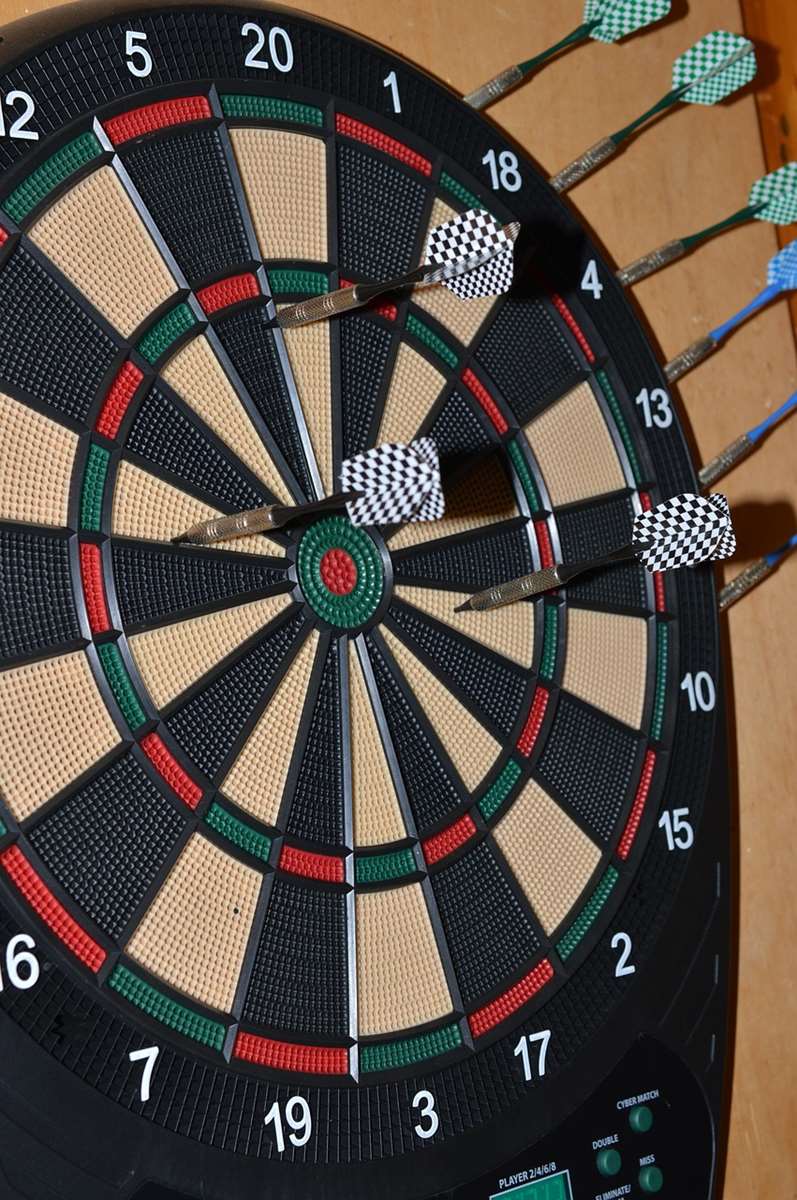
- Electronic Dartboards: These boards use plastic segments with holes that register the darts electronically. They offer automatic scoring and game variations, but the plastic segments can wear out over time, and bounce-outs can be more frequent.
- Paper Dartboards: These are the most affordable option, but they are also the least durable. They are suitable for casual play but are not recommended for serious players.
Ultimately, the best type of dartboard for you will depend on your budget, playing style, and desired level of durability. However, for serious players seeking a balance of performance and longevity, a high-quality sisal dartboard remains the top choice.
Conclusion
Minimizing dartboard quality bullseye wear and extending the life of your dartboard requires a combination of proactive strategies. Regular rotation, proper maintenance, choosing a durable board, and refining your throwing technique are all essential steps. By implementing these tips, you can ensure that your dartboard remains in top condition for years to come, providing countless hours of enjoyment. So, take action today! Start by rotating your board, cleaning your darts, and assessing your throwing technique. Your dartboard (and your game) will thank you for it!

Hi, I’m Dieter, and I created Dartcounter (Dartcounterapp.com). My motivation wasn’t being a darts expert – quite the opposite! When I first started playing, I loved the game but found keeping accurate scores and tracking stats difficult and distracting.
I figured I couldn’t be the only one struggling with this. So, I decided to build a solution: an easy-to-use application that everyone, no matter their experience level, could use to manage scoring effortlessly.
My goal for Dartcounter was simple: let the app handle the numbers – the scoring, the averages, the stats, even checkout suggestions – so players could focus purely on their throw and enjoying the game. It began as a way to solve my own beginner’s problem, and I’m thrilled it has grown into a helpful tool for the wider darts community.