The optimal **dartboard light lumens guide** dictates aiming for 1600-2000 lumens to eliminate shadows and provide clear visibility for accurate throws. This article explores the importance of lumen output for dartboard lighting, covering everything from measuring light levels to choosing the best type of light for your needs.
⚠️ Still Using Pen & Paper (or a Chalkboard)?! ⚠️
Step into the future! The Dart Counter App handles all the scoring, suggests checkouts, and tracks your stats automatically. It's easier than you think!
Try the Smart Dart Counter App FREE!Ready for an upgrade? Click above!
Understanding Lumens in Dartboard Lighting
When setting up your home dart setup, the importance of proper lighting cannot be overstated. Not only does it improve visibility, but it also enhances the overall playing experience. A key factor to consider is the **lumens** of your dartboard light. Lumens measure the total amount of visible light emitted by a source. Understanding the role of lumens is crucial to creating an evenly illuminated dartboard, free from distracting shadows and glare. The right amount of light makes all the difference in your game.
A **dartboard’s brightness** hinges on the balance between lumen output, distance, and diffusion. Too few lumens and the board is dim and hard to see; too many, and you risk eye strain and glare. Finding the sweet spot enhances your focus and accuracy.
Why is the Right Lumens Output Important?
Choosing the appropriate **lumen output** for your dartboard light directly impacts several key aspects of your dart playing experience:
- Reduced Eye Strain: Insufficient lighting forces your eyes to work harder, leading to fatigue and headaches. Adequate lumens provide a clear view without straining your vision.
- Minimized Shadows: Shadows on the dartboard can distort your perception and make it difficult to aim accurately. Sufficient brightness ensures the dartboard is evenly lit, eliminating shadows.
- Enhanced Accuracy: Clear visibility translates to improved aim and accuracy. Seeing the board and your darts clearly is crucial for consistent performance.
- Improved Playing Experience: Overall, well-lit conditions create a more enjoyable and professional-feeling playing environment.
When thinking about accuracy, it is important to Choose Best Dart Equipment.
Calculating the Ideal Lumens for Your Dartboard
Determining the exact number of lumens needed for your setup depends on several factors:
- Distance from Light Source: The farther the light source is from the dartboard, the more lumens you’ll need to compensate for the decreased intensity.
- Room Ambient Light: If the room is already well-lit, you may need fewer additional lumens from your dartboard light.
- Type of Light Fixture: Different fixtures distribute light differently. Some are more focused, while others diffuse the light more broadly.
A good starting point is to aim for around 1600-2000 lumens focused directly on the dartboard. However, you may need to adjust this figure based on your specific circumstances. A light meter can be used to accurately measure the illuminance (lux) on the dartboard surface. Ideally, you want to achieve around 500-700 lux.
Also consider if you prefer cabinet lighting for dartboards, and consider the space you’re working with, you should check out Cabinet Lighting For Dartboards.
Different Types of Dartboard Lighting and Their Lumens
Various types of lighting options are available for dartboards, each with its own advantages and disadvantages regarding lumen output and light quality:
- LED Dartboard Lights: LEDs are energy-efficient, long-lasting, and available in a wide range of lumen outputs. They’re a popular choice for dartboard lighting due to their versatility and reliability. You should also consider LED Dartboard Lights Benefits.
- Ring Lights: These lights encircle the dartboard, providing even illumination and minimizing shadows. Ring lights often use multiple LEDs to achieve the desired lumen output.
- Strip Lights: LED strip lights can be mounted above or around the dartboard to provide ambient or direct lighting. They offer flexibility in terms of placement and customization.
- Spotlights: Spotlights can be used to focus a concentrated beam of light on the dartboard. However, they can also create harsh shadows if not positioned correctly.
- Halogen Dartboard Lighting: While less common now due to energy inefficiency, halogen bulbs offer a bright, focused light.
Pay attention to the color temperature (measured in Kelvin) as well. A color temperature between 4000K and 5000K (cool white) is generally recommended for dartboard lighting, as it provides a bright, clear light that is easy on the eyes. It’s also a good idea to consider the Types Optimal Dartboard Lighting that work for you.
DIY Dartboard Light Lumens Adjustment
Adjusting the lumens of your dartboard light to achieve the perfect balance might require some experimentation. Here are some tips for optimizing your lighting setup:
- Dimming Options: If your light fixture has a dimmer switch, you can easily adjust the brightness to your preferred level.
- Diffusers: Adding a diffuser to your light fixture can soften the light and reduce glare.
- Placement Adjustments: Experiment with the position of your light source to minimize shadows and create even illumination.
- Bulb Swapping: Try different bulbs with varying lumen outputs to find the perfect brightness for your space.
Remember, personal preference plays a role in determining the ideal brightness. What works well for one person may not be suitable for another.
Addressing Common Dartboard Lighting Problems
Even with careful planning, you may encounter some common dartboard lighting problems. Here’s how to troubleshoot them:
- Glare: If you’re experiencing glare, try using a diffuser or repositioning the light source. Make sure the light isn’t shining directly into your eyes.
- Shadows: If shadows are a problem, try adding another light source or adjusting the position of your existing light.
- Uneven Illumination: If the dartboard is not evenly lit, make sure the light source is properly centered and that the light is distributed evenly across the board.
- Flickering Lights: Ensure your light source is properly secured and not loose in the fixture. Flickering lights can distract and strain your eyes.
Often these problems can be addressed with simple adjustments and a little bit of experimentation. Also check out Reduce Dartboard Shadows Effectively.
Professional Dartboard Lighting Setups
For serious dart players, investing in a professional dartboard lighting setup can be a worthwhile investment. These setups often include features such as:
- High-Lumen Output: Professional lights typically offer a higher lumen output than standard lights, ensuring optimal brightness.
- Even Illumination: Professional setups are designed to provide even illumination across the entire dartboard surface.
- Adjustable Brightness: Many professional lights offer adjustable brightness settings, allowing you to customize the lighting to your preferences.
- Durable Construction: Professional lights are typically made from high-quality materials and are built to last.
These advanced systems are created to mimic the best possible lighting conditions for gameplay, helping to sharpen your skill. If you want to see a comprehensive list, take a look at Best Dartboard Lighting Systems.
Maintaining Your Dartboard Lighting
To ensure your dartboard lighting continues to perform optimally, it’s important to perform regular maintenance. This includes:
- Cleaning: Dust and dirt can accumulate on the light fixture, reducing its brightness. Clean the fixture regularly with a soft cloth.
- Bulb Replacement: Replace bulbs as needed to maintain optimal lumen output. LEDs last longer than halogen and incandescent bulbs.
- Connection Checks: Ensure that all connections are secure and that there are no loose wires.
Proper maintenance will extend the life of your dartboard lighting and ensure that it continues to provide optimal illumination for years to come. Don’t forget to check out How To Light Your Dartboard.
Choosing The Right Dartboard Lighting for You – A Summary
Selecting the correct **dartboard lighting system** and understanding **Dartboard Light Lumens Guide** is a critical step in building the ideal setup. It doesn’t just make the game look better; it improves your performance by reducing strain and improving your accuracy. Considering the factors mentioned in this guide will allow you to make an informed decision to greatly improve your dart-playing experience. Key considerations include LED output, diffusion and proper positioning to eradicate shadows.
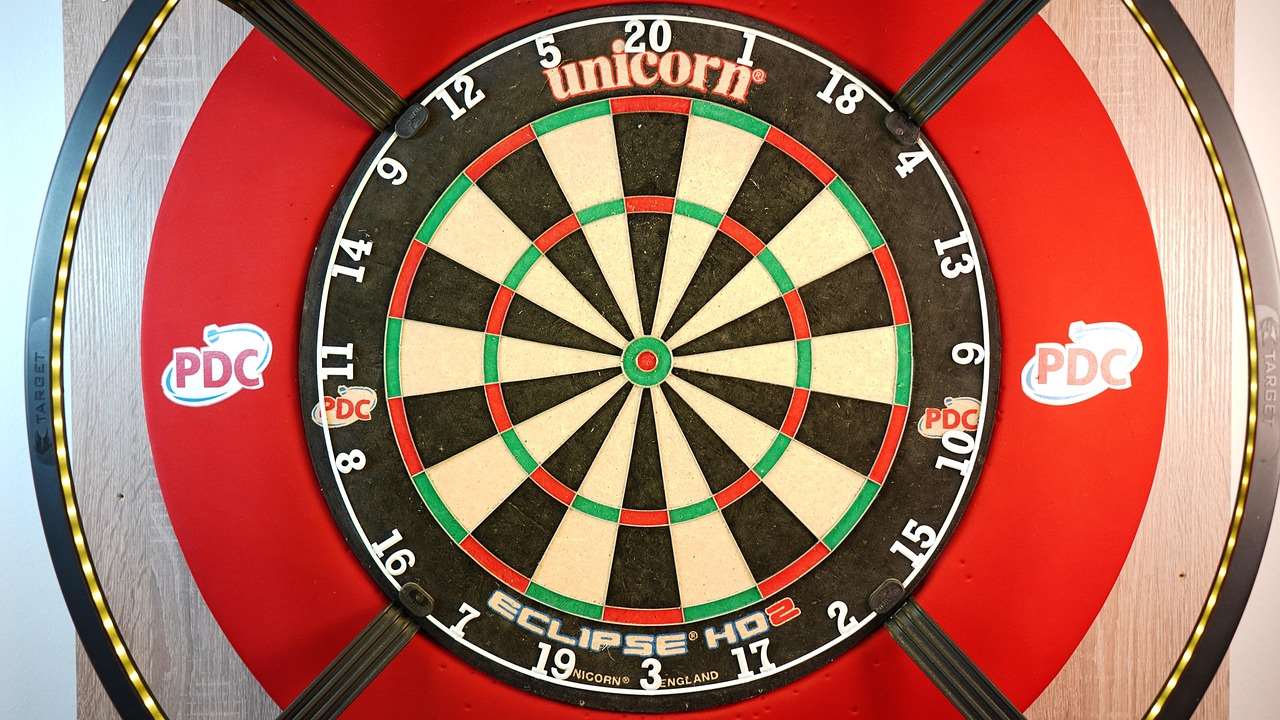
Ultimately, finding the best **dartboard light lumens guide** for your space involves experimentation and finding the right balance. Consider the room’s ambient light, the distance of the light source, and your own personal preferences. With the right lighting, you can transform your dart-playing experience and take your game to the next level.
Final Thoughts and Next Steps
By following this **Dartboard Light Lumens Guide**, you are well-equipped to make an informed decision about the ideal lighting for your dartboard setup. Remember to prioritize adequate brightness, even illumination, and reduced glare to enhance your playing experience and improve your accuracy. Now that you understand the importance of dartboard lighting, it’s time to assess your current setup and make any necessary upgrades. Consider trying different lumen outputs and lighting configurations to find what works best for you.
Take action today by researching different lighting options, measuring the illuminance of your current setup, and experimenting with placement and brightness adjustments. With the right lighting, you can transform your dartboard into a focal point of your game room and enjoy countless hours of fun and competition. Don’t wait any longer – illuminate your game and elevate your skills!

Hi, I’m Dieter, and I created Dartcounter (Dartcounterapp.com). My motivation wasn’t being a darts expert – quite the opposite! When I first started playing, I loved the game but found keeping accurate scores and tracking stats difficult and distracting.
I figured I couldn’t be the only one struggling with this. So, I decided to build a solution: an easy-to-use application that everyone, no matter their experience level, could use to manage scoring effortlessly.
My goal for Dartcounter was simple: let the app handle the numbers – the scoring, the averages, the stats, even checkout suggestions – so players could focus purely on their throw and enjoying the game. It began as a way to solve my own beginner’s problem, and I’m thrilled it has grown into a helpful tool for the wider darts community.