Achieving proper illumination is crucial for an enjoyable and accurate darts experience, and a well-chosen dartboard light for garage setup is the key; without it, shadows and poor visibility can significantly hinder your game. This article explores everything you need to know about selecting and installing the perfect lighting solution for your garage dart setup, from understanding different types of lights to optimizing placement for shadow-free play.
⚠️ Still Using Pen & Paper (or a Chalkboard)?! ⚠️
Step into the future! The Dart Counter App handles all the scoring, suggests checkouts, and tracks your stats automatically. It's easier than you think!
Try the Smart Dart Counter App FREE!Ready for an upgrade? Click above!
Why a Dedicated Dartboard Light is Essential for Your Garage
While your existing garage lighting might seem sufficient, it rarely provides the consistent and focused illumination required for a proper dartboard setup. Standard garage lights often cast harsh shadows, creating distractions and making it difficult to accurately target the board. Investing in a specific dartboard light eliminates these issues, enhancing both your performance and overall enjoyment of the game.
Here’s why a dedicated dartboard light for garage setup is so important:
- Shadow Reduction: Precisely positioned lights minimize shadows cast by the darts and players, offering a clear view of the board.
- Improved Accuracy: Consistent and bright illumination allows for better target acquisition and reduces eye strain.
- Enhanced Aesthetics: A dedicated light adds a professional touch to your dartboard area, making it a more inviting and enjoyable space.
- Safety: Proper lighting reduces the risk of accidents by ensuring clear visibility around the board.
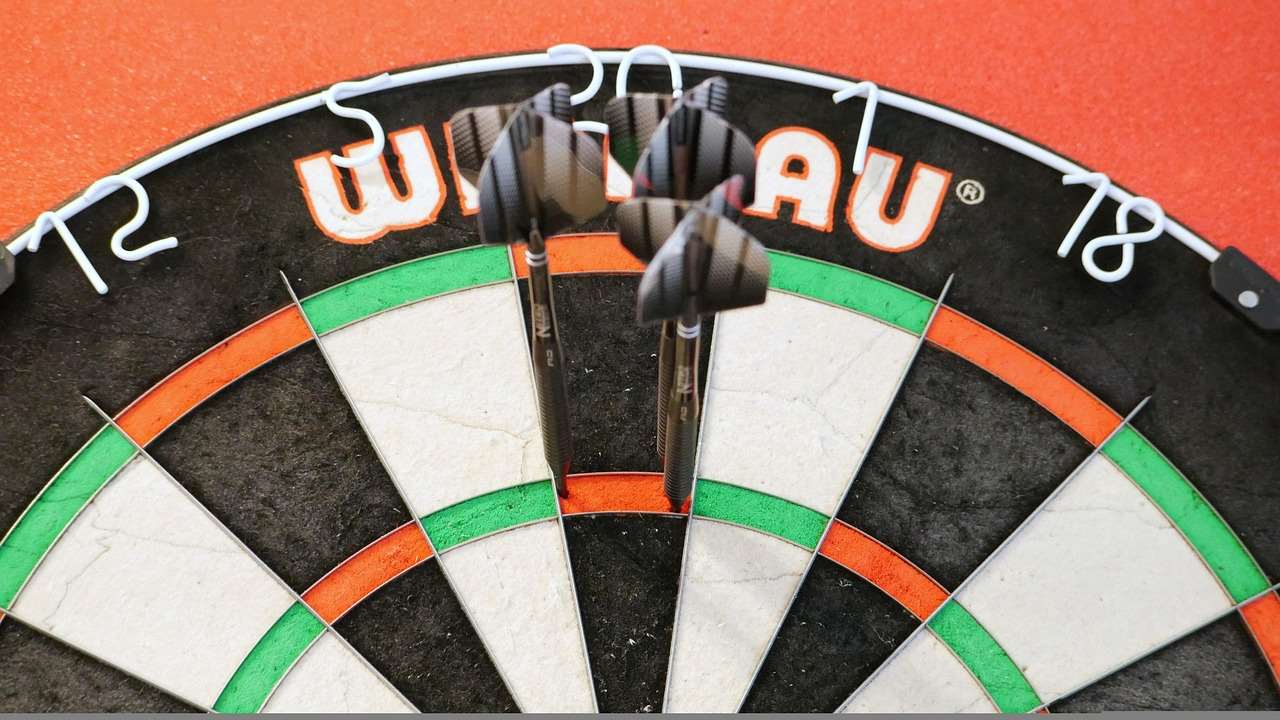
Understanding Light Temperature and Brightness
Before diving into specific lighting options, it’s important to understand the concepts of light temperature and brightness. Light temperature, measured in Kelvin (K), describes the color appearance of the light. Warmer temperatures (around 2700K-3000K) produce a yellowish, cozy light, while cooler temperatures (4000K-6500K) produce a brighter, more white or bluish light. For a dartboard, a neutral white light (around 4000K) is generally recommended for optimal visibility and color accuracy.
Brightness, measured in lumens, indicates the amount of light emitted. The ideal brightness for a dartboard depends on the size of the room and the ambient light levels. Generally, a light source providing at least 1000 lumens is recommended. You can Choose Best Dart Equipment with the right information.
Types of Dartboard Lights Suitable for Garages
Several types of dartboard lights are well-suited for garage setups, each offering unique advantages and disadvantages. Here’s an overview of the most common options:
- Ring Lights: These circular lights mount around the dartboard, providing even illumination from all angles and effectively eliminating shadows. Ring Light Dartboard Pros Cons show that these are a good option to install on your dartboard setup.
- Overhead Lights: These lights are mounted above the dartboard, typically using a bracket or mounting arm. They provide focused illumination from above, but may require careful positioning to minimize shadows.
- Cabinet Lights: If you have a dartboard cabinet, you can install lights inside the cabinet to illuminate the board. This is a convenient option, but the light may not be as even as with other types. More information can be found on Cabinet Lighting For Dartboards.
- Clip-On Lights: These versatile lights can be clipped onto the dartboard cabinet, surround, or other nearby surfaces. They offer flexibility in positioning and are a good option for temporary or portable setups.
Choosing the best type depends on your specific needs, budget, and the layout of your garage. Consider factors like ease of installation, adjustability, and overall light quality.
Selecting the Right Dartboard Light For Garage Setup
When selecting a dartboard light for garage setup, consider the following factors:
- Light Output (Lumens): Ensure the light provides sufficient brightness for clear visibility. Aim for at least 1000 lumens.
- Light Temperature (Kelvin): Opt for a neutral white light (around 4000K) for optimal color accuracy and reduced eye strain.
- Shadow Reduction: Choose a light that effectively minimizes shadows, either through its design (e.g., ring light) or adjustability.
- Ease of Installation: Consider how easy the light is to install and whether it requires any special tools or wiring.
- Adjustability: Look for lights that offer adjustable brightness or angle to fine-tune the illumination to your preferences.
- Durability: Choose a light that is built to withstand the garage environment, including potential temperature fluctuations and dust.
- Energy Efficiency: Opt for LED lights, which are energy-efficient and long-lasting. This is an important consideration, especially for a frequently used dartboard.
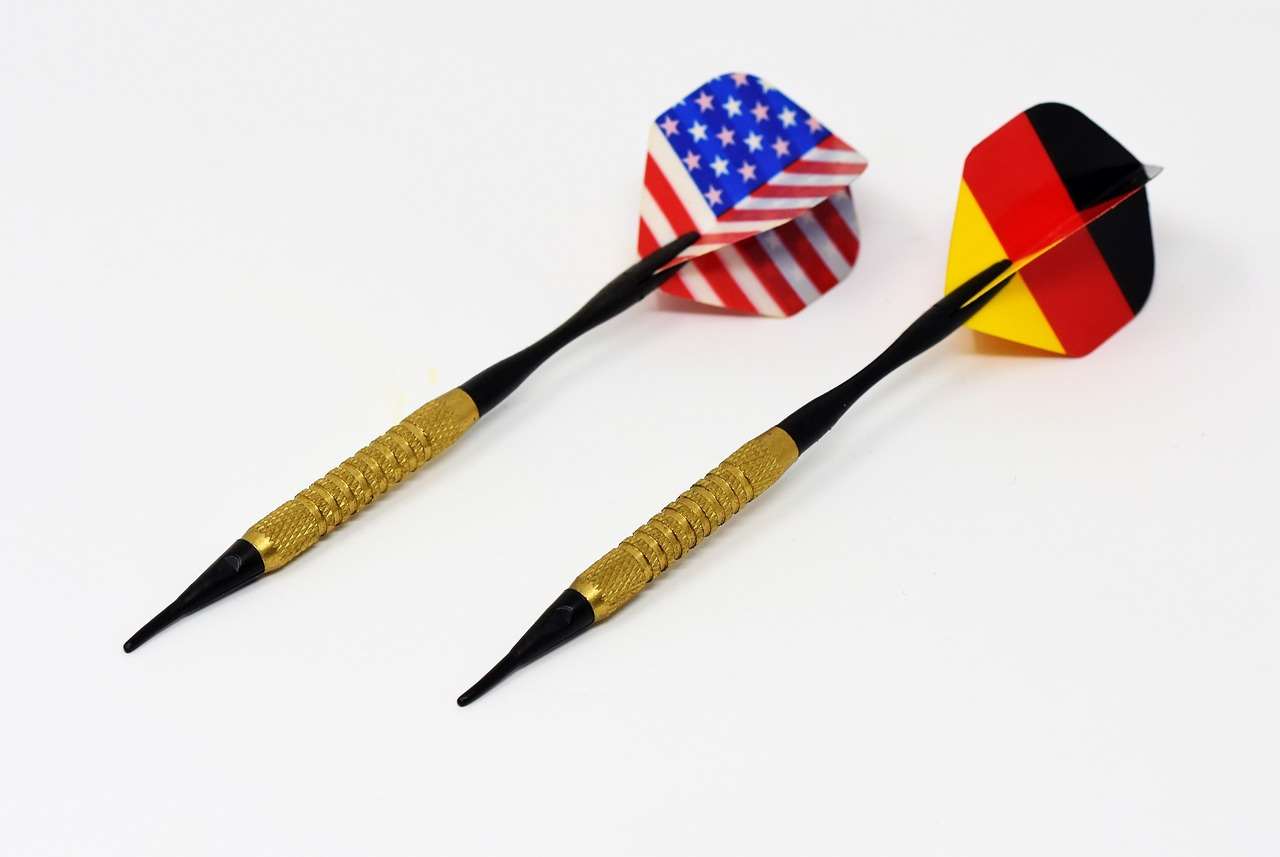
Considering the Size and Layout of Your Garage
The size and layout of your garage will influence your dartboard light selection. In smaller garages, a simple overhead light or clip-on light might be sufficient. Larger garages may benefit from a ring light or multiple overhead lights to provide more even illumination. Also, consider the positioning of other objects in your garage, such as cars, storage shelves, and workbenches, as these can affect the way light is distributed. You may need to determine Types Optimal Dartboard Lighting to get the perfect choice.
Step-by-Step Installation Guide for Your Dartboard Light
Installing your new dartboard light for garage setup can be a straightforward process, but it’s essential to follow safety precautions and instructions carefully. Here’s a general guide, but always refer to the manufacturer’s instructions for your specific light:
- Safety First: Before starting, turn off the power to the circuit where you’ll be working.
- Mounting the Light: Follow the manufacturer’s instructions for mounting the light fixture. This may involve attaching a bracket to the wall or ceiling.
- Wiring (If Necessary): If your light requires wiring, connect the wires according to the instructions, ensuring proper grounding. If you’re not comfortable with electrical work, consult a qualified electrician.
- Positioning the Light: Carefully position the light to minimize shadows and provide even illumination across the dartboard.
- Testing the Light: Turn on the power and test the light. Make any necessary adjustments to the position or angle to achieve optimal illumination.
- Securing the Light: Once you’re satisfied with the positioning, securely fasten the light fixture to prevent it from moving or falling.
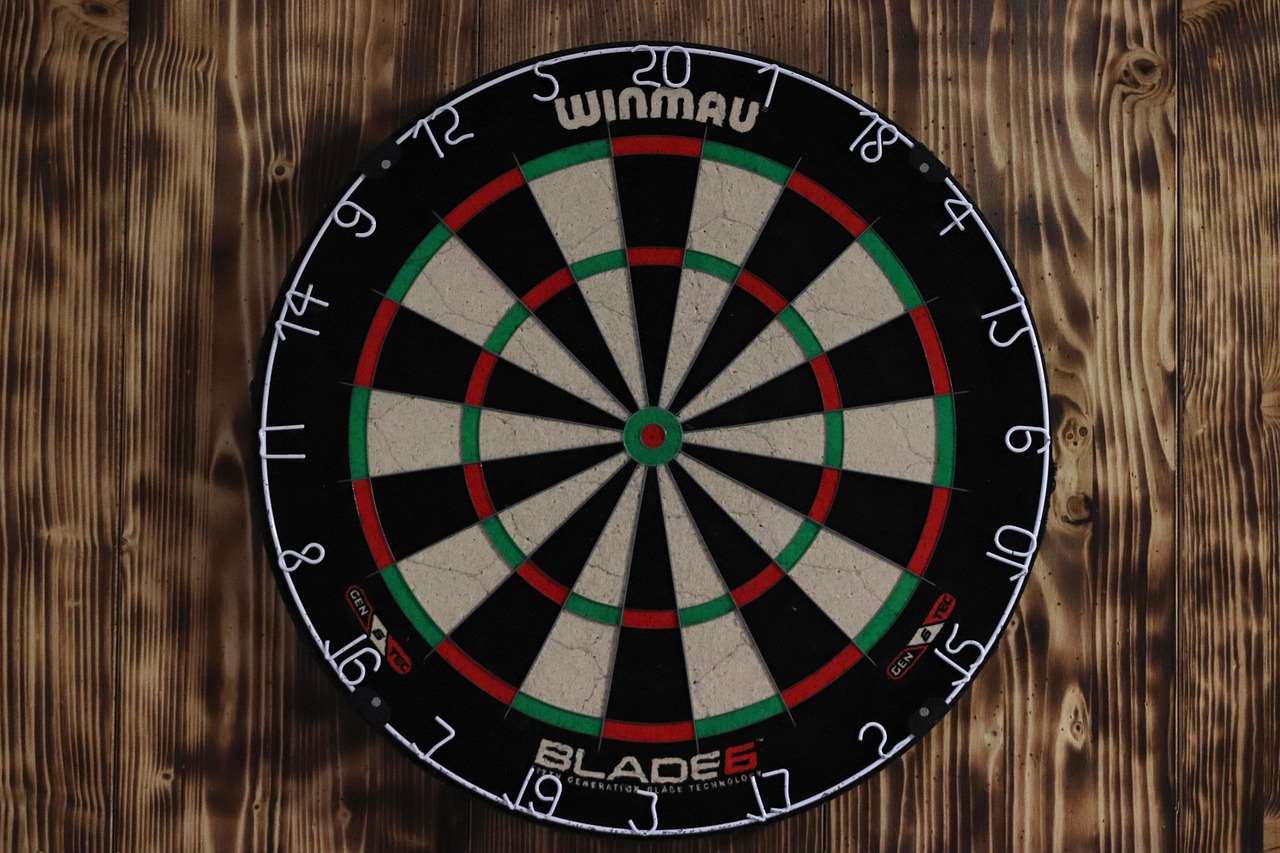
Tips for Optimizing Dartboard Lighting and Reducing Shadows
Even with a dedicated dartboard light, you may still need to make adjustments to optimize the illumination and minimize shadows. Here are some tips:
- Adjust the Angle: Experiment with the angle of the light to find the position that minimizes shadows cast by the darts and players.
- Add a Second Light: If you’re still struggling with shadows, consider adding a second light from a different angle.
- Use a Diffuser: A diffuser can help to soften the light and reduce harsh shadows.
- Paint the Walls: Light-colored walls can help to reflect light and improve overall illumination.
- Avoid Obstructions: Ensure that there are no obstructions between the light and the dartboard that could cast shadows. Understanding How To Light Your Dartboard can greatly improve the lighting for your setup.
Maintaining Your Dartboard Light
To ensure your dartboard light for garage setup continues to provide optimal performance, it’s important to perform regular maintenance. This includes:
- Cleaning the Light: Regularly clean the light fixture to remove dust and debris, which can reduce its brightness.
- Replacing Bulbs: Replace bulbs as needed to maintain consistent illumination. If using LED lights, these are long-lasting, but will eventually need to be replaced.
- Checking the Wiring: Periodically check the wiring to ensure that it is in good condition and that there are no loose connections.
Troubleshooting Common Dartboard Lighting Issues
Here are some common issues you might encounter with your dartboard light and how to troubleshoot them:
- Insufficient Brightness: If the light isn’t bright enough, check the bulb wattage and consider upgrading to a brighter bulb or adding a second light.
- Flickering Light: Flickering can be caused by a loose connection, a faulty bulb, or a problem with the wiring. Check these and replace parts as needed.
- Uneven Illumination: Adjust the angle and position of the light to achieve more even illumination. You might also need to add a diffuser or a second light.
- Shadows: Experiment with the angle of the light and consider adding a second light to minimize shadows.
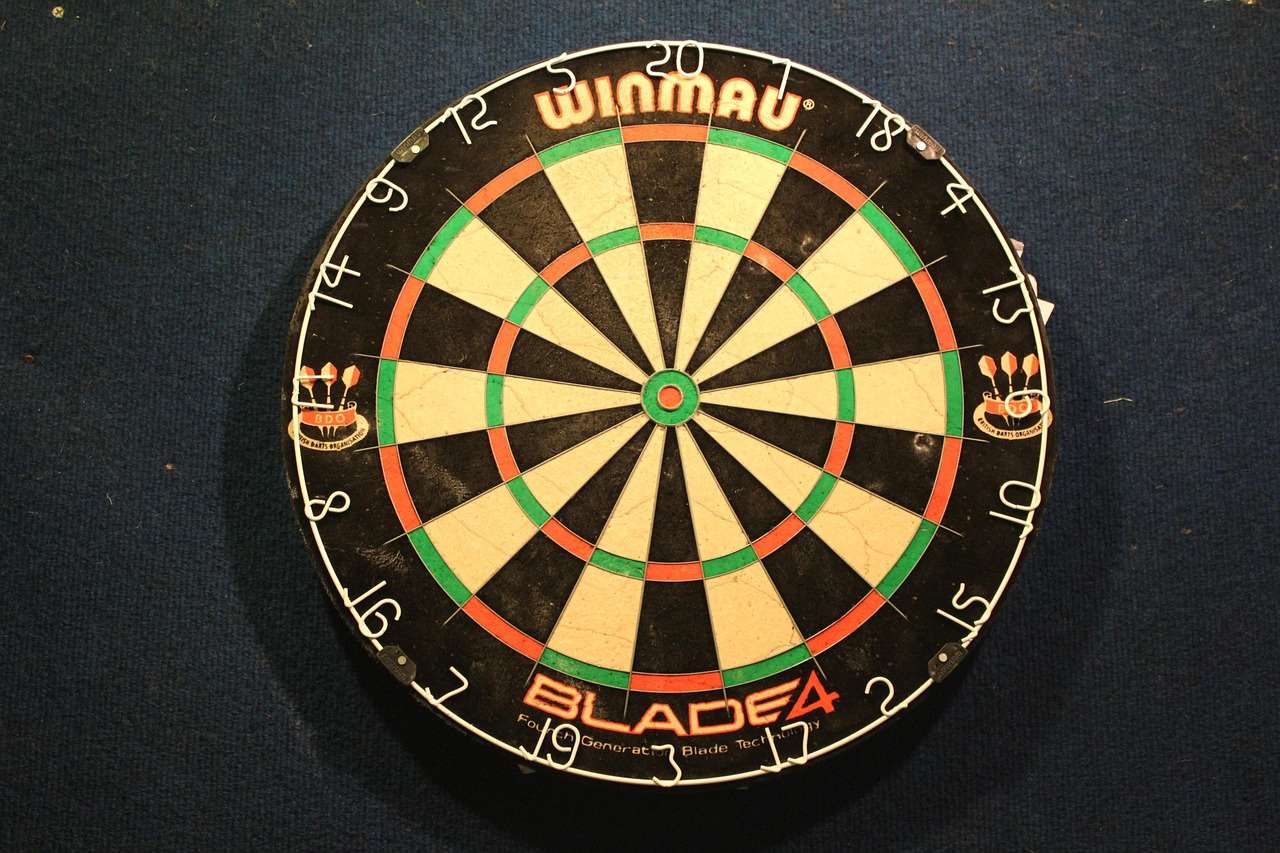
By addressing these potential issues, you can ensure your dartboard is always perfectly illuminated, enhancing your gameplay and reducing frustration. Also remember to Reduce Dartboard Shadows Effectively to create a better playing experience.
Conclusion
Investing in a quality dartboard light for garage setup is essential for any serious darts player. By carefully considering the type of light, brightness, light temperature, and ease of installation, you can create a well-lit and enjoyable dartboard area. Remember to regularly maintain your light and troubleshoot any issues that may arise. With the right lighting, you can improve your accuracy, reduce eye strain, and enhance your overall darts experience. So, take the plunge, brighten up your game, and hit those bullseyes with confidence! Explore our selection of dartboard lighting solutions and find the perfect fit for your garage today!

Hi, I’m Dieter, and I created Dartcounter (Dartcounterapp.com). My motivation wasn’t being a darts expert – quite the opposite! When I first started playing, I loved the game but found keeping accurate scores and tracking stats difficult and distracting.
I figured I couldn’t be the only one struggling with this. So, I decided to build a solution: an easy-to-use application that everyone, no matter their experience level, could use to manage scoring effortlessly.
My goal for Dartcounter was simple: let the app handle the numbers – the scoring, the averages, the stats, even checkout suggestions – so players could focus purely on their throw and enjoying the game. It began as a way to solve my own beginner’s problem, and I’m thrilled it has grown into a helpful tool for the wider darts community.