Selecting the right dartboard light drastically improves your game by eliminating shadows and enhancing visibility; that’s the core takeaway of these Dartboard Light Buying Tips. This guide explores different light types, mounting options, brightness levels, and crucial factors to consider ensuring a well-lit dartboard setup.
⚠️ Still Using Pen & Paper (or a Chalkboard)?! ⚠️
Step into the future! The Dart Counter App handles all the scoring, suggests checkouts, and tracks your stats automatically. It's easier than you think!
Try the Smart Dart Counter App FREE!Ready for an upgrade? Click above!
Understanding the Importance of Proper Dartboard Lighting
Proper lighting is absolutely crucial for an enjoyable and accurate dart playing experience. Poor lighting can lead to eye strain, inaccurate throws due to shadows, and overall frustration. Investing in a good dartboard light is an investment in your game and your enjoyment. It’s more than just aesthetics; it’s about performance and preventing eye fatigue during extended play sessions. This section will look into the specifics of what to look for when choosing the right setup. The importance of proper lighting cannot be overstated.
Key Factors to Consider Before Buying
Before diving into specific types of dartboard lights, let’s consider the key factors that will influence your choice. These include:
- Brightness: The light needs to be bright enough to illuminate the entire dartboard evenly without being blinding. Look for lights with adjustable brightness settings.
- Shadows: The primary goal is to minimize shadows cast by your darts or yourself. Consider the light source’s positioning and diffusion to achieve this.
- Color Temperature: Opt for a neutral white light (around 4000K) for optimal visibility and color accuracy. Avoid overly warm or cool lights that can distort colors.
- Mounting Style: Different lights offer different mounting options. Choose one that is compatible with your dartboard setup (e.g., cabinet, wall-mounted board).
- Durability: Select a light that is built to last, with quality materials and a sturdy construction.
- Energy Efficiency: LED lights are generally more energy-efficient than halogen or incandescent options.
Taking these factors into account will help you narrow down your options and find the perfect dartboard lighting solution for your needs.
Types of Dartboard Lights: A Comprehensive Overview
The market offers several types of dartboard lights, each with its own advantages and disadvantages. Understanding these differences is crucial for making an informed decision. Let’s explore some popular options:
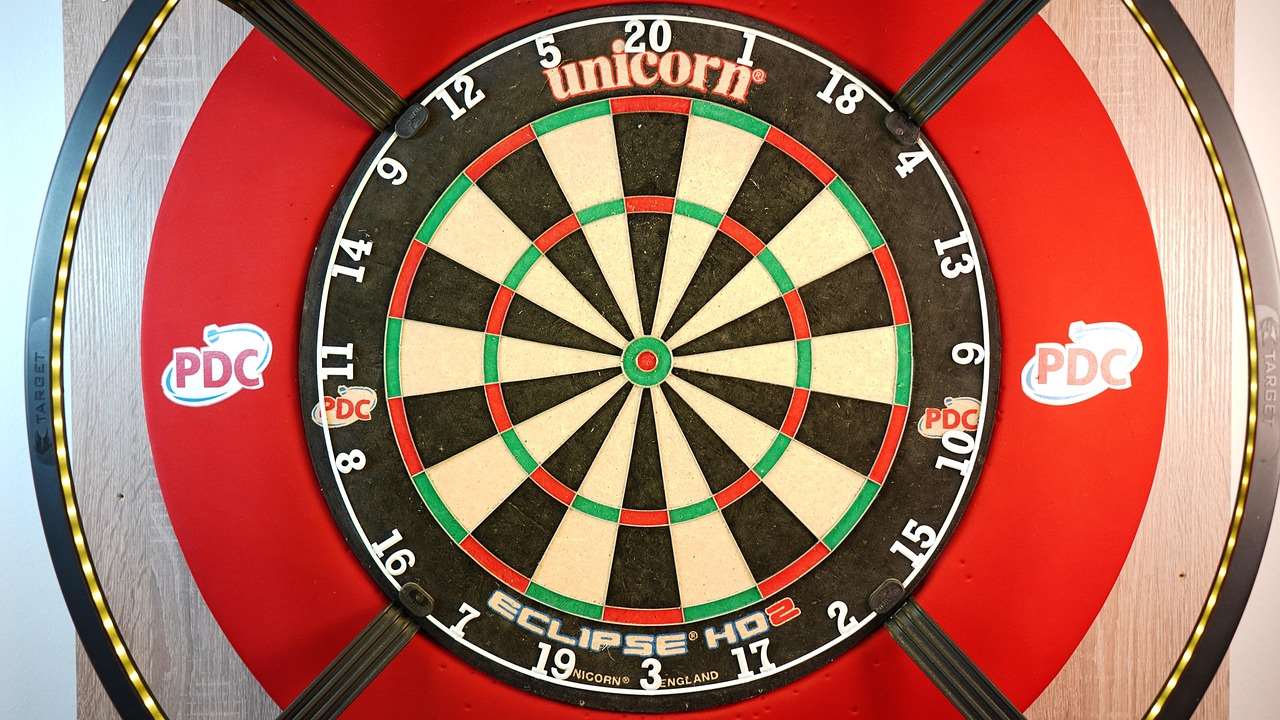
- Ring Lights: These lights encircle the dartboard, providing even illumination from all angles. They are effective at minimizing shadows and offer a sleek, modern look. Read more about Ring Light Dartboard Pros Cons.
- Overboard Lights: Mounted above the dartboard, these lights cast a downward beam of light. They are often adjustable, allowing you to direct the light precisely where you need it.
- Cabinet Lights: Designed specifically for dartboard cabinets, these lights integrate seamlessly into the cabinet’s design. They often feature built-in switches and adjustable brightness settings. Learn more about Cabinet Lighting For Dartboards.
- Clip-On Lights: These versatile lights can be clipped onto various surfaces, offering flexibility in positioning. They are a good option for temporary or portable dartboard setups.
- LED Strip Lights: While not specifically designed for dartboards, LED strip lights can be used to create a custom lighting solution. They offer a wide range of color options and can be easily cut to size. For more in-depth information check out LED Dartboard Lights Benefits.
Delving Deeper into LED Dartboard Lights
LED dartboard lights have become increasingly popular due to their energy efficiency, long lifespan, and bright, consistent illumination. They are also available in a variety of styles and price points, making them a versatile choice for any dart enthusiast. When choosing an LED light, pay attention to the lumen output (brightness) and color temperature to ensure it meets your needs.
Considering Halogen Dartboard Lighting
While less common than LEDs, halogen dartboard lighting offers a bright, focused beam of light. However, halogen bulbs consume more energy and generate more heat than LEDs, making them a less energy-efficient option. They also have a shorter lifespan.
Mounting and Positioning Your Dartboard Light
The way you mount and position your dartboard light can significantly impact its effectiveness. Here are some tips to consider:
- Placement: Position the light so that it illuminates the entire dartboard evenly, without casting harsh shadows. Experiment with different angles and distances to find the optimal placement.
- Stability: Ensure the light is securely mounted to prevent it from shifting or falling. Use appropriate mounting hardware and follow the manufacturer’s instructions carefully.
- Adjustability: Opt for a light with adjustable features, such as a swivel head or gooseneck arm, to allow you to fine-tune the light’s direction.
Proper installation and positioning are essential for maximizing the benefits of your dartboard light. Take your time and experiment to find the perfect setup. You might also check out How To Light Your Dartboard for additional information.
Brightness and Color Temperature: Getting it Right
As mentioned earlier, brightness and color temperature are crucial factors to consider when selecting a dartboard light. Here’s a closer look at each:
- Brightness (Lumens): Lumens measure the total amount of light emitted by a light source. For a dartboard light, aim for at least 800-1000 lumens to ensure sufficient illumination. Adjustable brightness settings are a bonus, allowing you to customize the light level to your preference.
- Color Temperature (Kelvin): Kelvin (K) measures the color appearance of light. A lower Kelvin value (e.g., 2700K) indicates a warm, yellowish light, while a higher Kelvin value (e.g., 6500K) indicates a cool, bluish light. For dartboard lighting, a neutral white light (around 4000K) is generally recommended for optimal visibility and color accuracy.
Minimizing Shadows: The Ultimate Goal
One of the primary purposes of a dartboard light is to minimize shadows. Shadows can obscure the dartboard’s segments, making it difficult to aim accurately. To minimize shadows:
- Use a Ring Light: Ring lights provide even illumination from all angles, effectively eliminating shadows.
- Position the Light Carefully: If using an overhead or cabinet light, experiment with different positions to find the angle that minimizes shadows.
- Diffuse the Light: Use a diffuser to soften the light and reduce harsh shadows.
- Consider Multiple Light Sources: Adding additional light sources from different angles can help to further minimize shadows.
Remember, the goal is to create a well-lit, shadow-free dartboard that allows you to focus on your game. Make sure you Reduce Dartboard Shadows Effectively for a more complete knowledge.
Budget Considerations and Finding the Best Value
Dartboard lights range in price from affordable to quite expensive. Setting a budget beforehand will help you narrow down your options and avoid overspending. However, keep in mind that quality and durability are important considerations. Investing in a higher-quality light may save you money in the long run by avoiding the need for frequent replacements. Look for lights that offer a good balance of features, performance, and price. Consider reading reviews and comparing prices from different retailers to find the best value. Don’t forget to Choose Best Dart Equipment for an amazing experience.
Maintenance and Care for Your Dartboard Light
To ensure your dartboard light continues to provide optimal performance, proper maintenance and care are essential. This includes:
- Cleaning: Regularly clean the light fixture and bulb with a soft, dry cloth to remove dust and dirt.
- Replacing Bulbs: Replace bulbs as needed, following the manufacturer’s instructions.
- Checking Connections: Periodically check the electrical connections to ensure they are secure and in good condition.
- Protecting from Damage: Avoid exposing the light to excessive moisture or extreme temperatures.
By following these simple maintenance tips, you can extend the lifespan of your dartboard light and keep it performing at its best. Discover your Types Optimal Dartboard Lighting today!
Conclusion: Illuminating Your Path to Darting Success
Choosing the right dartboard light is an important step in creating a well-equipped and enjoyable dart playing environment. By considering factors such as brightness, color temperature, mounting style, and budget, you can find the perfect light to suit your needs. Remember to prioritize minimizing shadows and ensuring even illumination across the dartboard. Ultimately, investing in quality dartboard lighting enhances your accuracy, reduces eye strain, and elevates your overall dart playing experience. Upgrade your setup today and see the difference!

Hi, I’m Dieter, and I created Dartcounter (Dartcounterapp.com). My motivation wasn’t being a darts expert – quite the opposite! When I first started playing, I loved the game but found keeping accurate scores and tracking stats difficult and distracting.
I figured I couldn’t be the only one struggling with this. So, I decided to build a solution: an easy-to-use application that everyone, no matter their experience level, could use to manage scoring effortlessly.
My goal for Dartcounter was simple: let the app handle the numbers – the scoring, the averages, the stats, even checkout suggestions – so players could focus purely on their throw and enjoying the game. It began as a way to solve my own beginner’s problem, and I’m thrilled it has grown into a helpful tool for the wider darts community.