Want to set up your dartboard like a pro? This Dartboard dimension infographic guide reveals the precise measurements and regulations you need to know, ensuring fair play and optimal performance. We’ll cover everything from dartboard height and distance to the surrounding clear space, so you can create the perfect darting setup at home or in your local pub.
⚠️ Still Using Pen & Paper (or a Chalkboard)?! ⚠️
Step into the future! The Dart Counter App handles all the scoring, suggests checkouts, and tracks your stats automatically. It's easier than you think!
Try the Smart Dart Counter App FREE!Ready for an upgrade? Click above!
Understanding Standard Dartboard Dimensions
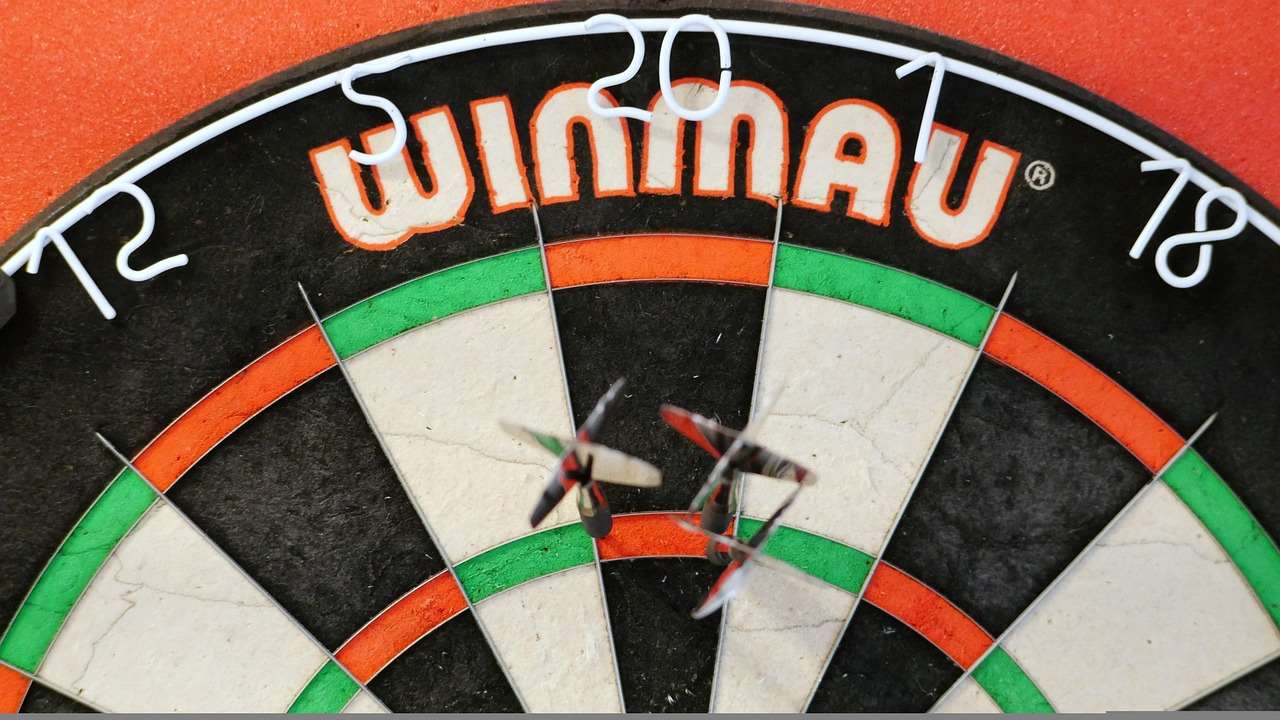
The official dimensions of a dartboard are carefully regulated to ensure fair competition. Deviations from these standards can significantly impact gameplay. So, let’s dive into the specifics.
- Diameter: A standard dartboard has a diameter of 17 ¾ inches (451 mm).
- Thickness: The thickness can vary slightly, but it’s generally around 1 ½ inches (38 mm).
- Bullseye: The bullseye is the central point of the dartboard.
- Double and Triple Rings: These rings are crucial for scoring and have specific dimensions and placements.
Knowing these basic dimensions is essential for setting up your dartboard correctly. It ensures that you and your opponents are playing under the same conditions.
Key Measurements: Height and Throwing Distance
Beyond the dartboard itself, proper installation height and throwing distance are crucial for consistent and accurate play. Getting these wrong can drastically affect your game. Let’s explore these measurements in detail.
Dartboard Height
The official height for hanging a dartboard is measured from the floor to the center of the bullseye. Here are the standard measurements:
- Metric: 1.73 meters (173 cm)
- Imperial: 5 feet 8 inches (68 inches)
This height is consistent across all professional and amateur darting competitions. Always double-check this measurement, especially if you’re setting up a dartboard in a new location.
Throwing Distance (Oche)
The throwing distance, also known as the oche or toe line, is the distance a player must stand from the dartboard when throwing. Here are the standard measurements:
- Metric: 2.37 meters (237 cm)
- Imperial: 7 feet 9 ¼ inches (96.25 inches)
This distance is measured from the face of the dartboard (vertically below the bullseye) to the front edge of the oche. Ensure the oche is clearly marked and positioned accurately. You can find more information about Basic Darts Fundamentals for Beginners on our website.
Creating a Safe and Functional Dartboard Setup
Setting up a dartboard isn’t just about the dimensions; it’s also about safety and functionality. Here’s what to consider to create an optimal darting environment.
Wall Protection
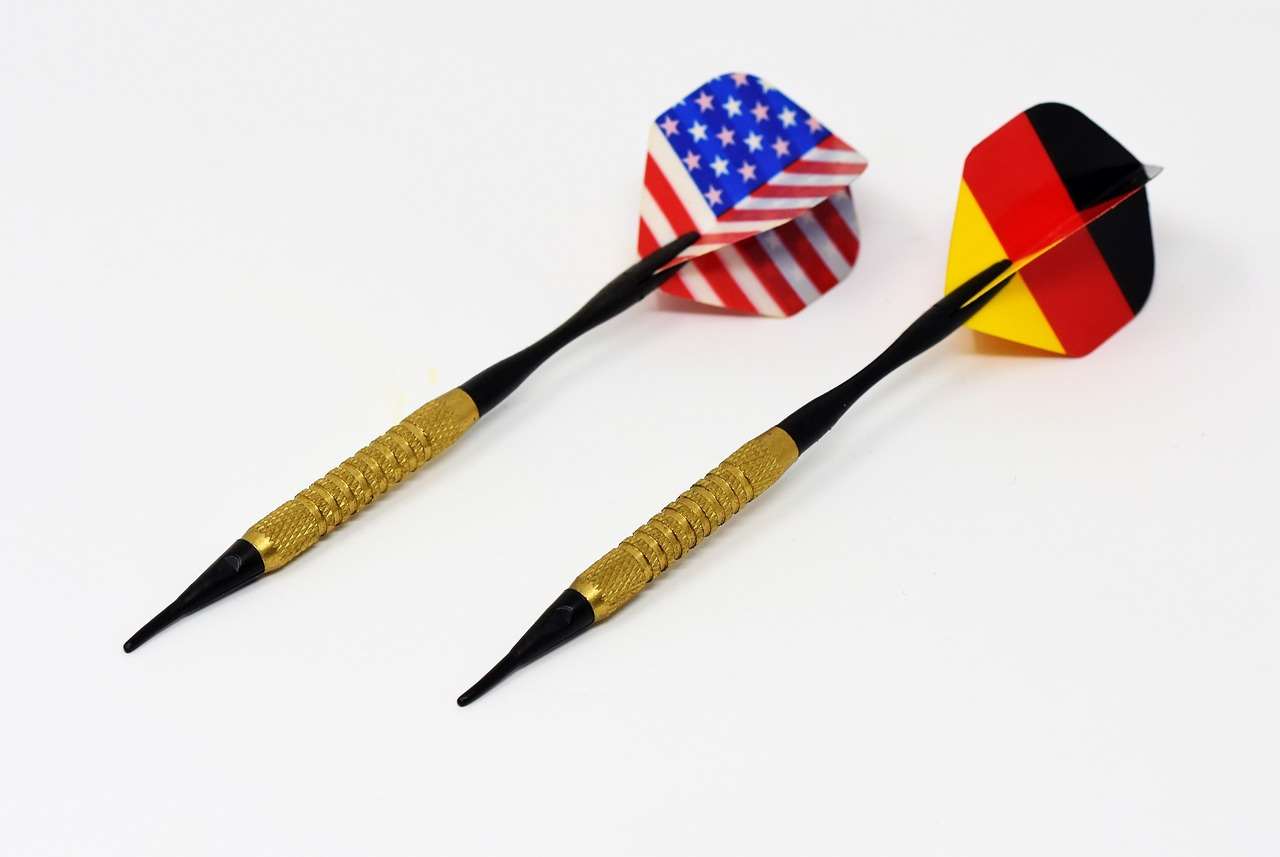
Protecting the wall behind your dartboard is essential. Errant darts can cause damage. Consider these options:
- Dartboard Surround: A purpose-built surround catches stray darts and protects the wall.
- Corkboard Backing: A large corkboard behind the dartboard offers excellent protection.
- DIY Backboard: You can create a custom backboard using plywood and padding.
Investing in wall protection saves you from costly repairs and keeps your playing area looking pristine.
Lighting
Good lighting is crucial for visibility and accuracy. Shadows can make it difficult to aim properly. Here are some lighting tips:
- Overhead Lighting: Install a light fixture directly above the dartboard.
- Surround Lighting: Many dartboard surrounds come with integrated lighting systems.
- Adjustable Lighting: Use adjustable lights to eliminate shadows and glare.
Proper lighting enhances your darting experience and improves your accuracy.
Floor Protection
Protecting your floor from dropped darts is also important. Consider these options:
- Dart Mat: A dart mat provides cushioning and protects the floor from scratches and dents.
- Rubber Matting: Rubber matting offers excellent protection and is easy to clean.
A dart mat also provides a consistent throwing surface.
Understanding Dartboard Anatomy
To truly understand the significance of dartboard dimension infographic guide, it’s important to familiarize yourself with the various sections of the dartboard and their corresponding point values.
The Bullseye
The bullseye is the central circle of the dartboard and is divided into two sections:
- Outer Bull (Green): Worth 25 points.
- Inner Bull (Red): Worth 50 points. Often referred to as the “double bull” or “bull.”
The Numbered Segments
The dartboard is divided into 20 numbered segments, ranging from 1 to 20. Each segment is further divided into:
- Single Area: The main area of each segment, worth the corresponding number.
- Double Ring: The outer ring, worth double the corresponding number.
- Triple Ring: The inner ring, worth triple the corresponding number.
Understanding these sections is vital for strategic play and maximizing your score.

Beyond the Basics: Fine-Tuning Your Setup
Once you’ve established the basic dimensions and safety measures, you can fine-tune your setup to suit your personal preferences and playing style.
Oche Placement Adjustments
While the standard oche distance is 7 feet 9 ¼ inches, some players prefer to adjust it slightly. Experiment to find what feels most comfortable and natural for your throw. Small adjustments can sometimes make a big difference in consistency.
Dartboard Material and Maintenance
Dartboards are typically made from sisal fibers. Regular rotation of the dartboard helps to evenly distribute wear and tear, prolonging its lifespan. Avoid using excessive force when throwing darts, as this can damage the board.
Lighting Calibration
Experiment with different lighting angles and intensities to find the optimal setup for your visual comfort. Too much glare or shadows can negatively impact your accuracy.
Troubleshooting Common Setup Issues
Even with careful planning, you might encounter some common issues during dartboard setup. Here’s how to troubleshoot them.
Wobbly Dartboard
If your dartboard wobbles, ensure it’s securely mounted to the wall. Use shims to level the board if necessary. A stable dartboard is essential for accurate play.
Incorrect Height
Double-check the height measurement from the floor to the bullseye. An incorrect height can throw off your throwing motion and affect your accuracy. Use a measuring tape and level to ensure accuracy.
Oche Slippage
If your oche keeps slipping, secure it with tape or adhesive. A non-slip oche is crucial for maintaining a consistent throwing distance. Consider using a purpose-built oche mat.
Using a Dartboard Dimension Infographic Guide for Perfect Setup
A Dartboard dimension infographic guide is an invaluable tool for ensuring accurate dartboard setup. These guides visually represent the key measurements and provide step-by-step instructions, making the process easier to understand and follow.
- Visual Aid: Infographics provide a clear visual representation of the dimensions.
- Easy to Understand: They simplify complex information into easily digestible chunks.
- Step-by-Step Instructions: Many infographics include step-by-step instructions for setup.
Look for a reliable Dartboard dimension infographic guide online or in darting supply stores. These guides are a must-have for any serious dart player. We also encourage players to explore alternative darts rules for home play.
Advanced Tips for Dartboard Maintenance and Longevity
Regular Rotation
One of the most important tips for extending the life of your dartboard is to rotate it regularly. This ensures that all sections of the board receive equal wear and tear, preventing excessive damage to specific areas, like the 20 or bullseye.
Dart Tip Maintenance
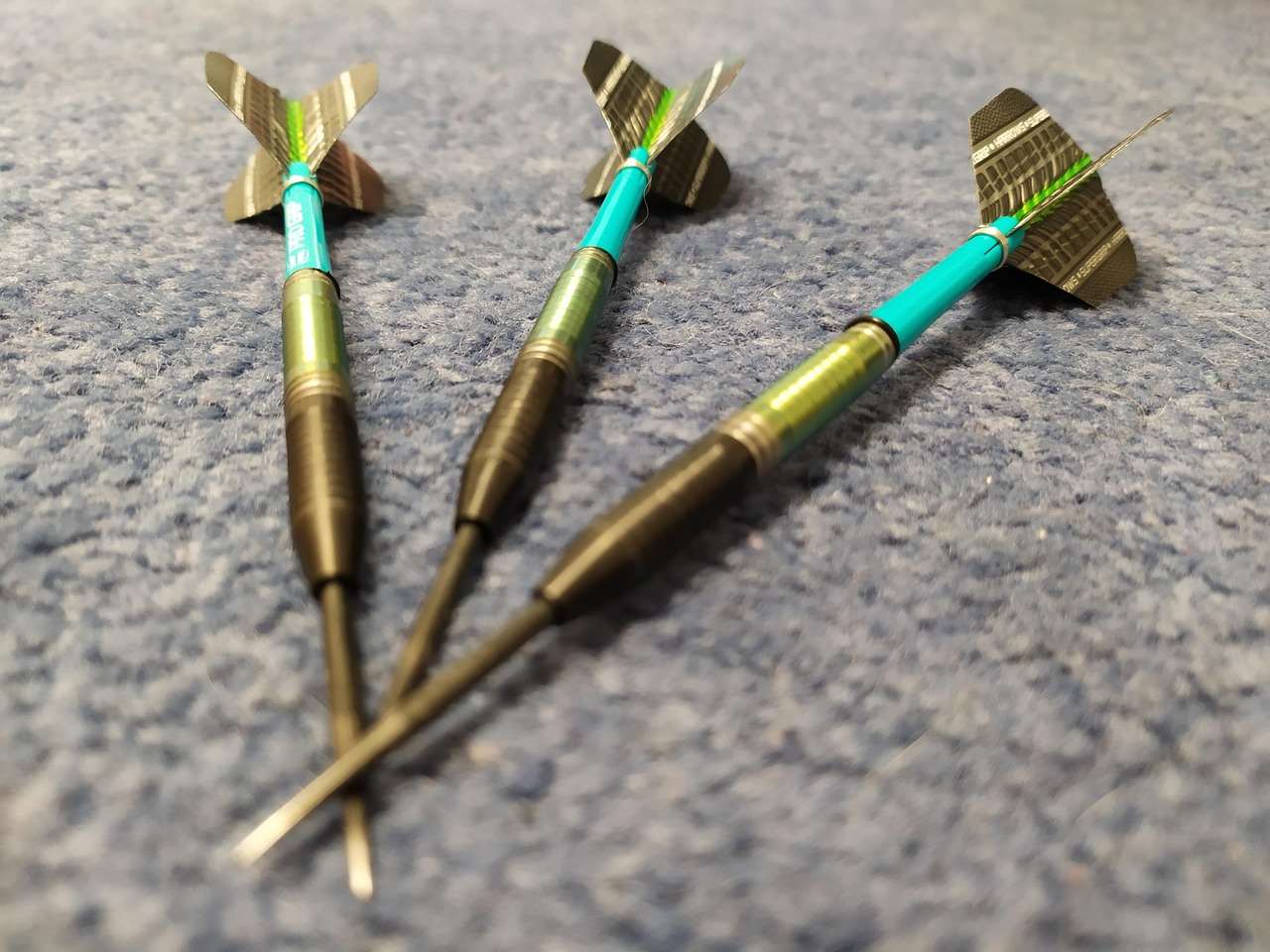
Keep your dart tips sharp and clean. Dull or burred tips can damage the sisal fibers, leading to premature wear and tear. Use a dart sharpener regularly and clean your tips with a soft cloth.
Humidity Control
Extreme humidity can affect the sisal fibers, causing them to swell or shrink. Maintain a consistent humidity level in your playing area to prevent damage to the dartboard.
The Importance of Consistent Practice
Regardless of how perfectly your dartboard is set up, consistent practice is essential for improving your darting skills. Dedicate time to practice regularly, focusing on your technique and accuracy. Consider joining a local dart league for competitive play and to hone your skills.
Remember that adapting the rules can bring a new level of fun and enjoyment, especially when playing with different skill levels. Perhaps you would find the article Adapting darts rules for beginners useful.
Conclusion: Achieving Dartboard Perfection
Setting up a dartboard correctly is crucial for fair play, accurate scoring, and an enjoyable darting experience. This Dartboard dimension infographic guide has covered everything you need to know, from standard dimensions and safety measures to advanced tips for maintenance and longevity. By following these guidelines, you can create the perfect darting setup at home or in your local pub.
So, grab your darts, follow this Dartboard dimension infographic guide, and start playing! Invest in the right equipment, take the time to set everything up correctly, and practice consistently. You’ll be hitting those bullseyes in no time! Now that you have the knowledge, why not implement it right away? Get started on perfecting your dartboard setup today!

Hi, I’m Dieter, and I created Dartcounter (Dartcounterapp.com). My motivation wasn’t being a darts expert – quite the opposite! When I first started playing, I loved the game but found keeping accurate scores and tracking stats difficult and distracting.
I figured I couldn’t be the only one struggling with this. So, I decided to build a solution: an easy-to-use application that everyone, no matter their experience level, could use to manage scoring effortlessly.
My goal for Dartcounter was simple: let the app handle the numbers – the scoring, the averages, the stats, even checkout suggestions – so players could focus purely on their throw and enjoying the game. It began as a way to solve my own beginner’s problem, and I’m thrilled it has grown into a helpful tool for the wider darts community.