Ensuring proper dartboard care is crucial for extending its lifespan and maintaining optimal playing conditions; regular rotation and maintenance are key. This article covers everything you need to know about cleaning, rotating, and protecting your dartboard for years of enjoyment.
⚠️ Still Using Pen & Paper (or a Chalkboard)?! ⚠️
Step into the future! The Dart Counter App handles all the scoring, suggests checkouts, and tracks your stats automatically. It's easier than you think!
Try the Smart Dart Counter App FREE!Ready for an upgrade? Click above!
The Importance of Dartboard Care
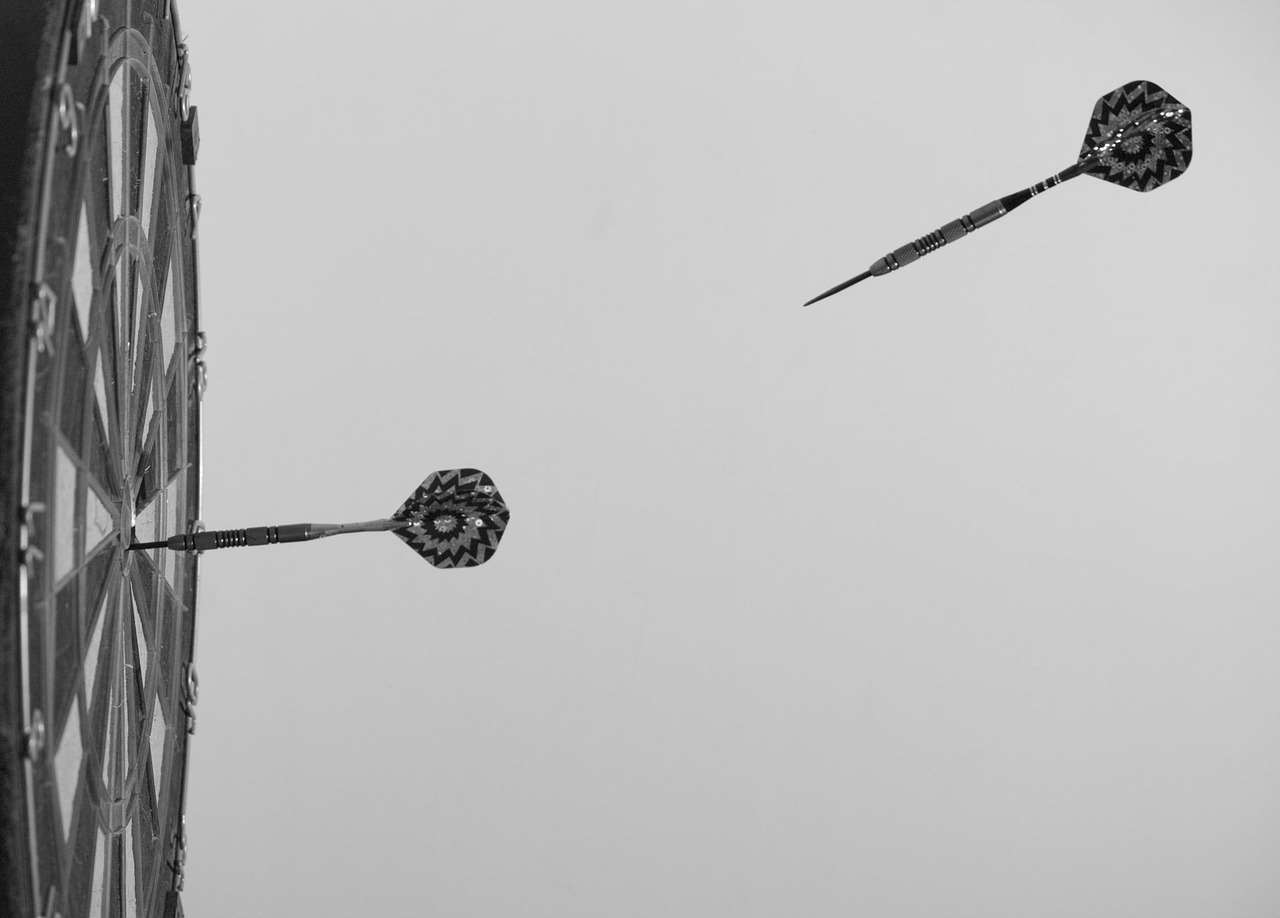
A well-maintained dartboard not only looks better but also performs better. Neglecting dartboard care can lead to premature wear and tear, causing soft spots, bounce-outs, and ultimately, a shorter lifespan. Investing a little time and effort into proper upkeep will save you money in the long run. It’s essential to understand that simple steps like rotating the board can significantly impact its durability. Think of it like rotating the tires on your car – it ensures even wear and extends the life of the product.
Consider this: a neglected dartboard might only last a year or two with regular play. A properly cared-for board, on the other hand, can easily last five years or more, depending on the quality of the board and the frequency of use. This difference highlights the significant return on investment you get from practicing good dartboard maintenance.
Essential Dartboard Care Techniques
Several techniques can help you maintain your dartboard and prolong its life. These include regular rotation, proper lighting, humidity control, and using the correct type of darts. Let’s delve into each of these aspects in more detail.
Rotating Your Dartboard Regularly
One of the simplest and most effective ways to extend the life of your dartboard is to rotate it regularly. This helps to distribute the wear evenly across the entire surface of the board. The sections that receive the most darts, such as the 20, 19, and 3 sections, will start to show wear more quickly than other areas. By rotating the board, you give these sections a break and allow other, less frequently hit sections to absorb some of the impact. Regular rotation also helps prevent the sisal fibers from becoming overly compressed in certain areas, which can lead to bounce-outs.
How often should you rotate your board? A good rule of thumb is to rotate it every week or two if you play frequently. If you only play occasionally, you can rotate it less often, perhaps once a month. When rotating, simply loosen the mounting hardware, turn the board a fraction (e.g., moving the 20 to where the 3 used to be), and then tighten the hardware again. Consider the frequency of dart playing in your rotation schedule.
Maintaining Optimal Lighting Conditions
Proper lighting is crucial for both gameplay and dartboard care. Poor lighting can lead to inaccurate throws, which can increase the likelihood of hitting the wire spider and damaging the sisal fibers around it. Good lighting ensures that you can clearly see the target and throw with confidence.
Ideally, you want a lighting system that illuminates the entire dartboard evenly, without casting any shadows. This can be achieved with a dedicated dartboard lighting system, such as a circular light that mounts around the board or a set of spotlights that are positioned above and to the sides of the board. Make sure the lighting is bright enough to see the board clearly, but not so bright that it causes glare. If you are considering darts setup with stand you might also consider lighting too.
Controlling Humidity and Temperature
Extreme humidity and temperature fluctuations can also damage your dartboard. High humidity can cause the sisal fibers to swell, while low humidity can cause them to dry out and crack. Similarly, extreme temperatures can cause the board to warp or become brittle. To protect your dartboard, it’s best to keep it in a room with stable humidity and temperature levels.
Avoid placing your dartboard in direct sunlight or near a heat source, such as a radiator or fireplace. If you live in a humid climate, consider using a dehumidifier to keep the humidity levels in your game room under control. Conversely, if you live in a dry climate, you may need to use a humidifier to add moisture to the air. Maintaining a consistent environment can extend the dartboard’s longevity.
Choosing the Right Darts
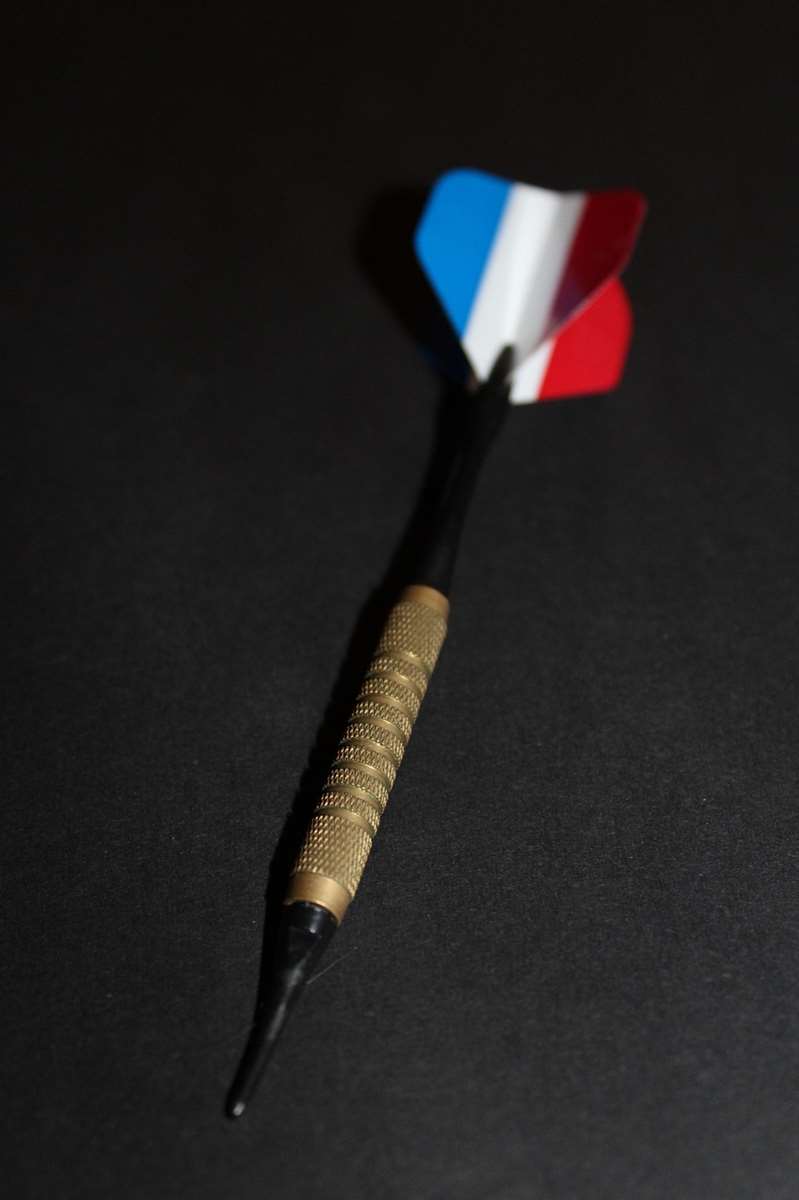
The type of darts you use can also impact the lifespan of your dartboard. Darts with sharp, well-maintained points are less likely to damage the sisal fibers than darts with dull or bent points. Dull points tend to tear the fibers, while sharp points tend to slide between them.
Inspect your dart points regularly and sharpen them as needed using a dart sharpener. Also, avoid using darts that are too heavy or too light, as these can also put unnecessary stress on the board. The correct dart weight for a beginner is something you should consider.
Advanced Dartboard Maintenance
Beyond the basic dartboard care techniques, there are a few more advanced steps you can take to keep your board in top condition. These include cleaning the board regularly, repairing any damage to the sisal fibers, and using a dartboard surround to protect the surrounding walls.
Cleaning Your Dartboard

Over time, dust and debris can accumulate on your dartboard, which can affect its performance. Cleaning the board regularly can help to remove this buildup and keep it looking its best. However, it’s important to clean your dartboard carefully to avoid damaging the sisal fibers. Here is Practice darts app with scoring (https://dartcounterapp.com/).
The best way to clean your dartboard is to use a soft brush or a vacuum cleaner with a brush attachment. Gently brush the surface of the board in a circular motion to remove any loose dust or debris. Avoid using water or any other cleaning solutions, as these can damage the sisal fibers. For more stubborn dirt, you can try using a slightly damp cloth, but be sure to dry the board thoroughly afterwards. A good schedule for cleaning your board is every 2-3 months, depending on how frequently you play. Consider cleaning your dartboard every season.
Repairing Sisal Fiber Damage
Despite your best efforts, your dartboard may eventually sustain some damage to the sisal fibers. This can include small holes or tears caused by errant darts. Fortunately, it’s often possible to repair this damage and extend the life of your board.
For small holes, you can try using a dart point or a small screwdriver to gently push the surrounding fibers back into place. For larger tears, you may need to use a small amount of glue to hold the fibers together. Be sure to use a glue that is specifically designed for use on sisal, and apply it sparingly. Allow the glue to dry completely before using the board again.
Using a Dartboard Surround
A dartboard surround is a protective ring that surrounds the dartboard and helps to protect the surrounding walls from errant darts. This is especially useful if you have children or inexperienced players who are more likely to miss the board. Surrounds are typically made of foam or rubber and are easy to install. They can also add a touch of style to your game room. Think of this as investing in your room’s walls.
Choosing the Right Dartboard
While proper dartboard care is essential for extending the life of your board, it’s also important to choose a high-quality dartboard in the first place. Not all dartboards are created equal, and some are more durable and resistant to wear and tear than others.
Types of Dartboards
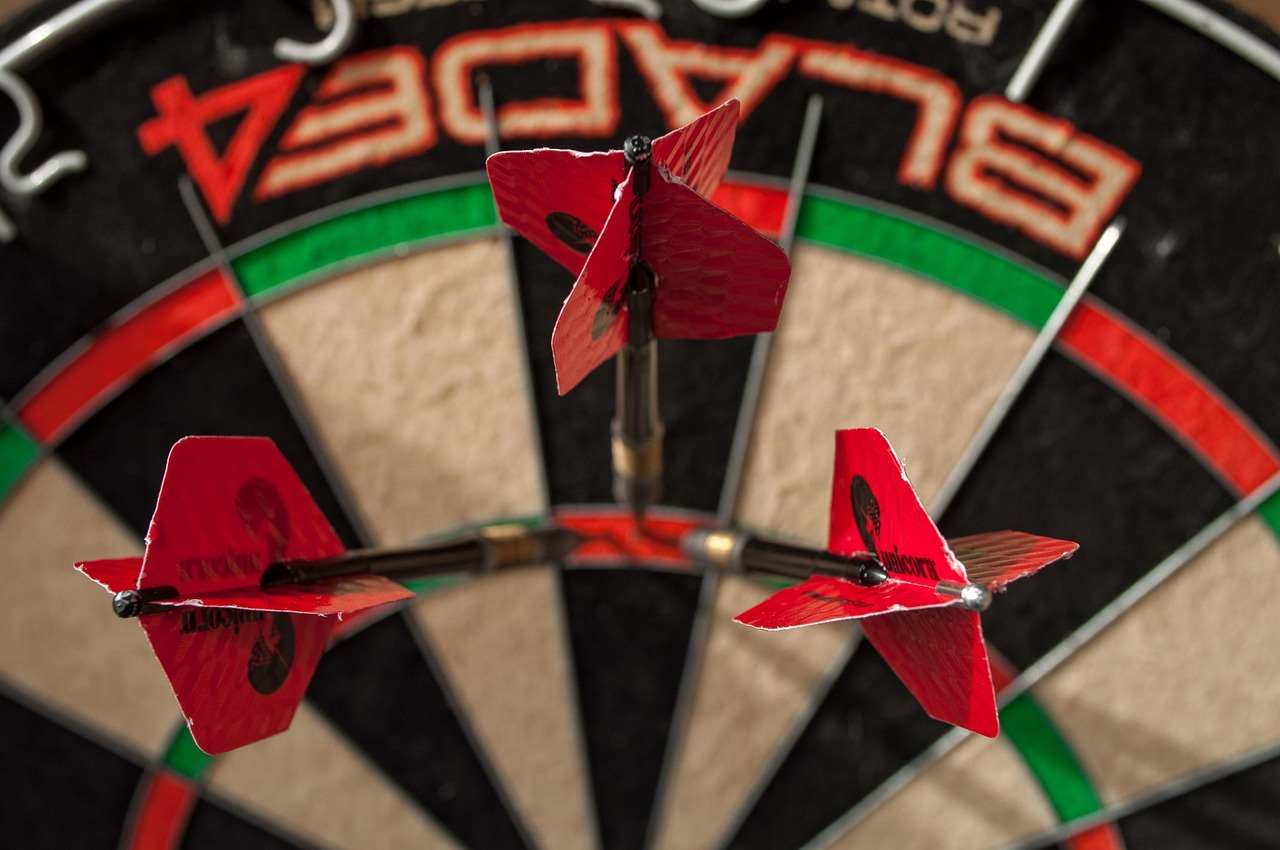
There are several different types of dartboards available, including sisal dartboards, electronic dartboards, and paper dartboards. Sisal dartboards are generally considered to be the highest quality and are the preferred choice of professional dart players. They are made from tightly packed sisal fibers, which are durable and self-healing. Electronic dartboards are a good option for beginners, as they automatically score the game and eliminate the need for manual scoring. Paper dartboards are the cheapest option, but they are not very durable and are best suited for casual play.
Features to Look For
When choosing a sisal dartboard, there are a few key features to look for. First, make sure that the board is made from high-quality sisal fibers. The fibers should be tightly packed and free from any gaps or imperfections. Second, check the thickness of the board. A thicker board will generally be more durable than a thinner board. Third, look for a board with a thin wire spider. This will help to reduce bounce-outs and protect the sisal fibers.
Recommended Brands
There are many different brands of dartboards available, but some are more reputable than others. Some of the most popular and highly regarded brands include Winmau, Unicorn, and Nodor. These brands are known for producing high-quality dartboards that are durable and long-lasting.
Troubleshooting Common Dartboard Problems
Even with proper dartboard care, you may encounter some common problems from time to time. These can include bounce-outs, soft spots, and loose wires. Fortunately, most of these problems can be easily fixed with a little bit of know-how.
Dealing with Bounce-Outs
Bounce-outs occur when a dart hits the wire spider and bounces out of the board instead of sticking. This can be frustrating, but there are a few things you can do to reduce the likelihood of bounce-outs. First, make sure that your dart points are sharp and well-maintained. Dull points are more likely to bounce off the wire. Second, try using darts with thinner barrels. Thinner barrels are less likely to hit the wire. Third, make sure that your dartboard is mounted securely and is not wobbling or vibrating. You can also try darts hollywood finish.
Addressing Soft Spots
Soft spots are areas on the dartboard where the sisal fibers have become compressed or damaged. These areas are more likely to cause bounce-outs and can also affect the accuracy of your throws. To address soft spots, you can try rotating the board more frequently or using a dart point to gently push the surrounding fibers back into place. If the soft spot is severe, you may need to replace the board.
Tightening Loose Wires
Over time, the wires on your dartboard may become loose, which can also cause bounce-outs. To tighten loose wires, you can use a pair of pliers to gently crimp the wire clips that hold the wires in place. Be careful not to over-tighten the clips, as this can damage the wires. If the wires are severely damaged or corroded, you may need to replace them.
Frequently Asked Questions About Dartboard Care
Here are some frequently asked questions about dartboard care:
- How often should I rotate my dartboard? Rotate your dartboard every 1-2 weeks if you play frequently, or once a month if you play occasionally.
- How do I clean my dartboard? Use a soft brush or vacuum cleaner with a brush attachment to gently remove dust and debris. Avoid using water or cleaning solutions.
- How do I sharpen my dart points? Use a dart sharpener to sharpen your dart points regularly.
- What is a dartboard surround? A dartboard surround is a protective ring that surrounds the dartboard and helps to protect the surrounding walls from errant darts.
- How do I fix a soft spot on my dartboard? Try rotating the board more frequently or using a dart point to gently push the surrounding fibers back into place.
Dartboard Care: Long-Term Storage
If you need to store your dartboard for an extended period, it’s important to take some precautions to protect it from damage. First, clean the board thoroughly to remove any dust or debris. Second, wrap the board in a protective cover, such as a plastic bag or a sheet of cloth. Third, store the board in a cool, dry place, away from direct sunlight and extreme temperatures. Also consider installing a dartboard cabinet to help protect your dartboard.
Conclusion: Prioritizing Dartboard Care
Proper dartboard care is essential for extending the life of your dartboard and maintaining optimal playing conditions. By following the techniques outlined in this article, including regular rotation, proper lighting, humidity control, and using the right type of darts, you can keep your dartboard in top condition for years to come. Remember that a little effort in maintenance will greatly extend the lifespan of your dartboard and ensure more consistent performance. Start implementing these dartboard maintenance strategies today, and enjoy countless games of darts!

Hi, I’m Dieter, and I created Dartcounter (Dartcounterapp.com). My motivation wasn’t being a darts expert – quite the opposite! When I first started playing, I loved the game but found keeping accurate scores and tracking stats difficult and distracting.
I figured I couldn’t be the only one struggling with this. So, I decided to build a solution: an easy-to-use application that everyone, no matter their experience level, could use to manage scoring effortlessly.
My goal for Dartcounter was simple: let the app handle the numbers – the scoring, the averages, the stats, even checkout suggestions – so players could focus purely on their throw and enjoying the game. It began as a way to solve my own beginner’s problem, and I’m thrilled it has grown into a helpful tool for the wider darts community.