Properly understanding dartboard cabinet mounting rules is crucial for an enjoyable and safe darts experience. This article provides a comprehensive guide to accurately mounting your dartboard cabinet, ensuring regulation height, proper alignment, and stability for countless games. We’ll cover everything from measuring techniques to cabinet installation, helping you create the perfect darts setup.
⚠️ Still Using Pen & Paper (or a Chalkboard)?! ⚠️
Step into the future! The Dart Counter App handles all the scoring, suggests checkouts, and tracks your stats automatically. It's easier than you think!
Try the Smart Dart Counter App FREE!Ready for an upgrade? Click above!
Understanding Official Dartboard Dimensions and Mounting Heights
Before you even think about drilling holes, it’s essential to understand the official regulations set by organizations like the World Darts Federation (WDF). Adhering to these standards ensures fair play and provides a consistent experience, whether you’re practicing solo or competing with friends. These regulations are important for anyone interested in the dartboard cabinet mounting rules.
- Dartboard Height: The center of the bullseye should be exactly 5 feet 8 inches (1.73 meters) from the floor. This is a crucial measurement, so double-check it!
- Throwing Distance (Oche): The official throwing distance, measured from the face of the dartboard to the leading edge of the oche (throwing line), is 7 feet 9 1/4 inches (2.37 meters). Note that the throw line is not measured from the wall behind the dartboard.
- Diagonal Distance: The diagonal distance from the bullseye to the oche is 9 feet 7 3/8 inches (2.93 meters). While not essential for mounting, it’s a helpful measurement for confirming your setup’s accuracy.
Failing to adhere to these dimensions can significantly impact your game, making it harder to develop consistent throwing techniques. It’s not just about following rules; it’s about creating an optimal environment for improvement.
Step-by-Step Guide to Dartboard Cabinet Mounting
Now that you know the official dimensions, let’s move on to the practical steps of mounting your dartboard cabinet. This process is straightforward but requires precision and the right tools.
- Gather Your Tools: You’ll need a measuring tape, level, pencil, drill, appropriate drill bits for your wall type (wood, drywall, brick), wall anchors (if necessary), screws, and possibly a stud finder. A helper can also be invaluable.
- Locate the Bullseye Point: Measure 5 feet 8 inches (1.73 meters) from the floor and mark this point on the wall. This is where the center of your bullseye will be. Use a level to ensure the mark is perfectly vertical.
- Position the Cabinet: Center the dartboard cabinet around the marked bullseye point. Most cabinets have pre-drilled holes for mounting. Use a pencil to mark the locations of these holes on the wall.
- Drill Pilot Holes: Using the appropriate drill bit for your wall type, drill pilot holes at the marked locations. If you’re drilling into drywall and not hitting a stud, you’ll need to use wall anchors.
- Install Wall Anchors (If Needed): Insert wall anchors into the pilot holes. Ensure they are flush with the wall surface.
- Mount the Cabinet: Align the cabinet’s mounting holes with the pilot holes (or wall anchors). Secure the cabinet to the wall using screws. Ensure the cabinet is level before fully tightening the screws.
- Install the Dartboard: Most dartboard cabinets come with a dartboard mounting bracket. Follow the manufacturer’s instructions to install the bracket on the back of the dartboard. Then, hang the dartboard on the cabinet.
- Double-Check Measurements: Once everything is installed, double-check that the bullseye is still at 5 feet 8 inches and the throwing distance is correct. Make any necessary adjustments.
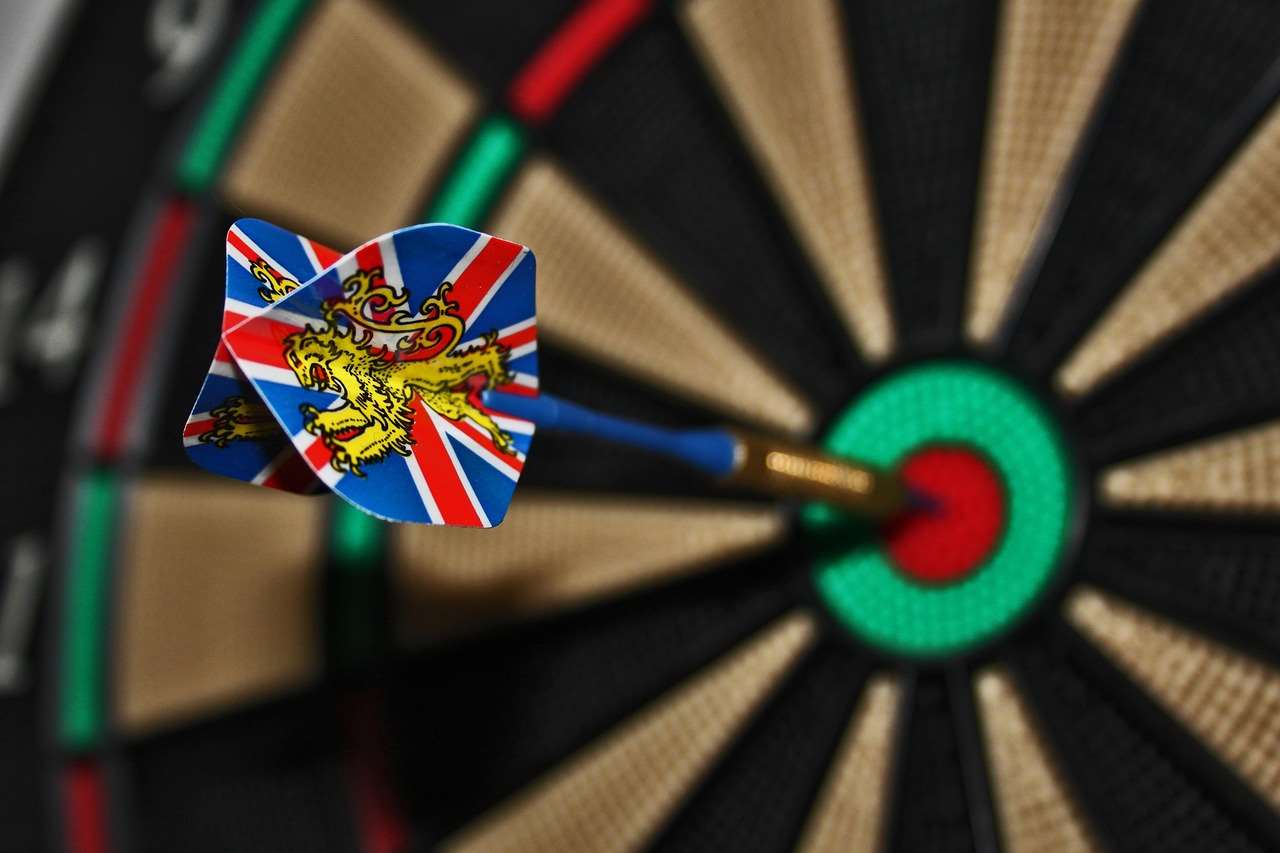
Remember to consider the type of wall you’re mounting to. Drywall requires wall anchors to provide sufficient support, while wood studs offer a more secure mounting point. Brick or concrete walls require specialized drill bits and anchors.
Choosing the Right Location for Your Dartboard Cabinet
Selecting the right location for your dartboard cabinet is just as important as the mounting process itself. Consider these factors to ensure an optimal playing experience and minimize potential damage.
- Clear Space: Ensure you have enough clear space in front of the dartboard for players to throw comfortably. At least 8-10 feet of unobstructed space is ideal.
- Wall Protection: Darts occasionally miss the board, so protect the surrounding wall with a backboard or dartboard surround. This will prevent damage and save you from having to repaint frequently.
- Lighting: Good lighting is essential for accurate throwing. Position your dartboard cabinet in a well-lit area or install dedicated dartboard lighting.
- Traffic Flow: Avoid placing the dartboard cabinet in a high-traffic area where people might accidentally walk in front of the thrower.
- Floor Protection: Consider placing a dart mat on the floor to protect it from dropped darts and provide a comfortable throwing surface.
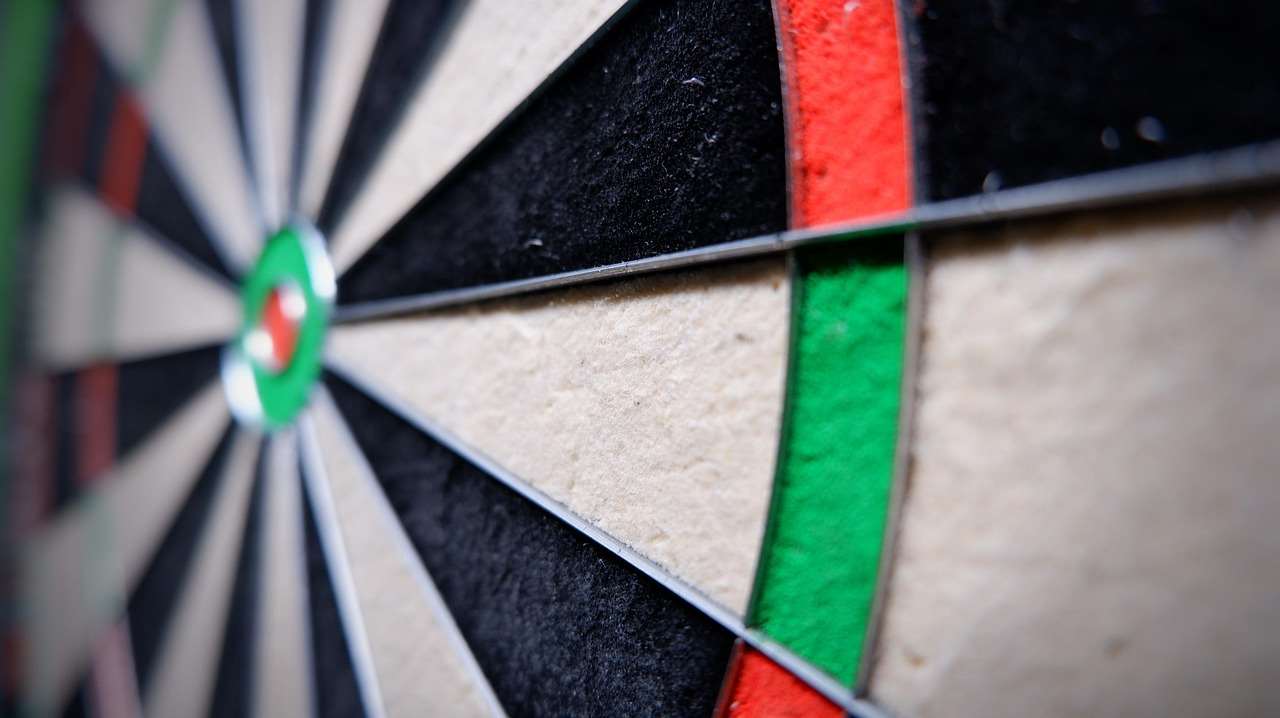
Think about the long-term use of the area. Will you be playing regularly? Will others be joining you? These considerations will help you choose the best location for your dartboard cabinet.
Dartboard Cabinet Mounting Rules: Avoiding Common Mistakes
Even with careful planning, mistakes can happen during the mounting process. Here are some common errors to avoid:
- Incorrect Measurements: Double and triple-check your measurements to ensure accuracy. A small error can significantly impact your game.
- Using the Wrong Wall Anchors: Using inappropriate wall anchors can lead to the cabinet falling off the wall. Choose anchors that are designed for the weight of the cabinet and your wall type.
- Failing to Use a Level: An unlevel dartboard can be frustrating to play on. Use a level to ensure the cabinet is perfectly vertical.
- Over-Tightening Screws: Over-tightening screws can strip the screw holes or damage the cabinet. Tighten the screws until they are snug, but not excessively tight.
- Ignoring Safety Precautions: Always wear safety glasses when drilling to protect your eyes from debris. Be careful when using power tools and follow the manufacturer’s instructions.
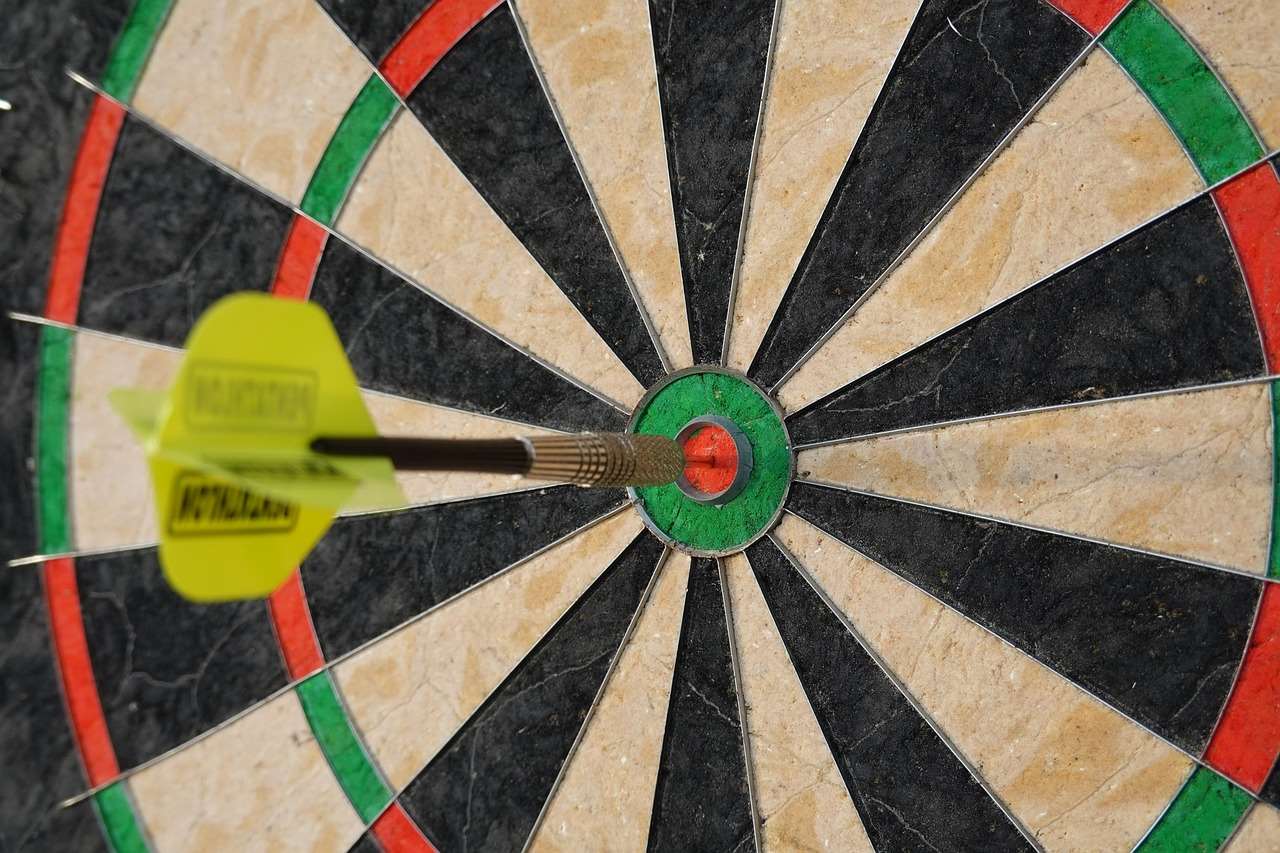
Taking your time and paying attention to detail can help you avoid these common mistakes and ensure a successful mounting experience. If you’re unsure about any step, consider consulting a professional.
Essential Accessories for Your Dartboard Setup
Once your dartboard cabinet is mounted, consider adding these accessories to enhance your playing experience:
- Dartboard Surround: Protects the wall around the dartboard from stray darts.
- Dartboard Lighting: Provides consistent and bright illumination for optimal visibility.
- Dart Mat: Protects the floor and provides a comfortable throwing surface.
- Darts: Invest in a good set of darts that suits your throwing style.
- Dart Sharpener: Keeps your dart points sharp for better grip on the board.
- Scoreboard: Helps you keep track of scores during games.
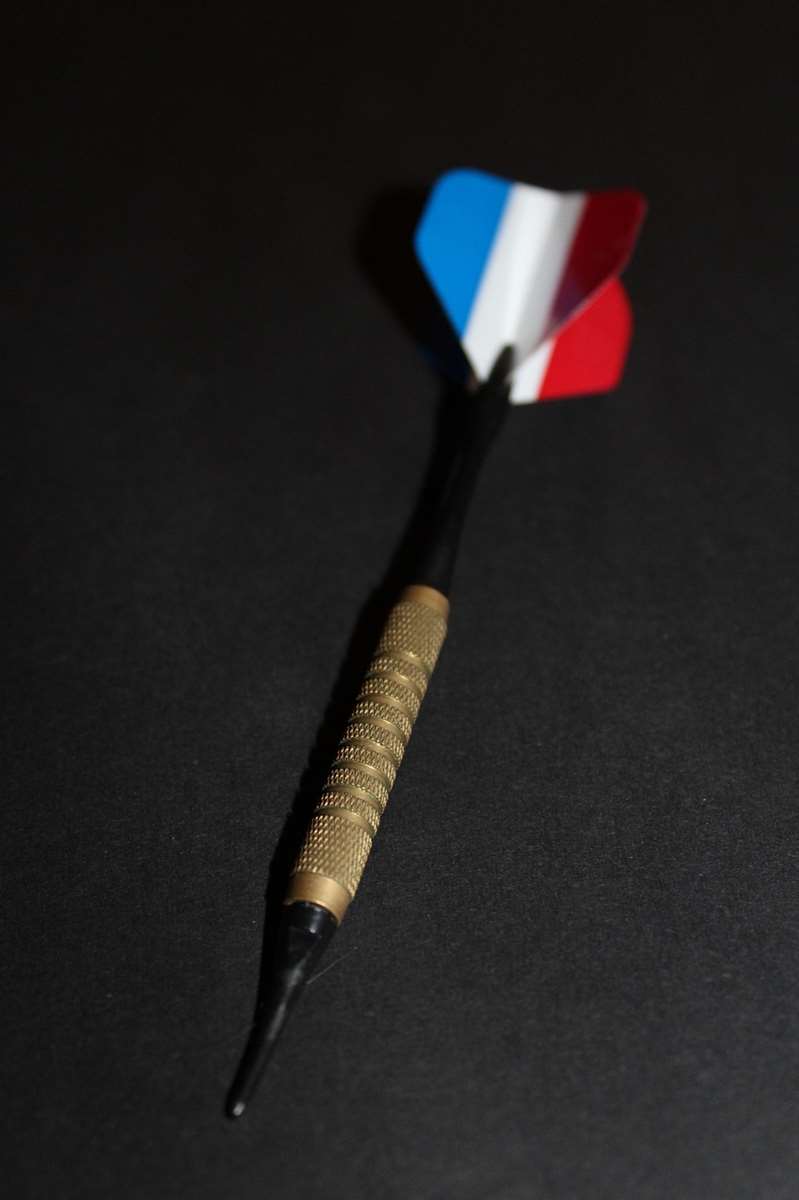
These accessories can improve your accuracy, protect your surroundings, and make playing darts more enjoyable. Consider them as essential additions to your setup, especially as you improve your game and consider Simplified 501 game rules for novice players.
Maintaining Your Dartboard and Cabinet
Proper maintenance will extend the life of your dartboard and cabinet, ensuring years of enjoyment. Here are some tips:
- Rotate the Dartboard: Regularly rotate the dartboard to distribute wear evenly. This will prevent certain sections from becoming overly worn.
- Clean the Dartboard: Periodically clean the dartboard with a soft brush to remove dust and debris.
- Tighten Loose Screws: Check the cabinet’s screws regularly and tighten any that have become loose.
- Protect from Moisture: Keep the dartboard and cabinet away from excessive moisture, which can damage the materials.
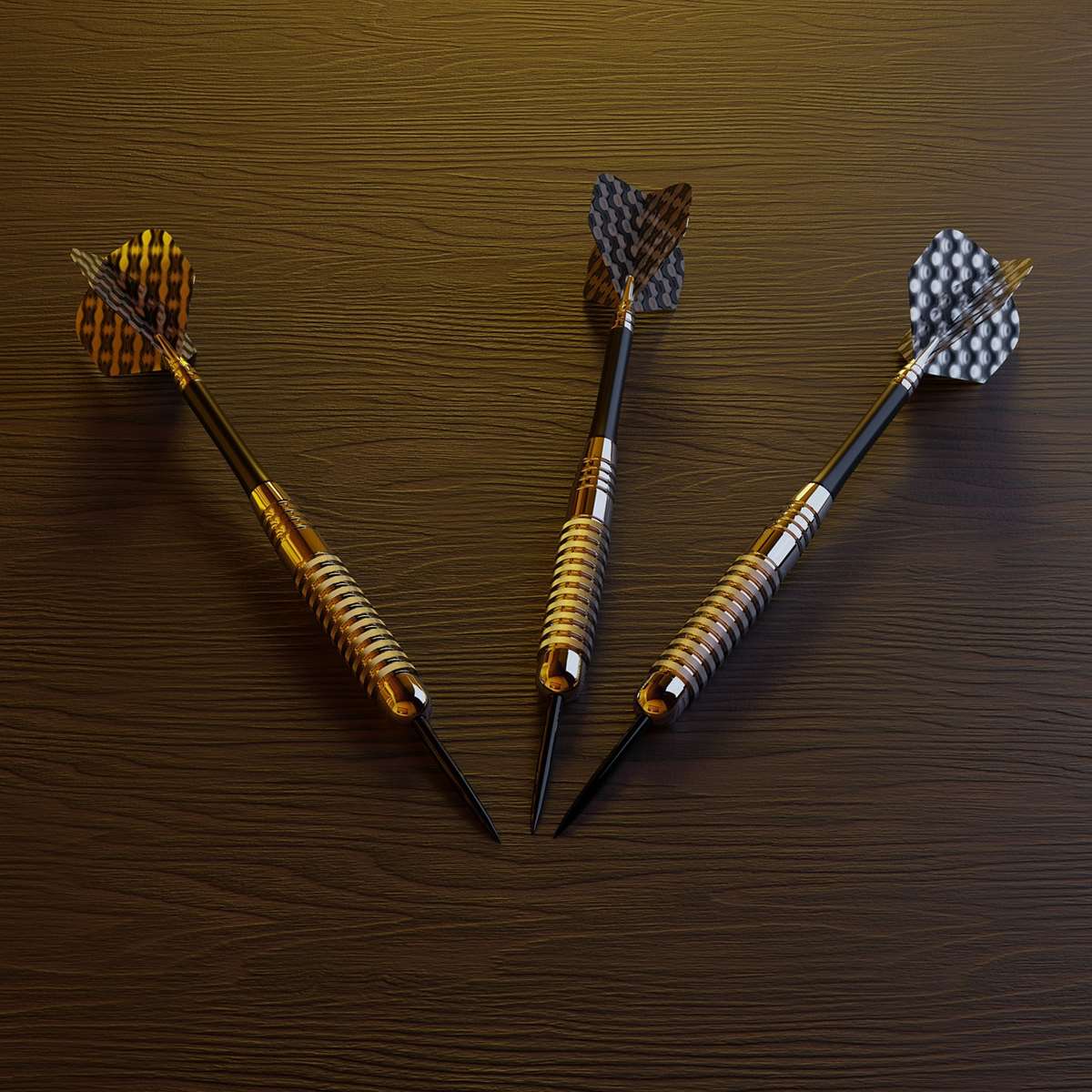
- Store Darts Properly: Store your darts in a case or holder to protect them from damage.
By following these simple maintenance tips, you can keep your dartboard and cabinet in top condition for years to come. Remember that consistent maintenance is always preferable, and also consider checking Basic Darts Fundamentals for Beginners.
Advanced Considerations for Competitive Players Regarding Dartboard Cabinet Mounting Rules
For serious darts players, even the smallest details can make a difference. Here are some advanced considerations for dartboard cabinet mounting rules:
- Professional Installation: Consider hiring a professional installer to ensure the cabinet is perfectly level and securely mounted.
- Lighting Calibration: Calibrate your dartboard lighting to provide consistent illumination across the entire board.
- Environment Control: Maintain a consistent temperature and humidity level in the playing area to minimize variations in dart flight.
- Oche Material: Choose an oche material that provides a firm and stable throwing surface.
- Sound Dampening: Consider using sound dampening materials to reduce noise levels during play.
These advanced considerations can help you create a competition-grade darts setup that meets the highest standards of accuracy and playability. Understanding and applying the dartboard cabinet mounting rules at this level becomes paramount.
Conclusion
Mounting a dartboard cabinet correctly involves understanding official dimensions, following a step-by-step installation process, choosing the right location, and avoiding common mistakes. By adhering to dartboard cabinet mounting rules and incorporating essential accessories, you can create an enjoyable and competitive darts setup. Now that you’re armed with this knowledge, go ahead and mount your dartboard cabinet with confidence and start enjoying the game! Consider exploring Adapting darts rules for beginners for a fun start. Get your cabinet mounted today and level up your game!

Hi, I’m Dieter, and I created Dartcounter (Dartcounterapp.com). My motivation wasn’t being a darts expert – quite the opposite! When I first started playing, I loved the game but found keeping accurate scores and tracking stats difficult and distracting.
I figured I couldn’t be the only one struggling with this. So, I decided to build a solution: an easy-to-use application that everyone, no matter their experience level, could use to manage scoring effortlessly.
My goal for Dartcounter was simple: let the app handle the numbers – the scoring, the averages, the stats, even checkout suggestions – so players could focus purely on their throw and enjoying the game. It began as a way to solve my own beginner’s problem, and I’m thrilled it has grown into a helpful tool for the wider darts community.