Understanding dartboard cabinet dimensions and compatibility is crucial for creating a functional and aesthetically pleasing dart setup; generally, you’ll want to ensure ample space around your board and that the cabinet protects your wall. This article will cover standard cabinet sizes, compatibility with different dartboards, space requirements, and installation tips.
⚠️ Still Using Pen & Paper (or a Chalkboard)?! ⚠️
Step into the future! The Dart Counter App handles all the scoring, suggests checkouts, and tracks your stats automatically. It's easier than you think!
Try the Smart Dart Counter App FREE!Ready for an upgrade? Click above!
Understanding Standard Dartboard Cabinet Dimensions and Compatibility
When setting up a dartboard at home, the cabinet is a crucial element that not only protects your wall but also adds a touch of style to your game room. The standard dimensions for a closed dartboard cabinet are typically around 25 inches tall, 20 inches wide, and 3.5 inches deep. However, these dimensions can vary slightly depending on the manufacturer and the style of the cabinet.
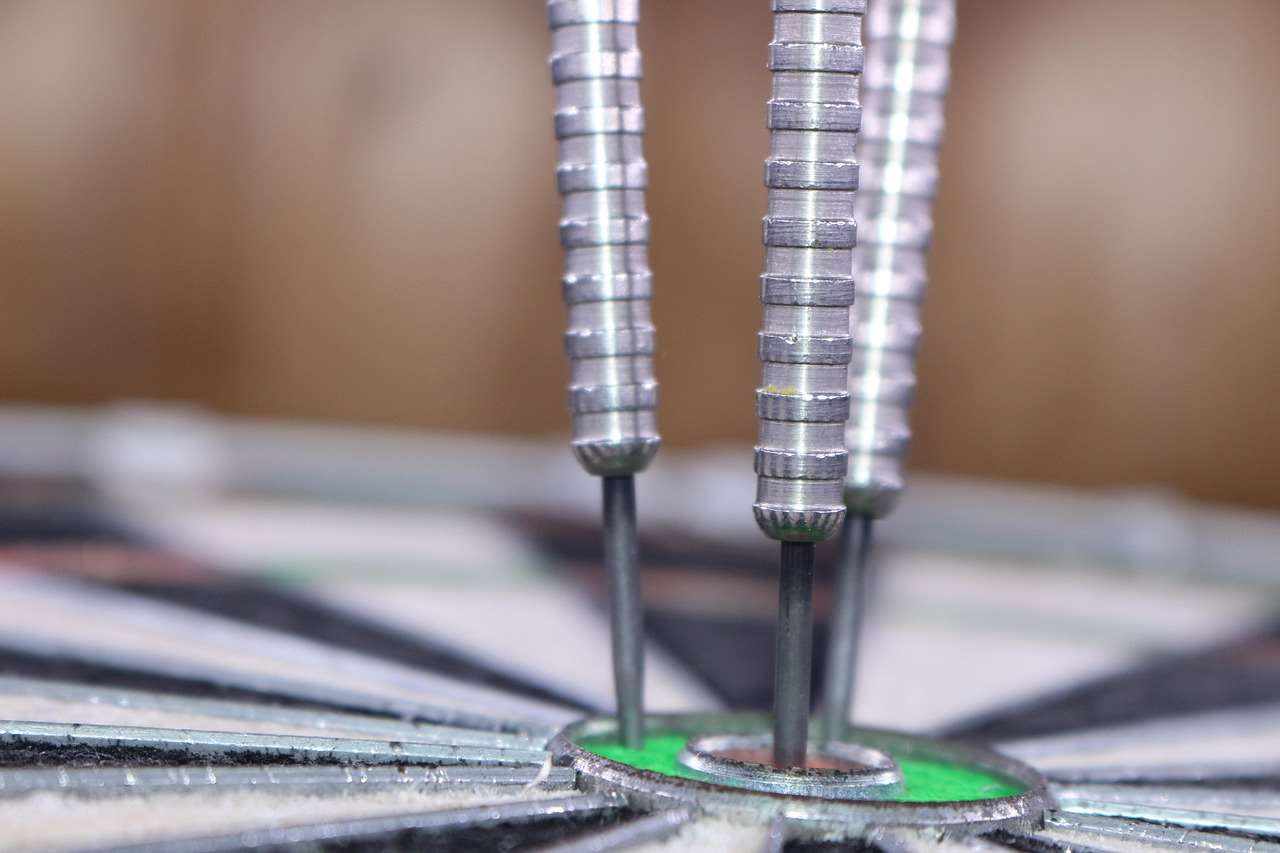
The interior dartboard cabinet dimensions are designed to accommodate a standard-sized dartboard, which has a diameter of 17.75 inches (451mm). Therefore, most cabinets will have an inner diameter that’s slightly larger than this to allow for easy mounting and removal of the dartboard. Before purchasing, always double-check that the cabinet is compatible with your dartboard’s size. Often the backboard of the cabinet is made of cork or other materials that can be easily damaged by darts. Look for cabinets with good backboard construction.
Compatibility with Different Types of Dartboards
While most dartboard cabinets are designed for standard bristle dartboards, it’s essential to consider compatibility if you have an electronic dartboard. Electronic dartboards often have slightly different dimensions and may require a cabinet specifically designed for them. Always check the product specifications to ensure a proper fit. Additionally, the weight capacity of the cabinet is crucial if you are mounting a heavy electronic dartboard. It’s worth noting that purchasing dartboard cabinets with scoreboards can enhance game play.
Space Requirements for a Dartboard Cabinet
Beyond just the dartboard cabinet dimensions and compatibility, you’ll also need to consider the surrounding space required for comfortable gameplay. The official throwing distance (the oche) from the face of the dartboard is 7 feet 9 1/4 inches (2.37 meters). Therefore, you need sufficient clear space to accommodate this distance, free from obstructions. Also, consider the width of the throwing lane; players need room to stand and throw without bumping into walls or furniture. Adapting darts rules for small spaces is especially useful in these situations. For more on this topic, see: Adapting darts rules for small spaces: tips and tricks.
Calculating the Optimal Space
To determine the optimal space, consider the following factors:
- Throwing Distance: Ensure a clear, unobstructed distance of at least 8 feet from the wall to allow for comfortable throwing.
- Width: Allow for at least 4-5 feet of width to provide ample room for players to stand side-by-side or move around.
- Height: The dartboard’s bullseye should be 5 feet 8 inches (1.73 meters) from the floor. Make sure there’s sufficient ceiling height and no obstructions at that level.
- Surround Area: Consider adding a surround to protect the wall around the cabinet from stray darts. This will add a few extra inches to the overall space requirement.
Proper measurement and planning are critical to ensure a safe and enjoyable darts experience. Remember to account for any doors, windows, or furniture that might interfere with the throwing area.
Installing Your Dartboard Cabinet: A Step-by-Step Guide
Installing a dartboard cabinet is a relatively straightforward process, but it’s important to follow the steps carefully to ensure a secure and level installation. Here’s a step-by-step guide:
Step 1: Gather Your Tools and Materials
Before you start, gather the necessary tools and materials:
- Dartboard cabinet
- Dartboard
- Measuring tape
- Level
- Pencil
- Drill
- Screws or mounting hardware (usually included with the cabinet)
- Stud finder (optional, but recommended)
Step 2: Locate Wall Studs
Use a stud finder to locate the wall studs. Mounting the cabinet to the studs will provide the most secure and stable installation. If you can’t find studs, use appropriate wall anchors designed for the weight of the cabinet and dartboard. Make sure you understand Basic Darts Fundamentals for Beginners before playing.
Step 3: Mark the Mounting Position
Measure and mark the location for the cabinet. The bullseye of the dartboard should be 5 feet 8 inches (1.73 meters) from the floor. Use a level to ensure the marks are straight and even. It’s important to consider the overall aesthetics when determining the final placement. Many people will want to have the dartboard centered in a room or on a particular wall.
Step 4: Mount the Cabinet
Drill pilot holes at the marked locations. Align the cabinet with the pilot holes and use screws to attach it to the wall. If using wall anchors, follow the manufacturer’s instructions for installation. Ensure the cabinet is securely fastened and doesn’t wobble. Consider using longer screws for additional support, especially if mounting on drywall.
Step 5: Install the Dartboard
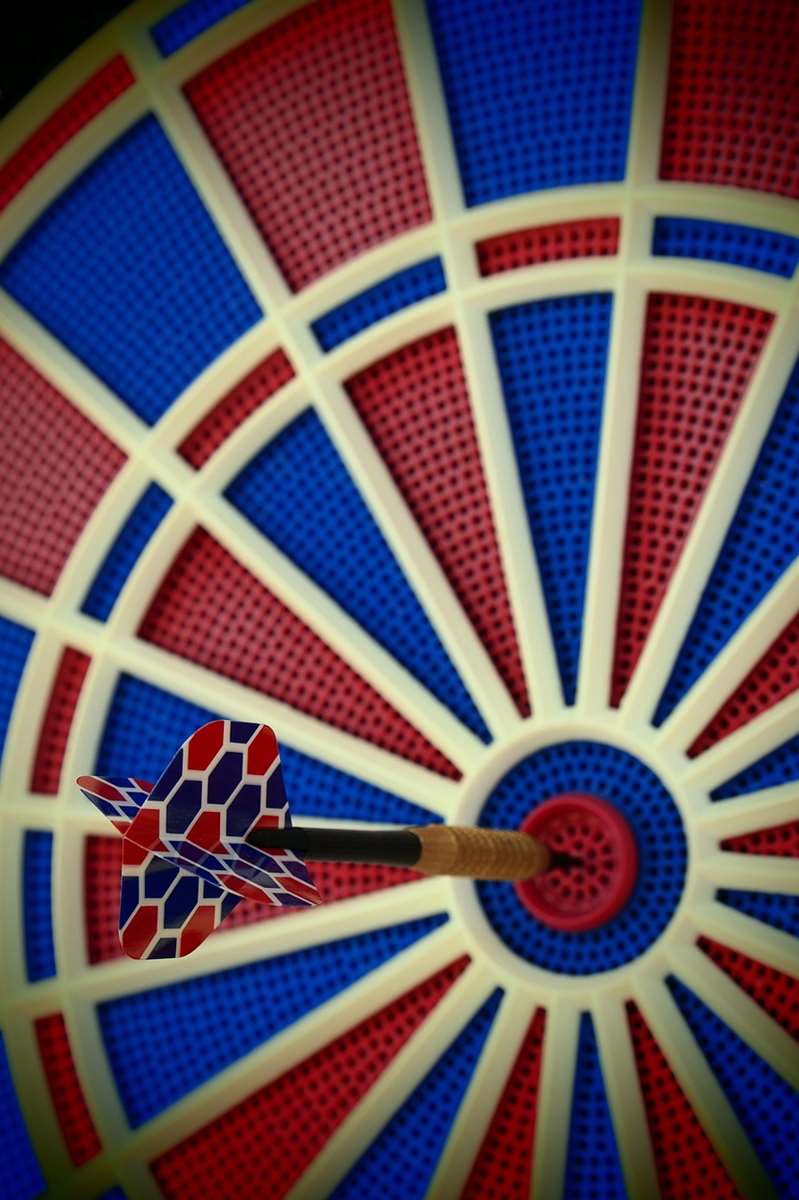
Most dartboards come with a mounting bracket. Attach the bracket to the back of the dartboard and then hang it on the mounting hardware inside the cabinet. Make sure the dartboard is securely in place and doesn’t move when darts are thrown at it.
Step 6: Test and Adjust
Test the setup by throwing a few darts. Check that the cabinet and dartboard are stable. Make any necessary adjustments to ensure everything is level and secure. If you are mounting an electronic dartboard, be sure to follow manufacturer’s instructions carefully.
Choosing the Right Dartboard Cabinet: Factors to Consider
Selecting the right dartboard cabinet involves considering several factors beyond just the dartboard cabinet dimensions and compatibility. Here are some key aspects to keep in mind:
Material and Build Quality
The material and build quality of the cabinet are crucial for its durability and longevity. Common materials include wood, MDF (Medium-Density Fiberboard), and laminate. Solid wood cabinets are generally the most durable but also the most expensive. MDF cabinets offer a good balance of durability and affordability. Laminate cabinets are the least expensive but may not be as durable.
Style and Design
Dartboard cabinets come in a wide range of styles and designs, from classic and traditional to modern and contemporary. Choose a cabinet that complements the décor of your game room or entertainment area. Consider features like integrated scoreboards, dart holders, and accent lighting. The finish of the cabinet should also be considered as it will affect its visual appeal and maintenance requirements.
Features and Functionality
Look for cabinets with useful features like:
- Integrated Scoreboards: Some cabinets have built-in scoreboards, either manual or electronic, which can make it easier to keep track of scores during games.
- Dart Holders: Dart holders provide a convenient place to store your darts when not in use, preventing damage and keeping them organized.
- Surrounds: Some cabinets come with integrated surrounds to protect the wall from stray darts.
- Lighting: Some high-end cabinets include built-in lighting to illuminate the dartboard, improving visibility and enhancing the playing experience.
Price
Dartboard cabinets range in price from around $50 to $500 or more, depending on the material, build quality, and features. Set a budget and consider what features are most important to you. Keep in mind that investing in a higher-quality cabinet can save you money in the long run by avoiding the need for frequent replacements. Before choosing specific dart rules, make sure you understand Simplified 501 game rules for novice players. Choosing the wrong game can make finding the best dart board cabinet difficult.
Dartboard Cabinet Maintenance and Care
Proper maintenance and care can extend the life of your dartboard cabinet and keep it looking its best. Here are some tips:
Cleaning
Regularly clean the cabinet with a soft, damp cloth to remove dust and dirt. Avoid using harsh chemicals or abrasive cleaners, as these can damage the finish. For wood cabinets, use a furniture polish specifically designed for wood.
Protection
Protect the cabinet from moisture and direct sunlight, as these can cause warping and fading. If the cabinet is located in a high-humidity area, consider using a dehumidifier to reduce moisture levels. Also, make sure your setup is safe and follows all Alternative darts rules for home play.
Repair
If the cabinet becomes damaged, repair it promptly to prevent further deterioration. Small scratches and dents can often be repaired with wood filler or touch-up paint. If the damage is more severe, consider hiring a professional repair service.
Troubleshooting Common Dartboard Cabinet Issues
Even with careful planning and installation, you may encounter some common issues with your dartboard cabinet. Here are some troubleshooting tips:
Cabinet Wobbles
If the cabinet wobbles, check that it is securely mounted to the wall. Tighten the screws or wall anchors as needed. If the wall is uneven, use shims to level the cabinet. Ensuring the cabinet is perfectly level is key to accurate and fair gameplay. Uneven surfaces can also damage the board over time.
Dartboard Moves
If the dartboard moves when darts are thrown at it, tighten the mounting bracket and ensure it is securely attached to the back of the dartboard. You may also need to adjust the tension of the dartboard’s spider to prevent bounce-outs. For additional support, consider adding rubber washers between the dartboard and the mounting bracket.
Door Issues
If the cabinet doors don’t close properly, check that the hinges are aligned correctly. Adjust the hinges as needed to ensure the doors close smoothly and securely. If the doors are warped, you may need to replace them. Proper hinge lubrication can also help prevent sticking and squeaking. The darts you choose to use can be important when choosing a cabinet.
Conclusion
Choosing the right dartboard cabinet involves careful consideration of dartboard cabinet dimensions and compatibility, space requirements, material quality, and features. By following the guidelines outlined in this article, you can create a functional and stylish dart setup that provides years of enjoyment. Remember to measure your space accurately, choose a cabinet that fits your dartboard, and install it securely. Now that you understand the essentials, it’s time to enhance your game room! Start by browsing a range of dartboard cabinets that suit your needs and style to create the perfect space for your next match!

Hi, I’m Dieter, and I created Dartcounter (Dartcounterapp.com). My motivation wasn’t being a darts expert – quite the opposite! When I first started playing, I loved the game but found keeping accurate scores and tracking stats difficult and distracting.
I figured I couldn’t be the only one struggling with this. So, I decided to build a solution: an easy-to-use application that everyone, no matter their experience level, could use to manage scoring effortlessly.
My goal for Dartcounter was simple: let the app handle the numbers – the scoring, the averages, the stats, even checkout suggestions – so players could focus purely on their throw and enjoying the game. It began as a way to solve my own beginner’s problem, and I’m thrilled it has grown into a helpful tool for the wider darts community.