Dart Weight Tolerance Explained refers to the acceptable variance in weight among a set of darts, ensuring fair play and consistent performance. This article will explore the importance of weight tolerance, how it’s measured, factors affecting it, and how to choose darts with optimal weight tolerance for your game.
⚠️ Still Using Pen & Paper (or a Chalkboard)?! ⚠️
Step into the future! The Dart Counter App handles all the scoring, suggests checkouts, and tracks your stats automatically. It's easier than you think!
Try the Smart Dart Counter App FREE!Ready for an upgrade? Click above!
Understanding Dart Weight Tolerance Explained
Dart weight tolerance is the allowable difference in weight between the heaviest and lightest dart within a set. It’s usually expressed in grams and is a crucial factor for serious dart players. A tight weight tolerance means that all darts in a set are very close in weight, providing a consistent feel and throw. Conversely, a larger weight tolerance can lead to noticeable differences in how each dart flies, affecting accuracy and consistency.
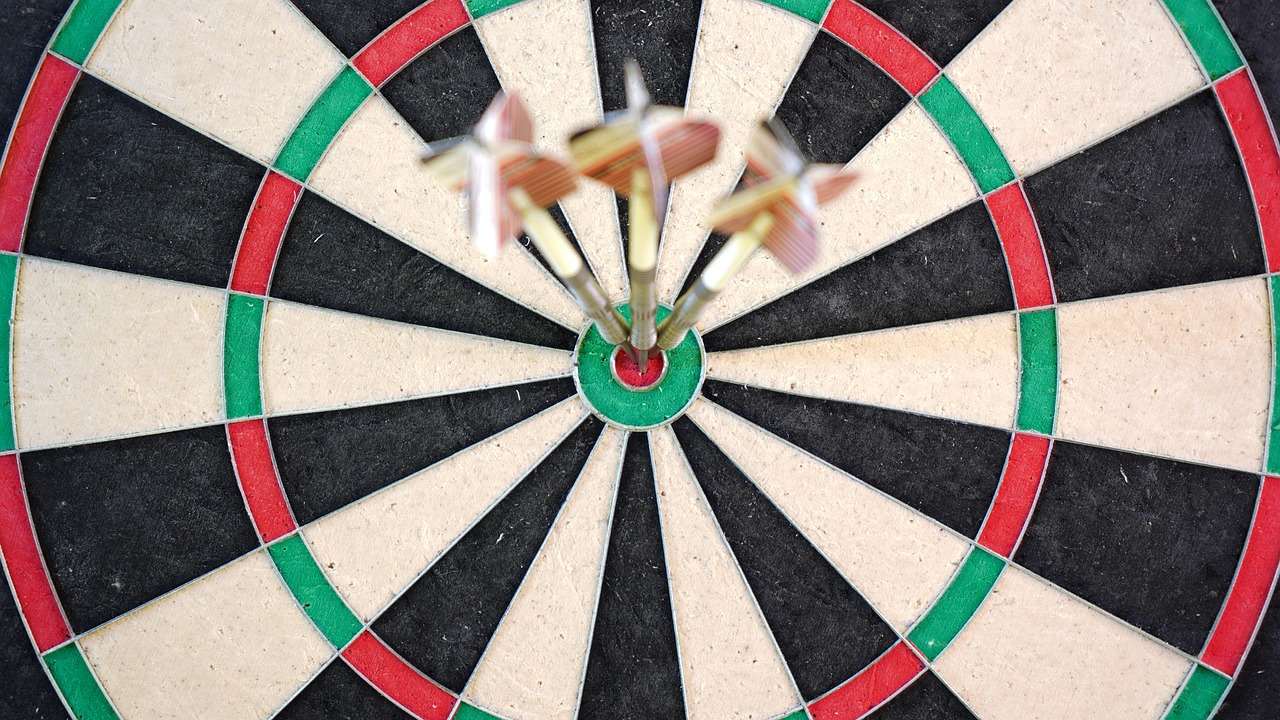
The importance of dart weight tolerance is often overlooked by beginner players but becomes increasingly vital as skill levels improve. Imagine throwing three darts, each with a slightly different weight; the adjustments your brain and body have to make for each throw can be incredibly subtle yet significantly impact your score. Ideally, you want your darts to feel and behave identically in flight.
Why Does Dart Weight Tolerance Matter?
The primary reason dart weight tolerance matters is to ensure consistency. Here’s a breakdown of why this consistency is so crucial:
- Predictable Flight: When all your darts weigh the same, they will fly in a similar manner, allowing you to develop a consistent throwing motion and predict their trajectory more accurately.
- Muscle Memory: The human body is excellent at developing muscle memory. Consistent dart weights allow you to groove a repeatable throwing motion.
- Reduced Adjustments: If each dart has a slightly different weight, you’ll subconsciously make small adjustments to your throw, which can throw off your aim, especially under pressure.
- Fair Play: In competitive settings, strict adherence to weight regulations ensures that all players have an equal opportunity to succeed.
Many professional players obsess over these details, and for good reason. Even a tiny discrepancy in weight can be amplified at the point of impact, resulting in missed targets and frustration. Choosing the Choose Best Dart Equipment is a critical step in improving your performance.
Factors Affecting Dart Weight
Several factors contribute to the weight of a dart and, consequently, the weight tolerance of a set:
- Barrel Material: Brass, tungsten, and nickel-silver are common materials. Tungsten is denser, allowing for a slimmer barrel while maintaining weight, which can improve grouping.
- Barrel Design: The shape and grooves of the barrel affect the overall weight distribution. More intricate designs may be harder to replicate precisely.
- Shafts and Flights: While contributing less to overall weight than the barrel, the material and design of shafts and flights can also introduce slight variations.
- Manufacturing Processes: The precision of the manufacturing process directly impacts weight tolerance. Darts made with CNC machining generally have tighter tolerances.
By understanding these factors, you can make more informed choices when purchasing darts and consider how they might affect the overall weight and consistency of your set. Using quality dartboard lighting, such as Optimal Dartboard Lighting Solutions Guide, allows you to see the darts clearly and helps you focus on aiming and throwing.
Measuring Dart Weight Tolerance
Measuring dart weight tolerance requires a precision scale capable of measuring in increments of 0.01 grams or less. Here’s a step-by-step guide:
- Calibrate Your Scale: Ensure your scale is properly calibrated before use.
- Weigh Each Dart: Weigh each dart in your set individually.
- Record the Weights: Write down the weight of each dart.
- Calculate the Difference: Subtract the weight of the lightest dart from the weight of the heaviest dart. The result is the weight tolerance.
For example, if your darts weigh 22.95g, 23.00g, and 22.98g, the weight tolerance is 0.05g (23.00g – 22.95g). This would be considered a very tight tolerance, indicating high-quality manufacturing. If you are interested in Cabinet Lighting For Dartboards, ensuring they do not add to the glare on the dartboard, measure their weight before installation.
Acceptable Dart Weight Tolerance
What constitutes an “acceptable” dart weight tolerance depends on your skill level and competitive ambitions. Here’s a general guideline:
- Beginners: A weight tolerance of up to 0.10g is generally acceptable. Beginners are less likely to notice or be significantly affected by such a small difference.
- Intermediate Players: Aim for a weight tolerance of 0.05g or less. As your skills develop, you’ll become more sensitive to variations in dart weight.
- Advanced/Professional Players: Strive for a weight tolerance of 0.02g or less. Professional players often demand the highest level of precision.
Keep in mind that these are just guidelines. Ultimately, the best weight tolerance is the one that allows you to throw consistently and confidently. Some players are less sensitive to weight variations than others. But understanding the effects of weight tolerance can help you fine-tune your equipment and improve your game. If you are aiming for the Best Dartboard Lighting Systems, be sure to check the dart weight when installing and consider the impact.
Choosing Darts Based on Weight Tolerance
When selecting darts, here are some tips for considering dart weight tolerance:
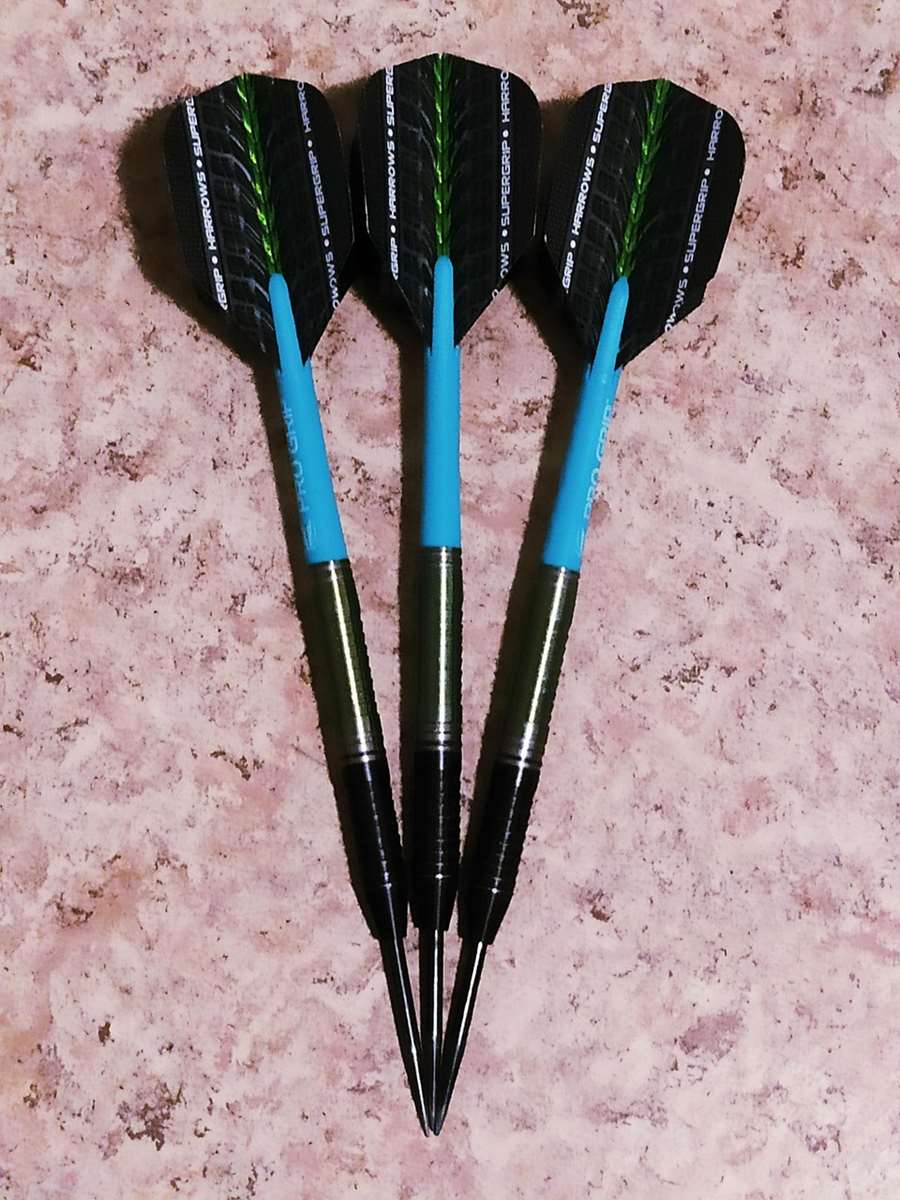
- Check Specifications: Reputable dart manufacturers will often specify the weight tolerance of their darts. Look for this information in product descriptions.
- Read Reviews: Online reviews can provide valuable insights into the actual weight tolerance of a particular dart model. Pay attention to comments about consistency.
- Weigh Before Buying: If possible, weigh the darts yourself before purchasing them. This is especially important if you’re buying in person.
- Buy from Reputable Brands: Established dart brands are more likely to have rigorous quality control processes and produce darts with tighter tolerances.
Consider investing in a high-quality set of darts with a tight weight tolerance. While they may be more expensive, the investment can pay off in improved performance and consistency over time. The consistency and lack of shadows produced by Reduce Dartboard Shadows Effectively can improve your game.
The Impact of Dart Material on Weight Tolerance
The material used in dart construction plays a crucial role in achieving a tight weight tolerance. Let’s compare common dart materials:
- Brass: Brass darts are generally less expensive but tend to have wider weight tolerances due to the manufacturing processes involved and the softness of the material.
- Nickel-Silver: Nickel-silver darts offer a middle ground in terms of price and weight tolerance. They are more durable than brass but less precise than tungsten.
- Tungsten: Tungsten darts are the most expensive but offer the tightest weight tolerances. Tungsten’s high density allows for slimmer barrels, which can enhance grouping, and the material’s hardness facilitates precise machining.
If you are serious about minimizing weight variations, investing in tungsten darts is often the best choice. Although tungsten is an investment, it can pay dividends in consistency and durability.
Maintaining Consistent Dart Weight
Even with high-quality darts, maintaining consistent weight over time requires proper care and maintenance:
- Regular Cleaning: Clean your darts regularly to remove dirt, oils, and debris that can accumulate on the barrel and affect its weight.
- Check for Damage: Inspect your darts regularly for any signs of damage, such as dents or chips, that could alter their weight or balance.
- Replace Worn Parts: Replace worn shafts and flights promptly, as these can subtly affect the overall weight and flight characteristics of your darts.
- Store Properly: Store your darts in a case to protect them from damage and environmental factors that could affect their weight.
By following these maintenance tips, you can help ensure that your darts maintain their original weight and performance characteristics for as long as possible. Understanding How To Light Your Dartboard can ensure good visibility when maintaining them.
Conclusion
Dart Weight Tolerance Explained reveals itself as a pivotal aspect of dart playing, profoundly influencing the consistency and accuracy of every throw. Choosing darts with tight weight tolerances and maintaining them properly are crucial steps in enhancing your game, reducing inconsistencies, and maximizing your performance. Remember to consider your skill level, playing style, and budget when selecting darts, and always prioritize quality and consistency. Embrace the insights discussed, and confidently make your next dart purchase.

Hi, I’m Dieter, and I created Dartcounter (Dartcounterapp.com). My motivation wasn’t being a darts expert – quite the opposite! When I first started playing, I loved the game but found keeping accurate scores and tracking stats difficult and distracting.
I figured I couldn’t be the only one struggling with this. So, I decided to build a solution: an easy-to-use application that everyone, no matter their experience level, could use to manage scoring effortlessly.
My goal for Dartcounter was simple: let the app handle the numbers – the scoring, the averages, the stats, even checkout suggestions – so players could focus purely on their throw and enjoying the game. It began as a way to solve my own beginner’s problem, and I’m thrilled it has grown into a helpful tool for the wider darts community.