Dart Weight Systems Explained essentially boil down to a way for players to fine-tune the balance and feel of their darts for improved accuracy and consistency. This article will explore the different types of weight systems, how they work, and how to choose the right one for your playing style, covering everything from fixed weights to adjustable systems and their impact on your game.
⚠️ Still Using Pen & Paper (or a Chalkboard)?! ⚠️
Step into the future! The Dart Counter App handles all the scoring, suggests checkouts, and tracks your stats automatically. It's easier than you think!
Try the Smart Dart Counter App FREE!Ready for an upgrade? Click above!
Understanding Dart Weight Systems Explained
The weight of a dart is a crucial factor in its flight and overall feel. Most darts fall within the regulation weight range of 20 to 50 grams, but the distribution of that weight, determined by the dart weight system, can significantly affect your throwing technique. Let’s delve deeper into the various options available.
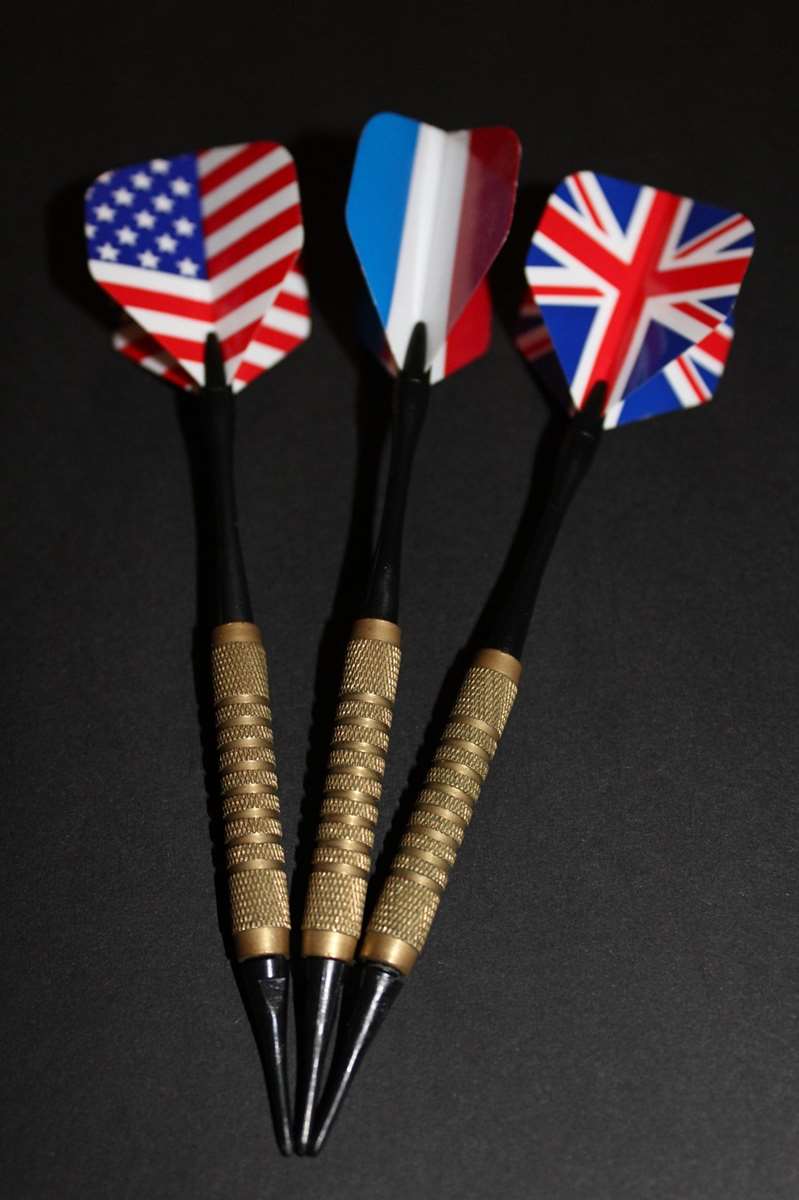
Fixed weight darts are the simplest form, where the weight is permanently set during manufacturing. These are often the most affordable and are suitable for beginners who are still developing their throwing style. However, fixed weight darts offer no customization, which can be a drawback as your skills improve.

Types of Dart Weight Systems
While fixed weight darts are straightforward, adjustable dart weight systems offer a greater degree of personalization. These systems allow you to alter the weight and balance of your darts to suit your individual preferences and throwing style. Let’s explore the main types:
- Point Weight Systems: These involve adding or removing weight from the front of the dart by using specialized points with different weights. This can significantly impact the dart’s angle of entry into the board.
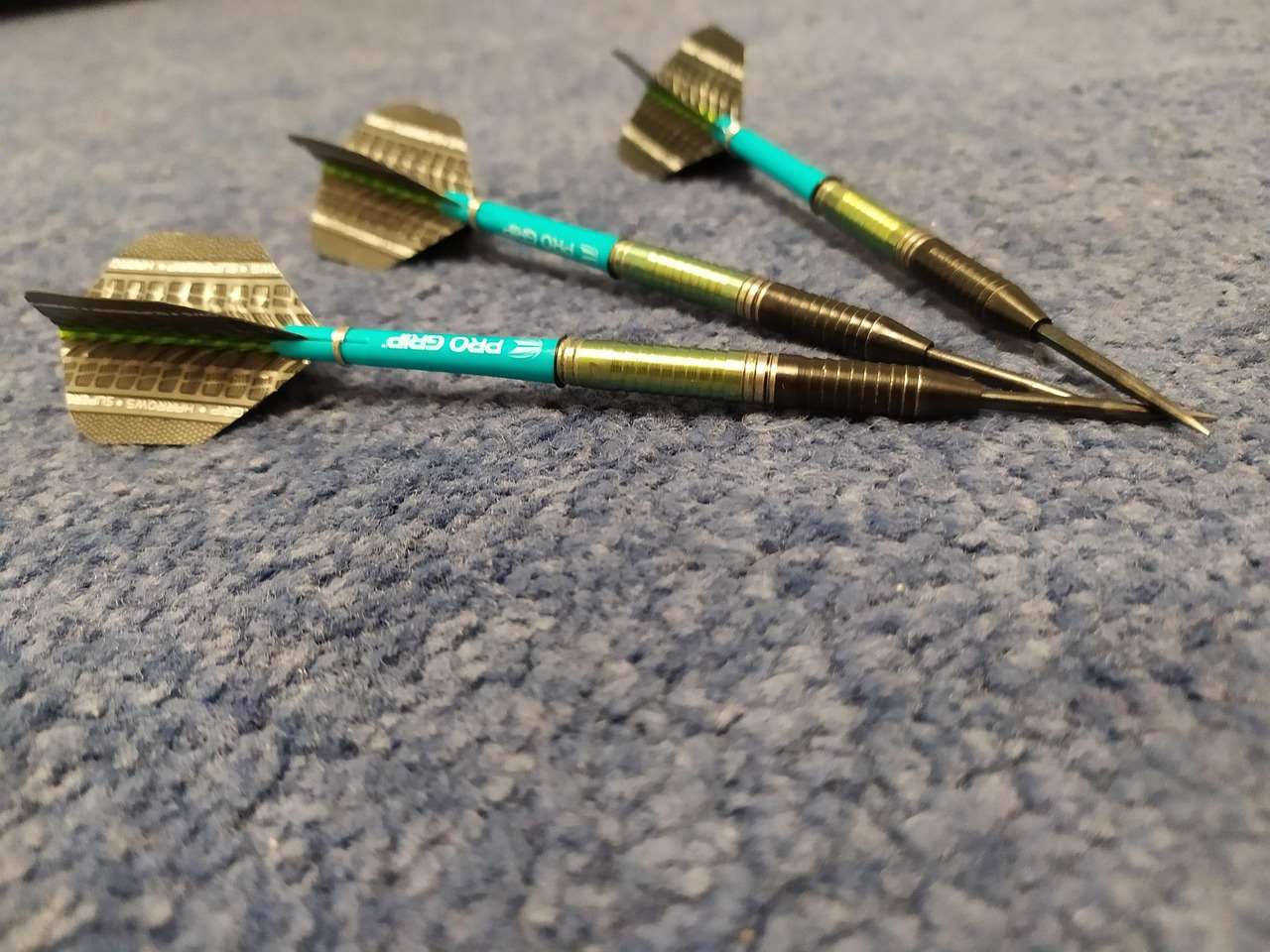
- Rear Weight Systems: These systems allow you to add weight to the back of the dart, typically by inserting small weights into a cavity in the shaft. Shifting the weight towards the rear can promote a more stable and consistent flight path.
- Internal Weight Systems: Some darts feature internal cavities where small weights can be inserted and secured. This offers a more subtle way to adjust the balance without significantly altering the dart’s external dimensions. Consider reading up on Choose Best Dart Equipment to compliment your choices.
Point Weight Systems in Detail
Point weight systems are relatively simple to use. You simply unscrew the existing point and replace it with a heavier or lighter one. The impact on the dart’s flight is noticeable, with heavier points tending to make the dart fly lower and straighter, while lighter points can allow for a more lofted trajectory. Experimentation is key to finding the optimal point weight for your throwing style.
Rear Weight Systems: Fine-Tuning Balance
Rear weight systems are designed to shift the center of gravity towards the back of the dart. This can be beneficial for players who prefer a smoother, more controlled release. Adding weight to the rear of the dart can also help to reduce wobble and improve overall stability in flight. Remember, consistent Optimal Dartboard Lighting Solutions Guide is key to dialing in your dart weight.
Benefits of Using Adjustable Dart Weights
The primary benefit of using adjustable dart weights is the ability to customize your darts to perfectly match your throwing style. This can lead to improved accuracy, consistency, and overall performance. Here are some additional advantages:
- Personalized Feel: Adjustable weights allow you to fine-tune the feel of your darts, making them more comfortable and natural to throw.
- Improved Accuracy: By optimizing the weight and balance, you can minimize wobble and improve the dart’s flight path, leading to greater accuracy.
- Enhanced Consistency: A well-balanced dart can help you achieve a more consistent release, resulting in tighter groupings and higher scores.
- Adaptability: As your throwing style evolves, you can easily adjust the weight and balance of your darts to maintain optimal performance.
Choosing the Right Dart Weight System Explained
Selecting the right dart weight system depends on your individual needs and preferences. Consider the following factors when making your decision:
- Skill Level: Beginners may prefer fixed weight darts to start, while more experienced players can benefit from the customization offered by adjustable systems.
- Throwing Style: Your throwing style will influence the ideal weight and balance for your darts. Experiment with different systems to find what works best for you.
- Dart Material: The material of your darts (e.g., tungsten, brass) will also affect their weight and balance.
- Budget: Adjustable dart weight systems can be more expensive than fixed weight darts.
Ultimately, the best way to choose a dart weight system is to try out different options and see what feels most comfortable and natural to you. Many dart shops offer demo darts that you can test before making a purchase.

How Weight Affects Dart Trajectory
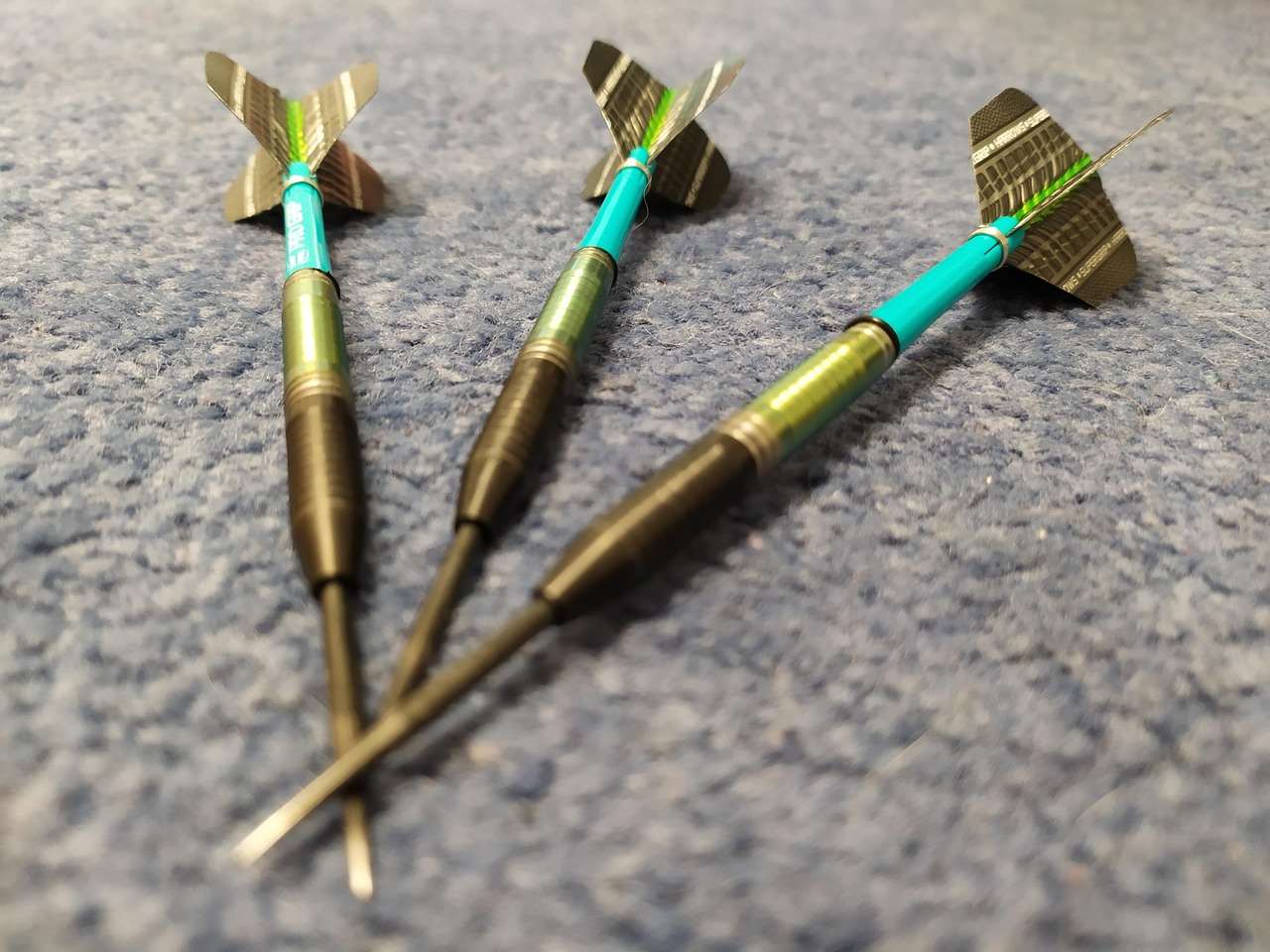
The distribution of weight within a dart plays a significant role in its trajectory through the air. A front-weighted dart, for example, tends to fly straighter and penetrate the board more easily. This can be beneficial for players who prefer a more direct and aggressive throwing style.
Rear-weighted darts, on the other hand, tend to have a more stable and controlled flight path. This can be advantageous for players who prioritize accuracy and consistency over raw power. By understanding how weight affects dart trajectory, you can make informed decisions about which dart weight system is right for you. Think about your grip when trying to find the perfect weight as well.
Tips for Experimenting with Dart Weights
Experimenting with dart weights is crucial for finding the optimal setup for your throwing style. Here are some tips to help you get the most out of your experimentation:
- Start with small adjustments: Don’t make drastic changes to the weight of your darts. Start with small increments and gradually adjust until you find the sweet spot.
- Keep track of your results: Use a notebook or spreadsheet to record your scores and observations with different weight configurations. This will help you identify patterns and make informed decisions.
- Be patient: Finding the perfect dart weight can take time and effort. Don’t get discouraged if you don’t see results immediately.
- Consider shaft and flight combinations: Experiment with different shaft lengths and flight shapes in conjunction with weight adjustments to fine-tune your dart’s overall performance.
Maintaining Your Dart Weight System
Proper maintenance is essential for keeping your dart weight system in good working order. Regularly inspect your darts for any signs of wear and tear, such as loose points or damaged shafts. Clean your darts with a soft cloth to remove dirt and grime. If you’re using an adjustable weight system, make sure the weights are securely fastened and replace them if they become damaged or worn. It is important to also think about Best Dartboard Lighting Systems to ensure your darts are seen clearly when throwing.
Conclusion
Understanding Dart Weight Systems Explained is a critical element in optimizing your dart game. Whether you prefer the simplicity of fixed weight darts or the customization of adjustable systems, finding the right weight and balance for your throwing style can significantly improve your accuracy, consistency, and overall performance. By experimenting with different options and following the tips outlined in this article, you can unlock your full potential as a dart player. Now that you understand more, it might be time to consider the different Types Optimal Dartboard Lighting that could affect your game as well. Start experimenting today and discover the difference a well-tuned dart can make!

Hi, I’m Dieter, and I created Dartcounter (Dartcounterapp.com). My motivation wasn’t being a darts expert – quite the opposite! When I first started playing, I loved the game but found keeping accurate scores and tracking stats difficult and distracting.
I figured I couldn’t be the only one struggling with this. So, I decided to build a solution: an easy-to-use application that everyone, no matter their experience level, could use to manage scoring effortlessly.
My goal for Dartcounter was simple: let the app handle the numbers – the scoring, the averages, the stats, even checkout suggestions – so players could focus purely on their throw and enjoying the game. It began as a way to solve my own beginner’s problem, and I’m thrilled it has grown into a helpful tool for the wider darts community.