Achieving darting perfection often hinges on finding the perfect weight for your throw; Dart Weight Problem Solving involves understanding how weight affects trajectory and control, ultimately tailoring your setup for optimal performance. This article will explore how to diagnose and rectify weight-related issues affecting your darts game, covering various barrel types, stem and flight combinations, and adjustment techniques.
⚠️ Still Using Pen & Paper (or a Chalkboard)?! ⚠️
Step into the future! The Dart Counter App handles all the scoring, suggests checkouts, and tracks your stats automatically. It's easier than you think!
Try the Smart Dart Counter App FREE!Ready for an upgrade? Click above!
Understanding Dart Weight and Its Impact
The weight of your dart is a crucial factor influencing its flight path, stability, and ultimately, your accuracy. A dart that is too light might be easily deflected by air currents, while a dart that is too heavy could require more effort and lead to fatigue. Finding the sweet spot requires experimentation and an understanding of how weight distribution affects your throw.
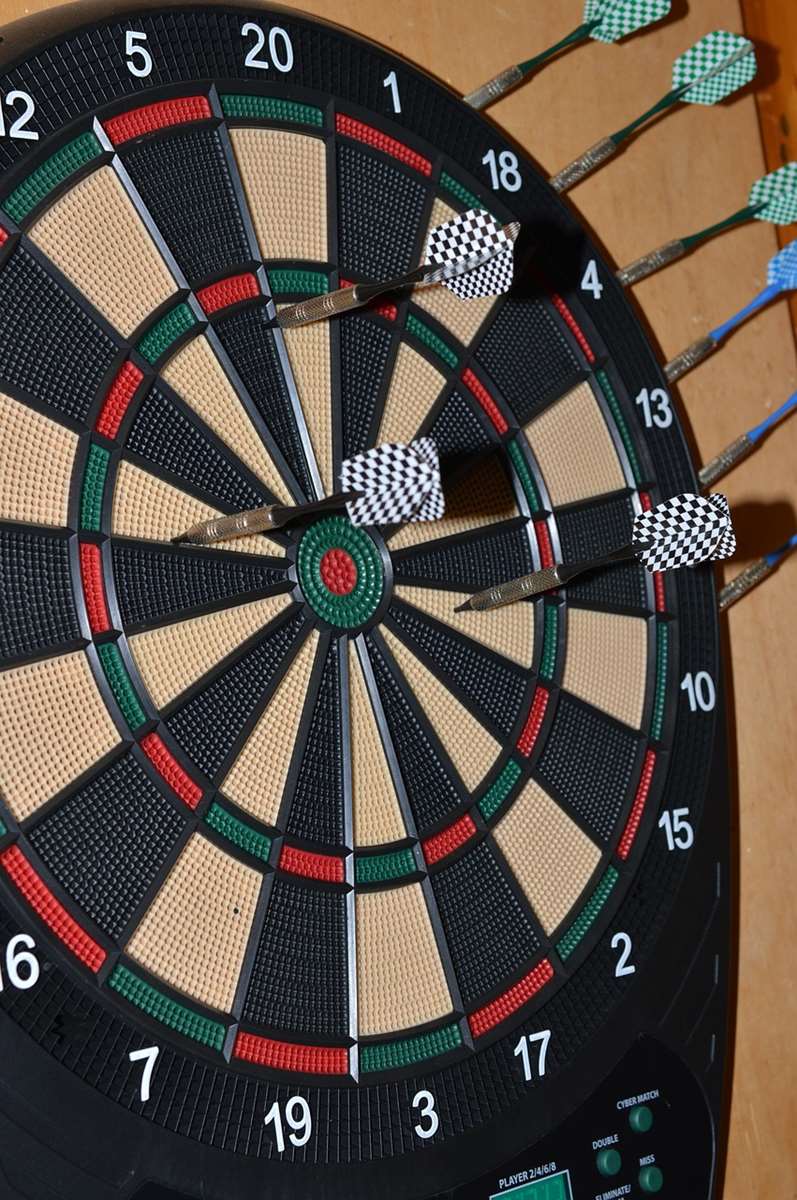
Before diving into specific Dart Weight Problem Solving techniques, it’s essential to understand the relationship between dart weight and various aspects of your game. This includes your throwing style, the distance you throw from, and even the type of dartboard you are using. For example, a shorter, more compact throw might benefit from a heavier dart, while a longer, more sweeping motion could be better suited for a lighter dart. You should also Choose Best Dart Equipment to improve your game and have the ability to modify your equipment to improve your throwing.
The Physics of Dart Flight
The physics behind dart flight are complex, but a basic understanding can greatly aid in dart weight problem solving. The center of gravity, aerodynamics, and the force you apply all play a role. A heavier dart will generally have a more stable trajectory and be less susceptible to wobble, but it also requires more initial force to launch. Conversely, a lighter dart is easier to throw but might be harder to control in windy conditions. Finding the optimal balance between these factors is key.
Common Dart Weight Problems and Their Solutions
Many players experience issues related to dart weight. Recognizing these problems and knowing how to address them is vital for improving your game. Let’s look at some typical scenarios and actionable solutions for effective Dart Weight Problem Solving.
Darts Falling Short or Dropping Too Quickly
If your darts consistently fall short of the target or exhibit an excessive downward arc, the issue might be related to the dart’s weight. Here’s how to troubleshoot:
- Increase Dart Weight: Consider using heavier darts. Even a small increase of 1-2 grams can make a significant difference in the dart’s trajectory.
- Adjust Your Throwing Angle: Ensure you are releasing the dart at an appropriate angle to compensate for gravity.
- Strengthen Your Throw: If you’re struggling to throw heavier darts, focus on strengthening your arm and wrist muscles.
Don’t overlook the importance of a consistent release. Uneven releases can negatively affect the dart’s flight path regardless of its weight. Consistent throws and proper weight darts will help you get the best scores.
Darts Flying Too High or Climbing on the Board
Conversely, if your darts consistently fly above your intended target or seem to climb upward during their flight, the darts may be too light. The solutions might include:
- Decrease Dart Weight: Experiment with lighter darts to see if this allows for more controlled flight.
- Lower Your Throwing Angle: A slightly lower release point might prevent the darts from climbing.
- Check Your Grip: Ensure your grip isn’t causing you to impart unintended upward force on the dart.
Additionally, consider the interaction between dart weight and stem and flight combinations. A heavier flight might exacerbate the issue of darts flying too high, as it increases drag and lift.
Inconsistent Dart Grouping
One of the most frustrating issues is when your darts land all over the board, indicating inconsistent grouping. This could stem from a number of factors, but weight is often a contributing element. Here’s how to address it through Dart Weight Problem Solving:
- Experiment with Different Weights: Try a range of dart weights to find the one that provides the most consistent results.
- Focus on Your Stance and Release: Maintain a stable stance and a smooth, consistent release point.
- Ensure Balanced Weight Distribution: Make sure the weight is evenly distributed across the dart (barrel, stem, and flight).
Remember that consistent practice is key to developing muscle memory and achieving tight groupings. Pay attention to any subtle changes in your technique that might be contributing to inconsistency.
Fine-Tuning Your Dart Setup for Optimal Weight
While selecting the right dart weight is essential, it’s equally important to consider how other components of your dart setup influence the overall weight and balance. Experimentation with different combinations can lead to significant improvements.
The Role of Dart Barrels in Weight Adjustment
The dart barrel is the primary determinant of dart weight. They come in various shapes, sizes, and materials, each affecting the overall feel and performance. Consider these factors when exploring barrel options for Dart Weight Problem Solving:
- Material: Tungsten barrels are denser, allowing for a slimmer profile at a given weight compared to brass barrels.
- Shape: Torpedo-shaped barrels tend to have a more front-weighted feel, while straight barrels offer a more balanced weight distribution.
- Grip: The type and intensity of the grip can influence how consistently you release the dart.
Often overlooked, the barrel’s grip is crucial for secure and repeated throwing. The barrel should feel comfortable in your hand, and the grip should provide adequate control without causing excessive friction.

The Impact of Stems and Flights on Weight Distribution
Stems and flights might seem like minor components, but they significantly influence the dart’s aerodynamics and balance. Shorter stems and smaller flights generally result in a faster, more direct flight path, while longer stems and larger flights create more drag and stability. When doing some Dart Weight Problem Solving, remember to test these different combinations.
- Stem Length: Experiment with different stem lengths to find the balance that feels most natural and provides the best control.
- Flight Shape and Size: Standard flights offer maximum stability, while smaller, narrower flights are more aerodynamic.
- Material: Lighter materials like nylon or plastic can reduce the overall weight of the stem and flight combination.
Adjusting the stem and flight combination is a simple yet effective way to fine-tune the overall weight distribution of your dart and optimize its flight characteristics. Remember to consider the materials used.
Advanced Dart Weight Problem Solving Techniques
Using Add-a-Gram Weights
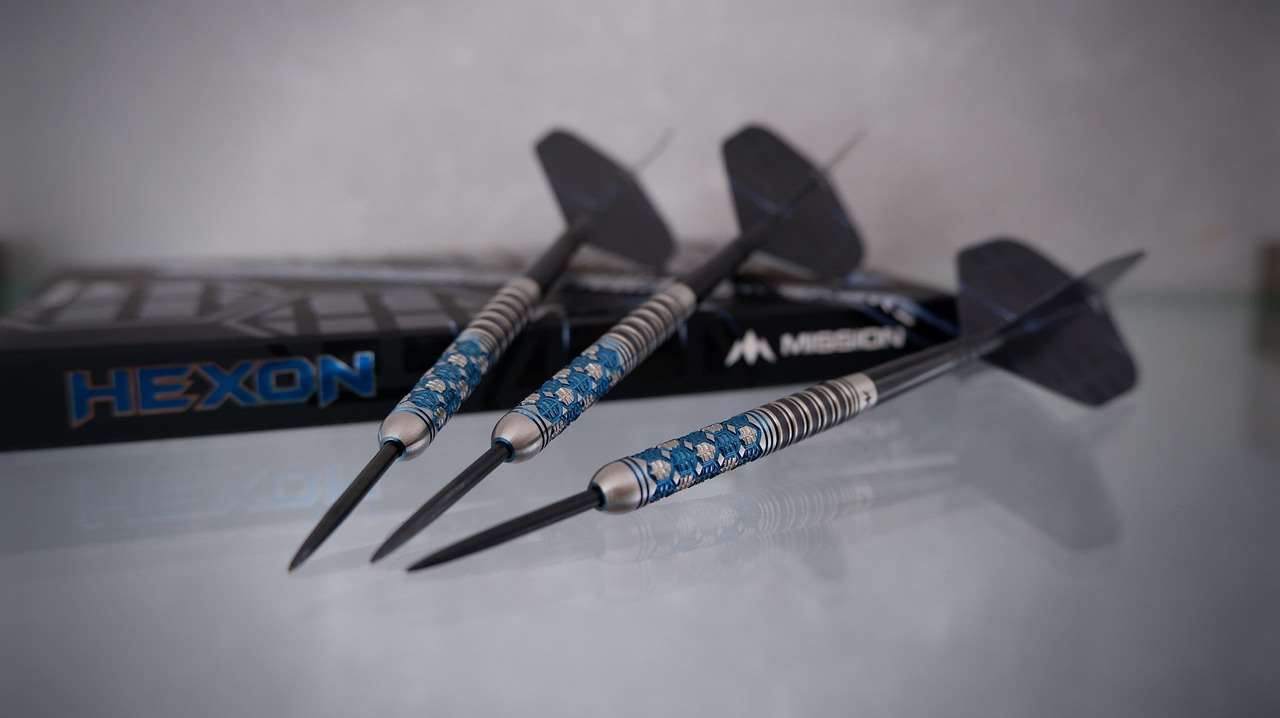
For serious players seeking precise control over their dart’s weight, add-a-gram weights offer a fantastic solution. These small weights can be inserted into the barrel to fine-tune the weight by increments as small as 0.1 grams. This allows for extremely precise Dart Weight Problem Solving.
- Precise Weight Adjustment: Add-a-gram weights allow for incremental changes to the dart’s weight.
- Customized Weight Distribution: Strategically placing weights can alter the dart’s center of gravity.
- Experimentation: They allow you to experiment and test the dart to fit your requirements.
These small adjustments can make the difference between a good throw and a great throw. The weights help to eliminate any outside factors that may affect a throw.

Analyzing Your Throw and Making Adjustments
Ultimately, the best approach to Dart Weight Problem Solving involves carefully analyzing your throw and making incremental adjustments based on your observations. This requires patience, attention to detail, and a willingness to experiment.
- Record Your Throws: Use a camera to record your throws and analyze your technique.
- Identify Inconsistencies: Look for any inconsistencies in your stance, grip, or release point.
- Track Your Results: Keep a record of your scores and grouping patterns after each adjustment.
Consider seeking feedback from experienced players or a dart coach. An outside perspective can often identify subtle flaws in your technique that you might not be aware of.
Seeking Professional Advice
If you are struggling to resolve your dart weight problems on your own, consider seeking professional advice from a dart coach or experienced player. They can provide personalized guidance based on your individual throwing style and help you identify areas for improvement.
Maintenance and Care for Dart Weights
Ensuring the longevity of your darts involves proper maintenance and care. This is especially important if you utilize add-a-gram weights or have adjustable components in your dart setup. Consistent cleaning and regular inspection can significantly extend the lifespan of your equipment. We should also mention Optimal Dartboard Lighting Solutions Guide to make sure that you can always see your dartboard clearly.
- Regular Cleaning: Clean your dart barrels regularly to remove dirt, oil, and debris that can affect your grip.
- Inspection: Inspect your stems and flights for signs of wear and tear and replace them as needed.
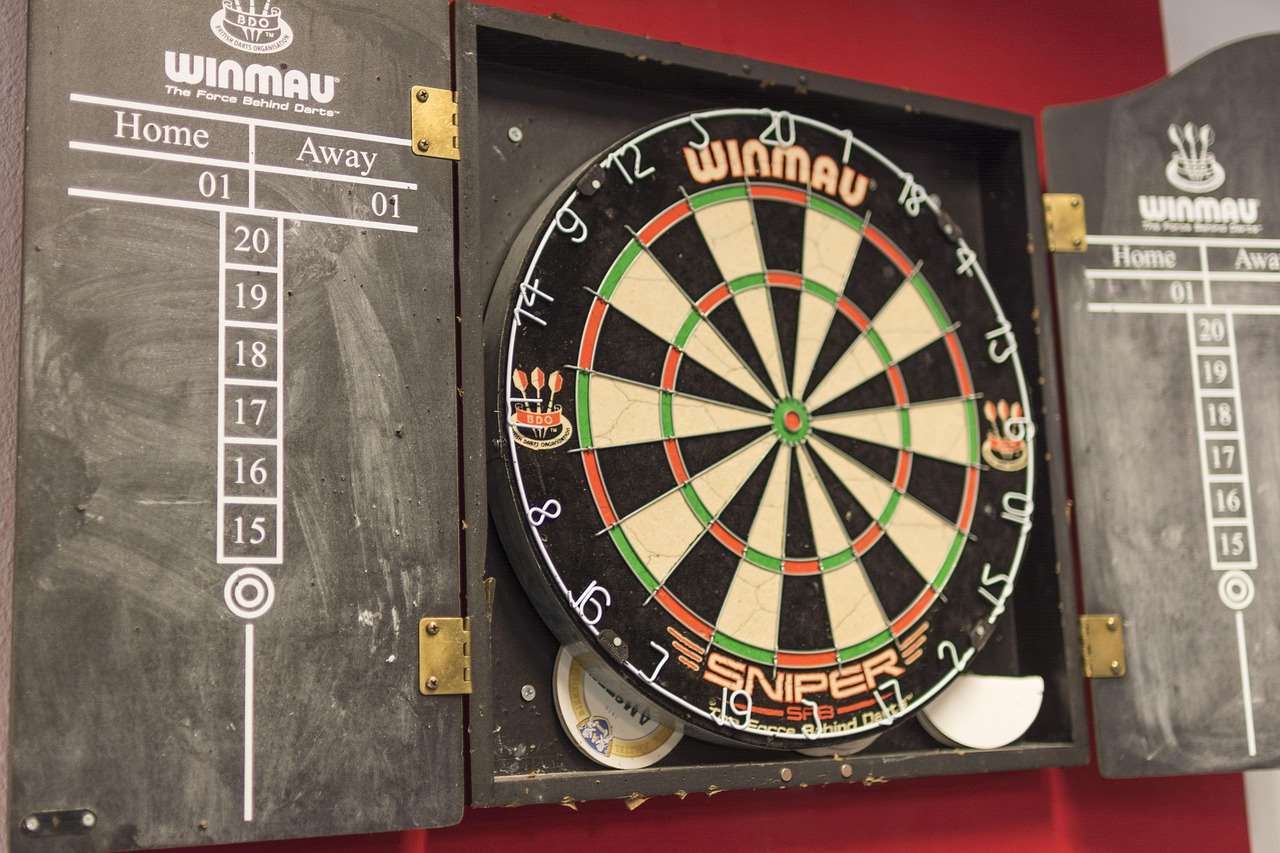
- Storage: Store your darts in a protective case to prevent damage during transport or storage.
Proper storage is just as important as regular cleaning. A good dart case protects your darts from accidental damage, ensuring they are always ready for your next game. Over time, dust, oil, and general gunk can accumulate in the grooves of your dart barrels, compromising your grip. Use a soft brush and mild detergent to gently clean the barrels, then dry them thoroughly before use.
Conclusion: Mastering Dart Weight for Enhanced Performance
Dart Weight Problem Solving is an ongoing process of experimentation, analysis, and adjustment. By understanding the relationship between dart weight, throwing technique, and equipment, you can optimize your dart setup for peak performance. Remember to be patient, persistent, and willing to experiment until you find the combination that works best for you. Whether you’re new to the game or a seasoned player, mastering the art of dart weight problem solving can elevate your game to the next level. Begin experimenting with different weights and setups today, and watch your accuracy and consistency improve. Try to improve your sight so you can see the dartboard clearly, and that way you can make sure your placement is perfect. Consider joining a local dart league or club to gain experience and receive feedback from other players.

Hi, I’m Dieter, and I created Dartcounter (Dartcounterapp.com). My motivation wasn’t being a darts expert – quite the opposite! When I first started playing, I loved the game but found keeping accurate scores and tracking stats difficult and distracting.
I figured I couldn’t be the only one struggling with this. So, I decided to build a solution: an easy-to-use application that everyone, no matter their experience level, could use to manage scoring effortlessly.
My goal for Dartcounter was simple: let the app handle the numbers – the scoring, the averages, the stats, even checkout suggestions – so players could focus purely on their throw and enjoying the game. It began as a way to solve my own beginner’s problem, and I’m thrilled it has grown into a helpful tool for the wider darts community.