Understanding **dart weight limits steel vs soft tip** is crucial for competitive play and ensuring equipment compliance. Steel tip darts generally have a higher weight limit than soft tip darts, influencing throwing styles and equipment choices; this article will explore these differences, the reasons behind them, and what you need to know to choose the right darts for your game.
⚠️ Still Using Pen & Paper (or a Chalkboard)?! ⚠️
Step into the future! The Dart Counter App handles all the scoring, suggests checkouts, and tracks your stats automatically. It's easier than you think!
Try the Smart Dart Counter App FREE!Ready for an upgrade? Click above!
Understanding Dart Weight Limits: Steel Tip vs. Soft Tip
When it comes to darts, one of the most important factors to consider is the weight of your darts. The allowed weight can vary significantly between **steel tip darts** and **soft tip darts**, and understanding these differences is crucial for competitive play and ensuring you’re using equipment that meets regulations. This section delves into the specifics of **dart weight limits steel vs soft tip** and the reasons behind them.
The maximum weight for a steel tip dart is typically 50 grams, although it is important to check specific tournament regulations, as some may have stricter rules. Soft tip darts, on the other hand, generally have a lower maximum weight, often around 18 grams, although again, consulting tournament guidelines is essential, as some may have different stipulations. This significant difference stems from the construction and intended use of each type of dart.

Why the Weight Difference?
The difference in **dart weight limits steel vs soft tip** is primarily due to the materials used and the target board’s construction. Steel tip darts, designed for use with bristle dartboards, require more mass to effectively penetrate the tightly packed fibers. The heavier weight provides the necessary momentum for the dart to stick securely into the board.
Soft tip darts, used with electronic dartboards, rely on a different mechanism. These boards are made of plastic with small holes designed to catch the plastic tips of the darts. A heavier dart could potentially damage the delicate electronics within the board. Therefore, soft tip darts are kept lighter to minimize impact force and prevent damage. The use of lighter darts can also affect the player’s throwing technique.
In addition to weight, other factors contribute to a dart’s performance, including its balance, grip, and flight characteristics. Experimenting with different weights and configurations can help you find the perfect dart for your individual throwing style.
Steel Tip Darts: Weight Specifications and Considerations
Steel tip darts are the traditional choice for many dart players, and their weight plays a significant role in their performance. While the official **dart weight limits steel vs soft tip** often cite 50 grams as the maximum, there are nuances to consider.
Most professional steel tip darts fall within the range of 20 to 26 grams. This range offers a good balance between control and momentum. Heavier darts, closer to the 50-gram limit, may be preferred by players who rely on a more powerful throw, while lighter darts offer greater finesse and accuracy for some.
Here are some considerations regarding steel tip dart weight:
- Beginner Players: Starting with a mid-weight dart (around 22-24 grams) is generally recommended for beginners. This allows you to develop a consistent throwing motion without being overly challenged by the weight. You can find Basic Darts Fundamentals for Beginners.
- Throwing Style: Players with a faster, more aggressive throwing style might prefer a slightly heavier dart, while those with a smoother, more controlled style may benefit from a lighter dart.
- Dart Barrel Material: The material of the dart barrel also influences the overall feel and balance. Tungsten barrels are denser than brass barrels, allowing for a slimmer profile at the same weight.
It’s also worth noting that even within the legal **dart weight limits steel vs soft tip**, minute weight differences can affect a dart’s trajectory and impact point. Therefore, careful selection and consistent weight management are vital for serious players.
Soft Tip Darts: Weight Specifications and Considerations
Soft tip darts, designed for electronic dartboards, have their own set of weight considerations. As previously mentioned, the typical maximum weight for a soft tip dart is around 18 grams, significantly lower than steel tip darts. The lower weight is necessary to protect the electronic scoring system within the dartboard.
Within the 18-gram limit, most soft tip darts range from 16 to 18 grams. The difference of a gram or two might seem insignificant, but it can influence the dart’s flight and impact.
Here are some important factors to consider regarding soft tip dart weight:
- Board Compatibility: Always ensure that your soft tip darts are compatible with your electronic dartboard. Using darts that are too heavy could void the warranty or damage the board.
- Tip Material: The type of plastic used for the tips also impacts the dart’s overall performance. Softer tips may offer better grip on the board, while harder tips may be more durable. Regularly replacing worn-out tips is essential for accurate scoring.
- Weight Distribution: The weight distribution within the dart barrel can influence its flight characteristics. Front-weighted darts tend to fly straighter, while rear-weighted darts may be more forgiving of slight errors in your throw.
While weight is a primary consideration, factors such as shaft length, flight shape, and grip also play a vital role in the performance of soft tip darts. It’s crucial to experiment with different configurations to find the optimal setup for your game. Adapting darts rules for small spaces: tips and tricks can also change your game.
The Impact of Dart Weight on Throwing Technique
The weight of your darts significantly impacts your **throwing technique**. The ideal weight allows you to maintain control, consistency, and accuracy. Using darts that are either too heavy or too light can lead to inconsistent throws and ultimately hinder your performance.
Heavier darts generally require more force to throw, engaging larger muscle groups in your arm and shoulder. This can lead to fatigue over extended periods of play. However, heavier darts are less susceptible to minor inconsistencies in your release, making them potentially more forgiving for some players.
Lighter darts, on the other hand, require less force and allow for a more delicate, controlled throw. This can be advantageous for players who prioritize accuracy and finesse. However, lighter darts are more sensitive to subtle changes in your release, making consistency even more critical. Modifying rules for mixed-level dart players can also change the feel of a throw.
To optimize your **throwing technique**, consider the following:
- Experiment with Different Weights: Try throwing darts of varying weights to determine which feels most comfortable and allows you to maintain consistent accuracy.
- Focus on a Smooth Release: Regardless of the dart weight, a smooth, consistent release is essential for accurate throws.
- Practice Regularly: Consistent practice will help you develop the muscle memory and coordination necessary to throw accurately with your chosen dart weight.
Legal Considerations and Tournament Regulations
Understanding the **legal dart weight limits steel vs soft tip** is not just about personal preference; it’s also crucial for adhering to tournament regulations. Most dart tournaments have specific rules regarding dart weight, length, and other specifications. Failing to comply with these regulations can result in disqualification.
Always check the specific rules of the tournament you are participating in before selecting your darts. While the general guidelines mentioned earlier are widely accepted, some tournaments may have stricter or more specific requirements. For instance, they may specify the maximum length of the dart or the type of materials allowed.
Here are some important points to keep in mind:
- Official Tournament Rules: Familiarize yourself with the official rules of organizations such as the World Darts Federation (WDF) or the Professional Darts Corporation (PDC). These organizations often set the standards for dart regulations.
- Weight Verification: Some tournaments may require you to weigh your darts before the match to ensure they comply with the regulations.
- Tip Requirements: For soft tip darts, tournaments may also specify the type of tips allowed and the method of attachment.
By ensuring that your darts meet all the legal requirements and tournament regulations, you can avoid any unnecessary complications and focus on your game. Alternative darts rules for home play do not necessarily carry the same weight rules.
Choosing the Right Dart Weight for Your Skill Level
Selecting the appropriate dart weight is paramount to improving your skills, especially as a beginner. While personal preference plays a significant role, there are general guidelines that can help guide your decision. The **dart weight limits steel vs soft tip** vary significantly, but also the skill level of a player has to be taken into account.
For **beginners**, a middle-of-the-road weight is often recommended. For steel tip, this typically means darts in the range of 22 to 24 grams. This weight provides a good balance of control and momentum, allowing beginners to develop a consistent throwing motion without struggling with excessive weight.
For **intermediate players**, experimenting with different weights can help refine their throwing technique. Some intermediate players may find that they prefer a slightly heavier dart for more power, while others may prefer a lighter dart for greater finesse.
For **advanced players**, dart weight becomes a highly personalized choice. These players have often developed a refined throwing style and understand the subtle nuances of how different weights affect their performance. They may have multiple sets of darts with varying weights for different situations. Creative dart rules for parties and social gatherings do not need to meet professional guidelines.
Remember that finding the right dart weight is a process of experimentation. Don’t be afraid to try different weights and configurations until you find what works best for you.

Tips for Adjusting to a New Dart Weight
Switching to a new dart weight, whether heavier or lighter, requires some adjustments to your **throwing technique**. It’s not simply a matter of picking up the new darts and expecting to perform at the same level immediately. Give yourself time to adapt and be patient with the process.
Here are some tips for adjusting to a new dart weight:
- Start with Short Practice Sessions: Don’t try to throw for hours on end with your new darts. Begin with shorter practice sessions and gradually increase the duration as you become more comfortable.
- Focus on Consistency: Concentrate on maintaining a smooth, consistent release. Don’t try to force the dart or overcompensate for the weight difference.
- Pay Attention to Your Grip: Your grip may need to be adjusted slightly to accommodate the new weight. Experiment with different grip positions until you find what feels most natural and secure.
- Adjust Your Stance: Your stance may also need to be adjusted to maintain balance and stability with the new dart weight.
- Don’t Get Discouraged: It’s normal to experience some initial challenges when switching to a new dart weight. Don’t get discouraged if your accuracy suffers at first. With consistent practice, you will eventually adapt.
Remember, the goal is to find a dart weight that feels comfortable and allows you to throw consistently and accurately. It’s a journey of experimentation and adjustment, so be patient with yourself and enjoy the process. Understanding the importance of adopting darts rules for beginners is also an important way to get yourself familiar with dart weight and styles.
Beyond Weight: Other Factors Influencing Dart Performance
While **dart weight limits steel vs soft tip** are essential, the story doesn’t end there. The overall performance of a dart is influenced by a combination of factors beyond just its weight. These include the dart’s balance, grip, barrel shape, shaft length, and flight characteristics. Understanding how these factors interact can help you fine-tune your dart setup for optimal performance.
Balance refers to the distribution of weight within the dart. A front-weighted dart tends to fly straighter, while a rear-weighted dart may be more forgiving of minor errors in your throw.
Grip is the texture and pattern on the dart barrel that provides traction for your fingers. The ideal grip will depend on your personal preferences and the amount of control you desire.
Barrel Shape can also influence the dart’s flight. A straight barrel is generally more stable, while a torpedo-shaped barrel may offer better aerodynamics.
Shaft Length affects the dart’s overall length and balance. Shorter shafts can improve stability, while longer shafts may provide more control.
Flight Characteristics, determined by the shape and size of the flights, influence the dart’s trajectory and stability in the air.
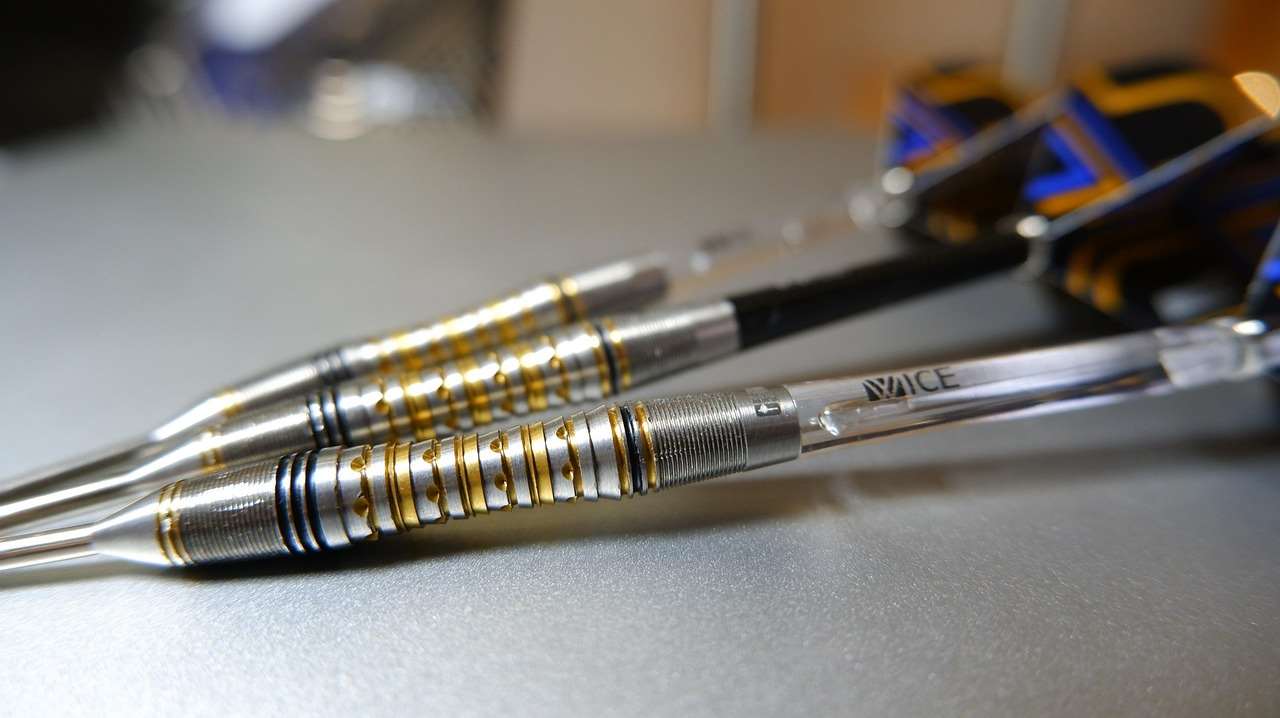
By carefully considering all these factors, you can create a dart setup that is perfectly tailored to your individual throwing style and preferences.
Conclusion: Finding Your Ideal Dart Weight
Choosing the right dart weight is a crucial step towards improving your dart game. Understanding the nuances of **dart weight limits steel vs soft tip**, and how weight impacts your throwing style, will significantly contribute to your success. While steel tip darts typically allow for heavier weights than soft tip darts due to the differences in board construction, remember that personal preference and playing style are ultimately the most important factors to consider.
Experiment with different weights, pay attention to how each weight affects your throw, and don’t be afraid to make adjustments until you find the perfect fit. Remember to check tournament regulations regarding weight limits before competing. With the right darts in hand, you’ll be well on your way to hitting more bullseyes and enjoying the game even more. Now, head to your local dart supply store or online retailer, try out some different weights, and discover the difference the right dart can make!

Hi, I’m Dieter, and I created Dartcounter (Dartcounterapp.com). My motivation wasn’t being a darts expert – quite the opposite! When I first started playing, I loved the game but found keeping accurate scores and tracking stats difficult and distracting.
I figured I couldn’t be the only one struggling with this. So, I decided to build a solution: an easy-to-use application that everyone, no matter their experience level, could use to manage scoring effortlessly.
My goal for Dartcounter was simple: let the app handle the numbers – the scoring, the averages, the stats, even checkout suggestions – so players could focus purely on their throw and enjoying the game. It began as a way to solve my own beginner’s problem, and I’m thrilled it has grown into a helpful tool for the wider darts community.