Finding the right dart weight is crucial for improving your game, as it directly impacts your throwing style and accuracy; this Dart Weight Guide Choosing will help you navigate the options and select the ideal weight for your individual needs. This guide covers different dart weights, materials, and balance points, ensuring you make an informed decision for better performance and enjoyment.
⚠️ Still Using Pen & Paper (or a Chalkboard)?! ⚠️
Step into the future! The Dart Counter App handles all the scoring, suggests checkouts, and tracks your stats automatically. It's easier than you think!
Try the Smart Dart Counter App FREE!Ready for an upgrade? Click above!
Understanding Dart Weights: A Foundation for Choosing
The weight of a dart is a fundamental factor in its trajectory and feel. Darts typically range from 16 grams to 30 grams, though the most common weights fall between 22 grams and 26 grams. Lighter darts require a smoother, more controlled throw, while heavier darts can be advantageous for players who prefer a more powerful, assertive style. Experimenting with different weights is key to discovering what feels most natural and accurate for you. The weight you choose also impacts your grip and throwing motion.
The Role of Dart Weight in Accuracy
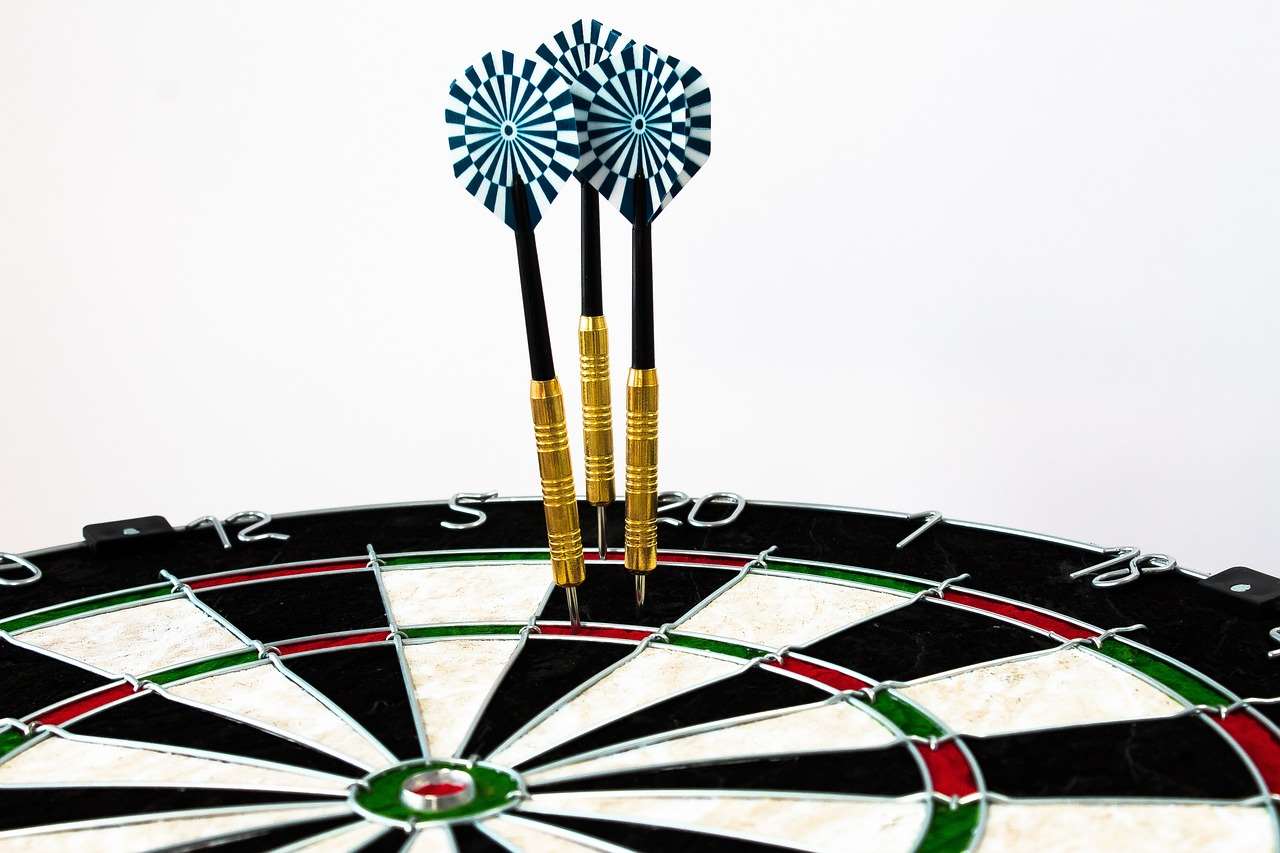
A heavier dart generally offers more stability in flight, making it less susceptible to minor inconsistencies in your throw. This can be beneficial for beginners who are still developing their technique. However, heavier darts also require more force to throw, which can lead to fatigue over longer practice sessions or matches. Lighter darts, on the other hand, allow for more finesse and control. They can be easier to throw consistently once you’ve refined your technique. Ultimately, the “right” weight is subjective and depends on your individual strengths and weaknesses.
Factors Influencing Your Dart Weight Choice
Several factors should influence your decision when choosing dart weights. These include your throwing style, hand size, grip, and even your physical strength. Consider the following:
- Throwing Style: Do you throw with a smooth, flowing motion, or a more forceful, jerky one? Lighter darts may suit the former, while heavier darts may suit the latter.
- Hand Size: Smaller hands may find heavier darts unwieldy, while larger hands may prefer the feel of a substantial dart.
- Grip: A tight grip may necessitate a lighter dart to prevent over-steering, while a looser grip may benefit from the added stability of a heavier dart.
- Physical Strength: If you have limited upper body strength, a lighter dart may be easier to control and throw consistently.
Testing Different Dart Weights
The best way to determine the ideal dart weight is to test different options. Many dart shops offer trial darts that you can throw before making a purchase. Consider borrowing darts from friends or joining a dart league where you can sample a variety of weights and styles. Pay attention to how each dart feels in your hand, how smoothly it releases, and how accurately it flies. Don’t be afraid to experiment – you may be surprised by what you discover. Also, note that your preferred dart balance affects your control.
Dart Materials and Their Impact on Weight Distribution
The material used in a dart’s barrel also affects its weight and balance. The most common materials are:
- Brass: Brass darts are typically heavier and more affordable, making them a good option for beginners.
- Nickel Silver: Nickel silver darts offer a balance of affordability and durability, and they often have a slimmer profile than brass darts.
- Tungsten: Tungsten darts are the most expensive but also the most dense, allowing for a slimmer barrel profile at a given weight. This can improve grouping and reduce deflections.
Tungsten darts are often preferred by experienced players because their slim profile allows for tighter groupings on the dartboard. Consider tungsten if you are looking to upgrade your dart equipment. When selecting dart materials, think about how the material will affect weight distribution and your grip.
Understanding Dart Balance
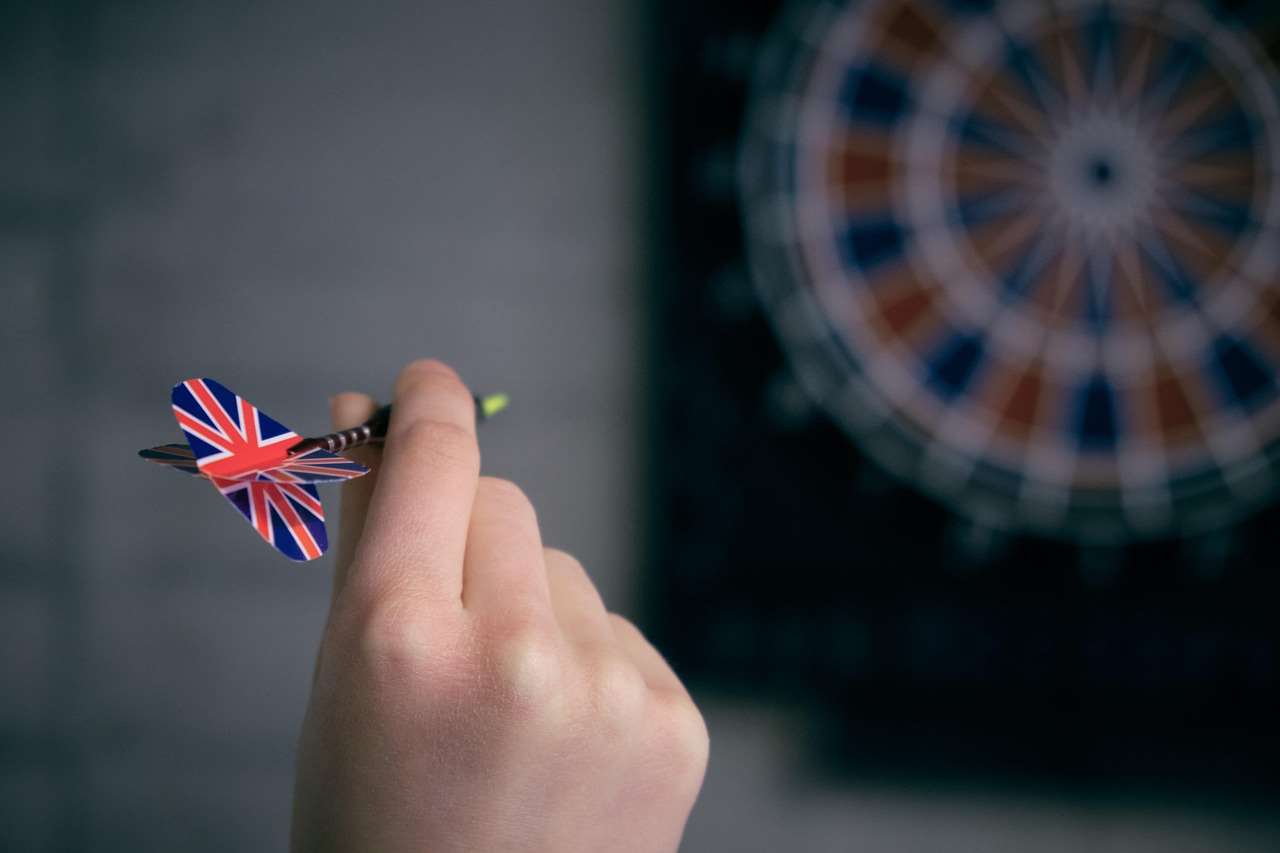
Beyond the overall weight, the balance of a dart is crucial. This refers to the distribution of weight along the dart’s barrel. Darts can be front-weighted, center-weighted, or rear-weighted. Front-weighted darts tend to fly straighter and are often preferred by players who throw with a more forceful motion. Center-weighted darts offer a balanced feel and are suitable for a variety of throwing styles. Rear-weighted darts can be easier to control and are often favored by players with a smoother, more controlled release. If you want further information, consider this guide on how to Choose Best Dart Equipment.
The Importance of Dart Length and Shape
While weight is a primary consideration, dart length and shape also play a significant role in your overall throwing experience. Longer darts may provide more stability, while shorter darts may feel more maneuverable. The shape of the barrel, whether straight, torpedo-shaped, or bomb-shaped, can also affect your grip and release. Consider your throwing style and personal preferences when selecting dart length and shape. These aspects can contribute to your dart throwing technique.
Ultimately, the ideal dart is one that feels comfortable and natural in your hand, allowing you to throw consistently and accurately. Don’t be afraid to experiment with different options until you find the perfect fit. Consider all factors when making informed decisions for optimum dart performance.
Fine-Tuning Your Dart Setup: Stems and Flights
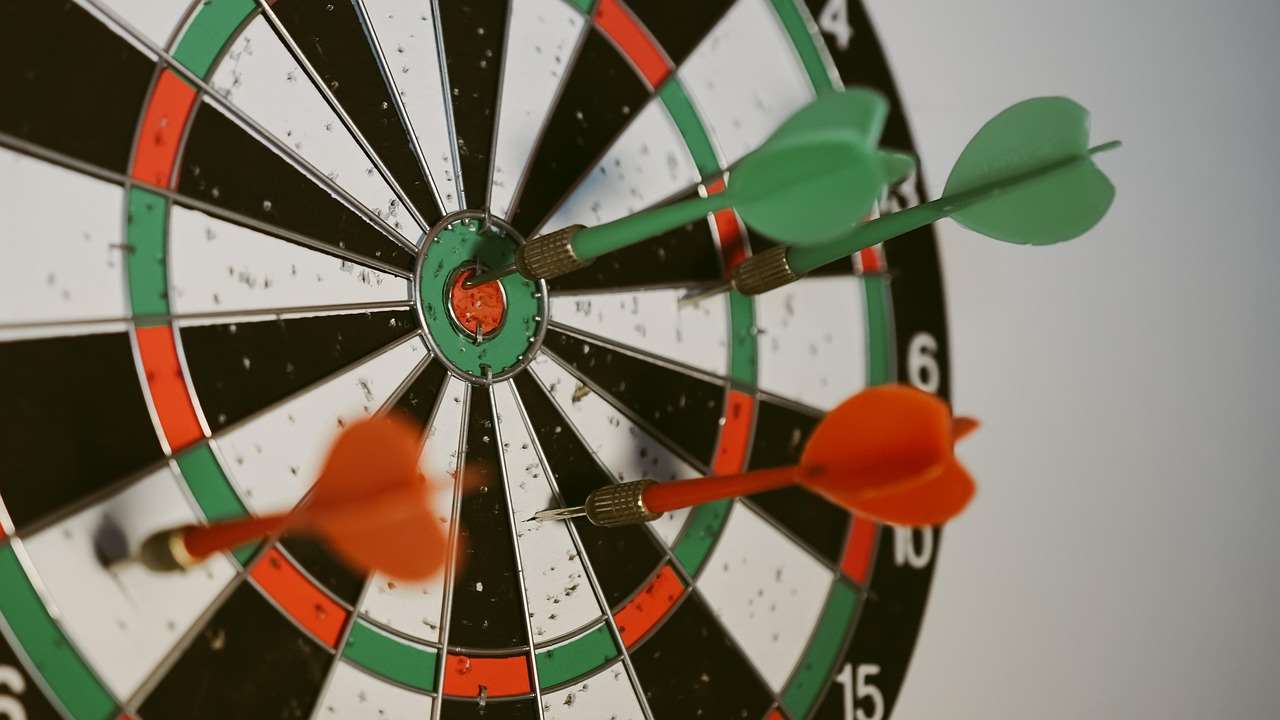
The stems and flights of your darts also contribute to their overall performance. Stems affect the dart’s trajectory and stability, while flights influence its drag and spin. Experimenting with different stem lengths and flight shapes can help you fine-tune your dart’s flight characteristics to match your throwing style. Shorter stems generally result in a flatter trajectory, while longer stems provide more stability. Smaller flights reduce drag and increase speed, while larger flights provide more stability and control.
Matching Dart Weight to Your Skill Level
While there’s no hard and fast rule, some general guidelines can help you choose a dart weight based on your skill level. Beginners often benefit from slightly heavier darts (24-26 grams) as they provide more stability and are more forgiving of minor inconsistencies in their throw. Intermediate players may experiment with a wider range of weights (22-26 grams) to find the optimal balance of control and power. Advanced players often gravitate towards lighter, slimmer darts (20-24 grams) that allow for maximum finesse and grouping. Your journey to find perfect darts relies on a good understanding of these concepts.
Troubleshooting Common Dart Throwing Problems
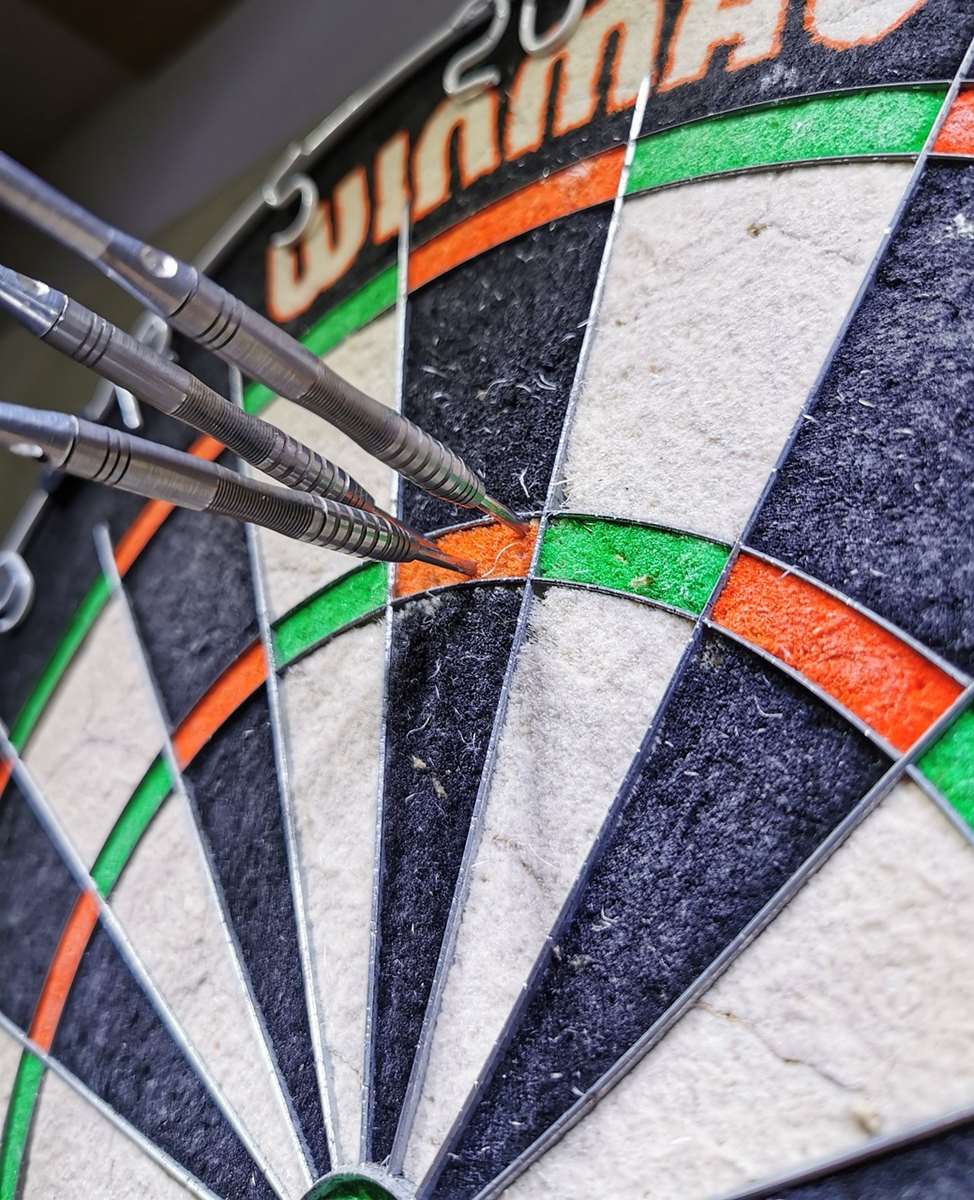
If you’re experiencing persistent problems with your dart throws, such as wobbling, fishtailing, or inconsistent grouping, the weight of your darts may be a contributing factor. Try experimenting with slightly heavier or lighter darts to see if it improves your accuracy and consistency. Also, consider adjusting your grip, stance, and throwing motion. Analyzing your throw and making small adjustments can often lead to significant improvements.
For example, if your darts are consistently landing to the left, you may be gripping the dart too tightly or releasing it too early. If your darts are landing to the right, you may be gripping the dart too loosely or releasing it too late. Pay attention to these details and make adjustments accordingly. When considering other equipment, remember to check out Optimal Dartboard Lighting Solutions Guide for a complete setup.
Maintenance and Care for Your Darts
Proper maintenance and care can extend the lifespan of your darts and ensure consistent performance. Clean your dart barrels regularly with a soft cloth to remove dirt and grime. Check your stems and flights for wear and tear, and replace them as needed. Store your darts in a protective case to prevent damage. These simple steps can help you keep your darts in top condition for years to come. Proper dart maintenance ensures a better playing experience.
Furthermore, remember that even the best darts will perform poorly if your dartboard is in bad shape. Regularly rotate your dartboard to distribute wear evenly, and replace it when it becomes too worn. A well-maintained dartboard will provide a consistent and reliable target for your throws.
Conclusion: Finding Your Perfect Dart Weight
Choosing the right dart weight is a personal journey that requires experimentation and patience. By understanding the factors that influence dart weight, trying different options, and fine-tuning your setup, you can find the perfect darts to elevate your game. Remember to consider your throwing style, hand size, grip, and skill level when making your decision. This Dart Weight Guide Choosing provides a strong foundation for selecting the best weight to boost your performance. Ultimately, the best darts are the ones that feel most comfortable and natural in your hand, allowing you to throw consistently and accurately. Take the time to experiment, have fun, and enjoy the process of discovering your optimal dart setup. Now that you have the basics down, why not explore different Best Dartboard Lighting Systems to improve your game even further?

Hi, I’m Dieter, and I created Dartcounter (Dartcounterapp.com). My motivation wasn’t being a darts expert – quite the opposite! When I first started playing, I loved the game but found keeping accurate scores and tracking stats difficult and distracting.
I figured I couldn’t be the only one struggling with this. So, I decided to build a solution: an easy-to-use application that everyone, no matter their experience level, could use to manage scoring effortlessly.
My goal for Dartcounter was simple: let the app handle the numbers – the scoring, the averages, the stats, even checkout suggestions – so players could focus purely on their throw and enjoying the game. It began as a way to solve my own beginner’s problem, and I’m thrilled it has grown into a helpful tool for the wider darts community.